Key Takeaways
✓ Magnesium glycinate supports sleep by promoting muscle relaxation and regulating the sleep-wake cycle (Arab, 2023).
✓ Chamomile can improve sleep quality and reduce anxiety due to its calming properties (Hieu, 2019).
Not sure which is right for you?
Answer a few questions and we’ll match you to your personalized sleep ritual — in about 60 seconds.
Take the 60-Second Sleep Quiz →✓ Both magnesium glycinate and chamomile are generally safe, but individual responses can vary, and consulting a healthcare provider is recommended.
Magnesium Glycinate vs. Chamomile: Finding Your Best Sleep Solution
Struggling to get a good night's sleep? You're likely exploring natural sleep aids. Magnesium glycinate and chamomile are two popular options, each offering unique benefits. This article dives into a head-to-head comparison of magnesium glycinate vs. chamomile for sleep, examining their mechanisms, effectiveness, and potential side effects to help you determine which one might be the better choice for you. Before starting any new supplement, though, you should consult with a healthcare professional.
Both magnesium glycinate and chamomile are often recommended for their calming and sleep-promoting properties, but they work differently. Magnesium glycinate, a combination of magnesium and the amino acid glycine, plays a role in muscle relaxation and nerve function. Chamomile, on the other hand, is an herb traditionally used for its relaxing and anxiety-reducing effects. Understanding these differences is key to choosing the right supplement for your individual needs.
Let's explore the science behind each option, compare their benefits, and help you decide whether magnesium glycinate or chamomile is the better fit for your sleep goals. If you are also considering other options, you may want to read up on ashwagandha vs magnesium glycinate for sleep to further inform your decision.
Magnesium Glycinate vs. Chamomile: Quick Comparison
Here's a quick overview to highlight the key differences between magnesium glycinate and chamomile:
| Factor | Magnesium Glycinate | Chamomile |
|---|---|---|
| Mechanism | Supports muscle relaxation, nerve function, and regulates the sleep-wake cycle. | Promotes relaxation and reduces anxiety through calming compounds. |
| Best fit | Individuals with muscle tension, restless legs, or magnesium deficiency. | Individuals with mild anxiety, stress-related insomnia, or digestive upset. |
| Typical dosage | 200-400 mg, taken 1-2 hours before bed. | 1-3 cups of chamomile tea or 400-1600 mg of chamomile extract, taken 30-60 minutes before bed. |
| Main caution | May cause mild digestive upset in some individuals. | Rare allergic reactions, especially in those allergic to ragweed. |
The Sleep-Promoting Power of Magnesium Glycinate
Magnesium is an essential mineral involved in hundreds of bodily functions, including sleep regulation. Magnesium glycinate, a specific form of magnesium, combines magnesium with glycine, an amino acid that also has calming properties. This combination makes it a well-tolerated and effective option for promoting sleep. But how exactly does it work?
How Magnesium Glycinate Works for Sleep
Magnesium glycinate impacts sleep through several key mechanisms:
- Muscle Relaxation: Magnesium helps relax muscles, reducing tension and cramps that can interfere with sleep.
- Nervous System Regulation: It supports the parasympathetic nervous system, which promotes relaxation and reduces stress.
- GABA Enhancement: Magnesium may increase levels of GABA, a neurotransmitter that calms the brain and promotes sleepiness.
- Sleep-Wake Cycle Regulation: Research suggests magnesium plays a role in regulating melatonin, a hormone crucial for the sleep-wake cycle (Arab, 2023).
By addressing these different aspects of sleep, magnesium glycinate can help you fall asleep faster, stay asleep longer, and improve the overall quality of your sleep.
Research on Magnesium Glycinate and Sleep
Several studies have explored the effects of magnesium supplementation on sleep. A systematic review and meta-analysis indicated that oral magnesium supplementation can improve insomnia symptoms in older adults (Mah, 2021). Another study highlighted magnesium's role in sleep health, noting its potential to improve sleep quality (Arab, 2023). Furthermore, research indicates that magnesium supplementation can positively impact sleep hormones in individuals with diabetes (Khalid, 2024). While magnesium oxide is a common form of magnesium, magnesium glycinate is often preferred because it is more easily absorbed and less likely to cause digestive upset.
Research discussed here relates to individual ingredients and does not establish that the finished Veluna product has been clinically studied or will produce the same results.
A randomized, placebo-controlled trial found that magnesium bisglycinate supplementation improved sleep quality in healthy adults reporting poor sleep (Schuster, 2025). These findings suggest that magnesium glycinate can be a valuable tool for improving sleep, especially for those with insomnia or poor sleep quality. If you are an athlete, you may want to read more about the best sleep supplements for athletes which include magnesium.
Dosage and Safety of Magnesium Glycinate
The typical dosage of magnesium glycinate for sleep ranges from 200 to 400 mg, taken one to two hours before bedtime. It's best to start with a lower dose and gradually increase it to see how your body responds. Magnesium glycinate is generally considered safe, but some people may experience mild digestive upset, such as diarrhea, especially at higher doses. If you experience any adverse effects, reduce your dosage or discontinue use.
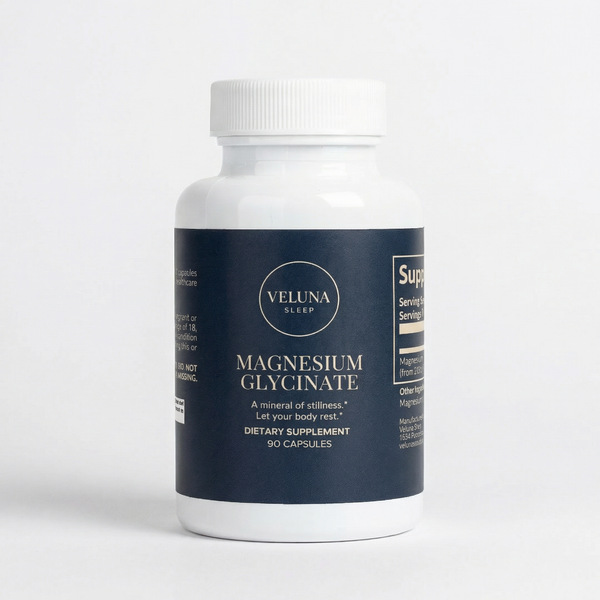
It's also important to note that magnesium supplements can interact with certain medications, such as antibiotics and diuretics. If you are taking any medications, talk to your doctor before taking magnesium glycinate. The Veluna Magnesium Glycinate supplement is a great option to consider.
Chamomile: The Ancient Herb for Sleep and Relaxation
Chamomile is an herb that has been used for centuries to promote relaxation and improve sleep. Its daisy-like flowers contain compounds that have calming and anti-anxiety effects, making it a popular natural remedy for insomnia and other sleep problems. You can find chamomile in teas, extracts, and supplements.
How Chamomile Works for Sleep
Chamomile's sleep-promoting effects are attributed to several mechanisms:
- Apigenin: Chamomile contains apigenin, an antioxidant that binds to certain receptors in the brain, which may decrease anxiety and initiate sleep.
- Relaxing Properties: It has traditionally been used for its relaxing properties, helping to calm the mind and body before sleep.
- Anxiety Reduction: Chamomile can reduce anxiety and stress, which are common causes of sleep disturbances (Hieu, 2019).
- Mild Sedative Effects: Some studies suggest that chamomile has mild sedative effects, helping you fall asleep more easily.
These combined effects make chamomile a gentle and effective option for improving sleep quality and reducing sleep latency (the time it takes to fall asleep).
Research on Chamomile and Sleep
Numerous studies have investigated the effects of chamomile on sleep. A systematic review and meta-analysis of clinical trials found that chamomile significantly improved sleep quality (Kazemi, 2024). Another review showed that chamomile is therapeutically effective and safe for treating insomnia and improving sleep quality (Hieu, 2019). These findings are consistent with other research that indicated chamomile extract improved sleep quality among elderly people (Adib-Hajbaghery, 2017).
Additionally, a study on young women experiencing primary dysmenorrhea (menstrual pain) found that a chamomile beverage improved sleep quality and reduced menstrual symptoms (Soh, 2025). These studies highlight chamomile's potential as a natural sleep aid, particularly for those with anxiety or stress-related sleep problems. If you are a shift worker, you may want to consider chamomile as one of the best sleep supplements for shift workers.
Dosage and Safety of Chamomile
Chamomile is available in various forms, including tea, capsules, and liquid extracts. For tea, steep one to three tea bags in hot water for 10-15 minutes and drink it 30-60 minutes before bedtime. The typical dosage for chamomile extract ranges from 400 to 1600 mg per day.
Take our 60-second quiz to discover the science-backed sleep solution matched to your unique needs.
Take the QuizChamomile is generally considered safe, but some people may experience allergic reactions, especially if they are allergic to ragweed or other plants in the Asteraceae family. Symptoms of an allergic reaction may include skin rash, itching, or difficulty breathing. If you experience any of these symptoms, discontinue use and seek medical attention.
It's also worth noting that chamomile may interact with certain medications, such as blood thinners and sedatives. If you are taking any medications, talk to your doctor before using chamomile. Some people may prefer to take a sleep formula that contains multiple ingredients.
Head-to-Head: Magnesium Glycinate vs. Chamomile for Sleep
Now that we've examined each supplement individually, let's compare magnesium glycinate and chamomile directly to help you determine which one is right for you.
Effectiveness for Different Sleep Problems
- Insomnia: Both magnesium glycinate and chamomile can be effective for insomnia, but they may work best for different types. Magnesium glycinate may be more helpful for insomnia related to muscle tension or magnesium deficiency, while chamomile may be more effective for insomnia related to anxiety or stress.
- Sleep Quality: Both supplements can improve sleep quality, but magnesium glycinate may have a more direct impact on sleep depth and duration due to its role in regulating the sleep-wake cycle.
- Anxiety-Related Sleep Issues: Chamomile is particularly well-suited for addressing sleep problems related to anxiety and stress, thanks to its calming properties.
Potential Side Effects and Interactions
- Magnesium Glycinate: The most common side effect is mild digestive upset, such as diarrhea. Magnesium glycinate can also interact with certain medications, such as antibiotics and diuretics.
- Chamomile: Allergic reactions are the main concern, especially for those allergic to ragweed. Chamomile may also interact with blood thinners and sedatives.
Personal Considerations
- Lifestyle: If you have a busy, stressful lifestyle, chamomile may be a good choice for its calming effects. If you have a physically demanding lifestyle or experience muscle tension, magnesium glycinate may be more beneficial.
- Preferences: Some people prefer the ritual of drinking chamomile tea before bed, while others prefer the convenience of taking a magnesium glycinate capsule.
- Underlying Conditions: If you have a known magnesium deficiency, magnesium glycinate may be the better option. If you have a history of anxiety or stress, chamomile may be more effective.
When to Seek Professional Help
While magnesium glycinate and chamomile can be helpful for improving sleep, it's important to recognize when professional help is needed. If you experience chronic insomnia, severe anxiety, or other persistent sleep problems, consult a healthcare provider. They can evaluate your symptoms, identify any underlying medical conditions, and recommend appropriate treatment options. Additionally, if you are taking medications or have any health concerns, talk to your doctor before starting any new supplement.
The Bottom Line
Magnesium glycinate and chamomile are both valuable natural sleep aids, each with its unique benefits and mechanisms. Magnesium glycinate excels at promoting muscle relaxation and regulating the sleep-wake cycle, while chamomile shines in reducing anxiety and promoting relaxation. The best choice for you depends on your individual needs, preferences, and any underlying health conditions.
Ultimately, both magnesium glycinate and chamomile can be part of a holistic approach to improving sleep. Experiment with both to see which one works best for you, and consider incorporating other healthy sleep habits, such as maintaining a regular sleep schedule, creating a relaxing bedtime routine, and optimizing your sleep environment. For those dealing with anxiety and stress, reading about the best sleep supplements for anxiety and stress relief might also be beneficial.
Ready to find the right sleep ritual for your needs? Take Veluna's free 60-second quiz to get a personalized recommendation.
References
- Mah J, Pitre T. Oral magnesium supplementation for insomnia in older adults: a Systematic Review & Meta-Analysis. BMC complementary medicine and therapies. 2021. PubMed
- Kazemi A, Shojaei-Zarghani S, Eskandarzadeh P et al.. Effects of chamomile (Matricaria chamomilla L.) on sleep: A systematic review and meta-analysis of clinical trials. Complementary therapies in medicine. 2024. PubMed
- Hieu TH, Dibas M, Surya Dila KA et al.. Therapeutic efficacy and safety of chamomile for state anxiety, generalized anxiety disorder, insomnia, and sleep quality: A systematic review and meta-analysis of randomized trials and quasi-randomized trials. Phytotherapy research : PTR. 2019. PubMed
- Arab A, Rafie N, Amani R et al.. The Role of Magnesium in Sleep Health: a Systematic Review of Available Literature. Biological trace element research. 2023. PubMed
- Soh Z, Tan SC, Wong TH et al.. Effects of chamomile and -theanine beverage on menstrual pain, menstrual symptoms, mood, and sleep quality in young women experiencing primary dysmenorrhea: A randomized, double-blind, placebo-controlled study. Journal of food and drug analysis. 2025. PubMed
- Khalid S, Bashir S, Mehboob R et al.. Effects of magnesium and potassium supplementation on insomnia and sleep hormones in patients with diabetes mellitus. Frontiers in endocrinology. 2024. PubMed
- Schuster J, Cycelskij I, Lopresti A et al.. Magnesium Bisglycinate Supplementation in Healthy Adults Reporting Poor Sleep: A Randomized, Placebo-Controlled Trial. Nature and science of sleep. 2025. PubMed
- Adib-Hajbaghery M, Mousavi SN. The effects of chamomile extract on sleep quality among elderly people: A clinical trial. Complementary therapies in medicine. 2017. PubMed
Frequently Asked Questions
Yes, magnesium glycinate and chamomile can be taken together, as they work through different mechanisms to promote sleep and relaxation. However, it's always a good idea to consult with a healthcare provider before combining supplements to ensure there are no potential interactions or contraindications. Start with lower doses of each to assess your tolerance.
Magnesium glycinate is commonly reported to begin working within 30 minutes to an hour after taking it. Individual responses vary. However, the exact time can vary depending on individual factors such as metabolism, dosage, and the severity of sleep issues. Consistent use over several days may lead to more noticeable improvements in sleep quality.
Yes, it is generally safe to take magnesium glycinate every night, as long as you stick to the recommended dosage and don't experience any adverse effects. Long-term use of magnesium glycinate is typically well-tolerated, but it's always wise to check with a healthcare provider, especially if you have any underlying health conditions or are taking other medications.
Yes, chamomile has been shown to help with anxiety. Studies suggest that chamomile has therapeutic efficacy and safety for state anxiety, generalized anxiety disorder, insomnia, and sleep quality (Hieu, 2019). Chamomile contains compounds like apigenin that may have calming and anti-anxiety effects.
Drinking chamomile tea every day is generally safe for most people. However, some individuals may experience allergic reactions, especially if they are allergic to ragweed or other plants in the Asteraceae family. Other rare side effects may include nausea or dizziness. If you experience any adverse effects, discontinue use.