Key Takeaways
✓ Ashwagandha may improve sleep quality and reduce stress, particularly beneficial for those with anxiety-related insomnia (Cheah, 2021).
✓ Chamomile has demonstrated mild benefits in improving sleep quality, especially in older adults, and is generally considered safe with few side effects (Kazemi, 2024).
Not sure which is right for you?
Answer a few questions and we’ll match you to your personalized sleep ritual — in about 60 seconds.
Take the 60-Second Sleep Quiz →✓ Both ashwagandha and chamomile can be part of a holistic approach to sleep, but individual responses vary, and consulting a healthcare professional is recommended for personalized advice.
Ashwagandha and Chamomile: Natural Sleep Aids Compared
Struggling to get a good night's sleep? You're likely exploring natural remedies to help you drift off more easily. Ashwagandha and chamomile are two popular herbal supplements often touted for their sleep-promoting properties. But which one is right for you? This article will compare ashwagandha vs chamomile, examining their benefits, dosages, and the research behind them, so you can make an informed decision and improve your sleep quality.
Both ashwagandha and chamomile have long histories of traditional use for their calming and sleep-enhancing effects. Ashwagandha, an adaptogenic herb used in Ayurvedic medicine, is known for its stress-reducing properties, which can indirectly improve sleep. Chamomile, on the other hand, is often consumed as a tea and is valued for its mild sedative effects. Let's dive into a head-to-head comparison to help you determine which might be the better choice for your specific sleep needs.
| Factor | Ashwagandha | Chamomile |
|---|---|---|
| Mechanism | Reduces stress hormones, modulates GABA | Mild sedative effects, binds to GABA receptors |
| Best fit | Individuals with anxiety-related insomnia | Those seeking a mild, calming sleep aid |
| Typical dosage | 300-500mg of root extract | 1-3 cups of tea or 400-1600mg of extract |
| Main caution | May interact with certain medications | Generally safe, but possible allergic reactions |
The Benefits of Ashwagandha for Sleep
Ashwagandha (Withania somnifera) is an adaptogenic herb that has been used for centuries in traditional Ayurvedic medicine. It is known for its ability to help the body manage stress, which can have a positive impact on sleep. Research suggests that ashwagandha may improve sleep quality, reduce anxiety, and promote a sense of calm [1].
One of the key ways ashwagandha promotes sleep is by reducing levels of cortisol, the stress hormone. Elevated cortisol levels can interfere with sleep, making it difficult to fall asleep and stay asleep. By helping to regulate cortisol, ashwagandha can create a more favorable environment for restful sleep. A systematic review and meta-analysis indicated that ashwagandha extract has a positive effect on sleep [1].
Furthermore, ashwagandha may influence sleep by modulating GABA, a neurotransmitter that promotes relaxation and reduces anxiety. Some research indicates that ashwagandha may enhance GABAergic signaling, which can contribute to its calming and sleep-promoting effects [9]. If you're also exploring magnesium, you might be interested in our comparison of Ashwagandha vs Magnesium Glycinate for Sleep.
In a randomized controlled trial, participants taking ashwagandha reported improvements in sleep quality, stress levels, and mental clarity [5]. Another study specifically evaluated the impact of ashwagandha root extract on sleep in healthy volunteers and patients with insomnia, finding significant improvements in sleep parameters [6].
Research discussed here relates to individual ingredients and does not establish that the finished Veluna product has been clinically studied or will produce the same results.
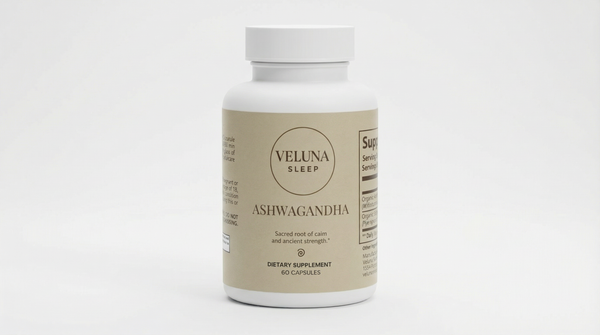
If stress and anxiety are keeping you up at night, ashwagandha might be a beneficial supplement to consider. You can find high-quality ashwagandha supplements like Veluna Ashwagandha, which are designed to support relaxation and improve sleep quality. As always, talk to your doctor before starting any new supplement.
The Benefits of Chamomile for Sleep
Chamomile (Matricaria chamomilla) is a well-known herb that has been used for centuries to promote relaxation and sleep. It is often consumed as a tea, but chamomile extracts are also available in supplement form. Chamomile's sleep-promoting effects are thought to be due to its ability to bind to GABA receptors in the brain, which can help reduce anxiety and induce relaxation [2, 9].
Studies have shown that chamomile can improve sleep quality, particularly in older adults. A clinical trial found that chamomile extract improved sleep quality among elderly people [8]. Chamomile is often recommended as a gentle sleep aid for those who have difficulty falling asleep or staying asleep.
A systematic review and meta-analysis of clinical trials examined the effects of chamomile on sleep. The results indicated that chamomile has a positive effect on sleep quality [2]. Another systematic review and meta-analysis explored the therapeutic efficacy and safety of chamomile for anxiety, generalized anxiety disorder, insomnia, and sleep quality. The review concluded that chamomile may be beneficial for improving sleep and reducing anxiety [3].
While chamomile is generally considered safe, some people may experience allergic reactions. It is also important to note that chamomile's effects are relatively mild compared to some other sleep aids. However, for those seeking a gentle and natural way to improve their sleep, chamomile can be a good option. For a comprehensive approach, consider exploring strategies to improve sleep naturally.
Dosage and How to Take Ashwagandha and Chamomile
When considering ashwagandha or chamomile for sleep, it's important to understand the appropriate dosages and how to take them for optimal results.
Ashwagandha Dosage
The typical dosage of ashwagandha for sleep ranges from 300 to 500 mg of root extract. It is often taken once or twice daily. Some studies have used higher doses, but it's best to start with a lower dose and gradually increase as needed. Ashwagandha can be taken in capsule, powder, or liquid form. It is often recommended to take ashwagandha with food to improve absorption and reduce the risk of stomach upset. Consistency is key, so take it regularly for several weeks to see the full benefits. You may also be interested in how ashwagandha compares to another sleep aid, as discussed in our article on Glycine vs Ashwagandha for Sleep.
Chamomile Dosage
Chamomile is commonly consumed as a tea, with one to three cups per day being a typical dosage. To make chamomile tea, steep a tea bag or loose-leaf chamomile flowers in hot water for five to ten minutes. Chamomile extracts are also available in capsule or liquid form, with dosages ranging from 400 to 1600 mg per day. Like ashwagandha, it's best to start with a lower dose and gradually increase as needed. Chamomile can be taken at any time of day, but it is often consumed in the evening to promote relaxation and sleep.
It's important to note that individual responses to ashwagandha and chamomile can vary. Some people may experience benefits at lower doses, while others may require higher doses. It's always a good idea to consult with a healthcare professional before starting any new supplement, especially if you have any underlying health conditions or are taking medications.
Take our 60-second quiz to discover the science-backed sleep solution matched to your unique needs.
Take the QuizPotential Side Effects and Interactions
While both ashwagandha and chamomile are generally considered safe, it's important to be aware of potential side effects and interactions.
Ashwagandha Side Effects and Interactions
Ashwagandha is generally well-tolerated, but some people may experience mild side effects such as stomach upset, diarrhea, or drowsiness. In rare cases, ashwagandha may cause liver problems. It's important to discontinue use and seek medical attention if you experience symptoms such as jaundice, dark urine, or abdominal pain.
Ashwagandha may interact with certain medications, including immunosuppressants, thyroid hormones, and sedatives. If you are taking any of these medications, it's important to talk to your doctor before taking ashwagandha. Ashwagandha may also lower blood sugar levels, so people with diabetes should use it with caution.
Chamomile Side Effects and Interactions
Chamomile is generally considered safe, but some people may experience allergic reactions, especially if they are allergic to other plants in the daisy family, such as ragweed, marigolds, or chrysanthemums. Symptoms of an allergic reaction may include skin rash, itching, or difficulty breathing. If you experience any of these symptoms, discontinue use and seek medical attention.
Chamomile may interact with certain medications, including blood thinners and sedatives. If you are taking any of these medications, it's important to talk to your doctor before taking chamomile. Chamomile may also cause drowsiness, so it's important to use caution when driving or operating machinery.
Research Comparison: Ashwagandha vs Chamomile
Both ashwagandha and chamomile have been studied for their effects on sleep, but the body of research is more robust for ashwagandha. Several studies have shown that ashwagandha can improve sleep quality, reduce anxiety, and promote a sense of calm [1, 5, 6]. Chamomile, on the other hand, has been primarily studied for its mild sedative effects and its ability to improve sleep quality in older adults [2, 3, 8].
One key difference between the two herbs is their mechanism of action. Ashwagandha works by reducing stress hormones and modulating GABA, while chamomile primarily binds to GABA receptors in the brain. This means that ashwagandha may be more effective for people with anxiety-related insomnia, while chamomile may be more effective for those seeking a mild, calming sleep aid.
A systematic review of medicinal herbs for anxiety included both ashwagandha and chamomile. The review found that both herbs have the potential to reduce anxiety symptoms, which can indirectly improve sleep [4]. However, the review also noted that more research is needed to fully understand the effects of these herbs on sleep and anxiety.
Ultimately, the choice between ashwagandha and chamomile depends on your individual needs and preferences. If you're struggling with anxiety-related insomnia, ashwagandha may be the better choice. If you're simply looking for a mild and natural way to improve your sleep, chamomile may be a good option. You can also explore other supplements for athletes who need better rest, as discussed in our article on the Best Sleep Supplements for Athletes.
When to Seek Professional Help
While ashwagandha and chamomile can be helpful for improving sleep, it's important to recognize when to seek professional help. If you have chronic insomnia or other sleep disorders, it's best to consult with a healthcare professional. They can help you identify the underlying causes of your sleep problems and recommend appropriate treatments.
You should also seek professional help if you experience any of the following symptoms:
- Difficulty falling asleep or staying asleep for more than three months
- Daytime fatigue or sleepiness that interferes with your daily activities
- Snoring or gasping for air during sleep
- Frequent awakenings during the night
- Difficulty concentrating or remembering things
A healthcare professional can evaluate your sleep patterns and recommend treatments such as cognitive behavioral therapy for insomnia (CBT-I), medication, or other therapies. They can also help you rule out any underlying medical conditions that may be contributing to your sleep problems.
The Bottom Line
Ashwagandha and chamomile are two natural remedies that can help improve sleep quality. Ashwagandha is an adaptogenic herb that reduces stress and anxiety, while chamomile is a mild sedative that promotes relaxation. Both herbs have been studied for their effects on sleep, and research suggests that they can be beneficial for certain individuals.
Ultimately, the choice between ashwagandha and chamomile depends on your individual needs and preferences. If you're struggling with anxiety-related insomnia, ashwagandha may be the better choice. If you're simply looking for a mild and natural way to improve your sleep, chamomile may be a good option. Consider the factors discussed and your own personal needs to make the best choice for you.
Ready to find the right sleep ritual for your needs? Take Veluna's free 60-second quiz to get a personalized recommendation.
References
- Cheah KL, Norhayati MN, Husniati Yaacob L et al.. Effect of Ashwagandha (Withania somnifera) extract on sleep: A systematic review and meta-analysis. PloS one. 2021. PubMed
- Kazemi A, Shojaei-Zarghani S, Eskandarzadeh P et al.. Effects of chamomile (Matricaria chamomilla L.) on sleep: A systematic review and meta-analysis of clinical trials. Complementary therapies in medicine. 2024. PubMed
- Hieu TH, Dibas M, Surya Dila KA et al.. Therapeutic efficacy and safety of chamomile for state anxiety, generalized anxiety disorder, insomnia, and sleep quality: A systematic review and meta-analysis of randomized trials and quasi-randomized trials. Phytotherapy research : PTR. 2019. PubMed
- Zhang W, Yan Y, Wu Y et al.. Medicinal herbs for the treatment of anxiety: A systematic review and network meta-analysis. Pharmacological research. 2022. PubMed
- Baker C, Kirby JB, O'Connor J et al.. The Perceived Impact of Ashwagandha on Stress, Sleep Quality, Energy, and Mental Clarity for College Students: Qualitative Analysis of a Double-Blind Randomized Control Trial. Journal of medicinal food. 2022. PubMed
- Langade D, Thakare V, Kanchi S et al.. Clinical evaluation of the pharmacological impact of ashwagandha root extract on sleep in healthy volunteers and insomnia patients: A double-blind, randomized, parallel-group, placebo-controlled study. Journal of ethnopharmacology. 2021. PubMed
- Adib-Hajbaghery M, Mousavi SN. The effects of chamomile extract on sleep quality among elderly people: A clinical trial. Complementary therapies in medicine. 2017. PubMed
- Savage K, Firth J, Stough C et al.. GABA-modulating phytomedicines for anxiety: A systematic review of preclinical and clinical evidence. Phytotherapy research : PTR. 2018. PubMed
Frequently Asked Questions
While there is no known contraindication to taking ashwagandha and chamomile together, it's best to consult with a healthcare professional before combining them. They can assess your individual needs and determine if the combination is safe and appropriate for you. Combining supplements may increase the risk of side effects or interactions.
It may take several weeks of consistent use before you notice the full benefits of ashwagandha for sleep. Some people may experience improvements within a few days, while others may need several weeks. It's important to be patient and take ashwagandha regularly to see the best results. Individual responses vary.
Chamomile is generally considered safe for long-term use, but it's always a good idea to take breaks from any supplement. Some people may develop allergic reactions with prolonged use. If you experience any adverse effects, discontinue use and consult with a healthcare professional. It is recommended to use it in moderation.
Yes, ashwagandha can cause drowsiness in some people, especially at higher doses. If you experience daytime drowsiness, try taking ashwagandha at night or reducing your dosage. It's important to use caution when driving or operating machinery if you feel drowsy after taking ashwagandha. Some people find this to be a benefit.
There are no specific foods known to interfere with ashwagandha or chamomile. However, it's generally recommended to take supplements with food to improve absorption and reduce the risk of stomach upset. Avoid taking ashwagandha or chamomile with alcohol, as this may increase drowsiness. Maintain a balanced diet.