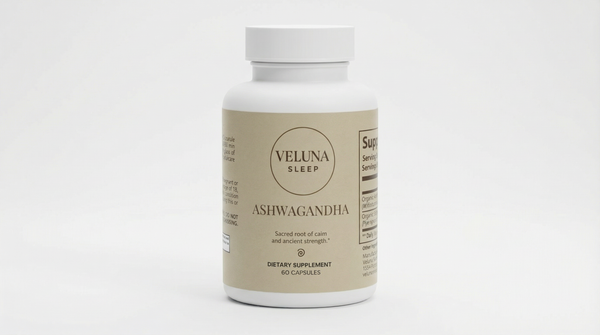
Ashwagandha vs Magnesium Glycinate for Sleep: Which Supplement Should You Choose?
Getting a good night's sleep is essential for overall health and well-being. However, many people struggle with sleep issues, including difficulty falling asleep, staying asleep, or experiencing restful sleep. Natural sleep aids like ashwagandha and magnesium glycinate have gained popularity as potential solutions. Both offer unique benefits, but understanding their differences is key to choosing the right one for your individual needs.
Table of Contents
- Understanding Ashwagandha: An Ancient Remedy for Modern Sleep Problems
- The Power of Magnesium Glycinate: A Mineral Essential for Sleep
- Ashwagandha vs. Magnesium Glycinate: Key Differences and Benefits
- When to Choose Ashwagandha for Sleep
- When to Choose Magnesium Glycinate for Sleep
- Combining Ashwagandha and Magnesium Glycinate: A Synergistic Approach
- Potential Side Effects and Precautions
This article will delve into the science behind ashwagandha and magnesium glycinate, exploring their mechanisms of action, benefits for sleep, potential side effects, and how to determine which supplement is best suited to address your specific sleep challenges. By the end, you'll be equipped with the knowledge to make an informed decision and improve your sleep quality naturally.
Understanding Ashwagandha: An Ancient Remedy for Modern Sleep Problems
Ashwagandha (Withania somnifera) is an adaptogenic herb that has been used in traditional Ayurvedic medicine for centuries. Adaptogens are natural substances that help the body adapt to stress, and ashwagandha is particularly well-known for its calming and stress-reducing properties. Studies show that ashwagandha can help regulate the hypothalamic-pituitary-adrenal (HPA) axis, which is responsible for managing the body's stress response. By modulating the HPA axis, ashwagandha can help reduce cortisol levels, the hormone associated with stress, and promote relaxation, ultimately leading to improved sleep.
Research discussed here relates to individual ingredients and does not establish that the finished Veluna product has been clinically studied or will produce the same results.
Research published in the Journal of Ethnopharmacology has demonstrated ashwagandha's ability to improve sleep quality and reduce anxiety. The active compounds in ashwagandha, such as withanolides, are thought to contribute to its sleep-promoting effects by interacting with GABA receptors in the brain, similar to some anti-anxiety medications. This interaction can help calm the nervous system and prepare the body for sleep.
Typical dosages of ashwagandha for sleep range from 300-500 mg per day, often taken in the evening. It's important to note that the effects of ashwagandha may not be immediate. It often requires consistent use over several weeks to experience its full benefits for sleep.
Specifically, studies have shown that taking 300mg of ashwagandha twice daily can significantly improve sleep latency (the time it takes to fall asleep) and sleep efficiency. According to sleep researchers, ashwagandha's ability to reduce mental overactivity before bed contributes significantly to these improvements. Individuals who struggle with racing thoughts or persistent worries before sleep may find ashwagandha particularly helpful in quieting their minds.
Furthermore, the quality of ashwagandha supplements can vary greatly. Look for products containing KSM-66, a branded ashwagandha extract that has been clinically studied and shown to be effective. KSM-66 undergoes a specific extraction process that preserves the herb's natural compounds, ensuring a higher concentration of withanolides and better overall efficacy. Choosing a high-quality extract is crucial for experiencing the full sleep-promoting benefits of ashwagandha.
It's also worth noting that ashwagandha may have additional benefits beyond sleep, such as improved cognitive function and reduced inflammation. While its primary use in this context is for sleep enhancement, the potential for these secondary benefits makes it an appealing option for individuals seeking holistic wellness. However, it's crucial to remember that individual responses can vary, and consulting with a healthcare professional is always recommended before starting any new supplement regimen.
The Power of Magnesium Glycinate: A Mineral Essential for Sleep
Magnesium is an essential mineral involved in hundreds of bodily functions, including muscle relaxation, nerve function, and regulating the sleep-wake cycle. Many people are deficient in magnesium, which can contribute to sleep problems. Magnesium glycinate is a highly bioavailable form of magnesium, meaning it's easily absorbed by the body. The glycine component is an amino acid that also promotes relaxation and sleep.
According to experts at the National Institutes of Health, magnesium plays a crucial role in regulating neurotransmitters like GABA, which promotes calmness and relaxation. Magnesium also helps regulate melatonin, the hormone that controls the sleep-wake cycle. Studies have shown that magnesium supplementation can improve sleep duration, sleep efficiency, and reduce nighttime awakenings, especially in individuals with magnesium deficiency. Research published in the Journal of the American College of Nutrition found that magnesium supplementation improved sleep parameters in elderly adults with insomnia.
The recommended daily intake of magnesium is around 400-420 mg for men and 310-320 mg for women. Magnesium glycinate is often preferred over other forms of magnesium, such as magnesium oxide, because it is less likely to cause digestive upset. Dosages for sleep typically range from 200-400 mg taken before bedtime.
Clinical studies demonstrate that magnesium glycinate, in particular, is effective due to its superior absorption rate compared to other magnesium forms. This higher bioavailability ensures that more magnesium reaches the brain and muscles, maximizing its relaxing effects. For example, individuals experiencing frequent leg cramps or muscle spasms at night often find significant relief with consistent magnesium glycinate supplementation.
Furthermore, magnesium's role in regulating blood sugar levels can indirectly improve sleep. Fluctuations in blood sugar can disrupt sleep patterns, leading to nighttime awakenings and difficulty falling back asleep. By helping to stabilize blood sugar, magnesium can contribute to a more consistent and restful sleep experience. This is especially relevant for individuals with diabetes or insulin resistance.
Beyond supplementation, incorporating magnesium-rich foods into your diet can also support healthy sleep. Examples include leafy green vegetables (spinach, kale), nuts and seeds (almonds, pumpkin seeds), and dark chocolate. While dietary intake alone may not be sufficient to address a significant magnesium deficiency, it can complement supplementation and contribute to overall well-being. Aim to include at least one or two magnesium-rich foods in your daily meals to support optimal sleep and overall health.
Ashwagandha vs. Magnesium Glycinate: Key Differences and Benefits
While both ashwagandha and magnesium glycinate can improve sleep, they work through different mechanisms. Ashwagandha primarily targets the stress response, helping to reduce anxiety and promote relaxation by modulating the HPA axis and interacting with GABA receptors. This makes it particularly beneficial for individuals whose sleep problems are related to stress, anxiety, or an overactive mind.
Magnesium glycinate, on the other hand, directly supports muscle relaxation, nerve function, and the regulation of neurotransmitters and hormones involved in sleep. It's particularly helpful for individuals with muscle cramps, restless legs syndrome, or magnesium deficiency. Magnesium also contributes to overall calmness, making it easier to fall asleep and stay asleep.
Here's a breakdown of the key differences:
To illustrate the difference, consider two individuals struggling with insomnia. One person experiences constant worry and anxiety, often replaying events from the day in their mind before bed. This individual is likely to benefit more from ashwagandha's stress-reducing properties. The other person experiences frequent leg cramps and muscle spasms that disrupt their sleep. This individual is more likely to find relief with magnesium glycinate's muscle-relaxing effects.
Another important distinction lies in the time it takes to experience noticeable effects. Ashwagandha often requires consistent use for several weeks to fully manifest its benefits, as it gradually modulates the HPA axis and reduces cortisol levels. Magnesium glycinate, on the other hand, may provide more immediate relief from muscle cramps and promote relaxation within a few days of consistent use. This difference in onset of action can influence which supplement is more suitable depending on the urgency of the sleep problem.
In essence, choosing between ashwagandha and magnesium glycinate depends on the root cause of your sleep difficulties. If stress and anxiety are the primary culprits, ashwagandha is the better choice. If muscle tension, restless legs, or a suspected magnesium deficiency are contributing factors, magnesium glycinate is likely to be more effective. Understanding these distinctions empowers you to make a more informed decision and select the supplement that best addresses your specific needs.
When to Choose Ashwagandha for Sleep
Consider choosing ashwagandha if your sleep problems are primarily related to stress, anxiety, or an overactive mind. If you find yourself lying awake at night worrying or struggling to quiet your thoughts, ashwagandha may be a good option. It can help calm the nervous system and promote a sense of relaxation, making it easier to fall asleep.
Ashwagandha may also be beneficial if you experience symptoms of chronic stress, such as fatigue, irritability, or difficulty concentrating. By modulating the HPA axis and reducing cortisol levels, ashwagandha can help improve your overall stress response and promote better sleep. Remember that it may take 2-4 weeks of consistent use to experience the full benefits of ashwagandha for sleep.
It's important to consult with a healthcare provider before taking ashwagandha, especially if you have any underlying medical conditions or are taking medications. Ashwagandha can interact with certain medications, such as immunosuppressants and thyroid medications.
For example, if you consistently experience heightened anxiety in the evenings, leading to difficulty falling asleep, ashwagandha can be particularly helpful. Imagine you have a demanding job with tight deadlines, causing you to ruminate about work even after you've left the office. In this scenario, ashwagandha can help to dampen the stress response and allow you to mentally detach from work-related worries, paving the way for a more peaceful night's sleep.
Furthermore, consider ashwagandha if you notice a pattern of poor sleep quality correlated with periods of high stress. Perhaps you sleep soundly during relaxed weekends but struggle to sleep during stressful work weeks. This pattern suggests that stress is a significant contributor to your sleep problems, making ashwagandha a potentially valuable tool. It's crucial to track your sleep patterns and identify potential stressors to determine if ashwagandha aligns with your specific needs.
Moreover, be mindful of the timing of your ashwagandha dose. Since it can have a mild sedative effect, taking it too early in the day might lead to unwanted drowsiness. The optimal time to take ashwagandha for sleep is typically 1-2 hours before bedtime, allowing it to exert its calming effects as you prepare for sleep. Experiment with the timing to find what works best for your individual body and schedule.
When to Choose Magnesium Glycinate for Sleep
Magnesium glycinate may be a better choice if your sleep problems are related to muscle cramps, restless legs syndrome, or magnesium deficiency. If you experience muscle twitching, spasms, or restless legs at night, magnesium glycinate can help relax your muscles and improve your sleep quality. It's estimated that up to 75% of Americans may be deficient in magnesium, so supplementing with magnesium glycinate can be beneficial for many people.
Magnesium glycinate can also be helpful if you have difficulty falling asleep or staying asleep due to general restlessness or anxiety. By promoting calmness and regulating neurotransmitters involved in sleep, magnesium glycinate can help you achieve a more restful night's sleep. It's generally well-tolerated and less likely to cause digestive upset compared to other forms of magnesium.
As with any supplement, it's important to consult with a healthcare provider before taking magnesium glycinate, especially if you have kidney problems or are taking medications. Magnesium can interact with certain medications, such as antibiotics and diuretics.
Consider magnesium glycinate if you frequently experience nighttime leg cramps that disrupt your sleep. These cramps can be incredibly painful and make it difficult to fall back asleep. Magnesium glycinate helps to relax the muscles and reduce the frequency and intensity of these cramps, leading to more uninterrupted sleep. This is particularly relevant for athletes or individuals who engage in strenuous physical activity.
Furthermore, if you have a history of anxiety or find yourself feeling restless and unable to relax before bed, magnesium glycinate can be a valuable tool. Its calming effects on the nervous system can help to ease anxiety and promote a sense of tranquility, making it easier to drift off to sleep. Unlike some anti-anxiety medications, magnesium glycinate is generally well-tolerated and does not cause drowsiness during the day.
Pay attention to other potential signs of magnesium deficiency, such as fatigue, muscle weakness, and irregular heartbeat. If you experience these symptoms in addition to sleep problems, magnesium glycinate is even more likely to be beneficial. A simple blood test can confirm whether you are deficient in magnesium, but it's important to note that blood tests may not always accurately reflect magnesium levels within the body's tissues. Therefore, even if your blood test results are within the normal range, you may still benefit from magnesium supplementation, especially if you experience the symptoms mentioned above.
Find Your Perfect Sleep Solution
Take our 60-second quiz to get personalized sleep supplement recommendations based on your unique needs.
Start Your Sleep Quiz →Combining Ashwagandha and Magnesium Glycinate: A Synergistic Approach
In some cases, combining ashwagandha and magnesium glycinate may provide synergistic benefits for sleep. By addressing both the stress response and muscle relaxation, this combination can offer a more comprehensive approach to improving sleep quality. For example, if you experience both stress-related insomnia and muscle cramps, taking both supplements may be more effective than taking either one alone.
If you are considering combining ashwagandha and magnesium glycinate, it's important to start with low doses and gradually increase them as needed. Pay attention to how your body responds and adjust the dosages accordingly. It's also essential to consult with a healthcare provider to ensure that this combination is safe and appropriate for you.
Remember that individual responses to supplements can vary, so it may take some experimentation to find the right combination and dosages that work best for you. Patience and consistency are key to achieving optimal results.
Consider a scenario where someone experiences both heightened stress levels and frequent muscle tension, leading to fragmented sleep. Ashwagandha can help manage the underlying stress and anxiety, while magnesium glycinate can alleviate muscle tension and promote relaxation. This dual-action approach can be particularly effective in addressing complex sleep issues where multiple factors are at play.
When combining these supplements, it's crucial to monitor for any potential side effects or interactions. While both are generally safe, some individuals may experience mild digestive upset or other adverse reactions. Starting with low doses (e.g., 200mg of magnesium glycinate and 300mg of ashwagandha) and gradually increasing them allows you to assess your tolerance and minimize the risk of side effects. It's also advisable to take them at different times initially to observe how each supplement affects you individually before combining them.
Ultimately, the decision to combine ashwagandha and magnesium glycinate should be made in consultation with a healthcare professional. They can assess your individual needs, medical history, and current medications to determine if this combination is appropriate for you. They can also provide guidance on optimal dosages and timing to maximize benefits and minimize risks. Remember that supplements are not a one-size-fits-all solution, and personalized guidance is essential for achieving the best possible results.
Potential Side Effects and Precautions
Both ashwagandha and magnesium glycinate are generally considered safe when taken as directed. However, some individuals may experience side effects. Ashwagandha can cause mild digestive upset, such as nausea or diarrhea, in some people. It may also interact with certain medications, such as immunosuppressants and thyroid medications. Pregnant or breastfeeding women should avoid taking ashwagandha.
Magnesium glycinate is generally well-tolerated, but high doses can cause diarrhea. Individuals with kidney problems should use magnesium supplements with caution. Magnesium can also interact with certain medications, such as antibiotics and diuretics. Always consult with a healthcare provider before taking any new supplement, especially if you have any underlying medical conditions or are taking medications.
Here are some general precautions to keep in mind:
It's crucial to be aware that ashwagandha can potentially affect thyroid hormone levels. While it may be beneficial for individuals with mild hypothyroidism, it's essential for those taking thyroid medications to closely monitor their thyroid function and consult with their doctor before using ashwagandha. Ashwagandha may increase thyroid hormone production, potentially requiring adjustments to medication dosages.
Similarly, individuals with kidney problems should exercise caution when taking magnesium supplements. The kidneys play a crucial role in regulating magnesium levels in the body, and impaired kidney function can lead to magnesium accumulation, which can be harmful. If you have kidney disease, it's essential to discuss magnesium supplementation with your doctor to determine a safe and appropriate dosage.
Furthermore, be mindful of potential interactions between magnesium and certain medications, such as bisphosphonates (used to treat osteoporosis) and proton pump inhibitors (used to treat acid reflux). Magnesium can interfere with the absorption of these medications, reducing their effectiveness. If you are taking any prescription medications, it's essential to consult with your doctor or pharmacist to ensure that magnesium supplementation is safe and does not interfere with your medications.
Recommended by Veluna Sleep Science
Try Magnesium Glycinate — pharmaceutical-grade magnesium glycinate for deep, restorative sleep.
Try Ashwagandha — KSM-66 ashwagandha for stress reduction and sleep quality.
Conclusion: Choosing the Right Supplement for Your Sleep Needs
Ashwagandha and magnesium glycinate are both natural sleep aids that offer unique benefits. Ashwagandha is best for individuals whose sleep problems are related to stress, anxiety, or an overactive mind. Magnesium glycinate is best for individuals with muscle cramps, restless legs syndrome, or magnesium deficiency. In some cases, combining both supplements may provide synergistic benefits.
Ultimately, the best way to determine which supplement is right for you is to consider your individual needs and consult with a healthcare provider. They can help you identify the underlying causes of your sleep problems and recommend the most appropriate course of action. By understanding the differences between ashwagandha and magnesium glycinate, you can make an informed decision and improve your sleep quality naturally, leading to better overall health and well-being.
Remember that achieving optimal sleep is a multifaceted process that may involve more than just supplementation. Consider incorporating other healthy sleep habits, such as maintaining a consistent sleep schedule, creating a relaxing bedtime routine, and optimizing your sleep environment. These lifestyle adjustments can complement the benefits of ashwagandha and magnesium glycinate, leading to even greater improvements in sleep quality.
Finally, be patient and persistent in your quest for better sleep. It may take some time and experimentation to find the right combination of supplements and lifestyle changes that work best for you. Don't get discouraged if you don't see immediate results. Consistent effort and a holistic approach are key to achieving long-term success in improving your sleep and overall well-being. Prioritizing your sleep is an investment in your health and happiness, and the benefits are well worth the effort.
References
- Conti F, McCue JJ, DiTuro P, et al.. Mitigating Traumatic Brain Injury: A Narrative Review of Supplementation and Dietary Protocols. Nutrients. 2024;16. PubMed
- Chan V, Lo K. Efficacy of dietary supplements on improving sleep quality: a systematic review and meta-analysis. Postgraduate medical journal. 2022;98:285-293. PubMed
- Yeom JW, Cho CH. Herbal and Natural Supplements for Improving Sleep: A Literature Review. Psychiatry investigation. 2024;21:810-821. PubMed
- Esquivel MK, Ghosn B. Current Evidence on Common Dietary Supplements for Sleep Quality. American journal of lifestyle medicine. 2024;18:323-327. PubMed
- Tepper SJ, Tepper K. Nutraceuticals and Headache 2024: Riboflavin, Coenzyme Q10, Feverfew, Magnesium, Melatonin, and Butterbur. Current pain and headache reports. 2025;29:33. PubMed
- Badaeva A, Danilov A, Kosareva A, et al.. Neuronutritional Approach to Fibromyalgia Management: A Narrative Review. Pain and therapy. 2024;13:1047-1061. PubMed
- Conti F. Dietary Protocols to Promote and Improve Restful Sleep: A Narrative Review. Nutrition reviews. 2025. PubMed
Related Articles
- Ashwagandha for Sleep: The Science of Adaptogens and Stress Relief
- Ashwagandha vs. Magnesium Glycinate for Sleep: Which Should You Choose?
- Top 5 Supplements for Deep Sleep
- Recovery Cream vs. Sleep Supplements: Which Is Better?
- How to Choose the Right Sleep Supplement: A Complete Guide to Natural Sleep Aids and Products