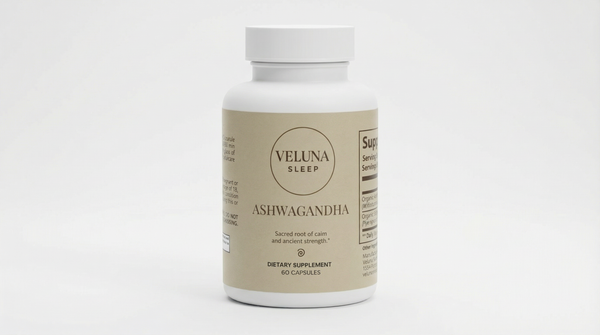
When seeking the best ashwagandha for sleep, the primary considerations revolve around the specific extract used and its concentration, alongside the overall quality and transparency of the supplement manufacturer. Different ashwagandha extracts are standardized to varying levels of withanolides, the active compounds believed to exert adaptogenic and sleep-promoting effects. The form of ashwagandha can also impact its bioavailability and efficacy, with root extracts generally favored for sleep support due to their higher concentration of beneficial compounds. Furthermore, understanding the research backing a particular extract's sleep benefits is crucial, as is ensuring the product is free from unnecessary fillers or contaminants.
Beyond the extract itself, the dosage plays a significant role. While research indicates benefits at various levels, finding a product that offers a therapeutically relevant dose, often between 300-600 mg of standardized extract, is key. Consumer reports and independent testing for purity and potency can provide valuable insights into a brand's reliability. For those concerned about specific health outcomes like reducing CRP levels or seeking benefits for testosterone or weight loss, the formulation and standardization of the ashwagandha extract may need to be more precisely aligned with the relevant scientific literature. Ultimately, the best ashwagandha for sleep is one that is well-researched, effectively standardized, and manufactured by a reputable company.
Not sure which is right for you?
Answer a few questions and we’ll match you to your personalized sleep ritual — in about 60 seconds.
Take the 60-Second Sleep Quiz →Quick Pick
For those prioritizing scientifically supported sleep benefits, Veluna Ashwagandha stands out. It features a high-quality, standardized ashwagandha root extract designed to promote relaxation and improve sleep quality, making it an excellent choice for individuals seeking natural sleep support.
How We Evaluated
- Extract Standardization: Prioritized products using well-researched, standardized extracts, particularly those focusing on withanolide content relevant to sleep.
- Dosage Appropriateness: Assessed whether the dosage aligns with clinical studies demonstrating efficacy for sleep and relaxation.
- Third-Party Testing: Favored brands that undergo independent laboratory testing for purity, potency, and absence of contaminants.
- Ingredient Transparency: Evaluated brands that clearly disclose the source and standardization of their ashwagandha extract.
- Formulation Quality: Considered supplements with minimal additives and fillers, focusing on the core ashwagandha extract.
- Research Backing: Gave preference to extracts and brands with published clinical trials supporting their use for sleep and stress reduction.
Top Picks
Veluna Ashwagandha
Veluna Ashwagandha utilizes a high-quality, standardized ashwagandha root extract, specifically formulated to support relaxation and improve sleep quality. This formulation is designed to harness the adaptogenic properties of ashwagandha, helping the body manage stress and promote a state conducive to restful sleep. It is ideal for individuals experiencing stress-related sleep disturbances or seeking a natural way to enhance their sleep cycle.
The product's efficacy is rooted in its careful selection of the ashwagandha root, which contains the highest concentration of beneficial withanolides. While specific standardization percentages are proprietary, the focus is on delivering a therapeutically relevant dose. Consumers should be aware that, like any supplement, individual responses can vary, and it is always advisable to consult with a healthcare professional before starting any new regimen, especially if you have pre-existing health conditions or are taking other medications.
KSM-66 Ashwagandha (General High-Quality Option)
KSM-66 is a proprietary, full-spectrum ashwagandha extract produced using a unique, environmentally friendly extraction process. It is known for its high concentration of withanolides and extensive clinical research, particularly concerning stress reduction and its positive impact on sleep quality. This extract is often considered superior to generic ashwagandha due to its consistent potency and documented benefits.
The typical effective dose for KSM-66 for sleep support ranges from 300 mg to 600 mg daily. It works by modulating the body's stress response system, specifically the hypothalamic-pituitary-adrenal (HPA) axis, which can lead to reduced cortisol levels and a calmer state of mind. KSM-66 is generally well-tolerated, but some individuals may experience mild digestive upset. It is a good choice for those seeking a well-researched and reliable ashwagandha extract for anxiety and sleep.
Shoden® Ashwagandha
Shoden® is a highly purified and concentrated ashwagandha extract standardized to a high percentage of withanolides (typically 35%). This extract has demonstrated significant efficacy in clinical trials for reducing stress and improving sleep quality. Its high concentration means a lower dose may be required to achieve therapeutic effects, making it a potent option.
The mechanism of action for Shoden® involves its potent ability to lower cortisol levels, which is often elevated in individuals with chronic stress and sleep disturbances. Studies suggest it can improve sleep efficiency and reduce the time it takes to fall asleep. Shoden® is generally considered safe, but potential side effects are rare and usually mild. It is particularly suited for individuals seeking a powerful, science-backed ashwagandha extract for significant sleep improvement.
Ashwagandha with Melatonin
Supplements combining ashwagandha with melatonin offer a dual-action approach to sleep support. Ashwagandha helps manage stress and anxiety, while melatonin, a hormone naturally produced by the body, signals to the brain that it's time to sleep. This combination can be particularly effective for individuals whose sleep issues are exacerbated by both stress and disrupted circadian rhythms.
The synergistic effect of ashwagandha and melatonin can lead to faster sleep onset and improved sleep duration. Dosing will vary depending on the specific product, but it's important to follow the manufacturer's recommendations. While generally safe, combining these ingredients might increase the risk of daytime drowsiness. It is advisable to start with a lower dose and monitor your body's response. This option is best for those looking for a comprehensive sleep aid that addresses both stress and sleep timing.
Ashwagandha Gummies
Ashwagandha gummies offer a convenient and palatable alternative for those who prefer not to swallow capsules or tablets. Many gummies feature KSM-66 or other standardized extracts, providing the benefits of ashwagandha in a more enjoyable format. They are often marketed for stress relief, relaxation, and improved sleep quality.
The effectiveness of ashwagandha gummies depends heavily on the quality and concentration of the ashwagandha extract used, as well as the total amount of extract per gummy. It's important to check the label for the specific extract and its standardization. The primary advantage is ease of consumption, making it easier to maintain consistent daily intake. Potential drawbacks include the addition of sugars or other sweeteners to improve taste, and the possibility that the ashwagandha content might be lower than in traditional forms. These are a good choice for those who struggle with capsule adherence and prioritize convenience.
Transparent Labs KSM-66 Ashwagandha
Transparent Labs KSM-66 Ashwagandha is a highly regarded supplement known for its commitment to purity and potency. It features 600 mg of KSM-66 ashwagandha root extract per serving, making it a robust option for stress management and sleep support. The brand emphasizes transparency in its manufacturing processes and ingredient sourcing.
This product is ideal for individuals seeking a high-dose, research-backed KSM-66 extract. The 600 mg dose is often cited in studies for its effectiveness in reducing anxiety and improving sleep. Its full-spectrum nature means it contains all the natural compounds found in the ashwagandha root, potentially offering broader benefits. Consumers can trust the brand's dedication to third-party testing for quality assurance. It's a strong contender for those who value ingredient integrity and proven efficacy in their supplements.
Buyer's Guide
Ashwagandha is generally considered safe for short-term use in most adults when taken appropriately. However, it is crucial to be aware of potential side effects and interactions. Common side effects, though infrequent, can include mild gastrointestinal upset, such as nausea, stomach discomfort, and diarrhea. Some individuals may also experience drowsiness, which can be beneficial for sleep but may impair activities requiring alertness. In rare cases, ashwagandha can cause a drop in blood pressure or blood sugar levels. For individuals with autoimmune conditions like rheumatoid arthritis, lupus, or Hashimoto's thyroiditis, ashwagandha may potentially exacerbate symptoms by stimulating the immune system, as indicated by general adaptogen research and cautionary notes from sources like the NIH Office of Dietary Supplements fact sheet.
Interactions with certain medications are also a consideration. Ashwagandha may interact with immunosuppressants, sedatives, thyroid medications, and medications for diabetes and high blood pressure. For instance, individuals taking SSRIs (Selective Serotonin Reuptake Inhibitors) should exercise caution, as ashwagandha's effects on neurotransmitters could potentially alter the efficacy or side effect profile of these antidepressants. A 2022 trial in Phytotherapy Research exploring ashwagandha's effects on anxiety and depression noted potential interactions with psychotropic medications. Similarly, if you have schizophrenia or are on antipsychotic medication, it is advisable to consult your healthcare provider, as ashwagandha might theoretically influence dopamine levels, though robust clinical data specifically for this population is limited. Furthermore, ashwagandha has been shown to potentially reduce C-reactive protein (CRP) levels, a marker of inflammation, as suggested by a 2020 review in the Journal of Ethnopharmacology, which could be relevant for individuals managing inflammatory conditions. It is always recommended to discuss ashwagandha use with a healthcare professional, especially if you have any underlying health conditions or are taking prescription medications. For more information on sleep hygiene and complementary approaches, consider exploring resources like Veluna's guide on sleep hygiene habits for better sleep.
Veluna's Recommendation
At Veluna Sleep, our focus is on providing evidence-based solutions that genuinely support restful nights. We understand that many individuals turn to natural supplements like ashwagandha to manage stress and improve sleep quality. Our Veluna Ashwagandha is crafted with this specific goal in mind, utilizing a carefully selected and standardized ashwagandha root extract known for its adaptogenic properties. This formulation is designed to help your body find a state of balance, reduce the impact of daily stressors, and promote the relaxation necessary for falling asleep and staying asleep.
We believe in transparency and quality, ensuring that our Veluna Ashwagandha provides a potent and effective dose without unnecessary additives. By focusing on the root extract, we aim to deliver the full spectrum of beneficial compounds that research has linked to improved sleep and reduced anxiety. If you are seeking a reliable, high-quality ashwagandha supplement to complement your sleep routine, we encourage you to explore our offering. Learn more and find your path to better sleep at Veluna Ashwagandha.
FAQ
Which form of ashwagandha is best for sleep?
The ashwagandha root extract is generally considered the most effective form for sleep support, as it contains the highest concentration of withanolides, the active compounds believed to promote relaxation and reduce stress. Extracts like KSM-66 and Shoden®, which are standardized for specific withanolide content, are often preferred due to their consistent potency and research backing. While gummies can be convenient, it's essential to verify the quality and concentration of the ashwagandha extract used in them.
Can ashwagandha reduce CRP?
Yes, some research suggests that ashwagandha may help reduce C-reactive protein (CRP) levels. CRP is a marker of inflammation in the body, and studies, such as one published in the Journal of Ethnopharmacology in 2020, have indicated that ashwagandha supplementation can lead to a reduction in CRP. This anti-inflammatory effect may contribute to its overall health benefits, including potentially improving sleep quality for those whose sleep is disrupted by inflammation.
Why be careful with ashwagandha?
Caution is advised with ashwagandha due to potential side effects and interactions. While generally safe, it can cause mild gastrointestinal upset, drowsiness, or, in rare cases, drops in blood pressure or blood sugar. It may also interact with certain medications, including immunosuppressants, sedatives, and thyroid medications. Individuals with autoimmune conditions should consult a healthcare provider, as ashwagandha might stimulate the immune system. Pregnant or breastfeeding women and individuals with schizophrenia or certain other psychiatric conditions should also exercise caution and seek medical advice before use.
Which is better, KSM-66 or normal ashwagandha?
KSM-66 is generally considered superior to generic or "normal" ashwagandha due to its proprietary extraction process, which results in a highly concentrated, full-spectrum extract standardized for withanolides. This standardization ensures consistent potency and has been the subject of extensive clinical research demonstrating benefits for stress, anxiety, and sleep. While regular ashwagandha root powder or extract can be beneficial, KSM-66 offers a more reliable and scientifically validated option for targeted effects.
Can I take ashwagandha with my SSRI?
You should exercise caution when taking ashwagandha with SSRIs (Selective Serotonin Reuptake Inhibitors). While ashwagandha is known for its adaptogenic and stress-reducing properties, its effects on neurotransmitters could potentially interact with SSRIs, which also affect serotonin levels. This interaction might alter the effectiveness of the SSRI or increase the risk of side effects. It is crucial to consult with your healthcare provider before combining ashwagandha with SSRIs to ensure safety and efficacy.
Can people with schizophrenia take ashwagandha?
There is limited robust clinical data specifically addressing the safety of ashwagandha for individuals with schizophrenia. Theoretically, ashwagandha might influence dopamine levels, and as some antipsychotic medications target dopamine, there could be a potential for interaction or exacerbation of symptoms. Therefore, individuals with schizophrenia or those taking antipsychotic medications should consult their psychiatrist or healthcare provider before considering ashwagandha supplementation.