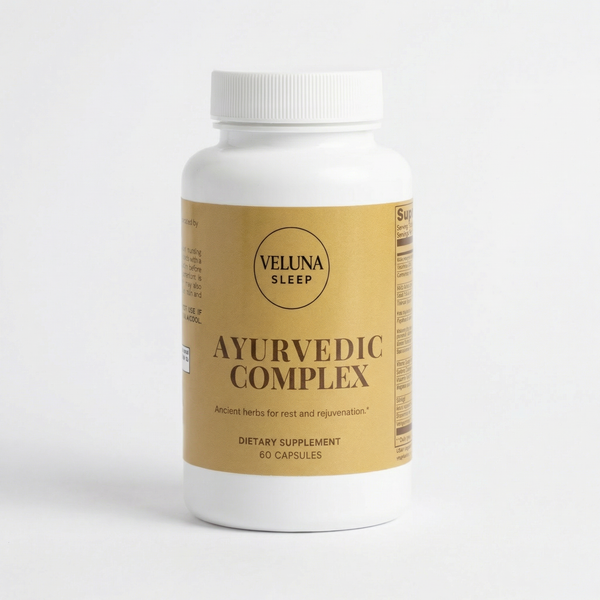
Navigating the landscape of sleep aids can be complex, especially when seeking alternatives to melatonin. While melatonin is a well-known sleep regulator, many individuals prefer or require melatonin-free options due to personal preferences, potential side effects, or specific health conditions. Fortunately, a growing body of scientific evidence supports the efficacy of various natural compounds and botanicals that can promote restful sleep without relying on exogenous melatonin.
This article delves into the science behind melatonin-free sleep supplements, exploring their mechanisms of action and the research that underpins their use. We will examine ingredients that have demonstrated a capacity to support sleep onset, improve sleep quality, and foster a sense of relaxation, providing a comprehensive guide for those seeking effective, non-melatonin-based sleep support. Our aim is to offer a clear, evidence-based perspective on how these supplements can contribute to better sleep hygiene and overall well-being.
The Science of Sleep Regulation Beyond Melatonin
Sleep is a multifaceted biological process regulated by complex circadian rhythms and homeostatic sleep drives. While melatonin is a crucial hormone in this process, primarily signaling darkness and facilitating sleep onset, its role is not the sole determinant of sleep. Other neurotransmitters, hormones, and physiological pathways are intrinsically involved in promoting relaxation, reducing arousal, and maintaining sleep continuity. Understanding these alternative pathways is key to identifying effective melatonin-free sleep aids.
For instance, the gamma-aminobutyric acid (GABA) system plays a significant role in inhibiting neuronal activity, leading to a calming effect that is conducive to sleep. Similarly, the regulation of stress hormones like cortisol and the influence of inflammatory markers can profoundly impact sleep quality. By targeting these diverse physiological mechanisms, melatonin-free supplements can offer a comprehensive approach to sleep support.
Magnesium Glycinate: A Cornerstone for Relaxation and Sleep
Magnesium is an essential mineral involved in over 300 biochemical reactions in the body, including those critical for muscle and nerve function, energy production, and neurotransmitter regulation. Its role in sleep is multifaceted. Magnesium helps to regulate neurotransmitters that are crucial for sleep, such as GABA, which has a calming effect on the brain. It also plays a role in the regulation of the hypothalamic-pituitary-adrenal (HPA) axis, which controls the body's stress response, and adequate magnesium levels can help to reduce nighttime awakenings.
Among the various forms of magnesium, magnesium glycinate is often recommended for sleep support due to its high bioavailability and gentle nature on the digestive system. Glycine, an amino acid bound to magnesium in this form, also possesses calming properties and has been shown to improve sleep quality and reduce core body temperature, which is a key factor in sleep initiation. A 2022 trial published in Nutrients highlighted that magnesium supplementation improved subjective sleep quality, sleep efficiency, and sleep duration, particularly in older adults experiencing insomnia. The recommended dosage for sleep support typically ranges from 200-400 mg of elemental magnesium, taken approximately one hour before bedtime.
Research discussed here relates to individual ingredients and does not establish that the finished Veluna product has been clinically studied or will produce the same results.
L-Theanine: The Amino Acid for Calm Focus
L-theanine is an amino acid found primarily in tea leaves, particularly green tea. It is renowned for its ability to promote relaxation and reduce stress without causing drowsiness. L-theanine crosses the blood-brain barrier and has been shown to increase alpha brain wave activity, which is associated with a state of relaxed alertness. This effect can be beneficial for individuals who find their minds racing at bedtime, making it difficult to fall asleep.
Research suggests that L-theanine can also modulate other neurotransmitters, including GABA, serotonin, and dopamine, which are all implicated in mood regulation and sleep. A systematic review and meta-analysis in Nutritional Neuroscience (2019) indicated that L-theanine supplementation significantly improved sleep quality and reduced psychological stress. It's often considered an excellent option for those who experience anxiety-related sleep disturbances or need to unwind after a demanding day. Doses typically range from 100-400 mg per day, with many finding benefits from a single dose taken before bed.
Valerian Root: A Traditional Herb for Sleep Onset
Valerian root (Valeriana officinalis) is one of the most widely used herbal remedies for sleep disorders, with a history of use spanning centuries. Its sleep-promoting properties are attributed to several active compounds, including valerenic acid, which is believed to interact with GABA receptors in the brain. By enhancing the effects of GABA, valerian root can help to reduce the time it takes to fall asleep and improve the overall quality of sleep.
Clinical studies have provided support for valerian's efficacy. A 2020 review in the Journal of Ethnopharmacology summarized findings from multiple trials, suggesting that valerian extract can be beneficial for mild to moderate insomnia. It's important to note that valerian may take some time to exert its full effects, with consistent use over several weeks often yielding the best results. Typical dosages for sleep support range from 300-600 mg of valerian root extract, taken about an hour before bed. Due to its potent nature, some individuals may experience mild side effects such as headache or dizziness.
Chamomile and Passionflower: Gentle Calming Botanicals
Chamomile (Matricaria chamomilla) and passionflower (Passiflora incarnata) are two other well-regarded botanical ingredients known for their calming and anxiolytic properties, making them valuable in melatonin-free sleep formulations. Chamomile contains apigenin, an antioxidant that binds to specific receptors in the brain, which may decrease anxiety and initiate sleep. Passionflower, on the other hand, is thought to work by increasing GABA levels in the brain, similar to valerian root, thus promoting relaxation and reducing nervousness.
These herbs are often combined in sleep supplements to create a synergistic effect. A study published in the Journal of Alternative and Complementary Medicine found that passionflower extract significantly improved subjective sleep quality and reduced anxiety symptoms in participants. Chamomile has also been associated with improved sleep quality and reduced insomnia symptoms, particularly in postpartum women, as noted in a study in the Journal of Advanced Nursing. These botanicals are generally considered safe and well-tolerated, making them suitable for individuals seeking gentle, natural sleep support. They are commonly found in teas, tinctures, and gummies.
Ashwagandha: Stress Resilience for Better Sleep
Ashwagandha (Withania somnifera) is an adaptogenic herb that has gained significant attention for its ability to help the body manage stress. By modulating the HPA axis and reducing cortisol levels, ashwagandha can alleviate the physiological and psychological symptoms of chronic stress, which are often significant contributors to sleep disturbances. When stress is reduced, the body is better able to enter a state of relaxation conducive to sleep.
Research supports ashwagandha's role in improving sleep. A randomized, double-blind, placebo-controlled trial in the Cureus journal (2019) found that participants taking ashwagandha root extract experienced significant improvements in sleep onset, duration, and quality compared to the placebo group. It was particularly effective in improving sleep in individuals experiencing chronic stress and anxiety. Standardized extracts are typically used, with dosages ranging from 250-500 mg per day, often taken in the evening to promote sleep.
Tart Cherry Juice: A Natural Source of Sleep-Promoting Compounds
Tart cherry juice, particularly from Montmorency cherries, has emerged as a notable natural sleep aid. This is primarily due to its rich content of naturally occurring melatonin and also its anti-inflammatory and antioxidant properties. While this article focuses on melatonin-free supplements, tart cherry juice's unique composition offers a different angle on sleep support by providing both endogenous melatonin precursors and other beneficial compounds.
Studies have demonstrated the efficacy of tart cherry juice in improving sleep. A randomized controlled trial published in the European Journal of Nutrition found that daily consumption of tart cherry juice significantly increased sleep time and sleep efficiency. The anti-inflammatory effects of tart cherries may also play a role, as inflammation can disrupt sleep. For those seeking to minimize exogenous melatonin but still harness natural sleep regulators, tart cherry juice can be an appealing option, with typical recommended servings of around 8-12 ounces of juice per day.
Addressing Specific Sleep Challenges with Melatonin-Free Options
The choice of sleep aid can depend on individual circumstances and specific sleep challenges. For those on beta-blockers, which can sometimes interfere with sleep by affecting melatonin production, non-hormonal supplements like magnesium, L-theanine, or calming herbs may be preferable. These work on different pathways to promote relaxation and sleep without interacting with cardiovascular medications.
Individuals with sleep apnea should consult a healthcare professional before taking any sleep aid. While some supplements might help with sleep quality, they do not treat the underlying breathing disorder. For dementia patients, the "Japanese trick" to sleep, which often involves establishing a consistent sleep-wake cycle and creating a calming bedtime routine, can be beneficial, but any supplement use should be carefully managed by a physician due to potential cognitive and physiological sensitivities. Many melatonin-free sleep supplements, such as those containing magnesium or L-theanine, are generally considered safer for this population, but always under medical supervision.
Frequently Asked Questions About Melatonin-Free Sleep Supplements
What is the best non-melatonin sleep supplement?
The "best" non-melatonin sleep supplement is highly individual and depends on the specific sleep issue. However, magnesium glycinate is often considered a top choice due to its role in relaxation and neurotransmitter regulation. L-theanine is excellent for calming a racing mind, while valerian root and passionflower are effective for promoting sleep onset. Many find a combination of these ingredients to be most effective.
What can I take to help me sleep while on beta blockers?
If you are taking beta blockers, it's crucial to consult your doctor before trying any new sleep supplement, as interactions are possible. Generally, non-hormonal supplements that focus on relaxation and stress reduction are often considered. Magnesium glycinate and L-theanine are good candidates as they do not directly impact hormone levels and can help calm the nervous system without interfering with your cardiovascular medication's intended effects.
Should I take a sleep aid if I have sleep apnea?
If you have sleep apnea, you should **not** take a sleep aid without consulting your healthcare provider. Sleep apnea is a serious medical condition that requires proper diagnosis and treatment, typically with continuous positive airway pressure (CPAP) therapy. While some supplements might help with mild sleep onset issues, they do not address the dangerous breathing interruptions characteristic of sleep apnea and could potentially mask symptoms or interfere with treatment.
What is the best sleep aid for dementia patients?
For dementia patients, the approach to sleep aids should be extremely cautious and always under the guidance of a medical professional. Non-pharmacological interventions, such as establishing a consistent sleep-wake schedule, ensuring a dark and quiet sleep environment, and promoting daytime physical activity, are often the first line of defense. If medication is considered, it will be carefully selected by a doctor, with some melatonin-free options like specific forms of magnesium or light-activated therapies potentially being explored, but always with a thorough risk-benefit analysis.
What helps you sleep instead of melatonin?
Numerous options can help you sleep instead of melatonin. These include supplements like magnesium glycinate, L-theanine, valerian root, passionflower, chamomile, and ashwagandha. Lifestyle changes such as maintaining a consistent sleep schedule, creating a relaxing bedtime routine, ensuring a dark and cool sleep environment, and engaging in regular exercise (but not too close to bedtime) are also highly effective.
What is the Japanese trick to sleep?
While there isn't one single "Japanese trick" universally recognized, Japanese sleep culture often emphasizes practices that promote deep relaxation and efficient sleep. This can include the use of specific pillows designed for comfort and neck support, the practice of Shinrin-yoku (forest bathing) to reduce stress, and the adherence to strict napping schedules during the workday in some professions. A core principle is the cultivation of a calm and disciplined approach to sleep, focusing on environmental factors and mental quietude rather than solely on supplements.
Exploring melatonin-free sleep supplements offers a nuanced approach to achieving restful sleep. Ingredients like magnesium glycinate, L-theanine, valerian root, passionflower, chamomile, and ashwagandha have demonstrated efficacy through various physiological pathways, supporting relaxation and sleep onset without the use of melatonin. For personalized sleep support, consider our Veluna Sleep Formula, which combines several of these evidence-backed ingredients. For targeted magnesium support, explore our Magnesium Glycinate. To build a comprehensive sleep strategy, visit our sleep hygiene hub.
Recommended Veluna products for this topic:
- Veluna Sleep Strips — fast-dissolve melatonin strips.