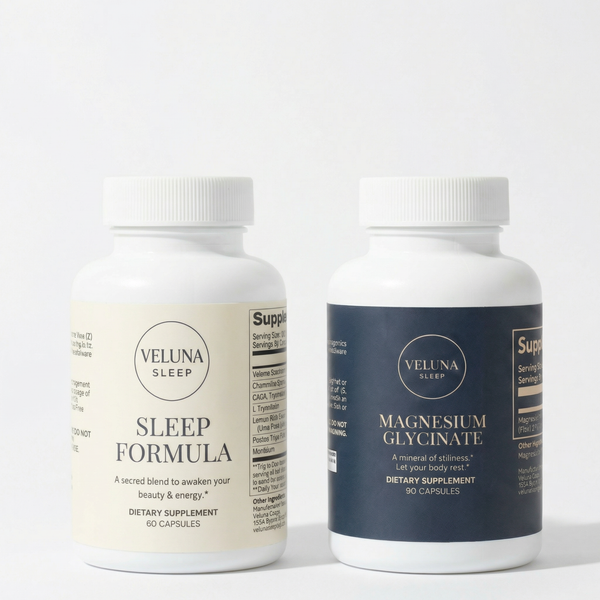
Many individuals seek alternatives to melatonin for a variety of reasons. Some may find melatonin ineffective for their specific sleep challenges, while others may experience unwanted side effects or wish to explore more holistic approaches to sleep regulation. This search often stems from a desire for solutions that align with personal health philosophies, address underlying causes of sleep disruption, or simply offer a different mechanism of action than exogenous melatonin.
The decision to look for alternatives can also be driven by specific life stages or health conditions. For instance, parents may seek safer options for children, or individuals with certain medical conditions might need to avoid melatonin due to potential interactions or contraindications. Understanding the diverse landscape of sleep support beyond melatonin is crucial for informed decision-making and achieving restful sleep.
Why People Seek Alternatives
A primary driver for seeking alternatives to melatonin is the potential for side effects. While often perceived as benign, exogenous melatonin can lead to daytime grogginess, headaches, dizziness, and nausea in some individuals. These effects can be particularly problematic for those who need to be alert and functional during the day. Furthermore, the quality and purity of over-the-counter melatonin supplements can vary significantly, leading to inconsistent effects and potential exposure to contaminants, as noted in reviews of dietary supplement regulation.
Concerns about tolerance and dependency, though less common with melatonin than with prescription sleep medications, also contribute to the search for alternatives. Some users report a diminished effectiveness over time, leading them to question whether their bodies are becoming accustomed to the supplement. While melatonin is not considered addictive in the same way as benzodiazepines, the psychological reliance on any sleep aid can be a factor. For individuals aiming for long-term, sustainable sleep improvement, exploring non-pharmacological or gentler pharmacological options becomes appealing.
Access and regulatory concerns can also prompt individuals to look for melatonin alternatives. In some regions, melatonin is regulated as a dietary supplement, meaning it does not undergo the same rigorous testing for safety and efficacy as prescription drugs. This can lead to a lack of standardization in dosage and purity. Additionally, specific health conditions, such as autoimmune disorders or those being treated with certain medications, may warrant caution or avoidance of melatonin. For example, while direct contraindications are rare, individuals with Sjögren's syndrome might be advised to consult their physician due to the potential for immune system modulation by melatonin, though robust evidence specifically linking melatonin to exacerbating Sjögren's symptoms is limited.
The desire for a more natural approach to sleep is another significant factor. Many individuals are interested in harnessing the body's own sleep-regulating mechanisms rather than introducing an external hormone. This often leads them to explore herbal remedies, dietary adjustments, and lifestyle changes that support the natural circadian rhythm. The search for the "best substitute for melatonin" frequently leads to inquiries about these natural pathways, seeking to address the root causes of sleep disturbances rather than just masking symptoms.
Evidence-Based Natural Alternatives
L-Theanine
Mechanism: L-theanine is an amino acid found primarily in tea leaves (Camellia sinensis). It is believed to promote relaxation by increasing alpha brain wave activity, which is associated with a state of wakeful calm. It may also influence neurotransmitters like GABA, serotonin, and dopamine, which play roles in mood and sleep regulation.
Dose: Typically ranges from 100-400 mg per day, often taken 30-60 minutes before bedtime.
Evidence: Several studies suggest L-theanine can improve sleep quality and reduce anxiety without causing drowsiness. A 2025 systematic review and meta-analysis in Sleep Medicine Reviews pooled randomised trials of L-theanine and sleep outcomes [1]. Note the correction to what is often repeated online: the meta-analysis is recent and appeared in Sleep Medicine Reviews, not in Nutrients in 2019.
Limitations: While generally well-tolerated, some individuals may experience mild gastrointestinal upset. Its effectiveness can vary, and it may not be potent enough for severe insomnia.
Magnesium
Mechanism: Magnesium is an essential mineral involved in over 300 biochemical reactions in the body, including those related to neurotransmitter function and the regulation of the sleep-wake cycle. It is thought to help calm the nervous system by binding to GABA receptors and may play a role in regulating melatonin production.
Dose: Recommended daily intake varies, but for sleep support, doses often range from 200-400 mg of elemental magnesium, typically taken in the evening. Forms like magnesium glycinate or citrate are often preferred for bioavailability and reduced laxative effects.
Evidence: Research suggests that magnesium supplementation may improve subjective sleep quality, reduce sleep onset latency, and decrease nighttime awakenings, particularly in older adults or those with magnesium deficiency. A double-blind, placebo-controlled trial in the Journal of Research in Medical Sciences found that magnesium supplementation improved insomnia measures in elderly participants [2]. A later systematic review of magnesium for insomnia in older adults was more cautious, judging the overall evidence limited [3], so treat magnesium as worth trying rather than established.
Limitations: High doses can cause diarrhea. Individuals with kidney disease should consult a doctor before taking magnesium supplements. Its impact is often more pronounced in individuals with a deficiency.
Valerian Root
Mechanism: Valerian (Valeriana officinalis) is a perennial flowering plant whose root has been used as a herbal remedy for centuries. The exact mechanism is not fully understood, but it is thought to interact with GABA receptors in the brain, similar to some anti-anxiety medications, thereby promoting relaxation and reducing the time it takes to fall asleep.
Dose: Doses typically range from 300-600 mg of valerian root extract, usually taken 30 minutes to 2 hours before bedtime. It is available in capsules, tinctures, and teas.
Evidence: Studies on valerian root have yielded mixed results, but some indicate it can modestly improve sleep quality and reduce sleep latency. A systematic review and meta-analysis in the American Journal of Medicine concluded that valerian might improve sleep quality but that the available evidence was limited by methodological problems in the trials [4].
Limitations: It can take several weeks of consistent use for some individuals to notice benefits. Side effects can include headache, dizziness, and gastrointestinal upset. It is generally not recommended for pregnant or breastfeeding women or children.
Tart Cherry Juice
Mechanism: Tart cherries (Prunus cerasus) are a natural source of melatonin, as well as other beneficial compounds like anthocyanins, which have antioxidant and anti-inflammatory properties. Consuming tart cherry juice is thought to increase the availability of melatonin in the body, supporting the natural sleep-wake cycle.
Dose: Typically, about 8-12 ounces of tart cherry juice are consumed daily, often in two divided doses, with one dose taken before bed.
Evidence: Several studies have shown that tart cherry juice can improve sleep duration and quality. A randomised, double-blind, placebo-controlled crossover trial in the European Journal of Nutrition found that tart cherry juice concentrate raised urinary melatonin and improved sleep time and sleep efficiency in healthy adults [5].
Limitations: Tart cherry juice can be high in sugar, which may be a concern for some individuals. The effect size is generally considered moderate, and it may not be sufficient for severe insomnia.
Chamomile
Mechanism: Chamomile (Matricaria chamomilla) is a daisy-like herb known for its calming properties. It contains an antioxidant called apigenin, which may bind to certain receptors in the brain that decrease anxiety and initiate sleep. It is commonly consumed as a tea.
Dose: Typically, 1-4 grams of dried chamomile flowers brewed into a tea, or equivalent in extract form, taken before bedtime.
Evidence: While often used anecdotally for sleep, the scientific evidence supporting chamomile's direct impact on insomnia is limited. Some studies suggest it can have mild sedative effects and reduce anxiety, which may indirectly improve sleep. A randomised controlled trial in the Journal of Advanced Nursing found that drinking chamomile tea improved sleep quality in postnatal women with poor sleep, though the benefit did not persist at four-week follow-up [6].
Limitations: The effects are generally mild, and it may not be effective for significant sleep disturbances. Allergic reactions are possible, especially in individuals sensitive to ragweed or related plants.
Glycine
Mechanism: Glycine is an amino acid that functions as a neurotransmitter in the central nervous system. It is thought to improve sleep by lowering core body temperature and by acting on glycine receptors in the brainstem, which may promote non-REM sleep. It may also indirectly influence melatonin pathways.
Dose: Studies have used doses ranging from 3 grams to 6 grams taken before bedtime.
Evidence: Research suggests that glycine can improve subjective sleep quality and reduce daytime sleepiness. A trial in Frontiers in Neurology gave 3 grams of glycine before bed to partially sleep-restricted volunteers and reported reduced daytime sleepiness and fatigue [7]. The often-quoted 2007 result on sleep onset appeared in a journal that is not indexed in PubMed, so it cannot be verified here and is not relied on in participants with self-reported poor sleep.
Limitations: Some individuals may experience mild gastrointestinal side effects. More large-scale studies are needed to confirm its efficacy across diverse populations and for various sleep disorders.
When to See a Doctor
While exploring natural alternatives is a sensible approach to sleep support, it is crucial to recognize when professional medical advice is necessary. Persistent insomnia that interferes with daily functioning, or a sudden onset of sleep difficulties, warrants a consultation with a healthcare provider. These symptoms could indicate an underlying medical condition such as sleep apnea, restless legs syndrome, chronic pain, or a mental health disorder like depression or anxiety, which require specific diagnosis and treatment.
Furthermore, if you are experiencing any of the following red flags, seeking medical attention is paramount: severe daytime sleepiness that leads to accidents or impaired judgment, unexplained snoring or pauses in breathing during sleep, significant mood changes, or if your sleep issues are accompanied by other concerning physical symptoms. It is also advisable to consult a doctor before starting any new supplement, especially if you have pre-existing health conditions, are pregnant or breastfeeding, or are taking other medications, to ensure safety and avoid potential interactions. This includes discussing the use of any sleep aid, including those considered natural, to rule out contraindications, such as potential interactions with medications for conditions like Sjögren's syndrome if you have been diagnosed with it.
What the Research Says
The scientific literature on sleep aids, both prescription and over-the-counter, is extensive and continually evolving. For melatonin, research has established its role in circadian rhythm regulation, particularly for jet lag and shift work disorder. However, its effectiveness for chronic insomnia in the general population is debated, with meta-analyses often showing a small to moderate effect size and highlighting the need for more rigorous, placebo-controlled trials. The National Institutes of Health (NIH) Office of Dietary Supplements fact sheet for melatonin, for instance, outlines its uses and the current state of evidence.
Regarding natural alternatives, a growing body of evidence supports the efficacy of certain compounds. For example, systematic reviews and meta-analyses have explored the benefits of L-theanine for sleep quality and anxiety reduction. Similarly, magnesium's role in sleep has been investigated, with some studies suggesting its utility in improving subjective sleep measures, especially in deficient individuals. The American Academy of Sleep Medicine (AASM) guidelines, while primarily focused on behavioral and pharmacological treatments for insomnia, acknowledge the interest in complementary and alternative medicine, though they often call for more robust evidence before making strong recommendations.
The research landscape also addresses the safety of various sleep aids. For instance, antihistamines like diphenhydramine and doxylamine succinate, commonly found in over-the-counter sleep aids, are effective sedatives but are associated with anticholinergic side effects, particularly in older adults, and can lead to daytime grogginess. The long-term safety and efficacy of frequent use of these agents are also subjects of ongoing research. This underscores the importance of consulting evidence-based resources and healthcare professionals when choosing a sleep aid. While direct research on melatonin causing elevated ALT levels is not a prominent finding in major sleep literature, any supplement impacting liver function should be approached with caution and physician consultation.
Veluna's Approach
At Veluna Sleep, our formulation philosophy is rooted in a deep understanding of sleep science and a commitment to evidence-based, gentle, and effective sleep support. We recognize that many individuals seek alternatives to traditional sleep aids due to concerns about side effects, dependency, and the desire for a more natural approach. Our focus is on creating products that work harmoniously with the body's natural sleep processes, promoting relaxation and facilitating a smoother transition to sleep without the common drawbacks associated with some other options.
Our Veluna Sleep Strips are designed with this philosophy in mind, incorporating a carefully selected blend of ingredients known for their sleep-supporting properties, aiming to provide a synergistic effect. We prioritize purity, potency, and bioavailability to ensure a reliable and effective sleep experience. For those interested in enhancing their sleep hygiene alongside their supplement regimen, we also offer resources on our journal, such as effective sleep hygiene habits, to promote comprehensive sleep wellness. If you are looking for a Veluna option that contains no melatonin at all, the Ayurvedic Complex is the melatonin-free evening formula, and Magnesium Glycinate covers the mineral discussed above.
References
- Bulman A, D'Cunha NM, Marx W, et al. The effects of L-theanine consumption on sleep outcomes: A systematic review and meta-analysis. Sleep Med Rev. 2025;81:102076. PMID: 40056718
- Abbasi B, Kimiagar M, Sadeghniiat K, Shirazi MM, Hedayati M, Rashidkhani B. The effect of magnesium supplementation on primary insomnia in elderly: A double-blind placebo-controlled clinical trial. J Res Med Sci. 2012;17(12):1161-1169. PMID: 23853635
- Mah J, Pitre T. Oral magnesium supplementation for insomnia in older adults: a Systematic Review & Meta-Analysis. BMC Complement Med Ther. 2021;21(1):125. PMID: 33865376
- Bent S, Padula A, Moore D, Patterson M, Mehling W. Valerian for sleep: a systematic review and meta-analysis. Am J Med. 2006;119(12):1005-1012. PMID: 17145239
- Howatson G, Bell PG, Tallent J, Middleton B, McHugh MP, Ellis J. Effect of tart cherry juice (Prunus cerasus) on melatonin levels and enhanced sleep quality. Eur J Nutr. 2012;51(8):909-916. PMID: 22038497
- Chang SM, Chen CH. Effects of an intervention with drinking chamomile tea on sleep quality and depression in sleep disturbed postnatal women: a randomized controlled trial. J Adv Nurs. 2016;72(2):306-315. PMID: 26483209
- Bannai M, Kawai N, Ono K, Nakahara K, Murakami N. The effects of glycine on subjective daytime performance in partially sleep-restricted healthy volunteers. Front Neurol. 2012;3:61. PMID: 22529837
- Trauer JM, Qian MY, Doyle JS, Rajaratnam SMW, Cunnington D. Cognitive Behavioral Therapy for Chronic Insomnia: A Systematic Review and Meta-analysis. Ann Intern Med. 2015;163(3):191-204. PMID: 26054060
FAQ
What is the best substitute for melatonin?
The "best" substitute for melatonin is highly individual and depends on the specific sleep issue and personal response. However, based on current research, evidence-based natural alternatives that are frequently considered include L-theanine for relaxation, magnesium for nervous system calming, valerian root for mild insomnia, and tart cherry juice for its natural melatonin content. Glycine has also shown promise in improving sleep quality. It is recommended to consult with a healthcare professional to determine the most suitable option for your needs.
Why don't doctors recommend melatonin?
Doctors may not always recommend melatonin as a first-line treatment for insomnia for several reasons. Firstly, its efficacy for chronic insomnia in the general population is often considered modest compared to behavioral therapies or prescription medications, with varying results in studies. Secondly, the quality and standardization of over-the-counter melatonin supplements can be inconsistent, leading to unpredictable effects and potential for contamination. Cognitive behavioural therapy for insomnia (CBT-I) is the recommended first-line treatment for chronic insomnia, and a meta-analysis found it improved sleep onset latency, wake after sleep onset and sleep efficiency in adults with chronic insomnia [8]. They may also be concerned about potential side effects, though generally mild, and the lack of long-term studies on high-dose or prolonged use. However, many physicians do recommend melatonin for specific conditions like jet lag or shift work disorder, or for short-term use when appropriate.
How to sleep naturally without melatonin?
Sleeping naturally without melatonin involves implementing a comprehensive approach to sleep hygiene and lifestyle adjustments. Key strategies include establishing a consistent sleep schedule, creating a relaxing bedtime routine, optimizing your sleep environment (dark, quiet, cool), avoiding caffeine and alcohol before bed, limiting screen time in the hours leading up to sleep, and engaging in regular physical activity. Mindfulness, meditation, and deep breathing exercises can also help calm the mind. Dietary adjustments, such as ensuring adequate intake of magnesium and B vitamins, and consuming natural sleep aids like chamomile tea or tart cherry juice, can also be beneficial. For persistent issues, cognitive behavioral therapy for insomnia (CBT-I) is a highly effective non-pharmacological treatment.
Why don't doctors recommend melatonin?
As previously mentioned, doctors may refrain from recommending melatonin as a primary solution for chronic insomnia due to its variable efficacy in the general population, concerns about supplement quality and standardization, and the availability of more robustly supported treatments like CBT-I. While melatonin can be effective for specific circadian rhythm disorders (e.g., jet lag, shift work), its role in treating long-term, idiopathic insomnia is less clearly defined in clinical guidelines compared to other interventions. Doctors often prefer to address the underlying causes of sleep disturbances, which may include medical conditions or psychological factors, rather than solely relying on a hormonal supplement.