Key Takeaways
✓ Ashwagandha may improve sleep quality and reduce stress, making it suitable for those with anxiety-related sleep issues (Baker, 2022).
✓ Melatonin can help regulate the sleep-wake cycle, particularly useful for jet lag or shift work (Zisapel, 2018).
✓ Understanding the root cause of your sleep issues is crucial in determining whether ashwagandha or melatonin, or potentially both, is the right choice for you.
Ashwagandha or Melatonin: Which Sleep Supplement Is Right for You?
Struggling with sleep is a common experience. You might find yourself staring at the ceiling, mind racing, night after night. When sleeplessness becomes a pattern, many people turn to natural sleep aids. Two popular options are ashwagandha and melatonin. But with so many choices, how do you know which supplement is right for you? Understanding the differences between ashwagandha and melatonin — their mechanisms, benefits, and potential side effects — can help you make an informed decision to improve your sleep.
Melatonin and ashwagandha address sleep from different angles. Melatonin directly influences your sleep-wake cycle, while ashwagandha helps manage stress and anxiety that can interfere with sleep. Both have research backing their effectiveness, but they're not interchangeable. This article provides a detailed comparison of ashwagandha and melatonin, exploring their unique properties and how they can impact your sleep. By the end, you'll have a clearer understanding of which supplement might be the better fit for your individual sleep needs. For more guidance, see this complete guide on how to choose the right sleep supplement.
Head-to-Head: Ashwagandha vs. Melatonin
Before diving into the details of each supplement, here's a quick comparison to highlight their key differences:
| Factor | Ashwagandha | Melatonin |
|---|---|---|
| Mechanism | Adaptogen that reduces stress and anxiety; may indirectly improve sleep quality. | Hormone that regulates the sleep-wake cycle; directly promotes sleepiness. |
| Best fit | Individuals with stress or anxiety-related sleep problems. | Individuals with circadian rhythm disorders, jet lag, or difficulty falling asleep. |
| Typical dosage | 300-500 mg of root extract daily. | 0.5-5 mg, taken 30-60 minutes before bedtime. |
| Main caution | May interact with certain medications; some people experience digestive upset. | May cause daytime drowsiness; can interact with certain medications. |
The Benefits of Ashwagandha for Sleep
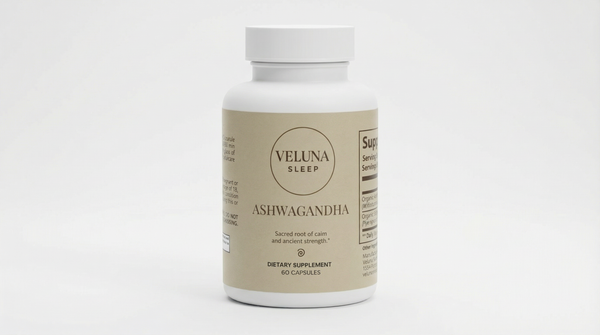
Ashwagandha (Withania somnifera) is an adaptogenic herb that has been used in traditional Ayurvedic medicine for centuries. Adaptogens are natural substances believed to help the body resist stressors of all kinds. Research suggests that ashwagandha may improve sleep by reducing stress and anxiety [1, 3]. It is available as Veluna Ashwagandha.
How Ashwagandha Works: Unlike melatonin, which directly influences your sleep-wake cycle, ashwagandha works indirectly by modulating the body's stress response. It is thought to influence the hypothalamic-pituitary-adrenal (HPA) axis, which plays a central role in managing stress. By helping to regulate cortisol levels — the body's primary stress hormone — ashwagandha can promote a sense of calm and relaxation [4]. This calming effect can, in turn, lead to improved sleep quality.
Research-Backed Benefits: Several studies have investigated the effects of ashwagandha on sleep. A systematic review and meta-analysis published in PLoS One found that ashwagandha extract significantly improved sleep quality [1]. This review analyzed multiple studies and concluded that ashwagandha had a beneficial effect on various sleep parameters. Another study in the Journal of Ethnopharmacology showed that ashwagandha root extract improved sleep in both healthy volunteers and patients with insomnia (Langade, 2021). College students reported that ashwagandha improved their perceived stress, sleep quality, energy, and mental clarity (Baker, 2022). These findings suggest that ashwagandha can be a valuable tool for improving sleep, especially when stress is a contributing factor.
Research discussed here relates to individual ingredients and does not establish that the finished Veluna product has been clinically studied or will produce the same results.
Who Might Benefit: Ashwagandha may be particularly beneficial if you struggle with sleep due to stress, anxiety, or an overactive mind. If you often find yourself lying awake at night worrying, ashwagandha could help calm your mind and promote relaxation. It is also potentially helpful for individuals experiencing fatigue, as it may improve energy levels and mental clarity. Consider pairing it with magnesium glycinate for enhanced relaxation and sleep support. For more information, see this comparison of ashwagandha vs magnesium glycinate for sleep.
Dosage and Timing: The typical dosage of ashwagandha root extract ranges from 300 to 500 mg daily. It's generally recommended to take it in the evening, about one to two hours before bedtime. Some people prefer to split the dose, taking half in the morning and half in the evening. It may take several weeks to experience the full benefits of ashwagandha, so consistency is key.
Potential Side Effects: Ashwagandha is generally considered safe for most people, but some may experience mild side effects such as digestive upset, headache, or drowsiness. In rare cases, it may cause thyroid issues. It's important to talk to your doctor before taking ashwagandha, especially if you have any underlying health conditions, are pregnant or breastfeeding, or are taking medications. Ashwagandha may interact with certain medications, such as immunosuppressants and sedatives. If you experience any adverse effects, discontinue use and consult with your healthcare provider.
The Role of Melatonin in Sleep Regulation
Melatonin is a hormone naturally produced by the pineal gland in your brain. It plays a crucial role in regulating your sleep-wake cycle, also known as your circadian rhythm. Melatonin production increases in the evening as darkness approaches, signaling to your body that it's time to sleep. Exposure to light, especially blue light from electronic devices, can suppress melatonin production, making it harder to fall asleep.
How Melatonin Works: Melatonin works by binding to melatonin receptors in the brain, which helps to promote sleepiness and regulate the timing of sleep [5]. It doesn't act as a sedative but rather helps to synchronize your internal clock with the external environment. This makes it particularly useful for addressing sleep issues related to circadian rhythm disruptions. Melatonin supplements mimic the action of the naturally produced hormone, helping to initiate and maintain sleep.
Research-Backed Benefits: Melatonin has been extensively studied for its effects on sleep. Research indicates that melatonin supplementation can improve sleep onset latency (the time it takes to fall asleep) and increase total sleep time [8, 10]. It is commonly used to treat jet lag, shift work sleep disorder, and delayed sleep phase syndrome. A review in the European Journal of Pediatrics offered guidance on melatonin use in children experiencing sleep-onset insomnia (Bruni, 2024). Melatonin may also be beneficial for individuals with Alzheimer's disease experiencing sleep disturbances (Prodhan, 2021). Furthermore, some research suggests that melatonin may play a role in supporting immune function and reducing inflammation, though more studies are needed to confirm these effects (Gasmi, 2024).
Who Might Benefit: Melatonin may be a good option if you have difficulty falling asleep, experience jet lag, or work irregular hours. It can help to reset your sleep-wake cycle and make it easier to fall asleep at a consistent time each night. It is particularly effective for those whose sleep patterns are disrupted by travel or shift work. For athletes struggling with sleep, melatonin may be a useful tool, as discussed in this article on best sleep supplements for athletes.
Dosage and Timing: The typical dosage of melatonin ranges from 0.5 to 5 mg, taken 30 to 60 minutes before bedtime. It's best to start with a low dose and gradually increase it if needed. Some people are more sensitive to melatonin than others, so it's important to find the dose that works best for you. You can also find melatonin in Veluna Sleep Formula, which combines melatonin with other sleep-supporting ingredients.
Potential Side Effects: Melatonin is generally considered safe for short-term use, but some people may experience side effects such as daytime drowsiness, headache, dizziness, or nausea. It's also important to be aware that melatonin can interact with certain medications, such as blood thinners and antidepressants. Consult your doctor before taking melatonin, especially if you are taking other medications. Long-term use of melatonin is not well-studied, so it's best to use it as needed for short periods.
Take our 60-second quiz to discover the science-backed sleep solution matched to your unique needs.
Take the QuizAshwagandha vs. Melatonin: Which Is Right for You?
Choosing between ashwagandha and melatonin depends largely on the underlying cause of your sleep problems. Ask yourself: Is your sleep disrupted by stress and anxiety, or is it more related to an irregular sleep schedule? Understanding the root cause will guide you to the most effective solution. It's also crucial to consider your individual preferences and any potential interactions with medications or health conditions.
Choose Ashwagandha If:
- Your sleep problems are related to stress, anxiety, or an overactive mind.
- You're looking for a natural way to promote relaxation and reduce cortisol levels.
- You prefer a more gradual approach to improving sleep quality.
- You also experience daytime fatigue or difficulty concentrating.
Choose Melatonin If:
- You have difficulty falling asleep or experience jet lag.
- You work irregular hours or have a disrupted sleep-wake cycle.
- You need a more direct and immediate effect on your sleep.
- Your primary issue is difficulty initiating sleep, rather than maintaining it.
Combining Ashwagandha and Melatonin: In some cases, combining ashwagandha and melatonin may be beneficial. For example, if you experience both stress-related sleep problems and difficulty falling asleep, taking both supplements could address both issues. However, it's important to talk to your doctor before combining these supplements to ensure they are safe for you and to determine the appropriate dosages. Combining them without professional guidance could lead to unwanted side effects or interactions.
When to Seek Professional Help
While ashwagandha and melatonin can be helpful for occasional sleep problems, it's important to seek professional help if you experience chronic insomnia or other sleep disorders. A healthcare provider can help you identify the underlying cause of your sleep problems and recommend appropriate treatment options. You should also consult a doctor before taking any new supplements, especially if you have underlying health conditions or are taking medications. Persistent sleep issues can sometimes signal underlying medical or psychological conditions that require professional evaluation. A sleep specialist can conduct a thorough assessment and recommend personalized strategies for improving your sleep.
The Bottom Line
Ashwagandha and melatonin are two popular sleep supplements that work in different ways. Ashwagandha helps to reduce stress and anxiety, indirectly promoting better sleep quality. Melatonin directly regulates the sleep-wake cycle, making it easier to fall asleep. The best choice for you depends on the underlying cause of your sleep problems and your individual needs.
Ultimately, the decision of whether to use ashwagandha or melatonin should be based on a careful evaluation of your individual circumstances and preferences. Both supplements offer potential benefits for sleep, but they are not a one-size-fits-all solution. If you're unsure which supplement is right for you, talk to your doctor or a qualified healthcare professional. Ready to find the right sleep ritual for your needs? Take Veluna's free 60-second quiz to get a personalized recommendation.
References
- Cheah KL, Norhayati MN, Husniati Yaacob L et al.. Effect of Ashwagandha (Withania somnifera) extract on sleep: A systematic review and meta-analysis. PloS one. 2021. PubMed
- Nogueira HA, de Castro CT, da Silva DCG et al.. Melatonin for sleep disorders in people with autism: Systematic review and meta-analysis. Progress in neuro-psychopharmacology & biological psychiatry. 2023. PubMed
- Baker C, Kirby JB, O'Connor J et al.. The Perceived Impact of Ashwagandha on Stress, Sleep Quality, Energy, and Mental Clarity for College Students: Qualitative Analysis of a Double-Blind Randomized Control Trial. Journal of medicinal food. 2022. PubMed
- Langade D, Thakare V, Kanchi S et al.. Clinical evaluation of the pharmacological impact of ashwagandha root extract on sleep in healthy volunteers and insomnia patients: A double-blind, randomized, parallel-group, placebo-controlled study. Journal of ethnopharmacology. 2021. PubMed
- Comai S, Gobbi G. Melatonin, Melatonin Receptors and Sleep: Moving Beyond Traditional Views. Journal of pineal research. 2024. PubMed
- Gasmi A, Semenova Y, Noor S et al.. Sleep, Dietary Melatonin Supplementation, and COVID-19. Current medicinal chemistry. 2024. PubMed
- Prodhan AHMSU, Cavestro C, Kamal MA et al.. Melatonin and Sleep Disturbances in Alzheimer's Disease. CNS & neurological disorders drug targets. 2021. PubMed
- Zisapel N. New perspectives on the role of melatonin in human sleep, circadian rhythms and their regulation. British journal of pharmacology. 2018. PubMed
- Bruni O, Breda M, Nobili L et al.. European expert guidance on management of sleep onset insomnia and melatonin use in typically developing children. European journal of pediatrics. 2024. PubMed
Frequently Asked Questions
While there are no known major interactions between ashwagandha and melatonin, it's always best to consult with your doctor before combining supplements. They can assess your individual health needs and ensure that the combination is safe for you. Combining them may be helpful for some individuals, but professional guidance is recommended to avoid potential side effects or interactions.
Ashwagandha typically takes several weeks to produce noticeable effects on sleep. Unlike melatonin, which has a more immediate impact, ashwagandha works gradually by reducing stress and promoting relaxation. Consistency is key, so take it regularly as directed and allow several weeks to assess its effectiveness. Some studies suggest it may take up to 8-12 weeks to experience the full benefits.
Melatonin is generally considered safe for short-term use, but long-term effects are less well-studied. Some potential side effects of long-term use include daytime drowsiness, hormonal imbalances, and interactions with certain medications. It's best to use melatonin as needed for short periods and consult with your doctor if you require it for extended durations or have any concerns.
Yes, ashwagandha can cause drowsiness in some individuals, particularly at higher doses. This is due to its calming and stress-reducing effects. If you experience excessive drowsiness, consider lowering the dose or taking it closer to bedtime. It's also important to avoid operating heavy machinery or driving if you feel drowsy after taking ashwagandha.
Melatonin can be used for children, particularly those with sleep-onset insomnia, but it should only be used under the guidance of a pediatrician or healthcare provider [7]. While generally safe, it's important to determine the underlying cause of the child's sleep problems and rule out any other medical conditions. A healthcare provider can recommend the appropriate dosage and monitor for any potential side effects.