Key Takeaways
✓ Magnesium glycinate enhances relaxation and sleep quality by supporting GABA function and promoting muscle relaxation [3, 6].
✓ Phosphatidylserine helps regulate cortisol levels, potentially improving sleep, especially when stress is a major disruptor.
✓ Your ideal choice depends on your needs: magnesium glycinate for general relaxation, phosphatidylserine for stress-related sleep problems.
Magnesium Glycinate vs. Phosphatidylserine: Finding Your Ideal Sleep Solution
If you're struggling to get a good night's sleep, you're likely exploring various solutions. Supplements like magnesium glycinate and phosphatidylserine (PS) might have caught your eye. Both are known for their sleep-enhancing properties, but they work differently and cater to different needs. This guide offers a detailed comparison of magnesium glycinate and phosphatidylserine to help you determine which supplement is the right fit for you. Understanding their mechanisms, benefits, and potential drawbacks will empower you to make an informed decision and improve your sleep quality.
Choosing the right sleep supplement can feel overwhelming. It's essential to consider your individual needs and the underlying causes of your sleep problems. Factors such as stress levels, dietary habits, and overall health can influence which supplement will be most effective for you. This article will walk you through the key differences between magnesium glycinate and phosphatidylserine, providing a clear understanding of their respective strengths and weaknesses. If you're also considering other options, you might want to explore this article on how to choose the right sleep supplement.
| Factor | Magnesium Glycinate | Phosphatidylserine |
|---|---|---|
| Mechanism | Supports GABA function, promotes relaxation, muscle relaxation | Regulates cortisol levels, reduces stress response |
| Best fit | General relaxation, muscle relaxation, improved sleep quality, magnesium deficiency | Stress-related sleep disturbances, elevated cortisol levels, cognitive support |
| Typical dosage | 200-400mg before bed | 100-300mg before bed |
| Main caution | May cause mild digestive upset in some individuals at higher doses | May interact with blood thinners; caution advised for bleeding disorders |
Magnesium Glycinate: The Relaxation Mineral
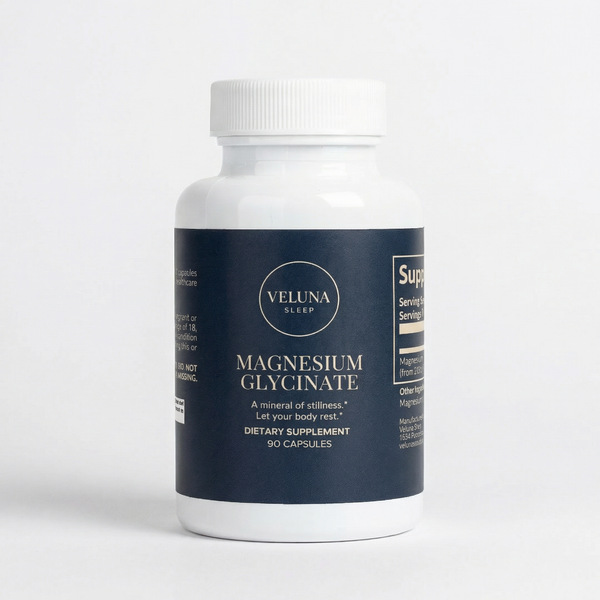
Magnesium is an essential mineral involved in over 300 bodily functions, including sleep regulation. Magnesium glycinate is a specific form of magnesium bound to glycine, an amino acid known for its calming properties. This combination makes it a highly bioavailable and gentle form of magnesium, less likely to cause digestive issues compared to other forms like magnesium citrate. Research suggests that magnesium plays a crucial role in sleep health, with deficiencies linked to poor sleep quality [3]. A systematic review in Biological Trace Element Research emphasized magnesium's importance in maintaining healthy sleep patterns (Arab, 2023).
The primary way magnesium glycinate promotes sleep is by supporting the function of gamma-aminobutyric acid (GABA), a neurotransmitter that inhibits brain activity and promotes relaxation. By enhancing GABA's effects, magnesium glycinate can help calm the mind, reduce anxiety, and prepare the body for sleep. Studies have shown that magnesium supplementation can improve sleep duration and quality, particularly in individuals with low magnesium levels [1, 9]. Furthermore, magnesium's role in muscle relaxation can ease tension and promote physical comfort, contributing to better sleep. For those seeking a natural way to unwind before bed, supplements like magnesium glycinate could be a beneficial addition to their nightly routine.
Benefits of Magnesium Glycinate for Sleep
- Improved Sleep Quality: Several studies indicate that magnesium supplementation can lead to better sleep quality. A systematic review of available literature highlighted magnesium's role in sleep health, suggesting it can improve sleep efficiency, sleep duration, and sleep onset latency [3]. A study in the journal Sleep also associated higher magnesium intake with longer sleep duration (Zhang, 2022).
- Reduced Anxiety and Stress: Magnesium has calming effects on the nervous system, which can help reduce anxiety and stress levels. This is particularly helpful for those whose sleep is disrupted by racing thoughts or worries. Research has shown that magnesium supplementation can improve self-reported anxiety and sleep quality [7].
- Muscle Relaxation: Magnesium is a natural muscle relaxant, which can help ease tension and promote physical comfort, making it easier to fall asleep and stay asleep. This can be especially beneficial for individuals with restless legs syndrome or frequent muscle cramps.
- Supports Healthy Sleep Hormones: Magnesium can influence the production and regulation of melatonin, a hormone that regulates the sleep-wake cycle. By supporting healthy melatonin levels, magnesium can help improve the timing and quality of sleep [4]. A study in Frontiers in Endocrinology showed the positive effects of magnesium on sleep hormones (Khalid, 2024).
Dosage and Considerations
The typical dosage of magnesium glycinate for sleep ranges from 200 to 400mg, taken about an hour before bedtime. It's essential to start with a lower dose and gradually increase it to assess your tolerance and avoid potential digestive upset. While magnesium glycinate is generally well-tolerated, some individuals may experience mild side effects such as diarrhea or stomach cramps. Choosing a high-quality supplement and following the recommended dosage guidelines can help minimize these risks. You may also want to consider other forms of magnesium. For example, you might want to know more about magnesium glycinate vs magnesium threonate when choosing the right sleep supplement. If you're an athlete, consider that magnesium is also a key ingredient in the best sleep supplements for athletes.
Phosphatidylserine: The Stress Regulator
Phosphatidylserine (PS) is a phospholipid — a type of fat — that is a key component of cell membranes, especially in the brain. It plays a crucial role in cell signaling and communication. PS is known for its ability to regulate cortisol, the body's primary stress hormone. When stress levels are chronically elevated, they can disrupt sleep patterns, leading to insomnia and other sleep disorders. Phosphatidylserine helps to modulate the stress response, preventing excessive cortisol release and promoting a more balanced hormonal state.
By managing cortisol levels, phosphatidylserine can help reduce the mental and physical effects of stress, making it easier to relax and fall asleep. It's particularly beneficial for individuals who experience sleep disturbances due to stress, anxiety, or overstimulation. PS supports cognitive function and memory, which can also indirectly improve sleep by reducing mental clutter and promoting a calmer state of mind. If you are interested in other supplements with similar benefits, you might also want to explore ashwagandha, as discussed in this article comparing ashwagandha vs magnesium glycinate for sleep. Consider combining PS with Veluna's Sleep Formula for a comprehensive approach to sleep support.
Benefits of Phosphatidylserine for Sleep
- Cortisol Regulation: Phosphatidylserine is most known for its ability to lower elevated cortisol levels, which can interfere with sleep. By normalizing cortisol, PS can help restore a natural sleep-wake cycle.
- Stress Reduction: By modulating the stress response, phosphatidylserine can reduce feelings of anxiety and tension, making it easier to unwind and fall asleep. This is particularly helpful for those who experience difficulty calming down before bed.
- Cognitive Support: PS supports cognitive functions such as memory and focus, which can help reduce mental clutter and promote a calmer state of mind conducive to sleep. This can be especially beneficial for individuals who struggle with racing thoughts at night.
- Improved Sleep Quality: By addressing the underlying causes of stress-related sleep disturbances, phosphatidylserine can improve overall sleep quality and duration. This includes reducing the frequency of nighttime awakenings and improving sleep efficiency.
Dosage and Considerations
The typical dosage of phosphatidylserine for sleep ranges from 100 to 300mg, taken before bed. It's generally recommended to start with a lower dose and gradually increase it to assess your tolerance. Phosphatidylserine is usually well-tolerated, but it may interact with certain medications, such as blood thinners. If you are taking any medications, it's essential to consult with your healthcare provider before taking phosphatidylserine. Additionally, individuals with certain medical conditions, such as bleeding disorders, should exercise caution when using PS.
Take our 60-second quiz to discover the science-backed sleep solution matched to your unique needs.
Take the QuizHead-to-Head Comparison: Magnesium Glycinate vs. Phosphatidylserine
Now that we've explored the individual benefits of magnesium glycinate and phosphatidylserine, let's compare them directly to help you determine which supplement is the best fit for your needs.
Mechanism of Action
- Magnesium Glycinate: Primarily works by supporting GABA function, promoting relaxation, and reducing anxiety. It also contributes to muscle relaxation, easing physical tension.
- Phosphatidylserine: Primarily works by regulating cortisol levels, reducing the impact of stress on sleep. This helps to balance the hormonal response to stress.
Best Fit
- Magnesium Glycinate: Best for individuals seeking general relaxation, muscle relaxation, and improved sleep quality, particularly if they suspect they may have a magnesium deficiency. It can also be beneficial for those who experience muscle cramps or restless legs syndrome.
- Phosphatidylserine: Best for individuals who experience sleep disturbances due to stress, anxiety, or elevated cortisol levels. It can be particularly helpful for those who have difficulty winding down at night or who wake up frequently due to stress.
Potential Side Effects
- Magnesium Glycinate: Generally well-tolerated, but some individuals may experience mild digestive upset, such as diarrhea or stomach cramps, especially at higher doses.
- Phosphatidylserine: Generally well-tolerated, but it may interact with certain medications, such as blood thinners. Caution is advised for individuals with bleeding disorders.
Combining Magnesium Glycinate and Phosphatidylserine
In some cases, combining magnesium glycinate and phosphatidylserine may provide synergistic benefits. For example, if you experience both general sleep difficulties and stress-related sleep disturbances, using both supplements may address multiple underlying causes of your sleep problems. However, it's essential to consult with your healthcare provider before combining supplements to ensure they are safe and appropriate for you. Sometimes, other supplements may be a better fit. To learn more, refer to this guide on how to choose the right sleep supplement.
When to Seek Professional Help
While magnesium glycinate and phosphatidylserine can be helpful for improving sleep, it's important to recognize when professional help is necessary. If you experience chronic insomnia, severe sleep disturbances, or suspect an underlying medical condition is affecting your sleep, consult with a healthcare provider. They can help identify the root cause of your sleep problems and recommend appropriate treatment options. Additionally, if you are taking medications or have underlying health conditions, it's essential to discuss the use of sleep supplements with your doctor to ensure they are safe and appropriate for you. Persistent sleep issues may also indicate the need for cognitive behavioral therapy for insomnia (CBT-I), a proven method for addressing sleep problems.
The Bottom Line
Magnesium glycinate and phosphatidylserine are two distinct supplements that can improve sleep quality, each working through different mechanisms. Magnesium glycinate promotes relaxation and supports GABA function, making it ideal for general sleep improvement. Phosphatidylserine regulates cortisol levels and reduces stress, making it suitable for stress-related sleep disturbances.
The choice between magnesium glycinate and phosphatidylserine depends on your individual needs and the underlying causes of your sleep problems. If you're looking for general relaxation and improved sleep quality, magnesium glycinate may be the better option. If you experience stress-related sleep disturbances, phosphatidylserine may be more effective. Consider your lifestyle, stress levels, and overall health when making your decision. You might also find other supplements helpful, such as those discussed in this article on the best sleep supplements for anxiety and stress.
Ready to find the right sleep ritual for your needs? Take Veluna's free 60-second quiz to get a personalized recommendation.
References
- Mah J, Pitre T. Oral magnesium supplementation for insomnia in older adults: a Systematic Review & Meta-Analysis. BMC complementary medicine and therapies. 2021. PubMed
- Arab A, Rafie N, Amani R et al.. The Role of Magnesium in Sleep Health: a Systematic Review of Available Literature. Biological trace element research. 2023. PubMed
- Khalid S, Bashir S, Mehboob R et al.. Effects of magnesium and potassium supplementation on insomnia and sleep hormones in patients with diabetes mellitus. Frontiers in endocrinology. 2024. PubMed
- Rawji A, Peltier MR, Mourtzanakis K et al.. Examining the Effects of Supplemental Magnesium on Self-Reported Anxiety and Sleep Quality: A Systematic Review. Cureus. 2024. PubMed
- Zhang Y, Chen C, Lu L et al.. Association of magnesium intake with sleep duration and sleep quality: findings from the CARDIA study. Sleep. 2022. PubMed
- Martínez-Rodríguez A, Rubio-Arias JÁ, Ramos-Campo DJ et al.. Psychological and Sleep Effects of Tryptophan and Magnesium-Enriched Mediterranean Diet in Women with Fibromyalgia. International journal of environmental research and public health. 2020. PubMed
- Abbasi B, Kimiagar M, Sadeghniiat K et al.. The effect of magnesium supplementation on primary insomnia in elderly: A double-blind placebo-controlled clinical trial. Journal of research in medical sciences : the official journal of Isfahan University of Medical Sciences. 2012. PubMed
Frequently Asked Questions
Yes, you can take magnesium glycinate and phosphatidylserine together, but it's best to consult with your healthcare provider first. Combining them may offer synergistic benefits for sleep, but it's essential to ensure they are safe and appropriate for your individual needs and consider potential interactions.
The time it takes for magnesium glycinate to improve sleep can vary depending on the individual and the severity of their magnesium deficiency. Some people may notice improvements within a few days, while others may take several weeks to experience the full benefits. Consistency is key.
Phosphatidylserine is generally well-tolerated, but some people may experience mild side effects such as stomach upset, insomnia, or gas. It may also interact with certain medications, such as blood thinners, so it's important to consult with your healthcare provider before taking it.
Yes, magnesium glycinate can help with anxiety due to its calming effects on the nervous system. It supports the function of GABA, a neurotransmitter that promotes relaxation and reduces anxiety. Several studies have shown that magnesium supplementation can improve self-reported anxiety levels [7].
Yes, it is generally safe to take magnesium glycinate every night, as long as you stick to the recommended dosage. Consistent, moderate intake is usually well-tolerated and can help maintain healthy magnesium levels. However, it's always a good idea to consult with a healthcare provider to ensure it's appropriate for your individual health needs.