Key Takeaways
✓ Both KSM-66 and Sensoril are ashwagandha extracts that may improve sleep quality and reduce stress, but they differ in their extraction processes and withanolide content [1, 10].
✓ KSM-66 is extracted from the root only, while Sensoril uses both the root and leaves, leading to variations in their phytochemical profiles [8].
✓ Studies suggest that ashwagandha, in general, can enhance sleep by promoting relaxation and reducing anxiety, making it a valuable tool for improving sleep hygiene [3, 4].
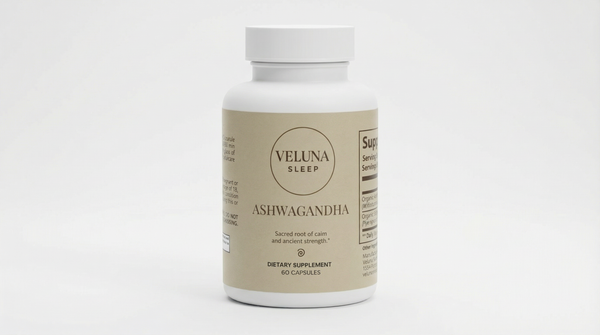
Research discussed here relates to individual ingredients and does not establish that the finished Veluna product has been clinically studied or will produce the same results.
KSM-66 vs. Sensoril: Finding the Right Ashwagandha for Your Sleep
Struggling to get a good night's sleep? You're likely exploring natural solutions to calm your mind and improve sleep quality. Ashwagandha, an ancient herb, has gained popularity as a sleep aid. But with different types of ashwagandha extracts available, such as KSM-66 and Sensoril, how do you choose the right one for you? This article will explore the differences between KSM-66 and Sensoril, examining their unique properties and how they can impact your sleep. Understanding these distinctions can help you make an informed decision about incorporating ashwagandha into your nighttime routine, potentially paving the way for more restful nights. You can also explore other techniques to achieve mind calm for better sleep.
What is Ashwagandha?
Ashwagandha (Withania somnifera) is an adaptogenic herb used for centuries in Ayurvedic medicine. Adaptogens help the body resist stressors, whether physical, chemical, or biological. Ashwagandha is traditionally used to promote overall wellness, boost energy, and reduce stress. Research suggests it may also improve sleep quality [1, 8].
The plant contains various bioactive compounds, including withanolides, which are believed to be responsible for many of its health benefits. These compounds interact with the body's stress response system, helping to regulate cortisol levels and promote a sense of calm. This calming effect can be particularly beneficial for those struggling with anxiety-related insomnia. Ashwagandha's ability to modulate stress and anxiety makes it a valuable tool for improving sleep hygiene and overall well-being [4, 5].
KSM-66 Ashwagandha: Rooted in Relaxation
KSM-66 is a branded, full-spectrum extract of ashwagandha, meaning it contains a balanced profile of the herb's natural constituents. It's derived solely from the roots of the ashwagandha plant. The extraction process is designed to preserve the herb's natural properties without using alcohol or harsh solvents. This results in a high-quality extract with a consistent concentration of withanolides. The extraction process is important because it influences the purity and effectiveness of the final product. This meticulous extraction process helps ensure that KSM-66 retains its adaptogenic properties, providing a consistent and reliable dose of the beneficial compounds found in ashwagandha roots [8].
KSM-66 has been extensively studied for its effects on stress, anxiety, and sleep. Studies suggest it can help reduce cortisol levels, promote relaxation, and improve sleep quality [3, 10]. A randomized, double-blind, placebo-controlled study published in the Journal of Ethnopharmacology found that ashwagandha root extract significantly improved sleep quality in both healthy volunteers and patients with insomnia (Langade, 2021). Participants taking ashwagandha reported falling asleep faster, spending more time asleep, and feeling more refreshed upon waking. These findings highlight the potential of KSM-66 as a natural sleep aid, particularly for those struggling with stress-related sleep disturbances.
Sensoril Ashwagandha: A Broader Spectrum
Sensoril is another branded ashwagandha extract, but it differs from KSM-66 in that it's derived from both the roots and leaves of the ashwagandha plant. This broader spectrum of plant parts results in a higher concentration of certain withanolides, particularly withaferin A. The extraction process for Sensoril is also unique, as it aims to maximize the bioavailability of these key compounds. The use of both roots and leaves allows for a more diverse range of phytochemicals, potentially offering a wider array of health benefits [8].
Sensoril has been studied for its adaptogenic and anti-stress properties. Research suggests it may help reduce stress, fatigue, and improve cognitive function [9, 10]. A study in Cureus found that Sensoril ashwagandha root extract had adaptogenic and anxiolytic effects in healthy adults (Salve, 2019). Participants reported reduced anxiety and improved overall well-being. While Sensoril is often marketed for its stress-reducing benefits, its potential impact on sleep is also noteworthy. By addressing stress and promoting relaxation, Sensoril may indirectly improve sleep quality. For those seeking a comprehensive approach to stress management and sleep enhancement, Sensoril could be a suitable option.
| Factor | KSM-66 | Sensoril |
|---|---|---|
| Source Material | Root only | Root and leaf |
| Key Benefit | Promotes relaxation and sleep quality | Reduces stress and improves cognitive function |
| Typical dosage | 300-600mg daily | 125-250mg daily |
| Main caution | Generally well-tolerated; start with a low dose | May cause drowsiness in some individuals |
Take our 60-second quiz to discover the science-backed sleep solution matched to your unique needs.
Take the QuizKSM-66 vs. Sensoril: Which is Better for Sleep?
Choosing between KSM-66 and Sensoril for sleep depends on your individual needs and preferences. KSM-66 is often preferred for its direct impact on sleep quality, thanks to its focus on root-derived compounds known for their relaxing properties. If you're primarily looking to improve sleep latency and duration, KSM-66 might be the better choice for you [3]. Its well-established safety profile and consistent results in clinical trials make it a reliable option for those seeking a natural sleep aid.
On the other hand, Sensoril may be more suitable if you're dealing with significant stress and anxiety that are impacting your sleep. Its broader spectrum of withanolides, derived from both the roots and leaves, may offer more comprehensive stress relief, indirectly promoting better sleep. Additionally, Sensoril's potential cognitive benefits could be advantageous if you're experiencing mental fatigue or difficulty concentrating due to stress. Remember that individual responses to these extracts can vary, so it's essential to consider your unique needs and consult with a healthcare professional if you have any concerns.
Other Ashwagandha Benefits
Beyond their potential benefits for sleep and stress, ashwagandha extracts like KSM-66 and Sensoril offer a range of additional health advantages. Ashwagandha has demonstrated promise in supporting cognitive function, boosting energy levels, and enhancing physical performance. These benefits can contribute to overall well-being and improve your quality of life. For example, a study in Evidence-Based Complementary and Alternative Medicine showed that ashwagandha root extract improved cognitive functions in healthy, stressed adults (Gopukumar, 2021). Participants experienced improvements in memory, attention, and information processing speed.
Furthermore, ashwagandha's adaptogenic properties can help regulate the immune system and reduce inflammation. By modulating the body's stress response, ashwagandha may help prevent chronic diseases associated with chronic stress. The benefits of ashwagandha extend beyond just sleep and stress relief, making it a versatile supplement for promoting overall health and vitality. You might also consider how ashwagandha compares to magnesium glycinate for sleep.
Dosage and Safety Considerations
When considering ashwagandha supplementation, it's essential to understand the appropriate dosage and potential safety considerations. The recommended dosage for KSM-66 typically ranges from 300 to 600 mg per day, while Sensoril is usually taken in smaller doses, around 125 to 250 mg daily. It's generally recommended to start with the lowest effective dose and gradually increase as needed, paying attention to how your body responds.
Ashwagandha is generally considered safe for most people, but some individuals may experience mild side effects such as digestive upset, headache, or drowsiness. Pregnant and breastfeeding women should avoid ashwagandha, as its safety during these periods has not been established. People with autoimmune diseases should also exercise caution, as ashwagandha may stimulate the immune system. It's always best to consult with a healthcare professional before starting any new supplement, especially if you have underlying health conditions or are taking medications. Furthermore, supplements like Veluna Ashwagandha are tested for purity and potency, ensuring a safe and effective product.
When to Seek Professional Help
While ashwagandha can be a helpful tool for improving sleep and managing stress, it's not a substitute for professional medical advice. If you're experiencing persistent sleep problems, anxiety, or other health concerns, it's essential to seek guidance from a qualified healthcare provider. Chronic insomnia, for example, may be a symptom of an underlying medical condition that requires diagnosis and treatment. Additionally, if you're taking medications, it's crucial to discuss potential interactions with ashwagandha or other supplements with your doctor.
A healthcare professional can help you determine the root cause of your sleep issues and develop a comprehensive treatment plan tailored to your individual needs. This may involve lifestyle modifications, stress management techniques, medication, or other therapies. Don't hesitate to reach out for professional help if you're struggling with your sleep or mental health. Early intervention can prevent these issues from escalating and improve your overall well-being. Remember, taking care of your health is an investment in your future, and seeking professional help is a sign of strength, not weakness.
The Bottom Line
Both KSM-66 and Sensoril are valuable ashwagandha extracts that can promote relaxation and improve sleep quality. KSM-66, derived solely from the root, is often favored for its direct impact on sleep, while Sensoril, derived from both the root and leaves, may offer more comprehensive stress relief. Your choice depends on your individual needs and preferences. Ashwagandha may be a helpful addition to your nightly routine if you want to improve your sleep and reduce stress.
Remember to consult with a healthcare professional before starting any new supplement, especially if you have underlying health conditions or are taking medications. By understanding the differences between KSM-66 and Sensoril, you can make an informed decision and potentially unlock the sleep-enhancing benefits of ashwagandha. Consider exploring natural techniques for restful sleep to further enhance your sleep hygiene.
Ready to find the right sleep ritual for your needs? Take Veluna's free 60-second quiz to get a personalized recommendation.
References
- Cheah KL, Norhayati MN, Husniati Yaacob L et al.. Effect of Ashwagandha (Withania somnifera) extract on sleep: A systematic review and meta-analysis. PloS one. 2021. PubMed
- Baker C, Kirby JB, O'Connor J et al.. The Perceived Impact of Ashwagandha on Stress, Sleep Quality, Energy, and Mental Clarity for College Students: Qualitative Analysis of a Double-Blind Randomized Control Trial. Journal of medicinal food. 2022. PubMed
- Langade D, Thakare V, Kanchi S et al.. Clinical evaluation of the pharmacological impact of ashwagandha root extract on sleep in healthy volunteers and insomnia patients: A double-blind, randomized, parallel-group, placebo-controlled study. Journal of ethnopharmacology. 2021. PubMed
- Zhang W, Yan Y, Wu Y et al.. Medicinal herbs for the treatment of anxiety: A systematic review and network meta-analysis. Pharmacological research. 2022. PubMed
- Borrás S, Martínez-Solís I, Ríos JL. Medicinal Plants for Insomnia Related to Anxiety: An Updated Review. Planta medica. 2021. PubMed
- Paul S, Chakraborty S, Anand U et al.. Withania somnifera (L.) Dunal (Ashwagandha): A comprehensive review on ethnopharmacology, pharmacotherapeutics, biomedicinal and toxicological aspects. Biomedicine & pharmacotherapy = Biomedecine & pharmacotherapie. 2021. PubMed
- Gopukumar K, Thanawala S, Somepalli V et al.. Efficacy and Safety of Ashwagandha Root Extract on Cognitive Functions in Healthy, Stressed Adults: A Randomized, Double-Blind, Placebo-Controlled Study. Evidence-based complementary and alternative medicine : eCAM. 2021. PubMed
- Salve J, Pate S, Debnath K et al.. Adaptogenic and Anxiolytic Effects of Ashwagandha Root Extract in Healthy Adults: A Double-blind, Randomized, Placebo-controlled Clinical Study. Cureus. 2019. PubMed
- Wiciński M, Fajkiel-Madajczyk A, Sławatycki J et al.. Ashwagandha (. Nutrients. 2025. PubMed
- Sprengel M, Laskowski R, Jost Z. Withania somnifera (Ashwagandha) supplementation: a review of its mechanisms, health benefits, and role in sports performance. Nutrition & metabolism. 2025. PubMed
Frequently Asked Questions
The ideal time to take ashwagandha for sleep is typically 30-60 minutes before bedtime. This allows the herb's calming effects to take hold, promoting relaxation and preparing your body for sleep. Consistency is key, so try to take it around the same time each night to establish a regular routine.
It's best to consult with a healthcare professional before combining ashwagandha with other sleep aids, especially prescription medications. While ashwagandha is generally safe, interactions can occur, potentially leading to unwanted side effects. A healthcare provider can assess your individual situation and provide personalized recommendations.
The time it takes for ashwagandha to work for sleep varies from person to person. Some individuals may notice improvements within a few days, while others may require several weeks of consistent use. Factors such as dosage, individual sensitivity, and the severity of sleep issues can influence the response time. Give it some time, and track your sleep patterns to see if it's making a difference.
Ashwagandha is generally well-tolerated, but some individuals may experience mild side effects such as digestive upset, headache, or drowsiness. These side effects are typically temporary and resolve on their own. Pregnant and breastfeeding women should avoid ashwagandha, and people with autoimmune diseases should exercise caution. Always consult with a healthcare professional if you have any concerns.
Yes, ashwagandha may be particularly helpful for anxiety-related insomnia. Its adaptogenic properties can help regulate the body's stress response, reducing cortisol levels and promoting a sense of calm. By addressing the underlying anxiety, ashwagandha can indirectly improve sleep quality. If anxiety is a major factor in your sleep problems, ashwagandha may be a worthwhile option to explore.