Key Takeaways
✓ Blue light exposure, especially in the evening, can suppress melatonin production, disrupting your sleep-wake cycle.
✓ Melatonin supplements can help regulate sleep, particularly when dealing with circadian rhythm disturbances, but timing and dosage are crucial.
✓ Strategies like reducing screen time before bed, using blue light filters, and optimizing light exposure during the day can improve sleep quality.
The Blue Light-Melatonin Connection: A Circadian Primer
In today's digital world, blue light is everywhere — from our smartphones and laptops to LED lighting. While it helps keep us alert during the day, exposure to blue light in the evening can wreak havoc on your sleep. This is because blue light directly impacts melatonin, a hormone crucial for regulating your circadian rhythm. Understanding this relationship is the first step to optimizing your sleep.
Melatonin acts as a chemical signal of darkness, helping to prepare your body for sleep. When light hits your eyes, it sends signals to your brain, specifically the suprachiasmatic nucleus (SCN), the master clock that governs your circadian rhythm. Blue light is particularly effective at suppressing melatonin production, delaying the onset of sleepiness and potentially leading to sleep disturbances. This article will explore the intricate link between blue light and melatonin, providing actionable strategies to protect your sleep and maintain a healthy circadian rhythm. For a more detailed overview, see The Complete Guide to Circadian Reset.
How Blue Light Affects Melatonin Production
Blue light's disruptive effect on sleep stems from its ability to suppress melatonin secretion. Specialized cells in your eyes, called intrinsically photosensitive retinal ganglion cells (ipRGCs), are particularly sensitive to blue light. When these cells detect blue light, they send signals to the SCN, inhibiting the release of melatonin from the pineal gland. This is a natural process during the day, helping you stay awake and alert. However, in the evening, when melatonin levels should be rising, blue light exposure can interfere with this process, delaying the natural onset of sleep.
The intensity and duration of blue light exposure also play a significant role. Spending hours in front of a screen before bed is more likely to disrupt your sleep than a few minutes. The closer you are to the light source, the more intense the exposure. This is why using electronic devices right before bed can be particularly problematic. The exact sensitivity to blue light varies from person to person, with some individuals being more susceptible to its effects than others. As discussed in Blue Light and Sleep Phase Delay: Evening Screen Time Effects and Protective Strategies, using blue light filters or specialized glasses can mitigate some of these effects.
The Role of Melatonin in Circadian Rhythm Regulation
Melatonin is a hormone primarily produced by the pineal gland in the brain, and its secretion is dictated by the body's master clock, the suprachiasmatic nucleus (SCN) [8]. Melatonin plays a pivotal role in regulating the circadian rhythm, the body's internal 24-hour clock that governs sleep-wake cycles, hormone release, and other physiological processes. As darkness falls, melatonin levels naturally rise, signaling to your body that it's time to sleep. Conversely, when light is present, melatonin production is suppressed, promoting wakefulness. A healthy circadian rhythm relies on the proper timing and duration of melatonin secretion.
Melatonin also has antioxidant properties and may play a role in immune function [9]. However, its primary role in sleep regulation is undeniable. When your circadian rhythm is disrupted — due to shift work, jet lag, or inconsistent sleep schedules — melatonin production can be thrown off, leading to insomnia and other sleep disorders. In these cases, exogenous melatonin, often in supplement form, can help to reset the sleep-wake cycle [1, 3]. Studies have shown that melatonin supplementation can be effective in improving sleep onset latency (the time it takes to fall asleep) and sleep duration, particularly in individuals with sleep disorders [2, 4, 5].
Research discussed here relates to individual ingredients and does not establish that the finished Veluna product has been clinically studied or will produce the same results.
Strategies to Minimize Blue Light Exposure
Given the impact of blue light on melatonin production, minimizing exposure, especially in the evening, is crucial for promoting healthy sleep. Here are several effective strategies you can implement:
- Reduce Screen Time Before Bed: Aim to reduce your use of electronic devices — smartphones, tablets, and computers — at least one to two hours before bedtime. This allows your melatonin levels to rise naturally.
- Use Blue Light Filters: Many devices have built-in blue light filters that reduce the amount of blue light emitted. Activate these filters in the evening to minimize the impact on your sleep. You can also download apps or software that perform the same function.
- Wear Blue Light Blocking Glasses: These glasses filter out blue light, preventing it from reaching your eyes and suppressing melatonin production. Wear them in the evening when using electronic devices or under artificial lighting.
- Optimize Lighting in Your Home: Use warm-toned light bulbs (e.g., incandescent or amber-toned LEDs) in the evening. These emit less blue light than cool-toned bulbs. Consider using dimmers to further reduce light intensity as bedtime approaches.
- Increase Daytime Light Exposure: Exposing yourself to bright light during the day can help strengthen your circadian rhythm, making you less sensitive to blue light in the evening. Spend time outdoors or use a light therapy lamp. For more on this, read Light Therapy for Better Sleep.
Take our 60-second quiz to discover the science-backed sleep solution matched to your unique needs.
Take the QuizMelatonin Supplements: Dosage, Timing, and Considerations
When lifestyle changes aren't enough, melatonin supplements can be a helpful tool for regulating your sleep-wake cycle. However, it's crucial to understand the proper dosage, timing, and potential side effects. The optimal dosage of melatonin varies from person to person, but most studies suggest that a low dose — between 0.3 and 5 mg — is effective [1, 5]. Start with the lowest possible dose and gradually increase if needed. It's also important to note that higher doses don't necessarily equate to better sleep. In some cases, they can lead to side effects like headaches, dizziness, and daytime sleepiness.
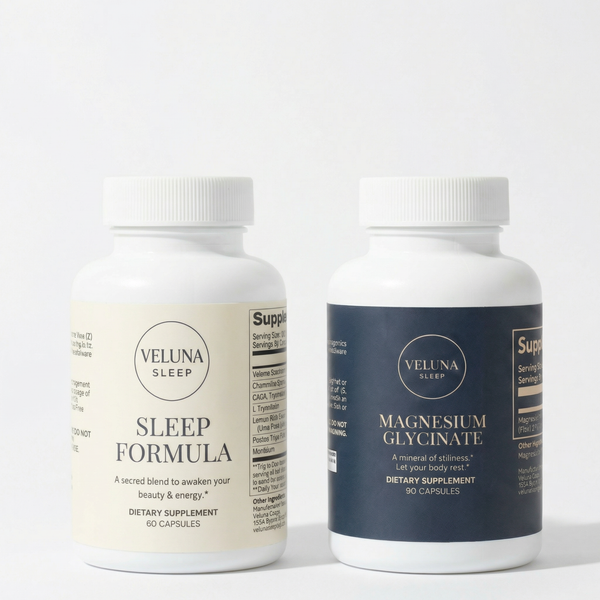
Timing is just as important as dosage. Take melatonin one to two hours before your desired bedtime to allow it to take effect. Consistency is key, so try to take it at the same time each night. Melatonin is not a sedative and should not be used as a quick fix for occasional sleeplessness. Instead, it's most effective when used to regulate your circadian rhythm over the long term. Melatonin supplements can be especially beneficial when traveling across time zones or dealing with shift work, helping to reset your internal clock and reduce jet lag or shift work sleep disorder. Many people combine melatonin with magnesium glycinate to enhance sleep quality.
Dietary Sources of Melatonin
While melatonin is primarily produced in the body, certain foods contain small amounts of this hormone. Including these foods in your diet may help support healthy melatonin levels and promote better sleep. Tart cherries are one of the best-known dietary sources of melatonin [10]. Studies have shown that drinking tart cherry juice can increase melatonin levels and improve sleep quality. Other foods that contain melatonin include:
- Nuts and Seeds: Almonds, walnuts, and sunflower seeds contain melatonin, as well as other nutrients that support sleep, such as magnesium and tryptophan.
- Fruits: Bananas, grapes, and strawberries contain small amounts of melatonin.
- Vegetables: Tomatoes and peppers also contain melatonin.
- Grains: Oats and barley are sources of melatonin.
While the amount of melatonin in these foods is relatively small compared to what your body produces, incorporating them into your diet can contribute to overall sleep health. However, dietary sources alone may not be sufficient to address significant sleep disturbances. For persistent sleep problems, consider lifestyle changes, supplements, or consulting with a healthcare professional.
When to Seek Professional Help
While lifestyle adjustments and supplements can often improve sleep, it's important to recognize when professional help is needed. If you experience persistent insomnia, excessive daytime sleepiness, or other sleep-related symptoms that interfere with your daily life, consult a healthcare provider. They can evaluate your sleep patterns, identify any underlying medical conditions, and recommend appropriate treatment options. Sleep disorders like sleep apnea, restless legs syndrome, and narcolepsy can significantly impact your sleep and overall health, and they often require medical intervention. Additionally, if you're considering long-term use of melatonin supplements, it's best to discuss it with your doctor to ensure it's safe and appropriate for you.
The Bottom Line
The relationship between blue light and melatonin is a critical factor in regulating your circadian rhythm and promoting healthy sleep. By understanding how blue light affects melatonin production, you can take proactive steps to minimize exposure, especially in the evening. Simple strategies like reducing screen time before bed, using blue light filters, and optimizing your home lighting can make a significant difference. When needed, melatonin supplements can provide additional support, but it's important to use them correctly and consult with a healthcare professional if you have any concerns.
Prioritizing sleep hygiene and addressing blue light exposure is an investment in your overall health and well-being. By making small changes to your daily routine, you can optimize your melatonin production, improve your sleep quality, and wake up feeling refreshed and energized. Ready to find the right sleep ritual for your needs? Take Veluna's free 60-second quiz to get a personalized recommendation.
References
- Cruz-Sanabria F, Bruno S, Crippa A et al.. Optimizing the Time and Dose of Melatonin as a Sleep-Promoting Drug: A Systematic Review of Randomized Controlled Trials and Dose-Response Meta-Analysis. Journal of pineal research. 2024. PubMed
- Nogueira HA, de Castro CT, da Silva DCG et al.. Melatonin for sleep disorders in people with autism: Systematic review and meta-analysis. Progress in neuro-psychopharmacology & biological psychiatry. 2023. PubMed
- Choi K, Lee YJ, Park S et al.. Efficacy of melatonin for chronic insomnia: Systematic reviews and meta-analyses. Sleep medicine reviews. 2022. PubMed
- Yue JL, Chang XW, Zheng JW et al.. Efficacy and tolerability of pharmacological treatments for insomnia in adults: A systematic review and network meta-analysis. Sleep medicine reviews. 2023. PubMed
- Ferracioli-Oda E, Qawasmi A, Bloch MH. Meta-analysis: melatonin for the treatment of primary sleep disorders. PloS one. 2013. PubMed
- Howatson G, Bell PG, Tallent J et al.. Effect of tart cherry juice (Prunus cerasus) on melatonin levels and enhanced sleep quality. European journal of nutrition. 2012. PubMed
- [8] Comai S, Gobbi G. Melatonin, Melatonin Receptors and Sleep: Moving Beyond Traditional Views. Journal of pineal research. 2024. PubMed
- [9] Gasmi A, Semenova Y, Noor S et al.. Sleep, Dietary Melatonin Supplementation, and COVID-19. Current medicinal chemistry. 2024. PubMed
Frequently Asked Questions
It's generally recommended to stop using screens at least one to two hours before bedtime to allow your melatonin levels to rise naturally. This helps prepare your body for sleep and improves sleep quality.
Yes, blue light blocking glasses can be effective in reducing the impact of blue light on your sleep. They filter out blue light, preventing it from suppressing melatonin production and helping you fall asleep more easily.
The optimal dosage of melatonin varies, but a low dose between 0.3 and 5 mg is often effective. Start with the lowest possible dose and gradually increase if needed. Consult with a healthcare professional for personalized recommendations.
Melatonin is generally considered safe, but some people may experience side effects like headaches, dizziness, and daytime sleepiness. If you experience any adverse effects, discontinue use and consult with a healthcare professional.
Yes, certain foods contain small amounts of melatonin. Tart cherries, nuts, seeds, fruits, vegetables, and grains are dietary sources of melatonin that can contribute to overall sleep health.