Key Takeaways
✓ A warm shower or bath taken one to two hours before bedtime can significantly reduce the time it takes to fall asleep by promoting better temperature regulation (Haghayegh, 2019).
✓ Consistent light exposure, especially sunlight, during the day helps regulate your circadian rhythm, making it easier to fall asleep quickly at night (Chambe, 2023).
✓ Supplements like tryptophan may improve sleep quality and reduce sleep latency, helping you fall asleep faster (Sutanto, 2022).
The 5-Minute Sleep Challenge: Is It Possible?
Tossing and turning, watching the clock tick by — we've all been there. The quest to fall asleep quickly can feel like an impossible challenge. While drifting off in exactly five minutes might be ambitious every single night, it's absolutely possible to dramatically reduce your sleep latency — the time it takes to transition from wakefulness to sleep. By understanding the science behind sleep and implementing targeted strategies, you can significantly improve your ability to fall asleep faster and enjoy more restful nights.
The key lies in optimizing your sleep environment, managing your circadian rhythm, and employing relaxation techniques that prepare your body and mind for sleep. This article will explore proven methods to help you fall asleep faster, drawing on scientific research and practical tips to transform your bedtime routine. If you're struggling with a broken sleep pattern, these strategies can help improve sleep quality and decrease the time it takes to fall asleep.
Let’s dive into the science-backed approaches that can help you achieve quicker, more restful sleep. Remember, consistency is key, and incorporating these strategies into your daily routine will yield the best results.
Optimize Your Sleep Environment
Your sleep environment plays a crucial role in how quickly you fall asleep. Creating a space that is conducive to sleep involves minimizing distractions and optimizing conditions for relaxation. A dark, quiet, and cool room is ideal. Darkness signals your brain to release melatonin, a hormone that promotes sleepiness. Ensure your bedroom is as dark as possible by using blackout curtains or an eye mask. Minimize noise by using earplugs, a white noise machine, or a fan to create a consistent, calming sound. A cooler room temperature — typically between 60 and 67 degrees Fahrenheit — is also conducive to sleep.
Comfort is also paramount. Invest in a supportive mattress, comfortable pillows, and breathable bedding. The materials you choose can significantly impact your sleep quality. Natural fibers like cotton, linen, or bamboo are excellent choices because they wick away moisture and help regulate body temperature. Additionally, consider the impact of light emitted from electronic devices. Blue light emitted from smartphones, tablets, and computers can interfere with melatonin production. It's best to avoid these devices at least one hour before bedtime. If you must use them, consider using blue light filters or apps that reduce blue light exposure.
Establishing a consistent bedtime routine can further enhance your sleep environment. This might include activities such as reading a book, taking a warm bath, or practicing relaxation exercises. The goal is to create a calming and predictable routine that signals to your brain that it's time to sleep. By optimizing your sleep environment, you set the stage for a quicker and more restful transition into sleep.
The Power of Light: Circadian Rhythm Reset
Your circadian rhythm, your body's internal clock, dictates your sleep-wake cycle. When your circadian rhythm is properly aligned, falling asleep becomes much easier. Light exposure is one of the most powerful tools for regulating your circadian rhythm. Exposure to bright light, especially sunlight, during the day helps to reinforce your natural sleep-wake cycle. Try to get at least 30 minutes of sunlight exposure each day, preferably in the morning. This helps suppress melatonin production during the day, promoting alertness, and then allows melatonin levels to rise naturally in the evening, signaling your body that it's time to sleep. A systematic review in the Journal of Sleep Research showed that light therapy can be effective in treating insomnia [2].
Conversely, minimizing light exposure in the evening is equally important. As mentioned earlier, blue light from electronic devices can disrupt melatonin production. In addition to avoiding screens before bed, consider using dim, warm-toned lighting in your home during the evening hours. Red or amber-colored lights are less disruptive to melatonin production than blue or white lights. You can also use blackout curtains or an eye mask to block out any external light sources that might interfere with your sleep. By strategically managing your light exposure, you can effectively reset your circadian rhythm and improve your ability to fall asleep quickly.
Melatonin Supplementation
If you struggle with circadian rhythm disruptions, you might consider melatonin supplementation. Melatonin is a hormone that helps regulate the sleep-wake cycle, and supplements are available over-the-counter. A meta-analysis in Sleep Medicine Reviews indicates that melatonin can be effective for chronic insomnia [4]. However, it's important to use melatonin judiciously and follow recommended dosages. Start with a low dose — around 0.5 to 1 milligram — and take it one to two hours before bedtime. Be aware that melatonin can cause side effects such as drowsiness, headache, and dizziness in some individuals. It is always best to consult with a healthcare professional before starting any new supplement regimen, especially if you have underlying health conditions or are taking other medications.
Relaxation Techniques for Rapid Sleep Onset
Stress and anxiety can be major barriers to falling asleep quickly. Relaxation techniques can help calm your mind and body, making it easier to drift off. One effective technique is deep breathing exercises. Try the 4-7-8 breathing method: inhale deeply through your nose for four seconds, hold your breath for seven seconds, and exhale slowly through your mouth for eight seconds. Repeat this several times to slow your heart rate and reduce anxiety. Another technique is progressive muscle relaxation. This involves tensing and then releasing different muscle groups in your body, starting with your toes and working your way up to your head. This can help release physical tension and promote relaxation.
Mindfulness meditation is another powerful tool for calming the mind. This involves focusing your attention on the present moment, without judgment. You can practice mindfulness meditation by focusing on your breath, body sensations, or sounds in your environment. If your mind wanders, gently redirect your attention back to your chosen focus. Studies show that mindfulness meditation can reduce sleep latency and improve sleep quality. You might also try guided imagery, which involves visualizing a peaceful and relaxing scene. This can help distract you from racing thoughts and promote a sense of calm. Experiment with different relaxation techniques to find what works best for you.
Consider exploring resources like sleep stories or calming soundscapes. There are many apps and online platforms that offer guided meditations, sleep stories, and ambient sounds designed to promote relaxation and sleep. These resources can provide a soothing and immersive experience that helps you unwind and prepare for sleep. The key is to find techniques that resonate with you and incorporate them into your regular bedtime routine.
Take our 60-second quiz to discover the science-backed sleep solution matched to your unique needs.
Take the QuizNutrition and Supplements: Fueling Your Sleep
What you eat and drink can significantly impact your sleep quality and ability to fall asleep quickly. Avoid heavy meals, caffeine, and alcohol close to bedtime. These substances can interfere with your sleep cycle and make it harder to fall asleep. Instead, opt for a light snack if you're hungry before bed. Foods rich in tryptophan, such as turkey, nuts, and seeds, may promote sleepiness. Tryptophan is an amino acid that is a precursor to serotonin and melatonin, both of which play a role in sleep regulation. A systematic review in Nutrition Reviews showed that tryptophan supplementation can improve sleep quality [3].
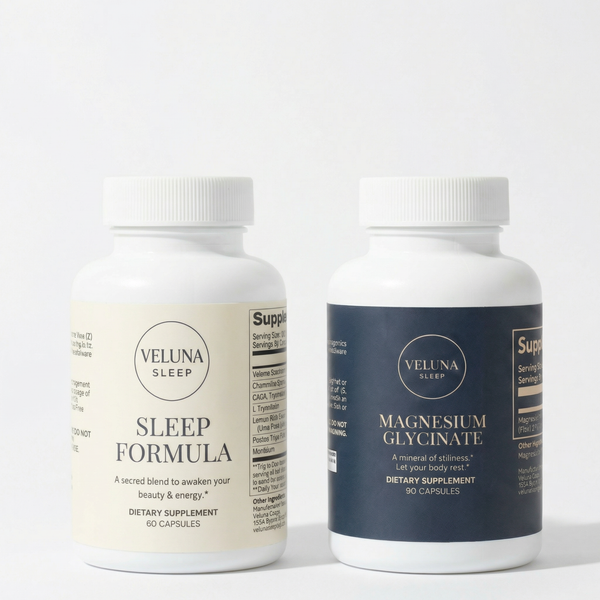
Magnesium is another nutrient that can support sleep. It helps regulate neurotransmitters involved in sleep and relaxation. You can increase your magnesium intake through foods like leafy green vegetables, nuts, and whole grains, or consider taking a magnesium supplement. Veluna Magnesium Glycinate is a highly absorbable form of magnesium that can help promote relaxation and improve sleep quality. Other supplements that may be beneficial for sleep include chamomile, valerian root, and L-theanine. Chamomile and valerian root have calming properties that can help reduce anxiety and promote sleepiness. L-theanine is an amino acid that can help reduce stress and improve sleep quality without causing drowsiness.
Timing your meals can also influence your sleep. Eating a large meal close to bedtime can disrupt your sleep cycle, as your body is still working to digest the food. Try to finish your last meal at least two to three hours before bedtime. This allows your body to focus on rest and repair during sleep. Consider exploring the link between meal timing and circadian health for a more in-depth understanding of the connection.
The Warm Bath or Shower Ritual
Taking a warm bath or shower before bed is a simple yet effective way to promote relaxation and improve sleep. The warmth helps to relax your muscles and lower your body temperature, signaling to your brain that it's time to sleep. A systematic review in Sleep Medicine Reviews found that taking a warm shower or bath one to two hours before bedtime can significantly improve sleep [5]. The ideal water temperature is between 104 and 109 degrees Fahrenheit. Soak for at least 10 minutes to reap the full benefits.
You can enhance your bath or shower experience by adding Epsom salts, essential oils, or bath bombs. Epsom salts contain magnesium, which can further promote relaxation. Essential oils such as lavender, chamomile, and sandalwood have calming properties that can help reduce stress and improve sleep quality. Create a relaxing atmosphere by dimming the lights, lighting candles, and playing calming music. The goal is to create a sensory experience that promotes relaxation and prepares you for sleep. Make this part of your circadian reset routine for optimal sleep.
When to Seek Professional Help
While many sleep problems can be addressed with lifestyle changes and self-help strategies, it's important to recognize when professional help is needed. If you consistently struggle to fall asleep or stay asleep, and this is impacting your daytime functioning, it's time to consult with a healthcare professional. Chronic insomnia can have significant consequences for your physical and mental health. A doctor can help determine the underlying cause of your sleep problems and recommend appropriate treatment options. They may also refer you to a sleep specialist for further evaluation.
Sleep disorders such as sleep apnea, restless legs syndrome, and narcolepsy can also interfere with sleep. These conditions often require medical intervention. Symptoms of sleep apnea include loud snoring, pauses in breathing during sleep, and daytime sleepiness. Restless legs syndrome is characterized by an irresistible urge to move your legs, especially at night. Narcolepsy is a neurological disorder that causes excessive daytime sleepiness and sudden sleep attacks. If you experience any of these symptoms, it's important to seek medical attention. A variety of pharmacological treatments are available for insomnia, but their efficacy and tolerability vary (Yue, 2023). It's crucial to discuss these options with your doctor to determine the best course of action for your individual needs.
The Bottom Line
Falling asleep in five minutes might be a lofty goal, but with the right strategies, you can significantly reduce your sleep latency and improve your overall sleep quality. By optimizing your sleep environment, managing your circadian rhythm, practicing relaxation techniques, and making healthy lifestyle choices, you can create a bedtime routine that sets you up for success. Remember, consistency is key, and it may take time to find the combination of strategies that works best for you. Ashwagandha root extract has been clinically evaluated and shown to have a pharmacological impact on sleep (Langade, 2021). Consider adding Veluna Sleep Strips to your nightly routine.
Don't get discouraged if you don't see results immediately. It takes time to establish new habits and retrain your body and mind for sleep. Be patient with yourself and celebrate small victories along the way. And remember, occasional sleepless nights are normal. Focus on maintaining a consistent routine and practicing healthy sleep habits, and you'll be well on your way to achieving quicker, more restful sleep.
Ready to find the right sleep ritual for your needs? Take Veluna's free 60-second quiz to get a personalized recommendation.
References
- Yue JL, Chang XW, Zheng JW et al.. Efficacy and tolerability of pharmacological treatments for insomnia in adults: A systematic review and network meta-analysis. Sleep medicine reviews. 2023. PubMed
- Chambe J, Reynaud E, Maruani J et al.. Light therapy in insomnia disorder: A systematic review and meta-analysis. Journal of sleep research. 2023. PubMed
- Sutanto CN, Loh WW, Kim JE. The impact of tryptophan supplementation on sleep quality: a systematic review, meta-analysis, and meta-regression. Nutrition reviews. 2022. PubMed
- Choi K, Lee YJ, Park S et al.. Efficacy of melatonin for chronic insomnia: Systematic reviews and meta-analyses. Sleep medicine reviews. 2022. PubMed
- Haghayegh S, Khoshnevis S, Smolensky MH et al.. Before-bedtime passive body heating by warm shower or bath to improve sleep: A systematic review and meta-analysis. Sleep medicine reviews. 2019. PubMed
- Langade D, Thakare V, Kanchi S et al.. Clinical evaluation of the pharmacological impact of ashwagandha root extract on sleep in healthy volunteers and insomnia patients: A double-blind, randomized, parallel-group, placebo-controlled study. Journal of ethnopharmacology. 2021. PubMed
Frequently Asked Questions
It typically takes between 10 to 20 minutes to fall asleep. If you regularly fall asleep much faster or take significantly longer, it could indicate an underlying sleep issue.
Yes, you can train yourself to fall asleep faster by practicing consistent sleep habits, optimizing your sleep environment, and using relaxation techniques. Over time, these practices can improve your sleep latency.
Yes, using your phone before bed can be detrimental to sleep. The blue light emitted from screens can suppress melatonin production, making it harder to fall asleep. It's best to avoid screens for at least one hour before bedtime.
The ideal room temperature for sleep is between 60 and 67 degrees Fahrenheit. A cooler room temperature helps to lower your body temperature, signaling to your brain that it's time to sleep.
Melatonin is generally considered safe for short-term use, but it can cause side effects such as drowsiness, headache, and dizziness in some individuals. It's always best to consult with a healthcare professional before starting any new supplement regimen.