Light therapy, a non-pharmacological intervention, harnesses the power of light to influence the body's internal biological clock, or circadian rhythm. By strategically exposing oneself to specific types and intensities of light at particular times of day, individuals can recalibrate their sleep-wake cycles, alleviate symptoms of sleep disorders, and improve overall sleep quality. This approach is grounded in the understanding that light, particularly sunlight, is the primary environmental cue that synchronizes our internal timekeeping mechanisms with the external 24-hour day.
The efficacy of light therapy for sleep is supported by a growing body of scientific evidence. It is particularly effective for conditions characterized by circadian rhythm disruptions, such as delayed sleep-wake phase disorder (DSWPD), advanced sleep-wake phase disorder (ASWPD), and insomnia. The precise timing and intensity of light exposure are critical determinants of its therapeutic effect, acting as signals to the brain to either promote wakefulness or facilitate sleep onset. Understanding these principles allows for the development of personalized light therapy protocols tailored to individual needs and sleep issues.
The Biological Basis of Light and Sleep Regulation
The human circadian system is a complex network of biological processes that govern approximately 24-hour cycles, influencing sleep-wake patterns, hormone secretion, body temperature, and cellular activity. At the core of this system is the suprachiasmatic nucleus (SCN) in the hypothalamus, which acts as the master circadian pacemaker. The SCN receives direct input from the retina via the retinohypothalamic tract, making light the most potent environmental synchronizer, or zeitgeber, for our internal clock.
When light, especially blue light wavelengths, strikes specialized photoreceptor cells in the retina (ipRGCs), it signals the SCN. This signal influences the production of melatonin, a hormone primarily produced by the pineal gland. During daylight hours, light exposure suppresses melatonin, promoting alertness. As darkness falls, melatonin production increases, signaling the body that it is time to sleep. Disruptions to this light-dark cycle, common in modern lifestyles, can lead to misaligned circadian rhythms and sleep disturbances, as noted in research published in journals like *Sleep Medicine Reviews*.
Light Therapy for Insomnia: Restoring the Sleep-Wake Cycle
Insomnia, characterized by difficulty falling asleep, staying asleep, or experiencing non-restorative sleep, is frequently linked to circadian rhythm disruptions. Light therapy can be a valuable tool in managing insomnia by helping to re-entrain the body's internal clock to a more conventional sleep-wake schedule. By providing a strong, consistent signal to the brain, light therapy can help normalize the timing of melatonin release and suppression, making it easier to fall asleep at the desired time and wake up feeling more refreshed.
A systematic review and meta-analysis published in *Chronobiology International* highlighted the efficacy of light therapy in improving sleep onset latency and overall sleep quality for individuals with insomnia. The effectiveness of light therapy for insomnia is often enhanced when combined with good sleep hygiene practices. The timing of light exposure is paramount; for most individuals with insomnia seeking to advance their sleep schedule, morning light exposure is recommended. Conversely, for those with delayed sleep onset, morning light can help shift their internal clock earlier. The goal is to align the body's natural sleep propensity with the desired bedtime.
Addressing Circadian Rhythm Sleep Disorders with Light Therapy
Circadian rhythm sleep-wake disorders (CRSWDs) are a group of conditions where the internal sleep-wake cycle is misaligned with the external environment or societal demands. Bright light therapy is a cornerstone treatment for many of these disorders. For instance, in Delayed Sleep-Wake Phase Disorder (DSWPD), individuals experience a persistent delay in their habitual sleep and wake times. Bright light therapy, administered in the morning upon waking, helps to advance the circadian phase, encouraging earlier sleep onset and wake times.
Conversely, Advanced Sleep-Wake Phase Disorder (ASWPD) involves an earlier than desired sleep onset and wake time. In such cases, light therapy is typically administered in the evening to delay the circadian phase. The American Academy of Sleep Medicine (AASM) 2017 guideline acknowledges light therapy as a recommended treatment for CRSWDs. The intensity of the light, typically from a light box emitting at least 10,000 lux, and the duration of exposure (often 30 minutes) are crucial parameters that require careful consideration and adjustment based on individual response and the specific disorder being treated.
The Role of Red Light Therapy for Sleep and Beyond
While bright light therapy primarily uses broad-spectrum white or blue-enriched light, red light therapy, utilizing specific wavelengths of red and near-infrared light, is also being explored for its potential benefits, including sleep improvement. Red light therapy devices emit light at wavelengths typically between 630-700 nm (red) and 800-1000 nm (near-infrared). These wavelengths can penetrate deeper into tissues and are thought to have anti-inflammatory and cellular repair effects.
The proposed mechanisms by which red light therapy might aid sleep are multifactorial. Some research suggests it may influence mitochondrial function, reduce oxidative stress, and modulate inflammation, which could indirectly improve sleep quality if pain or discomfort is a contributing factor. For conditions like Hashimoto's thyroiditis, where inflammation plays a role, some individuals report anecdotal benefits from red light therapy, potentially leading to improved sleep if inflammation was a sleep disruptor. However, the direct impact of red light therapy on the circadian system and melatonin production is less established compared to bright light therapy, and more rigorous clinical trials are needed to confirm its efficacy for primary sleep disorders.
Optimizing Light Therapy: Timing, Intensity, and Color
The effectiveness of light therapy for sleep is highly dependent on several key factors: timing, intensity, and color of the light. Timing is perhaps the most critical element. Morning light exposure is generally used to advance the circadian phase (making you sleepier earlier), while evening light exposure can delay it. The specific timing needs to be carefully calibrated based on an individual's chronotype and sleep disorder. For example, a 2021 study in the *Journal of Biological Rhythms* demonstrated that precise timing of light exposure could significantly shift sleep patterns in individuals with DSPS.
Research discussed here relates to individual ingredients and does not establish that the finished Veluna product has been clinically studied or will produce the same results.
Light intensity is typically measured in lux. For sleep disorders, a light intensity of 10,000 lux is commonly recommended for bright light therapy, delivered via a specialized light box. The duration of exposure, usually 20-45 minutes, is also important. The color of light matters too. While bright white light (often with a blue component) is most effective for circadian rhythm regulation due to the sensitivity of ipRGCs to shorter wavelengths, the role of specific colors, like red light, is still under investigation for direct sleep benefits. Understanding the best light therapy for sleep involves considering all these variables to create an effective treatment plan.
Practical Application: How to Use Light Therapy for Sleep
Incorporating light therapy into a sleep management strategy requires a practical, systematic approach. The best light therapy for sleep often involves using a dedicated light therapy box that emits a specific intensity (e.g., 10,000 lux) and is designed for safe, consistent exposure. For individuals experiencing insomnia or circadian rhythm disorders, morning exposure is typically recommended. This usually involves sitting in front of the light box for 20-30 minutes shortly after waking, ensuring the light is at eye level but not directly stared into to avoid retinal strain.
The "forbidden hour" in sleep hygiene refers to the period immediately before bedtime, typically the hour before one plans to sleep, during which stimulating activities and bright light exposure (especially blue light from screens) should be avoided. Light therapy protocols are designed to complement, not replace, good sleep hygiene. Therefore, it's crucial to cease light therapy sessions well before this forbidden hour to allow the body's natural melatonin production to commence. The duration of light therapy treatment can vary, with noticeable improvements sometimes occurring within a week or two, though consistent use over several weeks is often necessary for full efficacy, as indicated by clinical observations.
Light Therapy for Specific Populations and Conditions
Light therapy can be beneficial for various populations, including older adults who may experience natural shifts in their circadian rhythms leading to earlier sleep times and fragmented sleep. For them, carefully timed morning light can help stabilize their sleep-wake cycle. Similarly, individuals with Seasonal Affective Disorder (SAD) often benefit from light therapy, as the reduced daylight in winter months can disrupt their circadian rhythms and mood. While the primary focus here is sleep, SAD treatment often involves light therapy that can indirectly improve sleep quality by regulating mood and energy levels.
Regarding specific health conditions, individuals with lupus should consult their healthcare provider before starting light therapy. While LED light therapy is generally considered safe for many skin conditions, lupus is an autoimmune disease, and some individuals with lupus may have increased photosensitivity. Therefore, a personalized medical assessment is essential to determine if light therapy is appropriate and safe. Similarly, for conditions like Hashimoto's, while red light therapy is being explored, it's crucial to understand that it is not a primary treatment and should be discussed with a medical professional, especially in conjunction with established medical care.
FAQ: Understanding Light Therapy for Sleep
Does light therapy help you sleep?
Yes, light therapy can significantly help regulate sleep-wake cycles and improve sleep quality, particularly for individuals with insomnia and circadian rhythm sleep disorders. By using specific types and timings of light exposure, it signals the body's internal clock, influencing melatonin production and promoting more consistent sleep patterns.
Can people with lupus do LED light therapy?
People with lupus should exercise caution and consult their physician before undergoing LED light therapy. Lupus is an autoimmune condition, and some individuals may have heightened photosensitivity. A medical professional can assess individual risks and benefits to determine if light therapy is a safe option.
What is the 3-3-3 rule for insomnia?
The 3-3-3 rule is not a recognized clinical guideline for insomnia treatment. It's possible this refers to a misunderstanding or a different context. Standard insomnia treatments, including light therapy, are based on evidence-based sleep science principles. If you are experiencing insomnia, it is advisable to consult a healthcare professional for evidence-based strategies.
Can red light therapy help Hashimoto's?
Red light therapy is being explored for potential benefits in conditions like Hashimoto's thyroiditis due to its anti-inflammatory properties. If inflammation contributes to sleep disturbances in individuals with Hashimoto's, red light therapy might indirectly improve sleep. However, it is not a primary treatment for Hashimoto's itself, and its direct impact on sleep requires further research. Always consult with your endocrinologist.
How long does it take for light therapy to work for sleep?
The time it takes for light therapy to work varies depending on the individual and the specific sleep disorder being treated. Some individuals may notice improvements within a week or two of consistent daily use, while others may require several weeks of regular treatment to experience significant benefits. Consistency in timing and duration is key.
What is the forbidden hour of sleep?
The forbidden hour of sleep refers to the period, typically the hour before bedtime, during which stimulating activities and exposure to bright light (especially blue light from electronic devices) should be avoided. This period allows the body to naturally wind down and prepare for sleep by facilitating the release of melatonin. Light therapy sessions should conclude well before this time.
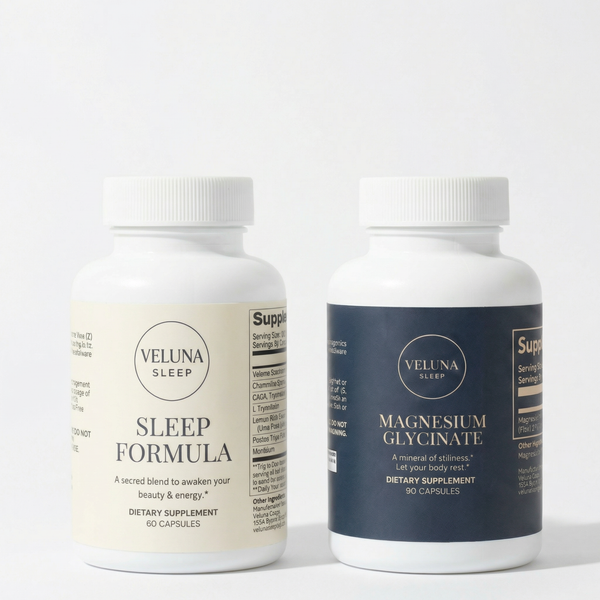
To further support your journey towards restorative sleep, explore our curated selection of sleep-enhancing products. Our Veluna Sleep Formula offers a blend of natural ingredients designed to promote relaxation and improve sleep quality. For those seeking targeted nutrient support, our Magnesium Glycinate is formulated for optimal absorption and its role in sleep regulation. Additionally, delve into our comprehensive Sleep Hygiene Hub for practical, evidence-based strategies to cultivate healthy sleep habits.
Recommended Veluna products for this topic:
- Deep Restore Starter Set — our complete deep-sleep starter kit.