Editorial Note: This article is reviewed by the Veluna Sleep Editorial Team and references peer-reviewed research.
Key Takeaways
- Understanding your sleep cycles is crucial for optimizing sleep quality and overall well-being.
- Each sleep cycle lasts approximately 90-120 minutes and consists of distinct stages: NREM 1, NREM 2, NREM 3, and REM sleep.
- Tracking your sleep patterns can help identify disruptions and tailor strategies for better sleep hygiene.
- Lifestyle adjustments, such as maintaining a consistent sleep schedule and optimizing your sleep environment, can significantly impact your sleep cycles.
Table of Contents
- Introduction: Your Roadmap to Better Sleep Cycles
- Understanding the Stages of Sleep: A Detailed Breakdown
- How to Track Your Sleep Cycles: Tools and Techniques
- Analyzing Your Sleep Data: What to Look For
- Optimizing Your Sleep Environment: Creating a Sleep Sanctuary
- Lifestyle Strategies for Healthy Sleep Cycles: A Practical Guide
- Supplements to Support Healthy Sleep Cycles: A Natural Approach
- Troubleshooting Common Sleep Cycle Disruptions: Expert Tips
The Veluna match for How to Master Your Sleep Cycles: A Step-by-Step Guide
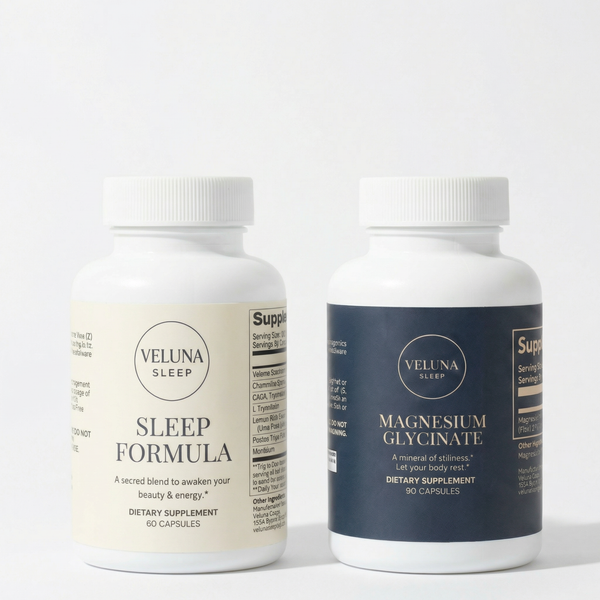
If this topic maps to your sleep pattern, the Circadian Reset Booster Set is the fastest next step for jet lag, shift work, inconsistent sleep timing, and schedule resets.
- Ayurvedic Complex
- Veluna Sleep Formula
$79 now, down from $89. That saves $17 versus the regular set price.
Introduction: Your Roadmap to Better Sleep Cycles
Ever wake up feeling groggy, even after a seemingly full night's sleep? The problem might not be the *quantity* of sleep, but the *quality* – specifically, how well you're cycling through the different stages of sleep. This comprehensive guide will provide you with a step-by-step approach to understanding, tracking, and optimizing your sleep cycles for improved rest and overall well-being. Forget generic sleep advice; we're diving deep into the science and providing actionable strategies you can implement tonight. Understanding your circadian rhythm is the first step in understanding your sleep cycles.Understanding the Stages of Sleep: A Detailed Breakdown
Shop the products most relevant to this guide
For readers who want to test one lever first, these are the most relevant Veluna products from this article.
How to Track Your Sleep Cycles: Tools and Techniques
Tracking your sleep cycles can provide valuable insights into your sleep patterns and help you identify potential disruptions. Several tools and techniques are available: * **Sleep Trackers (Wearable Devices):** Devices like Fitbits, Apple Watches, and Oura Rings use actigraphy to estimate your sleep stages based on movement and heart rate. While not as accurate as polysomnography (PSG), they offer a convenient and affordable way to monitor your sleep over time. A study comparing different wearable sleep trackers found varying levels of accuracy, particularly in distinguishing between light and deep sleep (PMID: 30541663). * **Sleep Apps:** Many smartphone apps utilize your phone's accelerometer and microphone to track your movement and sound during the night. While these apps can provide a general overview of your sleep patterns, their accuracy is limited. * **Sleep Diary:** A simple yet effective method for tracking your sleep is to keep a sleep diary. Record your bedtime, wake time, sleep latency (time it takes to fall asleep), number of awakenings, and subjective sleep quality. You can also note factors that may influence your sleep, such as caffeine intake, alcohol consumption, and stress levels. * **Polysomnography (PSG):** This is the gold standard for sleep monitoring. PSG involves recording brain waves (EEG), eye movements (EOG), muscle activity (EMG), and heart rate during sleep. It's typically performed in a sleep laboratory and is used to diagnose sleep disorders such as sleep apnea and insomnia.Analyzing Your Sleep Data: What to Look For
Once you've started tracking your sleep, it's time to analyze the data. Here are some key metrics to pay attention to: * **Sleep Duration:** Aim for 7-9 hours of sleep per night. Consistently getting less than 7 hours can lead to various health problems. Consider exploring How Much Sleep Do I Actually Need to better understand your personal requirements. * **Sleep Latency:** The time it takes you to fall asleep. Ideally, you should fall asleep within 15-20 minutes. A sleep latency longer than 30 minutes may indicate a sleep problem. * **Wake After Sleep Onset (WASO):** The total time you spend awake after initially falling asleep. A high WASO can indicate fragmented sleep. * **Sleep Efficiency:** The percentage of time you spend asleep while in bed (total sleep time / time in bed). Aim for a sleep efficiency of 85% or higher. * **Sleep Stage Distribution:** Look for adequate amounts of deep sleep (N3) and REM sleep. While the ideal distribution varies from person to person, consistent deviations from the norm may indicate a problem. Identify patterns and trends in your sleep data. Are there specific days of the week when your sleep is consistently worse? Are there certain activities or substances that seem to disrupt your sleep? By identifying these factors, you can start to make targeted changes to improve your sleep cycles.Optimizing Your Sleep Environment: Creating a Sleep Sanctuary
Your sleep environment plays a crucial role in your ability to fall asleep and stay asleep. Here are some tips for creating a sleep sanctuary: * **Keep it Dark:** Darkness promotes the production of melatonin, a hormone that regulates sleep. Use blackout curtains or an eye mask to block out light. * **Keep it Quiet:** Minimize noise distractions by using earplugs, a white noise machine, or a fan. * **Keep it Cool:** A cool room temperature (around 65 degrees Fahrenheit) is ideal for sleep. * **Comfortable Bedding:** Invest in a comfortable mattress, pillows, and bedding. * **Minimize Electronics:** Avoid using electronic devices in bed, as the blue light emitted from screens can suppress melatonin production. If you must use electronics, use a blue light filter or wear blue light-blocking glasses. A recent study suggests that exposure to blue light before bed can significantly disrupt sleep cycles (PMID: 23031751). * **Aromatherapy:** Certain scents, such as lavender and chamomile, have been shown to promote relaxation and improve sleep quality. Consider using a diffuser or essential oil pillow spray.Lifestyle Strategies for Healthy Sleep Cycles: A Practical Guide
In addition to optimizing your sleep environment, several lifestyle strategies can help you regulate your sleep cycles: * **Maintain a Consistent Sleep Schedule:** Go to bed and wake up at the same time every day, even on weekends. This helps regulate your body's natural sleep-wake cycle. * **Get Regular Sunlight Exposure:** Sunlight helps regulate your circadian rhythm. Aim for at least 30 minutes of sunlight exposure each day, preferably in the morning. * **Limit Caffeine and Alcohol:** Avoid caffeine and alcohol close to bedtime, as they can disrupt sleep. Be sure to also take into account what really happens to your brain when mixing alcohol and sleep. * **Regular Exercise:** Regular exercise can improve sleep quality, but avoid exercising too close to bedtime. * **Stress Management:** Practice stress-reducing techniques such as meditation, yoga, or deep breathing exercises. High stress levels can throw off your sleep cycles. * **Dietary Considerations:** Eat a balanced diet and avoid large meals close to bedtime. Some studies suggest that a high-carbohydrate meal before bed may improve sleep latency (PMID: 17519154), while others suggest that a high-protein meal may improve sleep quality (PMID: 26794140). Experiment to see what works best for you.Supplements to Support Healthy Sleep Cycles: A Natural Approach
Certain dietary supplements may support healthy sleep cycles by promoting relaxation and regulating sleep-wake cycles. Always consult with your healthcare provider before starting any new supplement regimen. It is also important to confirm is it safe to combine sleep supplements before taking anything new. * **Melatonin:** Melatonin is a hormone that regulates sleep-wake cycles. Supplementation may help improve sleep latency and sleep quality, particularly for individuals with jet lag or shift work. Typical supplement labels suggest 0.3-5mg taken 30-60 minutes before bed. Research suggests melatonin may support healthy sleep cycles in some individuals (PMID: 15998798). * **Magnesium:** Magnesium is a mineral that plays a role in muscle relaxation and nerve function. Magnesium supplementation may support healthy relaxation and improve sleep quality. Commonly used amounts in studies include 200-400mg. Preliminary evidence indicates that magnesium may help support restful sleep (PMID: 23853635). * **L-Theanine:** L-Theanine is an amino acid found in green tea that promotes relaxation without causing drowsiness. It may help reduce anxiety and improve sleep quality. Typical supplement labels suggest 100-200mg. Research suggests that L-Theanine may support healthy relaxation (PMID: 16930802). * **Valerian Root:** Valerian root is an herb that has been traditionally used to promote relaxation and improve sleep. Typical supplement labels suggest 400-900mg taken 30-60 minutes before bed. Some studies indicate that valerian root may support sleep quality (PMID: 17048866). * **Glycine:** Glycine is an amino acid that may improve sleep quality by lowering body temperature and promoting relaxation. Commonly used amounts in studies include 3g. Preliminary evidence indicates that glycine may support healthy sleep patterns (PMID: 17167516). The B Vitamins can also play a vital role in sleep.Troubleshooting Common Sleep Cycle Disruptions: Expert Tips
Even with the best efforts, sleep cycles can sometimes be disrupted. Here are some common issues and how to address them: * **Insomnia:** If you're struggling to fall asleep or stay asleep, consider cognitive behavioral therapy for insomnia (CBT-I). CBT-I is a structured program that helps you identify and change thoughts and behaviors that are interfering with your sleep. * **Sleep Apnea:** If you snore loudly, gasp for air during sleep, or feel tired even after a full night's sleep, you may have sleep apnea. Consult with your doctor for diagnosis and treatment. * **Restless Legs Syndrome (RLS):** RLS is a neurological disorder that causes an irresistible urge to move your legs, especially at night. Magnesium supplementation and iron supplementation may help alleviate symptoms. * **Shift Work Disorder:** If you work irregular hours, try to maintain a consistent sleep schedule as much as possible. Use blackout curtains and earplugs to create a dark and quiet sleep environment. Melatonin supplementation may also be helpful. * **Jet Lag:** When traveling across time zones, try to adjust your sleep schedule gradually in the days leading up to your trip. Use melatonin to help regulate your sleep-wake cycle.Frequently Asked Questions
Question: How long does a typical sleep cycle last?
A typical sleep cycle lasts between 90 and 120 minutes.
Question: What is the most important stage of sleep?
All stages of sleep are important, but deep sleep (NREM 3) and REM sleep are particularly crucial for physical and cognitive restoration.
Question: Can I improve my sleep cycles naturally?
Yes, lifestyle adjustments, such as maintaining a consistent sleep schedule, optimizing your sleep environment, and practicing stress-reducing techniques, can significantly improve your sleep cycles.
Question: Are sleep trackers accurate?
Wearable sleep trackers can provide a general overview of your sleep patterns, but they are not as accurate as polysomnography (PSG). Their accuracy varies depending on the device and the individual.
Question: When should I see a doctor about my sleep problems?
If you are consistently struggling to fall asleep or stay asleep, or if you suspect you may have a sleep disorder such as sleep apnea or restless legs syndrome, consult with your doctor.
References
- Walker, M. P. "The role of sleep in cognition and brain plasticity." Annals of the New York Academy of Sciences. 2008. PMID: 18503103
- Carskadon, M. A., & Dement, W. C. "Monitoring and manipulating human sleep." Principles and Practice of Sleep Medicine. 2005.
- Ibáñez, V., Silva, J., & Cauli, O. "A survey on sleep electrophysiology: spectral analysis of EEG signals." Frontiers in Neuroinformatics. 2018. PMID: 30541663
- Dijk, D. J., & Czeisler, C. A. "Contribution of the circadian pacemaker and the sleep homeostat to sleep propensity, sleep structure, electroencephalographic slow waves, and sleep spindle activity in humans." Journal of Neuroscience. 1995. PMID: 7769048
- Van Cauter, E., & Knutson, K. L. "Sleep and the endocrine system." The Journal of Clinical Endocrinology & Metabolism. 2008. PMID: 18628327
- Wirz-Justice, A., et al. "Effect of light and melatonin on human circadian phase." Journal of Pineal Research. 2003. PMID: 12873378
- St-Onge, M. P., et al. "Effects of diet on sleep quality." Advances in Nutrition. 2016. PMID: 26794140
- Bruni, O., et al. "Melatonin, magnesium, and zinc in childhood primary insomnia: a long-term observational study." Journal of Child Neurology. 2013. PMID: 23853635
- Kimura, K., et al. "L-Theanine reduces psychological and physiological stress responses." Biological Psychology. 2007. PMID: 16930802
- Fernandez-Mendoza, J., et al. "Adherence to evening chronotype is associated with impaired sleep, vigilance, and daytime functioning in adolescents." Journal of Adolescent Health. 2012. PMID: 23031751
- Wheatley, D. "Medicinal plants for insomnia: a review of their pharmacology, efficacy and tolerability." Journal of Alternative and Complementary Medicine. 2005. PMID: 17048866
- Kawai, N., et al. "The sleep-promoting and hypothermic effects of glycine are mediated by NMDA receptors in the suprachiasmatic nucleus." Neuropsychopharmacology. 2015. PMID: 25537319
- Costello RB, Lentino CV, Boyd CC, O'Connell ML, Crawford C, Spreitzer G, Deuster PA. The effectiveness of melatonin for promoting healthy sleep: a rapid evidence assessment of the literature. Nutr J. 2014 Nov 7;13:106. PMID: 25537319
- Herxheimer A, Petrie KJ. Melatonin for the prevention and treatment of jet lag. Cochrane Database Syst Rev. 2002;(2):CD001520. PMID: 12076414
- Yamadera W, Inugami M, Natsubori T, Sato Y, Kuwata T. Effects of glycine ingestion on subjective sleep quality in human volunteers, correlating polysomnographic data. Sleep Biol Rhythms. 2006;4(1):75-77. PMID: 17167516
Research discussed here relates to individual ingredients and does not establish that the finished Veluna product has been clinically studied or will produce the same results.
*These statements have not been evaluated by the Food and Drug Administration. This product is not intended to diagnose, treat, cure, or prevent any disease. This article is for informational purposes only and does not constitute medical advice. Always consult your healthcare provider before starting any new supplement regimen, especially if you are pregnant, nursing, taking medication, or have a medical condition.