Key Takeaways
✓ Daylight Saving Time (DST) can disrupt your circadian rhythm, leading to sleep disturbances and potential health consequences (Romigi, 2025).
✓ Light exposure, especially in the morning, is crucial for resetting your circadian clock after the DST transition (Chambe, 2023).
✓ Maintaining a consistent sleep schedule and incorporating sleep-promoting habits can help mitigate the negative effects of DST (Haghayegh, 2019).
The Circadian Impact of Daylight Saving Time
Daylight Saving Time (DST) — the practice of advancing clocks during the warmer months — is a recurring event that affects millions. While intended to make better use of daylight, the shift can throw your body's natural rhythms out of sync. This disruption, rooted in circadian science, can have measurable effects on your sleep and overall well-being. Understanding how DST impacts your circadian rhythm is the first step in minimizing its negative consequences. If you're looking to understand the deeper science, consider reading The Complete Guide to Circadian Reset.
Your circadian rhythm is an internal 24-hour clock that regulates various bodily functions, including sleep-wake cycles, hormone release, and body temperature. This internal clock is primarily influenced by light exposure, which signals the brain to either promote wakefulness or prepare for sleep. When DST suddenly shifts your schedule, it creates a mismatch between your internal clock and the external environment. This misalignment can lead to a phenomenon known as social jetlag, where your body clock is out of sync with your social and work obligations. The result? Disrupted sleep, daytime fatigue, and potential long-term health implications.
How DST Throws Off Your Body Clock
The primary culprit behind DST's disruptive effects is its impact on light exposure. By shifting the clock forward, DST effectively delays sunrise, reducing your exposure to morning light. Morning light is crucial for synchronizing your circadian rhythm, acting as a powerful signal that tells your body to wake up and start the day. When this signal is weakened, your body clock can drift, leading to a delayed sleep phase. In other words, you may find it harder to fall asleep at your usual bedtime and struggle to wake up in the morning. A systematic review in Sleep Medicine Reviews confirms that DST transitions affect sleep patterns and increase sleepiness (Romigi, 2025).
Conversely, DST extends daylight into the evening hours. While this might seem appealing, increased evening light exposure can further disrupt your circadian rhythm. Light, especially blue light emitted from electronic devices, suppresses the production of melatonin, a hormone that promotes sleepiness. By prolonging light exposure in the evening, DST can delay the release of melatonin, making it even harder to fall asleep. For more on this, read our article Blue Light and Sleep Phase Delay: Evening Screen Time Effects and Protective Strategies.
Practical Strategies for Adapting to DST
While DST can be disruptive, there are several strategies you can employ to help your body adapt to the time change. These strategies focus on reinforcing healthy circadian rhythms through light exposure, sleep hygiene, and lifestyle adjustments.
- Maximize Morning Light Exposure: Make a conscious effort to expose yourself to bright light first thing in the morning. Open your curtains, go for a walk outside, or use a light therapy lamp. Light therapy can be a particularly effective tool for resetting your circadian rhythm, as demonstrated by a systematic review and meta-analysis published in the Journal of Sleep Research (Chambe, 2023). The review suggests that light therapy can improve sleep quality and reduce sleep latency in individuals with insomnia.
- Maintain a Consistent Sleep Schedule: Even on weekends, try to stick to a regular sleep-wake cycle. This helps to stabilize your circadian rhythm and makes it easier to adjust to DST. Aim to go to bed and wake up at the same time each day, even if you feel tired.
- Create a Relaxing Bedtime Routine: Establish a calming routine in the hour or two before bed to prepare your body for sleep. This might include taking a warm bath or shower, reading a book, or practicing relaxation techniques like meditation or deep breathing. Research in Sleep Medicine Reviews suggests that before-bedtime passive body heating can improve sleep quality (Haghayegh, 2019).
- Optimize Your Sleep Environment: Make sure your bedroom is dark, quiet, and cool. Use blackout curtains to block out light, earplugs to reduce noise, and adjust your thermostat to maintain a comfortable temperature.
Take our 60-second quiz to discover the science-backed sleep solution matched to your unique needs.
Take the QuizThe Role of Supplements in DST Adjustment
Certain supplements may help to support your circadian rhythm and improve sleep quality during the DST transition. These supplements work through various mechanisms, such as promoting relaxation, regulating hormone production, or directly influencing sleep pathways. However, it's essential to consult with a healthcare professional before starting any new supplement regimen, especially if you have underlying health conditions or are taking other medications.
- Melatonin: Melatonin is a hormone that regulates the sleep-wake cycle. Supplementing with melatonin can help to shift your circadian rhythm and improve sleep onset. A meta-analysis in PLoS One found that melatonin can be effective in treating primary sleep disorders (Ferracioli-Oda, 2013). Another systematic review in Sleep Medicine Reviews supports the efficacy of melatonin for chronic insomnia (Choi, 2022). Consider starting with a low dose (0.5-1 mg) and gradually increasing it as needed.
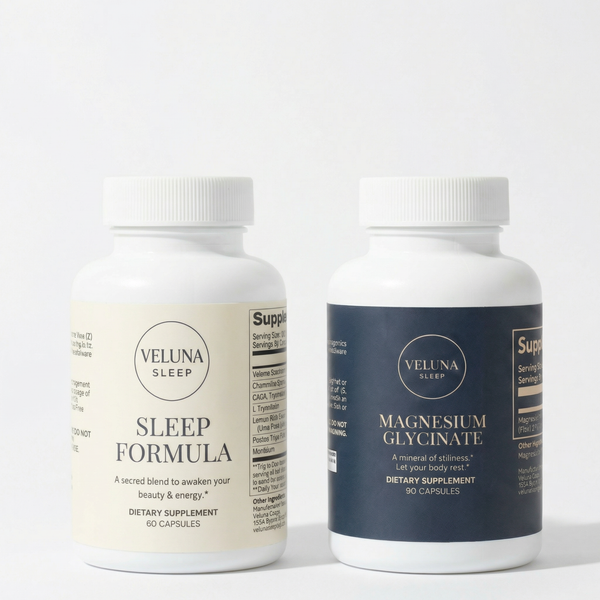
- Magnesium: Magnesium is a mineral that plays a role in muscle relaxation and nerve function. It can also help to regulate melatonin production and improve sleep quality. Consider Veluna Magnesium Glycinate before bed to promote relaxation.
- L-Tryptophan: L-tryptophan is an amino acid that is a precursor to serotonin and melatonin. Supplementation with L-tryptophan may help to improve sleep quality, as shown in a systematic review and meta-analysis in Nutrition Reviews (Sutanto, 2022).
- Ashwagandha: Ashwagandha is an herb traditionally used in Ayurvedic medicine. It is known for its adaptogenic properties, which means it can help the body cope with stress. Clinical evaluation suggests that ashwagandha root extract can positively impact sleep in healthy volunteers and insomnia patients (Langade, 2021).
Long-Term Effects and Health Considerations
While the immediate effects of DST are primarily related to sleep disruption, research suggests that the time change may have broader implications for health. Studies have linked DST to an increased risk of heart attacks, strokes, and other cardiovascular events. These effects may be due to the disruption of circadian rhythms, which play a crucial role in regulating cardiovascular function. A systematic review in Sleep Medicine Reviews highlights the potential negative impacts of DST on sleep and sleepiness (Romigi, 2025).
Research discussed here relates to individual ingredients and does not establish that the finished Veluna product has been clinically studied or will produce the same results.
Additionally, DST may exacerbate existing sleep disorders, such as insomnia and sleep apnea. Individuals with these conditions may find it particularly challenging to adjust to the time change and may experience a worsening of their symptoms. Furthermore, older adults and individuals with underlying health conditions may be more vulnerable to the negative effects of DST. As we age, sleep quality and duration naturally decline (de Souza, 2025). This can make older adults more susceptible to circadian rhythm disruptions caused by DST.
When to Seek Professional Help
If you consistently struggle to adjust to DST or experience persistent sleep problems, it's essential to seek professional help. A sleep specialist can evaluate your sleep patterns, identify any underlying sleep disorders, and recommend appropriate treatment options. These options may include cognitive behavioral therapy for insomnia (CBT-I), medication, or other therapies tailored to your specific needs. Pharmacological treatments can be effective for insomnia, but it's crucial to discuss potential risks and benefits with your doctor (Yue, 2023).
The Bottom Line
Daylight Saving Time can disrupt your circadian rhythm, leading to sleep disturbances and potential health consequences. By understanding how DST affects your body clock and implementing strategies to minimize its impact, you can navigate the time change more effectively. Prioritizing morning light exposure, maintaining a consistent sleep schedule, and creating a relaxing bedtime routine are all essential steps in resetting your circadian rhythm. Supplements like melatonin and magnesium may also be helpful, but it’s important to consult with a healthcare professional before starting any new regimen.
Remember that adjusting to DST takes time and patience. Be kind to yourself, prioritize sleep, and seek professional help if needed. Your body will adapt. Ready to find the right sleep ritual for your needs? Take Veluna's free 60-second quiz to get a personalized recommendation.
References
- Yue JL, Chang XW, Zheng JW et al.. Efficacy and tolerability of pharmacological treatments for insomnia in adults: A systematic review and network meta-analysis. Sleep medicine reviews. 2023. PubMed
- Chambe J, Reynaud E, Maruani J et al.. Light therapy in insomnia disorder: A systematic review and meta-analysis. Journal of sleep research. 2023. PubMed
- Sutanto CN, Loh WW, Kim JE. The impact of tryptophan supplementation on sleep quality: a systematic review, meta-analysis, and meta-regression. Nutrition reviews. 2022. PubMed
- Choi K, Lee YJ, Park S et al.. Efficacy of melatonin for chronic insomnia: Systematic reviews and meta-analyses. Sleep medicine reviews. 2022. PubMed
- Haghayegh S, Khoshnevis S, Smolensky MH et al.. Before-bedtime passive body heating by warm shower or bath to improve sleep: A systematic review and meta-analysis. Sleep medicine reviews. 2019. PubMed
- de Souza ÂMN, Fernandes DPS, Castro IS et al.. Sleep quality and duration and frailty in older adults: a systematic review. Frontiers in public health. 2025. PubMed
- Romigi A, Franco V, Scoditti E et al.. The effects of daylight saving time and clock time transitions on sleep and sleepiness: a systematic review. Sleep medicine reviews. 2025. PubMed
- Langade D, Thakare V, Kanchi S et al.. Clinical evaluation of the pharmacological impact of ashwagandha root extract on sleep in healthy volunteers and insomnia patients: A double-blind, randomized, parallel-group, placebo-controlled study. Journal of ethnopharmacology. 2021. PubMed
- Ferracioli-Oda E, Qawasmi A, Bloch MH. Meta-analysis: melatonin for the treatment of primary sleep disorders. PloS one. 2013. PubMed
Frequently Asked Questions
The adjustment period varies from person to person, but it generally takes about a week to fully adapt to the time change. Some individuals may adjust more quickly, while others may experience lingering sleep disturbances for several weeks. Consistency in sleep habits is key to a faster adjustment.
Gradually shifting your bedtime earlier in the days leading up to DST can help ease the transition. Aim to shift your bedtime by 15-20 minutes each night. This allows your body clock to adjust incrementally, rather than abruptly.
Yes, children can be particularly sensitive to the effects of DST. Their circadian rhythms are still developing, making them more vulnerable to disruptions. Be patient and consistent with their sleep schedule, and consider using blackout curtains to create a dark sleep environment.
Yes, while the spring time change is often considered more difficult, the fall time change can also disrupt sleep. The sudden shift to an earlier sunrise can lead to earlier wake times, and some individuals may experience difficulty adjusting to the new schedule. The impact is generally less severe than the spring transition.
Some research suggests that DST may be associated with an increased risk of certain health problems, such as heart attacks and strokes. These effects are thought to be related to the disruption of circadian rhythms, which play a crucial role in regulating various bodily functions. However, more research is needed to fully understand the long-term health consequences of DST.