Understanding Magnesium for Sleep
Magnesium plays a critical role in numerous physiological processes, including neurotransmitter regulation and muscle relaxation, both of which are fundamental to healthy sleep architecture. Its involvement in the GABAergic system, a primary inhibitory neurotransmitter pathway, helps to calm the nervous system, reducing the excitability that can interfere with falling asleep and staying asleep. Furthermore, magnesium is a cofactor for enzymes involved in melatonin synthesis, the hormone that regulates the sleep-wake cycle. When considering magnesium for sleep, the focus shifts to forms that offer optimal bioavailability and minimal gastrointestinal side effects, ensuring consistent and effective support for sleep quality.
Which magnesium is best for sleep? For most people, the best magnesium for sleep is magnesium glycinate — magnesium bound to the calming amino acid glycine. It absorbs well, is gentle on the stomach, and supports the same GABA pathways that help quiet a racing mind at night. Forms like citrate, oxide, malate and L-threonate each have a place, but glycinate is the one most consistently recommended for falling and staying asleep.
Magnesium forms compared for sleep
| Form | Absorption | Best for | GI tolerance |
|---|---|---|---|
| Glycinate | High | Sleep, anxiety, racing mind | Excellent |
| L-Threonate | High (brain) | Cognitive calm, memory | Good |
| Citrate | Moderate | Constipation, general use | Laxative at higher doses |
| Malate | Moderate | Daytime energy, muscle | Good |
| Oxide | Low | Cheap, least sleep-specific | Often laxative |
Not sure which magnesium — or which ritual — is right for you?
Answer a few questions and we’ll match you to your personalized sleep ritual — in about 60 seconds.
Take the 60-Second Sleep Quiz →The effectiveness of magnesium for sleep is influenced by several factors, including the specific form of magnesium used, its dosage, and individual absorption rates. Different magnesium compounds have varying solubilities and absorption pathways in the gut, leading to distinct physiological impacts. For instance, some forms are more prone to causing digestive upset, while others are better suited for crossing the blood-brain barrier. The presence of co-factors or chelating agents within the supplement formulation can also enhance absorption and efficacy. Therefore, selecting a magnesium supplement requires careful consideration of these elements to maximize its therapeutic potential for sleep disturbances.
Quick Pick
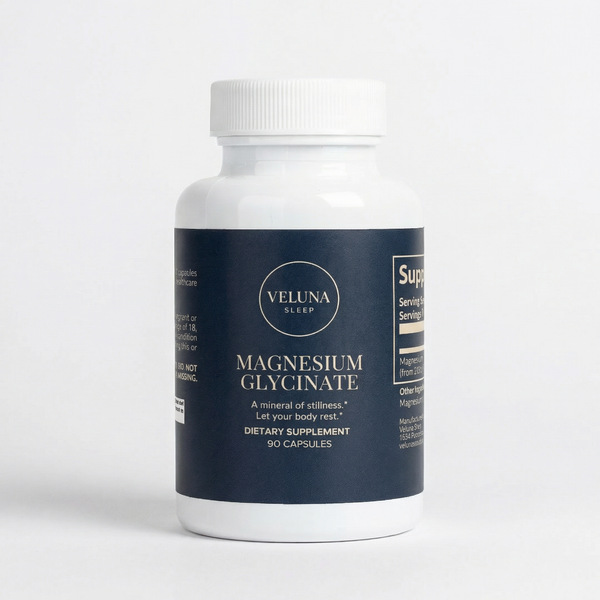
For those seeking the best magnesium for sleep, Veluna Magnesium Glycinate stands out due to its superior bioavailability and gentle gastrointestinal profile. This chelated form is specifically designed to be easily absorbed, delivering calming benefits without the common digestive discomfort associated with other magnesium types, making it an ideal choice for nightly use.
How We Evaluated
- Bioavailability: Assessed the absorption efficiency of different magnesium forms, prioritizing those known for superior uptake.
- Gastrointestinal Tolerance: Evaluated the likelihood of digestive side effects, such as diarrhea or stomach upset, with each form.
- Mechanism of Action: Considered how each magnesium type interacts with neurotransmitter systems and hormonal pathways relevant to sleep.
- Dosage and Form Consistency: Examined typical effective dosages and the stability of the magnesium compound.
- Scientific Evidence: Prioritized forms with robust research supporting their use for sleep and relaxation.
- Purity and Additives: Checked for unnecessary fillers, artificial colors, or allergens in the formulations.
Top Picks
Veluna Magnesium Glycinate
Veluna Magnesium Glycinate utilizes a highly bioavailable form where magnesium is bound to the amino acid glycine. This chelated structure protects magnesium from interacting with other minerals during absorption, leading to significantly enhanced uptake in the body. Glycine itself is an inhibitory neurotransmitter that can promote relaxation and improve sleep quality by reducing core body temperature and calming the central nervous system. This dual action makes magnesium glycinate particularly effective for individuals struggling with insomnia, anxiety-related sleep disturbances, or general restlessness.
The recommended dosage for Veluna Magnesium Glycinate typically ranges from 200-400 mg of elemental magnesium per day, often taken in the evening. Its gentle nature on the stomach means it is well-tolerated by most individuals, even at higher doses, making it suitable for nightly use. Users can expect a calming effect that facilitates the transition to sleep and may contribute to deeper, more restorative rest. Those with sensitive digestive systems or a history of experiencing laxative effects from other magnesium supplements will find this form to be a significant advantage. It is recommended to start with a lower dose to assess individual tolerance and gradually increase as needed.
Doctor's Best High Absorption Magnesium Glycinate
Doctor's Best High Absorption Magnesium Glycinate is formulated to provide magnesium in a chelated form, enhancing its absorption and reducing the likelihood of gastrointestinal upset. This product uses magnesium bound to glycine, an amino acid known for its calming properties. The chelation process ensures that the magnesium is protected from phytates and oxalates in the digestive tract, which can otherwise inhibit absorption. This makes it a highly effective option for individuals seeking to increase their magnesium levels for sleep support without experiencing common side effects.
The typical dosage is around 2 capsules (providing 200 mg of elemental magnesium) taken daily, preferably in the evening. This form is well-suited for individuals who are sensitive to the laxative effects of other magnesium compounds like magnesium oxide or citrate. Its mechanism of action involves both replenishing magnesium stores, which are often depleted in individuals with sleep issues, and leveraging the direct calming effects of glycine. Users often report improved sleep onset, reduced nighttime awakenings, and a general sense of relaxation. It is important to note that while generally well-tolerated, some individuals may still experience mild digestive discomfort at very high doses.
Pure Encapsulations Magnesium Glycinate
Pure Encapsulations Magnesium Glycinate offers a high-purity, hypoallergenic formulation designed for optimal absorption and therapeutic benefit. Each serving delivers a significant dose of elemental magnesium chelated with glycine, ensuring maximum bioavailability and minimal gastrointestinal irritation. This approach is particularly beneficial for individuals with compromised digestive function or those who have experienced adverse reactions to other magnesium supplements. The company's commitment to avoiding common allergens and unnecessary additives makes it a reliable choice for sensitive individuals.
The recommended daily intake is typically 1-2 capsules, providing 120-240 mg of elemental magnesium. This dosage is effective for promoting relaxation and supporting healthy sleep patterns. Magnesium glycinate works by supporting neurotransmitter function, particularly by enhancing GABA receptor activity, which has a calming effect on the brain. It also plays a role in regulating melatonin production. This product is ideal for individuals seeking a clean, effective magnesium supplement to aid in sleep without added fillers or potential irritants. It is generally well-tolerated, but as with any supplement, starting with a lower dose is advisable to gauge individual response.
Klaire Labs Magnesium Glycinate
Klaire Labs Magnesium Glycinate is formulated for individuals who require a highly bioavailable and well-tolerated magnesium supplement. This product features magnesium chelated with glycine, an amino acid that contributes to its gentle nature on the digestive system and its ability to promote relaxation. The manufacturing process emphasizes purity and efficacy, making it suitable for those with sensitive stomachs or specific dietary restrictions. The chelated form ensures that the magnesium is readily absorbed, allowing it to exert its beneficial effects on the nervous system and sleep cycles.
A typical serving size is 2 capsules, delivering approximately 200 mg of elemental magnesium. This amount is generally sufficient to support relaxation and improve sleep quality when taken before bedtime. Magnesium glycinate's mechanism involves modulating neurotransmitter activity, particularly by acting as an NMDA receptor antagonist and enhancing GABAergic signaling, both of which are crucial for reducing anxiety and facilitating sleep. It is an excellent choice for individuals who have found other forms of magnesium to be too harsh or ineffective. While side effects are rare, it's prudent to start with a smaller dose to assess personal tolerance.
Life Extension Magnesium Caps
Life Extension's Magnesium Caps provide a blend of magnesium citrate and magnesium oxide, aiming for a balance of bioavailability and cost-effectiveness. While magnesium citrate generally offers good absorption, magnesium oxide, though less bioavailable, can contribute to higher elemental magnesium content per serving. This combination is intended to support overall magnesium levels, which are crucial for numerous bodily functions, including nerve and muscle function that indirectly influence sleep quality. The company focuses on scientifically backed formulations to promote health and longevity.
The typical recommended dose is 2 capsules daily, providing a substantial amount of elemental magnesium. This formulation is suitable for individuals looking to supplement their magnesium intake for general health and potential sleep benefits. Magnesium plays a role in regulating neurotransmitters that promote relaxation and sleep, and maintaining adequate levels is important for a healthy sleep-wake cycle. However, the inclusion of magnesium oxide may increase the risk of mild gastrointestinal discomfort for some individuals compared to purely chelated forms. It's advisable to monitor for any digestive issues and consider splitting the dose if necessary. For those prioritizing a gentler option, other magnesium forms might be preferable.
NOW Foods Magnesium Glycinate
NOW Foods Magnesium Glycinate offers a cost-effective and accessible option for those seeking the benefits of this highly bioavailable magnesium form. The product features magnesium bound to glycine, designed for improved absorption and a reduced likelihood of gastrointestinal distress. This makes it a popular choice for individuals who need to supplement their magnesium intake for sleep and relaxation without the common side effects associated with less absorbable forms. NOW Foods is known for providing quality supplements at competitive prices.
The recommended dosage is typically 2 capsules taken daily, providing a good amount of elemental magnesium. This form is beneficial for supporting a calm nervous system and promoting restful sleep by influencing neurotransmitter activity. Glycine itself has been shown to improve sleep quality, making this a synergistic combination. It is particularly well-suited for individuals who are sensitive to other magnesium supplements or who have experienced digestive issues. While generally well-tolerated, it is always wise to start with a lower dose to observe individual response and adjust as needed. This product is a solid choice for those looking for an effective and budget-friendly magnesium glycinate supplement.
Buyer's Guide
When selecting a magnesium supplement for sleep, understanding potential side effects and interactions is paramount. The most common side effect associated with magnesium supplementation, particularly with less bioavailable forms like magnesium oxide, is diarrhea. Magnesium citrate, while more absorbable than oxide, can also cause loose stools in some individuals, especially at higher doses. Magnesium glycinate and magnesium L-threonate are generally considered the gentlest forms, with a significantly lower risk of gastrointestinal upset. These forms are better tolerated and thus more suitable for consistent nightly use to support sleep. It is advisable to start with the lowest effective dose and gradually increase it to assess individual tolerance, as recommended by the NIH Office of Dietary Supplements (ODS) fact sheet on magnesium.
Magnesium supplements can interact with certain medications. For individuals taking proton pump inhibitors (PPIs) such as omeprazole or lansoprazole, which are used to reduce stomach acid, there is a potential for reduced magnesium absorption over long-term use. This can lead to magnesium deficiency, necessitating increased intake or monitoring. A 2018 study published in the American Journal of Gastroenterology highlighted this interaction, suggesting that patients on long-term PPI therapy should have their magnesium levels checked. Furthermore, individuals with MTHFR gene mutations, which can affect folate metabolism, may have different needs for certain nutrients. While magnesium itself is not directly contraindicated for MTHFR, optimal nutrient status is crucial for overall health and methylation processes. Some research, such as a 2020 review in Nutrients, suggests that adequate magnesium intake is important for supporting various enzymatic functions, including those involved in methylation cycles. Therefore, it is always recommended to consult with a healthcare professional before starting any new supplement, especially if you have underlying health conditions or are taking medications.
Research discussed here relates to individual ingredients and does not establish that the finished Veluna product has been clinically studied or will produce the same results.
Veluna's Recommendation
At Veluna Sleep, we prioritize evidence-based formulations that deliver tangible benefits for sleep quality. Our Veluna Magnesium Glycinate is meticulously crafted to address the common challenges individuals face when seeking natural sleep support. By utilizing magnesium bound to glycine, we ensure superior absorption and a gentle, calming effect on the nervous system, free from the digestive discomfort often associated with other magnesium compounds. This makes it an ideal and consistent choice for nightly use, supporting deeper, more restorative sleep without unwanted side effects. We believe in the power of targeted supplementation to enhance your sleep hygiene, complementing practices like those outlined in our guide to sleep hygiene habits for better sleep.
Our commitment to purity and efficacy means that Veluna Magnesium Glycinate contains only what you need – high-quality magnesium glycinate without unnecessary fillers or additives. This focus on a clean, bioavailable form allows magnesium to effectively support neurotransmitter function, promote relaxation, and contribute to the natural regulation of the sleep-wake cycle. For individuals looking for a reliable, gentle, and effective way to improve their sleep, Veluna Magnesium Glycinate is the clear choice. Explore our formulation and experience the difference that targeted magnesium supplementation can make for your nightly rest by visiting Veluna Magnesium Glycinate.
FAQ
What type of magnesium is best for sleep?
The type of magnesium generally considered best for sleep is magnesium glycinate. This is due to its high bioavailability, meaning it is well-absorbed by the body, and its gentle nature on the digestive system, minimizing the risk of side effects like diarrhea. Glycine, the amino acid it's bound to, also has calming properties that can further aid relaxation and sleep onset.
Is magnesium citrate or glycinate better for sleep?
Magnesium glycinate is generally considered better for sleep than magnesium citrate. While magnesium citrate is also well-absorbed and can support sleep, it is more prone to causing loose stools or diarrhea in some individuals, especially at higher doses. Magnesium glycinate offers superior gastrointestinal tolerance, making it a more consistent and comfortable option for nightly use to promote relaxation and sleep.
Can I take magnesium with MTHFR?
Yes, you can generally take magnesium if you have an MTHFR gene mutation. Magnesium plays a crucial role in many bodily processes, including methylation, which is relevant to MTHFR function. Adequate magnesium intake is important for overall health and can support enzymatic functions. However, if you have specific concerns or are taking other supplements related to MTHFR support, it is advisable to consult with a healthcare provider.
Should you take magnesium if you take PPI?
If you take proton pump inhibitors (PPIs) regularly, you should be aware that they can reduce magnesium absorption, potentially leading to deficiency over time. A 2018 study in the American Journal of Gastroenterology noted this interaction. It is recommended to discuss your magnesium intake with your doctor; they may suggest monitoring your magnesium levels or considering a magnesium supplement, potentially a more bioavailable form like magnesium glycinate, while on PPI therapy.
What is the downside of magnesium glycinate?
The primary downside of magnesium glycinate, although rare, can be mild gastrointestinal upset if taken in very high doses, though it is significantly less common than with other forms. For most individuals, the main "downside" is its typically higher cost compared to less bioavailable forms like magnesium oxide. However, for those seeking effective sleep support without digestive issues, its benefits often outweigh this consideration.
Is it okay to take magnesium every night for sleep?
Yes, it is generally considered safe and often beneficial to take magnesium every night for sleep, particularly forms like magnesium glycinate that are well-tolerated. Consistent daily intake helps maintain optimal magnesium levels, which are crucial for regulating neurotransmitters involved in relaxation and sleep. As per recommendations from the NIH Office of Dietary Supplements (ODS), the tolerable upper intake level for supplemental magnesium for adults is 350 mg per day from supplements, and exceeding this may increase the risk of side effects. Always follow product dosing recommendations or consult a healthcare professional.