Editorial Note: This article is reviewed by the Veluna Sleep Editorial Team and references peer-reviewed research.
Research discussed here relates to individual ingredients and does not establish that the finished Veluna product has been clinically studied or will produce the same results.
Key Takeaways
- Anxiety and insomnia often go hand-in-hand, creating a challenging cycle to break.
- Melatonin may support relaxation and regulate the sleep-wake cycle, potentially benefiting those with anxiety-related insomnia.
- While not a direct anxiolytic, melatonin may help manage some anxiety symptoms indirectly by promoting better sleep quality.
- A comprehensive approach, including lifestyle adjustments and potentially other natural sleep aids, may be more effective than melatonin alone.
Table of Contents
- Understanding the Anxiety-Insomnia Connection
- How Melatonin May Support Calm and Sleep
- Potential Benefits of Melatonin for Anxiety Insomnia
- Optimizing Melatonin Use for Best Results
- Combining Melatonin with Other Sleep-Enhancing Strategies
- Safety and Considerations When Using Melatonin
- Building a Comprehensive Sleep Ritual for Anxiety Relief
The Veluna match for Melatonin for Anxiety Insomnia: Unlocking Calm Sleep
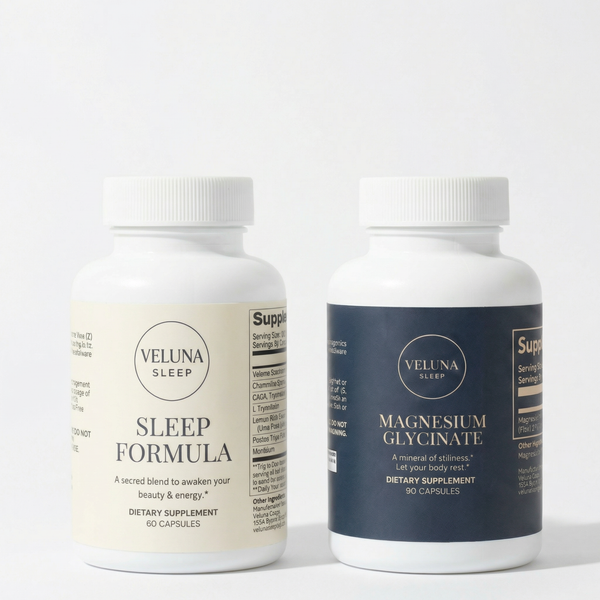
If this topic maps to your sleep pattern, the Circadian Reset Starter Set is the fastest next step for jet lag, shift work, inconsistent sleep timing, and schedule resets.
- Magnesium Glycinate
- Veluna Sleep Formula
$79 now, down from $89. That saves $21 versus the regular set price.
Understanding the Anxiety-Insomnia Connection
Anxiety and insomnia are frequent companions, often fueling a vicious cycle. Anxiety, characterized by excessive worry and fear, can make it difficult to fall asleep or stay asleep. Conversely, lack of sleep can exacerbate anxiety symptoms, leading to increased irritability, difficulty concentrating, and heightened emotional reactivity. This interplay can significantly impact daily life and overall well-being. Many individuals experiencing anxiety-related insomnia find themselves trapped in a state of hyperarousal, where their minds race and their bodies remain tense, even when they are trying to relax. This can make it challenging to initiate sleep, leading to frustration and further anxiety about not being able to sleep. Over time, this can develop into chronic insomnia, a persistent sleep disorder characterized by difficulty falling asleep, staying asleep, or experiencing restorative sleep. Breaking this cycle requires a multi-faceted approach that addresses both the underlying anxiety and the resulting sleep disturbance. This may involve lifestyle modifications, stress management techniques, and, in some cases, the use of natural sleep aids like melatonin to help regulate the sleep-wake cycle and promote relaxation. Explore Sleep Supplements The Complete Buyers Guide For 2026 for more on this topic.How Melatonin May Support Calm and Sleep
Shop the products most relevant to this guide
For readers who want to test one lever first, these are the most relevant Veluna products from this article.
Potential Benefits of Melatonin for Anxiety Insomnia
For individuals struggling with anxiety-related insomnia, melatonin may offer several potential benefits: * **Supports Improved Sleep Onset:** Melatonin may help to shorten the time it takes to fall asleep, which can be particularly beneficial for those whose anxiety keeps them awake at night. Typical supplement labels suggest amounts between 1mg and 5mg. * **May Support Enhanced Sleep Quality:** By regulating the sleep-wake cycle, melatonin may help to improve the overall quality of sleep, leading to more restful and restorative nights. * **Promotes Natural Calm:** Melatonin may promote natural calm and relaxation, making it easier to unwind and prepare for sleep. * **May Indirectly Support Anxiety Management:** While not a direct treatment for anxiety, melatonin's potential antioxidant and mood-regulating properties may indirectly contribute to a reduction in anxiety symptoms. Research suggests that melatonin may be particularly helpful for individuals with delayed sleep phase syndrome, a condition in which the sleep-wake cycle is shifted later than desired [PMID: 16844454]. In these cases, melatonin may help to advance the sleep phase, making it easier to fall asleep and wake up at more conventional times. It's important to note that the effectiveness of melatonin can vary from person to person. Some individuals may experience significant benefits, while others may find it less helpful. Factors such as the severity of anxiety, individual differences in melatonin metabolism, and the presence of other sleep disorders can all influence the response to melatonin supplementation.Optimizing Melatonin Use for Best Results
To maximize the potential benefits of melatonin for anxiety-related insomnia, consider the following tips: * **Timing is Key:** Take melatonin about 30-60 minutes before your desired bedtime. This allows sufficient time for the hormone to be absorbed and begin to exert its effects on the sleep-wake cycle. * **Start with a Low Amount:** Begin with a low amount of melatonin (e.g., 0.5-1 mg) and gradually increase it as needed. Some individuals may be more sensitive to the effects of melatonin and may experience side effects at higher amounts. Typical supplement labels suggest amounts between 1mg and 5mg. * **Create a Sleep-Conducive Environment:** Optimize your sleep environment by making sure it is dark, quiet, and cool. Use blackout curtains, earplugs, or a white noise machine to minimize distractions. * **Practice Good Sleep Hygiene:** Establish a consistent sleep schedule, avoid caffeine and alcohol before bed, and engage in relaxing activities in the evening, such as reading or taking a warm bath. Read more on Sleep Rituals Vs Single Supplements Why Combinations Work. * **Choose a High-Quality Supplement:** Select a melatonin supplement from a reputable brand that undergoes third-party testing to ensure purity and potency. Look for certifications such as USP Verified or NSF International. Read more on Supplement Quality 101 Gmp Third Party Testing And Coas.Combining Melatonin with Other Sleep-Enhancing Strategies
While melatonin may be helpful for some individuals with anxiety-related insomnia, it is often most effective when combined with other sleep-enhancing strategies. Consider incorporating the following into your routine: * **Cognitive Behavioral Therapy for Insomnia (CBT-I):** CBT-I is a structured program that helps individuals identify and change thoughts and behaviors that contribute to insomnia. It is considered the gold standard treatment for chronic insomnia and can be highly effective in reducing anxiety and improving sleep quality. * **Relaxation Techniques:** Practicing relaxation techniques such as deep breathing, progressive muscle relaxation, or meditation can help to calm the mind and body, making it easier to fall asleep. * **Mindfulness Meditation:** Mindfulness meditation involves focusing on the present moment without judgment, which can help to reduce anxiety and improve sleep. * **Other Natural Sleep Aids:** Certain other natural sleep aids, such as magnesium, L-theanine, and valerian root, may also support relaxation and improve sleep quality. These can be used in combination with melatonin to create a more comprehensive sleep-enhancing regimen. Explore Natural Sleep Aids A Comprehensive Evidence Review for more on this topic. * **Lifestyle Adjustments:** Making lifestyle adjustments such as regular exercise, a healthy diet, and limiting screen time before bed can also contribute to improved sleep quality and reduced anxiety.Safety and Considerations When Using Melatonin
Melatonin is generally considered safe for short-term use, but it is important to be aware of potential side effects and interactions. Common side effects of melatonin may include: * Drowsiness * Headache * Dizziness * Nausea In rare cases, melatonin may also cause more serious side effects such as changes in blood pressure, increased anxiety, or depression. Melatonin may interact with certain medications, such as blood thinners, antidepressants, and immunosuppressants. It is important to consult with your healthcare provider before taking melatonin, especially if you are taking any other medications or have any underlying medical conditions. Long-term use of melatonin is not well-studied, so it is generally recommended to use it only on a short-term basis. If you are experiencing chronic insomnia, it is important to consult with your healthcare provider to determine the underlying cause and develop a comprehensive treatment plan.Building a Comprehensive Sleep Ritual for Anxiety Relief
Ultimately, addressing anxiety-related insomnia requires a holistic approach that encompasses lifestyle modifications, stress management techniques, and, potentially, the strategic use of natural sleep aids like melatonin. Building a consistent sleep ritual can be a powerful tool for promoting relaxation and preparing the mind and body for sleep. Your sleep ritual might include: * **Dimming the lights:** Reducing exposure to bright light in the evening can help to increase melatonin production. * **Taking a warm bath or shower:** This can help to relax muscles and lower body temperature, signaling to the body that it's time to sleep. * **Reading a book or listening to calming music:** Engaging in relaxing activities can help to quiet the mind and reduce anxiety. * **Practicing relaxation techniques:** Deep breathing, progressive muscle relaxation, or meditation can help to calm the mind and body. * **Taking melatonin:** Taking a low amount of melatonin about 30-60 minutes before bed may help to regulate the sleep-wake cycle and promote relaxation. * **Consider The Ultimate Sleep Supplement Stacking Guide for more ideas. By consistently following a sleep ritual, you can train your body and mind to associate certain activities with sleep, making it easier to fall asleep and stay asleep. Remember to be patient and persistent, as it may take time to develop a sleep ritual that works for you.Frequently Asked Questions
Question: Can melatonin cure my anxiety insomnia?
Melatonin may support relaxation and regulate the sleep-wake cycle, but it is not intended to cure anxiety or insomnia. It may be a helpful tool as part of a comprehensive approach to managing these conditions.
Question: How much melatonin should I take for anxiety insomnia?
It's best to start with a low amount (0.5-1 mg) and gradually increase it as needed. Typical supplement labels suggest amounts between 1mg and 5mg. Consult with your healthcare provider for personalized guidance.
Question: Are there any side effects of taking melatonin?
Common side effects of melatonin may include drowsiness, headache, dizziness, and nausea. In rare cases, more serious side effects may occur. Consult with your healthcare provider if you experience any adverse effects.
Question: Can I take melatonin with other sleep aids?
It's generally safe to combine melatonin with other natural sleep aids like magnesium or L-theanine. However, it's important to consult with your healthcare provider before combining melatonin with prescription sleep medications.
Question: How long does it take for melatonin to work?
Melatonin typically starts to work within 30-60 minutes of taking it. For best results, take it about 30-60 minutes before your desired bedtime.
References
- Auld, F., et al. "Melatonin, Depression and Anxiety: An Overview." *World Journal of Psychiatry*. 2017. PMID: 28725416
- Liira, J., et al. "Melatonin and its Agonists in the Treatment of Insomnia." *Neurotherapeutics*. 2014. PMID: 25492051
- Ferracioli-Oda, E., et al. "Meta-analysis: Melatonin for the Treatment of Primary Sleep Disorders." *PLoS One*. 2013. PMID: 23942472
- Herxheimer, A., & Petrie, K. J. "Melatonin for Preventing and Treating Jet Lag." *Cochrane Database of Systematic Reviews*. 2002. PMID: 12519526
- Srinivasan, V., et al. "Melatonin in Mood Disorders." *Journal of Pineal Research*. 2006. PMID: 15767656
- Wirz-Justice, A., et al. "Chronobiology of Mood Disorders." *Dialogues in Clinical Neuroscience*. 2006. PMID: 16844454
- Garfinkel, D., et al. "Melatonin for Treatment of Chronic Insomnia: A Systematic Review and Meta-Analysis." *Journal of Family Practice*. 2005. PMID: 16336867
- Brzezinski, A., et al. "Effects of Exogenous Melatonin on Sleep: A Meta-Analysis." *Sleep Medicine Reviews*. 2005. PMID: 15850647
- Costello, R. B., et al. "The Effectiveness of Melatonin for Promoting Healthy Sleep: A Rapid Evidence Assessment of the Literature." *Journal of Clinical Sleep Medicine*. 2014. PMID: 25270852
- Lyons, W. L., et al. "Melatonin for Sleep Disorders: A Systematic Review and Meta-Analysis." *Journal of General Internal Medicine*. 1999. PMID: 10580118
*These statements have not been evaluated by the Food and Drug Administration. This product is not intended to diagnose, treat, cure, or prevent any disease. This article is for informational purposes only and does not constitute medical advice. Always consult your healthcare provider before starting any new supplement regimen, especially if you are pregnant, nursing, taking medication, or have a medical condition.