Key Takeaways
✓ Melatonin, when used correctly, can help regulate your sleep-wake cycle, especially for sleep onset insomnia (Choi, 2022).
✓ Ashwagandha may improve sleep quality and reduce anxiety, contributing to a more balanced circadian rhythm (Langade, 2021).
✓ Tryptophan supplementation might positively influence sleep quality, though more research is needed to determine optimal dosages and long-term effects (Sutanto, 2022).
Understanding Your Circadian Rhythm
Your circadian rhythm is your body's internal clock, regulating sleep-wake cycles, hormone release, and other vital functions over a roughly 24-hour period. This natural rhythm is influenced by external cues like sunlight and darkness. When your circadian rhythm is disrupted — due to jet lag, shift work, or inconsistent sleep habits — it can lead to sleep problems, fatigue, and other health issues. Many people turn to supplements to help regulate their circadian rhythm and improve sleep. But what does the research actually say about these supplements, and which ones are worth considering?
This article explores the science behind popular circadian rhythm supplements, examining the evidence for their effectiveness and potential benefits. We'll delve into how these supplements interact with your body's natural sleep-wake cycle and provide insights to help you make informed decisions about your sleep health. Understanding the interplay between your circadian rhythm and supplements can empower you to take control of your sleep and overall well-being. You may find that incorporating lifestyle changes, such as those outlined in our article on supplements to reset your circadian rhythm, can significantly improve your sleep.
Melatonin: The Sleep Hormone
Melatonin is a hormone naturally produced by your pineal gland, and it plays a crucial role in regulating sleep. Its production increases in the evening, signaling to your body that it’s time to sleep, and decreases in the morning, promoting wakefulness. As a supplement, melatonin is widely used to treat sleep disorders, particularly insomnia and jet lag. Research indicates that melatonin can be effective in reducing sleep latency — the time it takes to fall asleep — especially in individuals with delayed sleep phase syndrome or those experiencing jet lag (Choi, 2022). A meta-analysis of studies on melatonin for primary sleep disorders showed that it can significantly improve sleep quality and reduce the time to fall asleep (Ferracioli-Oda, 2013).
Research discussed here relates to individual ingredients and does not establish that the finished Veluna product has been clinically studied or will produce the same results.
However, it's important to note that melatonin is not a sedative; it doesn't force you to sleep. Instead, it acts as a chronobiotic agent, helping to shift your circadian rhythm to a more desirable schedule. For example, if you're trying to adjust to a new time zone, taking melatonin a few hours before your desired bedtime can help you adapt more quickly. The appropriate dosage of melatonin varies from person to person, but a common starting dose is between 0.5 to 5 mg. It's generally recommended to take melatonin one to two hours before bedtime. While melatonin is generally considered safe, some people may experience side effects such as headache, dizziness, or nausea. It's also important to be aware that melatonin can interact with certain medications, so it's always best to consult with your doctor before starting supplementation. Learn more about optimizing melatonin usage in our article on melatonin for circadian rhythm.
Ashwagandha: An Ancient Adaptogen
Ashwagandha is an herb used in traditional Ayurvedic medicine for centuries. It's classified as an adaptogen, meaning it helps your body cope with stress. Research suggests that ashwagandha may have several benefits for sleep, including reducing anxiety and improving sleep quality. A study published in the Journal of Ethnopharmacology found that ashwagandha root extract significantly improved sleep quality and reduced anxiety levels in both healthy volunteers and patients with insomnia (Langade, 2021). The study also showed that ashwagandha was well-tolerated, with no serious side effects reported.
The mechanisms by which ashwagandha improves sleep are not fully understood, but it's believed to work by modulating the hypothalamic-pituitary-adrenal (HPA) axis, which is involved in the stress response. By reducing cortisol levels — a stress hormone — ashwagandha may help promote relaxation and improve sleep. Additionally, ashwagandha may enhance GABAergic neurotransmission, which can further contribute to its calming effects. The typical dosage of ashwagandha ranges from 300 to 500 mg per day, taken in one or two divided doses. It's important to choose a high-quality ashwagandha supplement from a reputable source, such as Veluna Ashwagandha, to ensure purity and potency. While ashwagandha is generally safe, it may not be suitable for everyone. Pregnant or breastfeeding women, as well as individuals with certain medical conditions, should consult with their doctor before taking ashwagandha.
Tryptophan: The Amino Acid Connection
Tryptophan is an essential amino acid that your body uses to produce serotonin and melatonin, both of which play important roles in sleep regulation. Serotonin is a neurotransmitter that affects mood and sleep, while melatonin, as discussed earlier, regulates the sleep-wake cycle. Because tryptophan is a precursor to these important sleep-related compounds, some people take tryptophan supplements to improve their sleep. A systematic review and meta-analysis published in Nutrition Reviews examined the impact of tryptophan supplementation on sleep quality (Sutanto, 2022). The analysis included several studies that investigated the effects of tryptophan on various sleep parameters, such as sleep latency, sleep duration, and sleep quality. The results suggested that tryptophan supplementation might positively influence sleep quality, although the effects were modest and varied depending on the dosage and the population studied.
The mechanism by which tryptophan improves sleep is thought to involve its conversion to serotonin and melatonin. By increasing the availability of tryptophan, the body may be able to produce more of these sleep-promoting compounds. However, it's important to note that the conversion of tryptophan to serotonin and melatonin is a complex process that can be influenced by various factors, such as the presence of other nutrients and the activity of certain enzymes. The typical dosage of tryptophan ranges from 500 mg to 2 grams per day, taken before bedtime. It's generally recommended to take tryptophan on an empty stomach to improve its absorption. While tryptophan is generally considered safe, some people may experience side effects such as nausea, dizziness, or headache. It's also important to be aware that tryptophan can interact with certain medications, so it's always best to consult with your doctor before starting supplementation.
Take our 60-second quiz to discover the science-backed sleep solution matched to your unique needs.
Take the QuizMagnesium: A Mineral for Relaxation
Magnesium is an essential mineral involved in hundreds of biochemical reactions in your body, including those that regulate sleep. It plays a role in GABA neurotransmission, promoting relaxation and reducing anxiety. Deficiencies in magnesium can lead to sleep disturbances, as well as other health problems. While studies on magnesium supplementation and sleep are somewhat mixed, some research suggests that it can improve sleep quality, especially in individuals with magnesium deficiency or sleep disorders. Consider exploring magnesium glycinate and its effect on your circadian rhythm.
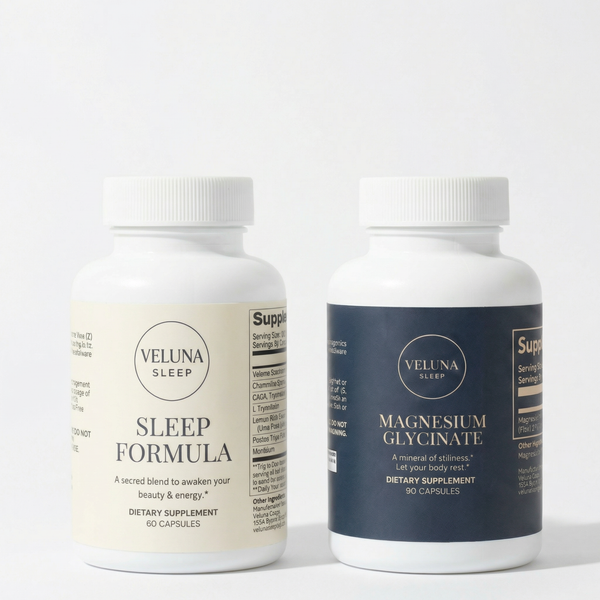
Magnesium glycinate, in particular, is a form of magnesium that is bound to glycine, an amino acid that also has calming effects. This combination may make magnesium glycinate more effective for improving sleep than other forms of magnesium. The typical dosage of magnesium ranges from 200 to 400 mg per day, taken before bedtime. It's important to choose a high-quality magnesium supplement from a reputable source, such as Veluna Magnesium Glycinate, to ensure purity and bioavailability. While magnesium is generally safe, some people may experience side effects such as diarrhea or stomach upset, especially at higher doses. It's also important to be aware that magnesium can interact with certain medications, so it's always best to consult with your doctor before starting supplementation.
Light Therapy: A Non-Supplement Approach
While supplements can play a role in regulating your circadian rhythm, it's important to remember that light is the primary regulator of your body's internal clock. Light exposure, especially in the morning, helps to suppress melatonin production and promote wakefulness. Conversely, darkness in the evening signals to your body that it's time to sleep. Light therapy involves using a special lamp that emits bright, white light to mimic sunlight. This can be particularly helpful for individuals with seasonal affective disorder (SAD), delayed sleep phase syndrome, or those who work night shifts. A systematic review and meta-analysis published in the Journal of Sleep Research examined the effectiveness of light therapy in treating insomnia disorder (Chambe, 2023). The analysis included several studies that investigated the effects of light therapy on various sleep parameters, such as sleep latency, sleep duration, and sleep quality. The results suggested that light therapy can be effective in improving sleep quality and reducing insomnia symptoms.
The timing and duration of light therapy are important factors in determining its effectiveness. It's generally recommended to use a light therapy lamp for 30 to 60 minutes each morning, shortly after waking up. The lamp should be placed at a comfortable distance from your face, and you should keep your eyes open while using it. It's also important to choose a light therapy lamp that emits a safe and effective level of light. Look for lamps that emit at least 10,000 lux of white light and that filter out harmful UV rays. Light therapy is generally considered safe, but some people may experience side effects such as headache, eye strain, or nausea. It's also important to be aware that light therapy can interact with certain medications, so it's always best to consult with your doctor before starting treatment. Combining light therapy with other sleep hygiene practices, such as maintaining a regular sleep schedule and creating a relaxing bedtime routine, can further enhance its effectiveness. Products like the Circadian Reset Ritual can help you maintain healthy sleep patterns.
When to Seek Professional Help
While supplements and lifestyle changes can be helpful for regulating your circadian rhythm and improving sleep, it's important to recognize when professional help is needed. If you're experiencing chronic insomnia, excessive daytime sleepiness, or other sleep problems that are significantly impacting your quality of life, it's best to consult with a doctor or sleep specialist. A healthcare professional can help you identify the underlying cause of your sleep problems and recommend appropriate treatment options, which may include medication, cognitive behavioral therapy for insomnia (CBT-I), or other therapies. It's also important to seek professional help if you have any concerns about the safety or effectiveness of supplements, or if you're taking medications that may interact with supplements.
The Bottom Line
Supplements can be a useful tool for regulating your circadian rhythm and improving sleep, but they're not a magic bullet. Melatonin, ashwagandha, tryptophan, and magnesium are some of the most well-researched supplements for sleep, but their effectiveness can vary depending on the individual and the specific sleep problem. It's important to choose high-quality supplements from reputable sources and to consult with your doctor before starting any new supplement regimen. Additionally, lifestyle factors such as light exposure, sleep hygiene, and stress management play a crucial role in regulating your circadian rhythm and promoting healthy sleep.
Ultimately, the best approach to improving sleep is a holistic one that combines supplements, lifestyle changes, and professional guidance when needed. By understanding the science behind circadian rhythm supplements and taking a proactive approach to your sleep health, you can improve your sleep quality and overall well-being. Ready to find the right sleep ritual for your needs? Take Veluna's free 60-second quiz to get a personalized recommendation.
References
- Yue JL, Chang XW, Zheng JW et al.. Efficacy and tolerability of pharmacological treatments for insomnia in adults: A systematic review and network meta-analysis. Sleep medicine reviews. 2023. PubMed
- Chambe J, Reynaud E, Maruani J et al.. Light therapy in insomnia disorder: A systematic review and meta-analysis. Journal of sleep research. 2023. PubMed
- Sutanto CN, Loh WW, Kim JE. The impact of tryptophan supplementation on sleep quality: a systematic review, meta-analysis, and meta-regression. Nutrition reviews. 2022. PubMed
- Choi K, Lee YJ, Park S et al.. Efficacy of melatonin for chronic insomnia: Systematic reviews and meta-analyses. Sleep medicine reviews. 2022. PubMed
- Langade D, Thakare V, Kanchi S et al.. Clinical evaluation of the pharmacological impact of ashwagandha root extract on sleep in healthy volunteers and insomnia patients: A double-blind, randomized, parallel-group, placebo-controlled study. Journal of ethnopharmacology. 2021. PubMed
- Ferracioli-Oda E, Qawasmi A, Bloch MH. Meta-analysis: melatonin for the treatment of primary sleep disorders. PloS one. 2013. PubMed
Frequently Asked Questions
The time it takes for supplements to regulate your circadian rhythm varies depending on the supplement, the individual, and the severity of the circadian rhythm disruption. Some supplements, like melatonin, may have an immediate effect on sleep latency, while others, like ashwagandha, may take several weeks to produce noticeable benefits. Consistency is key, so it's important to take supplements regularly and to combine them with other sleep hygiene practices for optimal results.
It's generally safe to take multiple circadian rhythm supplements at the same time, but it's important to be aware of potential interactions and side effects. Some supplements may have synergistic effects, meaning they enhance each other's benefits, while others may compete with each other for absorption or metabolism. It's always best to consult with your doctor before taking multiple supplements, especially if you have any underlying health conditions or are taking medications.
Yes, some people may experience side effects from circadian rhythm supplements. Common side effects include nausea, dizziness, headache, and stomach upset. The risk of side effects is generally low when supplements are taken at recommended doses, but it's important to be aware of potential risks and to discontinue use if you experience any adverse effects. It's also important to be aware that some supplements can interact with certain medications, so it's always best to consult with your doctor before starting supplementation.
There are several things you can do to improve your circadian rhythm naturally. These include maintaining a regular sleep schedule, getting regular sunlight exposure, especially in the morning, creating a relaxing bedtime routine, avoiding caffeine and alcohol before bed, and exercising regularly. Additionally, practicing good sleep hygiene, such as keeping your bedroom dark, quiet, and cool, can also help to regulate your circadian rhythm.
Yes, light therapy can be an effective way to regulate your circadian rhythm, especially if you have seasonal affective disorder (SAD) or delayed sleep phase syndrome. Light therapy involves using a special lamp that emits bright, white light to mimic sunlight. This can help to suppress melatonin production and promote wakefulness, especially when used in the morning. It's important to choose a light therapy lamp that emits a safe and effective level of light and to use it consistently for optimal results.