Key Takeaways
✓ Ashwagandha can significantly reduce anxiety symptoms and improve sleep quality, as supported by clinical trials (Fatima, 2024).
✓ Hyperarousal—characterized by increased mental and physiological activity—is a key factor linking anxiety and insomnia, making relaxation techniques and supplements crucial (Riemann, 2010).
✓ Valerian root extract has been shown to improve overall sleep quality in individuals experiencing sleep disturbances, offering a natural alternative for promoting relaxation (Chandra Shekhar, 2024).
Finding Restful Sleep When Anxiety Runs High
Do you toss and turn, caught in a loop of anxious thoughts, as the night stretches on? Anxiety and sleep problems are often intertwined. The persistent worry and tension can make it difficult to fall asleep, stay asleep, or achieve truly restorative sleep, leading to a cycle of fatigue and amplified anxiety. Fortunately, specific sleep supplements can help you interrupt this cycle and reclaim your nights. This article explores the best sleep supplements for anxiety relief, grounded in scientific research, to help you discover the restful sleep you deserve. For those seeking comprehensive guidance, explore how to choose the right sleep supplement to help you calm your mind.
Many people are drawn to sleep supplements as a natural alternative to prescription medications. Supplements can offer a gentler approach to promoting relaxation and improving sleep quality, often with fewer side effects than prescription options. However, it's crucial to choose supplements thoughtfully and understand their mechanisms of action. Let's delve into some of the most effective supplements for addressing anxiety-related sleep issues.
Understanding the Interplay Between Anxiety and Insomnia
Before diving into specific supplements, it's important to understand the intricate connection between anxiety and insomnia. Research consistently demonstrates a strong link between anxiety and sleep disturbances, with each often exacerbating the other. Insomnia can be both a symptom of anxiety and a contributing factor, creating a self-perpetuating cycle that can be challenging to break.
One critical element in this connection is hyperarousal. Hyperarousal refers to a state of heightened mental and physiological activity that prevents you from relaxing and initiating sleep. Studies indicate that individuals with insomnia frequently exhibit signs of hyperarousal, including an elevated heart rate, increased cortisol levels, and a constant stream of racing thoughts (Riemann, 2010). This elevated state of arousal makes it difficult to quiet the mind and transition into sleep. A study in the Journal of Sleep Research showed that hyperarousal features are evident in the sleep architecture of individuals with and without insomnia (Di Marco, 2025).
Research discussed here relates to individual ingredients and does not establish that the finished Veluna product has been clinically studied or will produce the same results.
Emotional dysregulation also plays a significant role. A study in the Journal of Sleep Research suggests a pathway linking chronic insomnia, REM sleep instability, and emotional dysregulation to anxiety and depression (Riemann, 2025). When sleep is consistently disrupted, your ability to regulate emotions can be compromised, leading to increased anxiety and mood disturbances. Addressing these underlying issues is vital for disrupting the cycle of anxiety and insomnia. Furthermore, stress significantly impacts sleep, with pathogenic sleep reactivity acting as a vulnerability to insomnia and circadian disorders (Kalmbach, 2018). Consider exploring natural sleep remedies for anxiety sufferers to help you calm your mind.
Key Supplements for Alleviating Anxiety and Promoting Sleep
Several supplements have shown promise in alleviating anxiety symptoms and improving sleep quality. Here are some of the most effective choices, along with insights into how they work:
- Ashwagandha: This adaptogenic herb, a cornerstone of Ayurvedic medicine, has been used for centuries to combat stress and promote relaxation. It helps the body adapt to stress, promoting a sense of calm and improving sleep quality.
- Valerian Root: Valerian root is well-known for its calming properties, and it can significantly improve sleep quality and reduce anxiety. It is believed to work by increasing GABA levels in the brain.
- Magnesium: This essential mineral plays a critical role in hundreds of bodily functions, including sleep and relaxation. It helps regulate neurotransmitters and can reduce anxiety and improve sleep quality.
- L-Theanine: L-theanine, an amino acid found in green tea, promotes relaxation without causing drowsiness. It can help reduce anxiety and improve focus, making it a valuable addition to your sleep routine.
Ashwagandha: An Ancient Adaptogen for Modern Anxiety
Ashwagandha is a powerful adaptogen, meaning it helps the body adapt to stressors, both physical and mental. Research indicates that ashwagandha can effectively reduce anxiety symptoms and improve sleep quality. A systematic review and meta-analysis published in Human Psychopharmacology concluded that ashwagandha is safe and effective for reducing anxiety and improving sleep (Fatima, 2024). This makes it a compelling option for individuals grappling with anxiety-related sleep disturbances.
The precise mechanisms behind ashwagandha's benefits are still under investigation, but it's believed to work by modulating the body's stress response system. Ashwagandha may help regulate cortisol levels, mitigating the impact of stress on the body and mind. Additionally, it may influence neurotransmitter activity, promoting relaxation and reducing anxiety. A typical dosage of ashwagandha ranges from 300 to 500 mg per day, often taken in the evening to promote relaxation and improve sleep. You can also explore Veluna Ashwagandha, a high-quality supplement formulated to support relaxation and enhance sleep quality.
Valerian Root: A Time-Tested Natural Sleep Aid
Valerian root is another widely used supplement for improving sleep quality and reducing anxiety. It has a long history as a natural sleep aid and has been extensively studied for its effects on sleep and anxiety. A study in Advances in Therapy found that a standardized extract of valerian root significantly improved overall sleep quality in individuals experiencing sleep disturbances (Chandra Shekhar, 2024).
Valerian root is believed to work by increasing levels of gamma-aminobutyric acid (GABA) in the brain. GABA is a neurotransmitter that helps calm the nervous system and promote relaxation. By increasing GABA levels, valerian root can help reduce anxiety, quiet racing thoughts, and improve sleep quality. The typical dosage of valerian root is between 400 and 900 mg, taken 30 to 60 minutes before bedtime. While valerian root is generally considered safe, some individuals may experience mild side effects such as drowsiness or stomach upset. It's advisable to start with a lower dose and gradually increase as needed.
Take our 60-second quiz to discover the science-backed sleep solution matched to your unique needs.
Take the QuizAdditional Supplements and Practices for Enhanced Sleep
Beyond ashwagandha and valerian root, several other supplements and practices can contribute to reducing anxiety and improving sleep quality. These include:
- Magnesium: This essential mineral plays a role in hundreds of bodily functions, including sleep and relaxation. Magnesium helps regulate neurotransmitters and can reduce anxiety and improve sleep quality.
- L-Theanine: An amino acid found in green tea, L-theanine promotes relaxation without causing drowsiness. It can help reduce anxiety and improve focus.
- Mindfulness Meditation: Practicing mindfulness meditation can help quiet the mind and reduce anxiety. Regular meditation can improve sleep quality and promote overall well-being.
Magnesium: The Key to Relaxation and Better Sleep
Magnesium is an essential mineral that plays a crucial role in sleep regulation and anxiety reduction. It helps regulate neurotransmitters, including GABA, which promotes relaxation and reduces anxiety. Studies have demonstrated that magnesium supplementation can improve sleep quality, particularly in individuals with magnesium deficiency. There are several forms of magnesium, each with its own benefits and absorption rates.
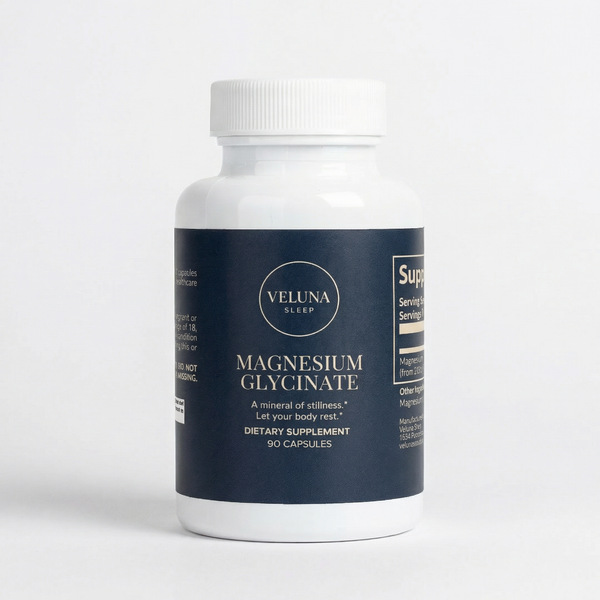
Magnesium glycinate is often recommended for sleep because it's easily absorbed and less likely to cause digestive issues compared to other forms. A typical dose of magnesium glycinate is between 200 and 400 mg, taken before bedtime. Magnesium can be a valuable addition to your nightly routine, promoting relaxation and improving sleep quality. If you are also a shift worker, explore best sleep supplements for shift workers to help you calm your mind.
L-Theanine: Promoting Calmness and Focus
L-Theanine is an amino acid found naturally in green tea that promotes relaxation without causing drowsiness. It works by increasing alpha brain waves, which are associated with a relaxed and focused state of mind. Research suggests that L-theanine can effectively reduce anxiety and improve sleep quality. A typical dose of L-theanine is between 100 and 200 mg, taken before bedtime, and the Mind Calm Ritual from Veluna provides a serene experience to help you relax.
L-theanine is a safe and well-tolerated supplement that can be taken alone or in combination with other sleep aids. It's a great option for those seeking a gentle way to promote relaxation and improve sleep quality without the risk of drowsiness or other side effects.
Creating an Optimal Sleep Environment
In addition to supplements, creating a sleep-conducive environment is essential for improving sleep quality and reducing anxiety. Here are some key tips:
- Establish a Consistent Sleep Schedule: Go to bed and wake up at the same time every day, even on weekends, to regulate your body's natural sleep-wake cycle (circadian rhythm).
- Develop a Relaxing Bedtime Routine: Engage in calming activities before bed, such as reading, taking a warm bath, or practicing meditation.
- Optimize Your Sleep Environment: Ensure your bedroom is dark, quiet, and cool. Use blackout curtains, earplugs, or a white noise machine to minimize distractions.
- Limit Screen Time Before Bed: The blue light emitted from electronic devices can interfere with sleep. Avoid using phones, tablets, and computers for at least one hour before bedtime.
When to Seek Professional Guidance
While sleep supplements can be beneficial for managing anxiety and improving sleep, it's important to seek professional help if your symptoms are severe or persistent. If you're experiencing chronic insomnia, excessive worry, or panic attacks, consult with a healthcare provider or mental health professional. They can help you identify the underlying causes of your anxiety and develop a comprehensive treatment plan tailored to your needs.
Cognitive behavioral therapy for insomnia (CBT-I) is a highly effective treatment for insomnia. It involves learning strategies to change negative thoughts and behaviors that interfere with sleep. CBT-I can help you develop healthy sleep habits and reduce anxiety related to sleep. In some cases, prescription medications may be necessary to manage anxiety and improve sleep. Work closely with your healthcare provider to determine the best course of treatment for your individual needs.
The Bottom Line
Anxiety and sleep problems can create a challenging cycle, but with the right strategies, you can break free and achieve restful sleep. Sleep supplements like ashwagandha, valerian root, magnesium, and L-theanine, combined with healthy sleep habits and a relaxing bedtime routine, can help reduce anxiety and improve sleep quality. Remember to choose supplements wisely and consult with a healthcare provider if your symptoms are severe or persistent.
Prioritizing sleep is essential for overall health and well-being. By addressing anxiety and creating a sleep-conducive environment, you can improve your sleep quality and wake up feeling refreshed and energized. Are you also wondering about the differences between natural sleep supplements and prescription sleep aids? Consider exploring natural sleep supplements vs prescription sleep aids to help you make an informed decision.
Ready to find the right sleep ritual for your needs? Take Veluna's free 60-second quiz to get a personalized recommendation.
References
- Fatima K, Malik J, Muskan F et al.. Safety and efficacy of Withania somnifera for anxiety and insomnia: Systematic review and meta-analysis. Human psychopharmacology. 2024. PubMed
- Pfaff A, Jud A, Schlarb A. Systematic review on the association between sleep-related hyperarousal and child maltreatment. Sleep medicine. 2021. PubMed
- Di Marco T, Djonlagic I, Dauvilliers Y et al.. Effect of daridorexant on sleep architecture in patients with chronic insomnia disorder: a pooled post hoc analysis of two randomized phase 3 clinical studies. Sleep. 2024. PubMed
- Riemann D, Dressle RJ, Benz F et al.. Chronic insomnia, REM sleep instability and emotional dysregulation: A pathway to anxiety and depression?. Journal of sleep research. 2025. PubMed
- Dressle RJ, Riemann D. Hyperarousal in insomnia disorder: Current evidence and potential mechanisms. Journal of sleep research. 2023. PubMed
- Kalmbach DA, Anderson JR, Drake CL. The impact of stress on sleep: Pathogenic sleep reactivity as a vulnerability to insomnia and circadian disorders. Journal of sleep research. 2018. PubMed
- Di Marco T, Scammell TE, Sadeghi K et al.. Hyperarousal features in the sleep architecture of individuals with and without insomnia. Journal of sleep research. 2025. PubMed
- Chandra Shekhar H, Joshua L, Thomas JV. Standardized Extract of Valeriana officinalis Improves Overall Sleep Quality in Human Subjects with Sleep Complaints: A Randomized, Double-Blind, Placebo-Controlled, Clinical Study. Advances in therapy. 2024. PubMed
- Riemann D, Spiegelhalder K, Feige B et al.. The hyperarousal model of insomnia: a review of the concept and its evidence. Sleep medicine reviews. 2010. PubMed
Frequently Asked Questions
Sleep supplements are not a definitive cure for anxiety, but certain supplements can effectively help manage anxiety symptoms and improve sleep quality. Addressing the underlying causes of anxiety, often with therapy or lifestyle changes, is essential for long-term relief.
Many sleep supplements are generally considered safe for most people when used as directed. However, it's important to choose high-quality supplements from reputable brands and to adhere to recommended dosages. Consulting with a healthcare provider before starting any new supplement is always advisable, especially if you have existing health conditions or are taking other medications. Also, explore third party tested sleep aids to ensure safety.
The timing of sleep supplement intake can vary depending on the specific supplement. Some supplements, like valerian root, may have a more immediate effect and should be taken 30-60 minutes before bed. Others, like ashwagandha, may require consistent use over several weeks to produce noticeable results and can be taken in the evening. Always follow the specific product's instructions.
Some sleep supplements are suitable for nightly use, while others are best used on an as-needed basis. It's crucial to follow the recommended usage guidelines for each supplement and to be mindful of how your body responds. If you're concerned about long-term use or potential tolerance, consult with a healthcare provider for personalized advice.
Side effects of sleep supplements can vary depending on the specific supplement and individual sensitivities. Some common side effects may include drowsiness, stomach upset, dizziness, or allergic reactions. It's important to carefully read product labels, be aware of potential side effects, and discontinue use if you experience any adverse reactions.