Key Takeaways
✓ Ashwagandha has been clinically shown to improve sleep quality in both healthy individuals and those with insomnia (Langade et al., 2021).
✓ Melatonin is effective for treating primary sleep disorders, helping to regulate your sleep-wake cycle (Ferracioli-Oda et al., 2013).
✓ Tryptophan supplementation can positively impact sleep quality, influencing serotonin and melatonin production (Sutanto et al., 2022).
Unwinding Your Mind: Supplements for a Calm Night
Do you find yourself staring at the ceiling, mind racing, long after your head hits the pillow? You're not alone. A hyperactive nervous system can be a major obstacle to restful sleep. When your brain is stuck in high gear, drifting off can feel impossible. Fortunately, certain natural supplements can help calm your nervous system, making it easier to relax and fall asleep.
These supplements work through various mechanisms, from boosting neurotransmitters that promote relaxation to directly influencing your sleep-wake cycle. This article will explore seven of the best supplements for calming your nervous system and improving your sleep quality. Understanding how each one works can help you choose the right option, or combination, for your individual needs. Often, pairing lifestyle adjustments with supplements can improve your sleep; for example, calming anxiety before bed can involve both meditation and the right supplements.
Remember, while supplements can be a valuable tool, it's always best to consult with a healthcare professional before starting any new regimen, especially if you have underlying health conditions or are taking other medications.
1. Magnesium: The Relaxation Mineral
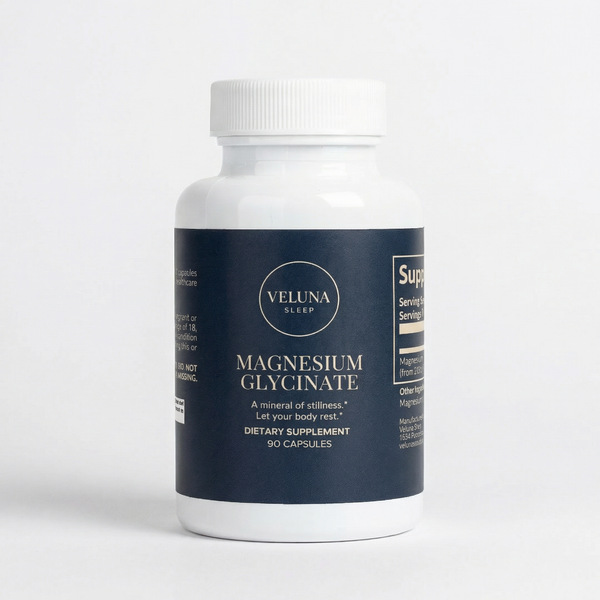
Magnesium is an essential mineral involved in hundreds of bodily functions, including nerve transmission and muscle relaxation. It plays a crucial role in regulating the nervous system, and deficiencies can contribute to anxiety, irritability, and sleep disturbances. Supplementing with magnesium can help calm your nervous system by activating the parasympathetic nervous system, which is responsible for the "rest and digest" response.
Different forms of magnesium exist, and some are better absorbed and tolerated than others. Magnesium glycinate is often recommended for sleep because it's gentle on the stomach and readily absorbed. It also contains glycine, an amino acid that promotes relaxation and sleep. The recommended dosage of magnesium glycinate for sleep is typically between 200-400mg taken about an hour before bed. Benefits can include reduced sleep latency, improved sleep duration, and better overall sleep quality.
Consider adding magnesium-rich foods to your diet, such as leafy green vegetables, nuts, seeds, and whole grains, to support your overall magnesium levels. However, supplementation may be necessary to achieve optimal levels, especially if you have a deficiency or increased magnesium needs.
2. Melatonin: The Sleep Regulator
Melatonin is a hormone naturally produced by your brain's pineal gland that regulates your sleep-wake cycle. It signals to your body that it's time to sleep, promoting relaxation and reducing alertness. Melatonin supplementation can be particularly helpful for people with delayed sleep phase syndrome, jet lag, or shift work sleep disorder, as well as those who simply have trouble falling asleep [4].
Research shows that melatonin is effective for treating primary sleep disorders (Ferracioli-Oda et al., 2013). It can help reduce sleep latency, the time it takes to fall asleep, and improve overall sleep efficiency. The typical dosage of melatonin for sleep ranges from 0.5-5mg taken about 30 minutes before bedtime. Start with a low dose and gradually increase if needed, as some people may experience side effects such as headaches or drowsiness at higher doses.
While melatonin is generally considered safe, it's important to use it judiciously and under the guidance of a healthcare professional. Long-term use of high doses is not recommended without medical supervision. Also, note that shift workers may find melatonin particularly helpful in adjusting their sleep schedules.
3. L-Theanine: The Calm-Promoting Amino Acid
L-Theanine is an amino acid found primarily in green tea. It's known for its calming and relaxing effects, without causing drowsiness. L-Theanine works by increasing levels of GABA, serotonin, and dopamine in the brain, all of which promote relaxation and improve mood. It can also reduce anxiety and improve focus, making it a great option for people who struggle with racing thoughts at bedtime.
Studies have shown that L-Theanine can improve sleep quality by reducing sleep latency and increasing sleep duration. It can also help improve sleep efficiency and reduce nighttime awakenings. The typical dosage of L-Theanine for sleep is between 100-400mg taken about 30-60 minutes before bed. It's generally well-tolerated, with few reported side effects.
Research discussed here relates to individual ingredients and does not establish that the finished Veluna product has been clinically studied or will produce the same results.
If you're sensitive to caffeine, be sure to choose a caffeine-free L-Theanine supplement. You can also try drinking a cup of decaffeinated green tea in the evening to get a small dose of L-Theanine, or explore the Mind Calm Ritual for a comprehensive approach to relaxation.
4. Ashwagandha: The Adaptogenic Herb
Ashwagandha is an adaptogenic herb that has been used in traditional Ayurvedic medicine for centuries. Adaptogens help your body cope with stress by regulating the hypothalamic-pituitary-adrenal (HPA) axis, which is responsible for your body's stress response. By modulating the HPA axis, ashwagandha can reduce cortisol levels, a hormone released in response to stress.
Clinical evaluations show that ashwagandha root extract has a pharmacological impact on sleep in healthy volunteers and insomnia patients (Langade et al., 2021). Ashwagandha can improve sleep quality, reduce anxiety, and promote a sense of calm. The typical dosage of ashwagandha for sleep is between 300-500mg of a standardized extract taken one to two hours before bed. Look for extracts that are standardized to contain a certain percentage of withanolides, the active compounds in ashwagandha.
Consider trying Veluna Ashwagandha, a high-quality supplement designed to support relaxation and improve sleep. While ashwagandha is generally safe, it's important to talk to your healthcare provider before taking it, especially if you have thyroid issues or are taking medications that affect the immune system.
Take our 60-second quiz to discover the science-backed sleep solution matched to your unique needs.
Take the Quiz5. Tryptophan: The Serotonin Precursor
Tryptophan is an essential amino acid that your body uses to produce serotonin and melatonin. Serotonin is a neurotransmitter that plays a crucial role in mood regulation and sleep, while melatonin regulates your sleep-wake cycle. Supplementing with tryptophan can increase serotonin and melatonin levels, promoting relaxation and improving sleep quality [3].
A meta-analysis showed that tryptophan supplementation has a positive impact on sleep quality (Sutanto et al., 2022). The typical dosage of tryptophan for sleep is between 500-1000mg taken about 30-60 minutes before bed on an empty stomach. It's important to take tryptophan on an empty stomach because it competes with other amino acids for absorption.
While tryptophan is generally safe, it's important to talk to your healthcare provider before taking it, especially if you're taking antidepressants or other medications that affect serotonin levels. You can also find tryptophan in foods such as turkey, chicken, nuts, and seeds, but supplementation may be necessary to achieve therapeutic levels.
6. Valerian Root: The Herbal Sedative
Valerian root is an herb that has been used for centuries as a natural sedative and sleep aid. It works by increasing levels of GABA in the brain, which promotes relaxation and reduces anxiety. Valerian root can help reduce sleep latency, improve sleep quality, and reduce nighttime awakenings. It may be particularly helpful for people who struggle with insomnia or anxiety-related sleep problems.
The typical dosage of valerian root for sleep is between 400-900mg of a standardized extract taken about 30-60 minutes before bed. Valerian root is often combined with other calming herbs, such as lemon balm or chamomile, for enhanced effects. Some people may experience side effects such as drowsiness or stomach upset, so it's important to start with a low dose and gradually increase if needed.
However, it's important to note that research on valerian root is mixed, and some studies have not found it to be effective for sleep. It may work best for people with mild to moderate sleep problems, rather than severe insomnia.
7. GABA: The Inhibitory Neurotransmitter
GABA (gamma-aminobutyric acid) is an inhibitory neurotransmitter that helps calm the nervous system by reducing neuronal excitability throughout the brain. It essentially slows things down, promoting relaxation and reducing anxiety. While GABA supplements are available, the effectiveness of oral GABA supplementation for sleep is debated, as GABA may not readily cross the blood-brain barrier.
Some studies suggest that GABA supplements can improve sleep quality by reducing sleep latency and increasing sleep duration, but more research is needed to confirm these findings. The typical dosage of GABA for sleep is between 500-3000mg taken about 30-60 minutes before bed. GABA supplements are generally well-tolerated, but some people may experience side effects such as drowsiness or tingling sensations.
Consider exploring other ways to boost GABA levels naturally, such as through meditation, yoga, or deep breathing exercises. These practices can help calm your nervous system and promote relaxation without the need for supplementation.
When to Seek Professional Help
While supplements can be helpful for calming your nervous system and improving sleep, they are not a substitute for professional medical advice. If you have chronic insomnia, severe anxiety, or other underlying health conditions that are affecting your sleep, it's important to talk to your healthcare provider. They can help you identify the root cause of your sleep problems and recommend appropriate treatment options.
Pharmacological treatments for insomnia are available, but it's important to weigh the benefits and risks of these medications with your doctor (Yue et al., 2023). Non-pharmacological treatments, such as cognitive behavioral therapy for insomnia (CBT-I), are also effective and may be a better option for some people. In addition, if you are experiencing trauma, consider seeking help from a mental health professional to address underlying issues.
Remember, sleep is essential for your overall health and well-being. Don't hesitate to seek professional help if you're struggling to get the rest you need.
The Bottom Line
Calming your nervous system is crucial for achieving restful sleep. The seven supplements discussed in this article, magnesium, melatonin, L-Theanine, ashwagandha, tryptophan, valerian root, and GABA, can help promote relaxation, reduce anxiety, and improve sleep quality. By understanding how each supplement works, you can choose the right option or combination for your individual needs.
Remember to start with low doses and gradually increase as needed, and always talk to your healthcare provider before starting any new supplement regimen. Combining supplements with healthy sleep habits, such as maintaining a regular sleep schedule, creating a relaxing bedtime routine, and avoiding caffeine and alcohol before bed, can further enhance your sleep quality. You can also explore techniques from The Complete Guide to Mind Calm: How to Quiet Your Mind for Deeper Sleep to enhance your sleep.
Ready to find the right sleep ritual for your needs? Take Veluna's free 60-second quiz to get a personalized recommendation.
References
- Yue JL, Chang XW, Zheng JW et al.. Efficacy and tolerability of pharmacological treatments for insomnia in adults: A systematic review and network meta-analysis. Sleep medicine reviews. 2023. PubMed
- Chambe J, Reynaud E, Maruani J et al.. Light therapy in insomnia disorder: A systematic review and meta-analysis. Journal of sleep research. 2023. PubMed
- Sutanto CN, Loh WW, Kim JE. The impact of tryptophan supplementation on sleep quality: a systematic review, meta-analysis, and meta-regression. Nutrition reviews. 2022. PubMed
- Choi K, Lee YJ, Park S et al.. Efficacy of melatonin for chronic insomnia: Systematic reviews and meta-analyses. Sleep medicine reviews. 2022. PubMed
- Langade D, Thakare V, Kanchi S et al.. Clinical evaluation of the pharmacological impact of ashwagandha root extract on sleep in healthy volunteers and insomnia patients: A double-blind, randomized, parallel-group, placebo-controlled study. Journal of ethnopharmacology. 2021. PubMed
- Ferracioli-Oda E, Qawasmi A, Bloch MH. Meta-analysis: melatonin for the treatment of primary sleep disorders. PloS one. 2013. PubMed
Frequently Asked Questions
Yes, some supplements can be taken together to enhance their effects. For example, magnesium and L-Theanine can be combined to promote relaxation and reduce anxiety. However, it's important to research potential interactions and consult with a healthcare professional before combining supplements.
The time it takes for sleep supplements to work can vary depending on the individual and the specific supplement. Some supplements, such as melatonin, may work within 30-60 minutes, while others, such as ashwagandha, may take several weeks to produce noticeable effects. Consistency is key, so it's important to take supplements regularly as directed.
Yes, some sleep supplements can cause side effects, although they are generally mild. Common side effects include drowsiness, headache, stomach upset, and dizziness. It's important to read the labels and follow the recommended dosages to minimize the risk of side effects. If you experience any adverse effects, stop taking the supplement and consult with your healthcare provider.
While some sleep aids can lead to dependence, the supplements listed here are not known to be habit-forming. However, it's always best to use them as a temporary solution while addressing the underlying causes of your sleep problems. If you find yourself relying on sleep supplements for an extended period, talk to your healthcare provider.
Sleep supplements are not safe for everyone. Pregnant or breastfeeding women, children, and people with certain medical conditions should avoid taking sleep supplements without consulting with a healthcare professional. Always talk to your doctor before starting any new supplement regimen, especially if you have underlying health conditions or are taking other medications.