Key Takeaways
✓ Tapering off 5-HTP gradually helps minimize potential side effects and allows your body to adjust.
✓ Lifestyle adjustments, such as optimizing your sleep environment and managing stress, can support your sleep as you reduce 5-HTP intake.
✓ Consult with a healthcare professional before discontinuing 5-HTP, especially if you have underlying health conditions or are taking other medications.
Why Tapering Off 5-HTP Matters
If you've been using 5-HTP to support your sleep, you might be wondering how to safely stop taking it. 5-HTP, or 5-hydroxytryptophan, is a naturally occurring amino acid that your body converts into serotonin, a neurotransmitter that plays a key role in mood regulation and sleep. While 5-HTP can be helpful for some, it's generally not intended for long-term use. Understanding how to taper off 5-HTP is essential to minimize potential side effects and ensure a smooth transition.
When you supplement with 5-HTP, your body may become less efficient at producing its own serotonin. Suddenly stopping 5-HTP can lead to a temporary dip in serotonin levels, potentially causing mood changes or sleep disturbances. A gradual tapering approach gives your body time to readjust its natural serotonin production, reducing the risk of these unwanted effects. This guide will provide a step-by-step approach to tapering off 5-HTP, along with lifestyle strategies to support your sleep and overall well-being during the process.
Understanding 5-HTP and Sleep
5-HTP is a precursor to serotonin, a neurotransmitter that influences mood, appetite, and sleep. Serotonin, in turn, is a precursor to melatonin, a hormone crucial for regulating your sleep-wake cycle. Many people turn to 5-HTP hoping to improve their sleep quality. However, it's important to understand how 5-HTP interacts with your body's natural processes before considering it—or discontinuing it—as a sleep aid.
While some studies suggest that tryptophan supplementation, which the body can also convert to 5-HTP, can impact sleep quality [3], it's not a one-size-fits-all solution. Factors like dosage, individual differences, and underlying sleep issues can all influence the effectiveness of 5-HTP. If you've been using 5-HTP for an extended period, your body may have adapted to the external supply of serotonin, making it important to taper off slowly to avoid disrupting your sleep patterns.
Step-by-Step Guide to Tapering Off 5-HTP
Tapering off 5-HTP should be a gradual process, allowing your body to adjust its natural serotonin production. Here's a suggested tapering schedule, but remember to consult with your healthcare provider for personalized advice:
- Assess your current dosage: Determine the amount of 5-HTP you're currently taking daily. This will serve as your baseline for the tapering process.
- Reduce gradually: Decrease your daily dose by 50-100mg every one to two weeks. For example, if you're taking 200mg daily, reduce it to 100-150mg for the first week or two.
- Monitor your symptoms: Pay close attention to how you feel as you reduce your dosage. Watch for any withdrawal symptoms like mood changes, anxiety, or sleep disturbances. If you experience significant discomfort, slow down the tapering process or consult your doctor.
- Continue tapering: Continue reducing your dosage gradually until you reach zero. If you experience any withdrawal symptoms, pause the tapering process for a few days before continuing.
- Maintain a healthy lifestyle: Support your body's natural serotonin production by maintaining a healthy diet, exercising regularly, and managing stress.
Remember, this is just a general guideline. The ideal tapering schedule will vary depending on your individual needs and circumstances. Always listen to your body and adjust the process as needed.
Lifestyle Strategies to Support Your Sleep
As you taper off 5-HTP, it's crucial to implement lifestyle strategies that promote healthy sleep. These strategies can help you maintain good sleep quality and minimize any potential sleep disturbances during the tapering process. Consider these adjustments:
- Optimize your sleep environment: Create a sleep-conducive environment by ensuring your bedroom is dark, quiet, and cool. Use blackout curtains, earplugs, or a white noise machine to minimize distractions.
- Establish a consistent sleep schedule: Go to bed and wake up at the same time every day, even on weekends, to regulate your body's natural sleep-wake cycle. Consistency is key to a healthy circadian rhythm.
- Practice relaxation techniques: Engage in relaxing activities before bed, such as reading, taking a warm bath [5], or practicing meditation. These techniques can help calm your mind and prepare your body for sleep.
- Limit screen time before bed: The blue light emitted from electronic devices can interfere with melatonin production, making it harder to fall asleep. Avoid using smartphones, tablets, or computers for at least one to two hours before bed.
- Avoid caffeine and alcohol before bed: Both caffeine and alcohol can disrupt your sleep. Avoid consuming these substances in the evening.
- Consider light therapy: Exposure to bright light, especially in the morning, can help regulate your circadian rhythm and improve sleep quality [2].
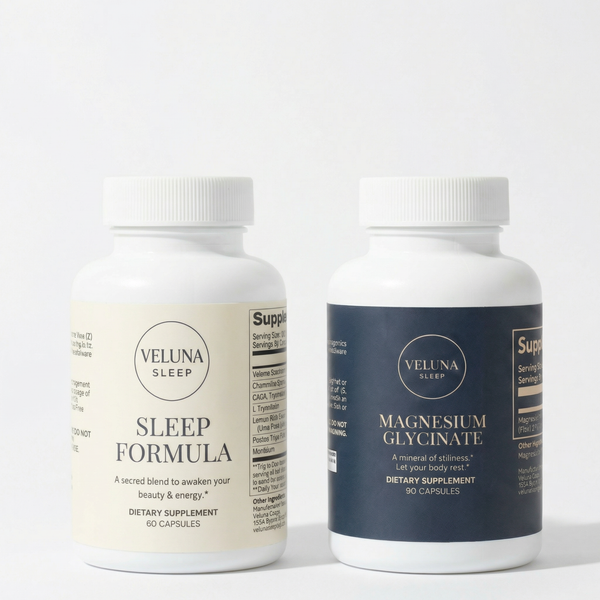
These lifestyle strategies can complement the tapering process and support your sleep as you reduce your 5-HTP intake. You might also consider supplements like magnesium glycinate, which supports relaxation.
Take our 60-second quiz to discover the science-backed sleep solution matched to your unique needs.
Take the QuizPotential Side Effects and How to Manage Them
While tapering off 5-HTP, you may experience some mild side effects as your body adjusts. These side effects are usually temporary and can be managed with lifestyle adjustments and self-care. Common side effects include:
- Mood changes: You may experience mild anxiety, irritability, or sadness as your serotonin levels fluctuate.
- Sleep disturbances: You may have difficulty falling asleep or staying asleep.
- Digestive issues: Some people may experience nausea, diarrhea, or constipation.
- Headaches: Headaches are a less common, but possible, side effect.
Here are some tips for managing these side effects:
- Stay hydrated: Drink plenty of water to help your body flush out toxins and maintain overall health.
- Eat a balanced diet: Focus on whole, unprocessed foods that are rich in nutrients.
- Exercise regularly: Physical activity can help boost your mood and improve your sleep.
- Manage stress: Practice relaxation techniques such as yoga, meditation, or deep breathing exercises.
- Consider natural remedies: Some people find that natural remedies like chamomile tea or lavender oil can help alleviate anxiety and promote sleep.
If your side effects are severe or persistent, consult your healthcare provider. They may recommend additional strategies to help you manage your symptoms.
When to Seek Professional Help
While most people can safely taper off 5-HTP on their own, there are certain situations where it's important to seek professional help. Consult your healthcare provider if:
- You have underlying health conditions, such as depression or anxiety.
- You're taking other medications, especially antidepressants or other drugs that affect serotonin levels.
- You experience severe withdrawal symptoms, such as intense anxiety, panic attacks, or suicidal thoughts.
- You're unsure about the tapering process or have any concerns.
A healthcare professional can assess your individual needs and provide personalized guidance on how to safely taper off 5-HTP. They can also help you manage any underlying health conditions that may be contributing to your sleep problems. Remember, your health is important, and it's always better to err on the side of caution.
Exploring Alternatives to 5-HTP for Sleep
If you're looking for alternatives to 5-HTP for sleep, there are several options to consider. These alternatives range from lifestyle changes to natural supplements to prescription medications. Here are a few possibilities:
- Melatonin: Melatonin is a hormone that regulates your sleep-wake cycle. Studies show that melatonin can be effective for treating insomnia [4, 9]. Veluna Sleep Strips offer a convenient dose of melatonin to help you drift off to sleep.
- Magnesium: Magnesium is a mineral that plays a role in muscle relaxation and sleep. Supplementing with magnesium may improve sleep quality, especially if you're deficient in this mineral.
- L-theanine: L-theanine is an amino acid that promotes relaxation and reduces anxiety. It may help improve sleep quality by calming your mind before bed.
- Ashwagandha: Ashwagandha is an herb that has been used for centuries to reduce stress and improve sleep. Research suggests that ashwagandha can improve sleep quality and reduce anxiety [8].
- Cognitive Behavioral Therapy for Insomnia (CBT-I): CBT-I is a type of therapy that helps you identify and change negative thoughts and behaviors that are contributing to your sleep problems.
These alternatives can be used alone or in combination to improve your sleep. Talk to your healthcare provider to determine which options are right for you. Sometimes addressing daytime habits can also improve sleep. For instance, consider how meal timing and circadian health are linked.
The Bottom Line
Tapering off 5-HTP is a process that requires patience, attention to your body, and a commitment to healthy lifestyle habits. By following a gradual tapering schedule, monitoring your symptoms, and implementing strategies to support your sleep, you can minimize potential side effects and ensure a smooth transition. Remember, it's always a good idea to consult with your healthcare provider before making any changes to your supplement regimen, especially if you have underlying health conditions or are taking other medications.
Focus on creating a sleep-conducive environment, establishing a consistent sleep schedule, and practicing relaxation techniques. These strategies can help you maintain good sleep quality and overall well-being as you reduce your 5-HTP intake. Consider exploring alternative sleep aids, such as melatonin, magnesium, or CBT-I, to support your sleep in the long term.
Ready to find the right sleep ritual for your needs? Take Veluna's free 60-second quiz to get a personalized recommendation.
References
- Yue JL, Chang XW, Zheng JW et al.. Efficacy and tolerability of pharmacological treatments for insomnia in adults: A systematic review and network meta-analysis. Sleep medicine reviews. 2023. PubMed
- Chambe J, Reynaud E, Maruani J et al.. Light therapy in insomnia disorder: A systematic review and meta-analysis. Journal of sleep research. 2023. PubMed
- Sutanto CN, Loh WW, Kim JE. The impact of tryptophan supplementation on sleep quality: a systematic review, meta-analysis, and meta-regression. Nutrition reviews. 2022. PubMed
- Choi K, Lee YJ, Park S et al.. Efficacy of melatonin for chronic insomnia: Systematic reviews and meta-analyses. Sleep medicine reviews. 2022. PubMed
- Haghayegh S, Khoshnevis S, Smolensky MH et al.. Before-bedtime passive body heating by warm shower or bath to improve sleep: A systematic review and meta-analysis. Sleep medicine reviews. 2019. PubMed
- Langade D, Thakare V, Kanchi S et al.. Clinical evaluation of the pharmacological impact of ashwagandha root extract on sleep in healthy volunteers and insomnia patients: A double-blind, randomized, parallel-group, placebo-controlled study. Journal of ethnopharmacology. 2021. PubMed
- Ferracioli-Oda E, Qawasmi A, Bloch MH. Meta-analysis: melatonin for the treatment of primary sleep disorders. PloS one. 2013. PubMed
Frequently Asked Questions
It's generally not recommended to stop taking 5-HTP abruptly. A gradual tapering approach is preferred to minimize potential side effects and allow your body to adjust its natural serotonin production. Suddenly stopping 5-HTP can lead to a temporary dip in serotonin levels, potentially causing mood changes or sleep disturbances.
Potential withdrawal symptoms of stopping 5-HTP may include mood changes (anxiety, irritability, sadness), sleep disturbances (difficulty falling asleep or staying asleep), digestive issues (nausea, diarrhea, constipation), and headaches. These side effects are usually temporary and can be managed with lifestyle adjustments and self-care.
The tapering process can take several weeks or even months, depending on your individual needs and circumstances. A general guideline is to reduce your daily dose by 50-100mg every one to two weeks. Monitor your symptoms closely and adjust the tapering process as needed.
Yes, you can consider taking other supplements to support your sleep while tapering off 5-HTP. Melatonin, magnesium, L-theanine, and ashwagandha are some options. However, it's important to talk to your healthcare provider before taking any new supplements, especially if you have underlying health conditions or are taking other medications.
Lifestyle changes that can help you sleep better include optimizing your sleep environment (dark, quiet, cool), establishing a consistent sleep schedule, practicing relaxation techniques (reading, warm bath, meditation), limiting screen time before bed, and avoiding caffeine and alcohol before bed.