Key Takeaways
✓ Melatonin, taken strategically, can help shift your circadian rhythm and reduce jet lag symptoms.
✓ Proper sleep hygiene, including consistent sleep schedules and a dark, quiet sleep environment, is crucial for jet lag recovery.
✓ Supplements like magnesium and L-theanine may promote relaxation and improve sleep quality, aiding in jet lag recovery.
Navigating Time Zones: Can Supplements Really Beat Jet Lag?
Jet lag can turn your dream vacation or crucial business trip into a haze of fatigue, disrupted sleep, and digestive woes. When you cross time zones, your body's internal clock—your circadian rhythm—struggles to adjust to the new schedule. This misalignment can leave you feeling drained and disoriented. While lifestyle adjustments like strategic light exposure and adjusted sleep schedules are key, certain supplements can offer significant support in easing the transition. This guide explores the best supplements for jet lag recovery, helping you understand how they work and when to use them for optimal results. You can also learn more about the science of resetting your internal clock in The Complete Guide to Circadian Reset.
Keep in mind that supplements aren't a magic bullet. They work best when combined with good sleep hygiene and smart travel strategies. Think of them as tools to support your body's natural ability to adapt. Let's dive into the science-backed options that can help you conquer jet lag and reclaim your energy.
Melatonin: The Circadian Rhythm Regulator
Melatonin is a naturally occurring hormone that regulates your sleep-wake cycle. It's often considered the first line of defense against jet lag because it can help shift your circadian rhythm to match the new time zone. Your brain produces melatonin in response to darkness, signaling that it's time to sleep. When you travel across time zones, your natural melatonin production can be out of sync with the local time, leading to sleep disturbances and other jet lag symptoms.
Taking melatonin supplements can help nudge your internal clock in the right direction. Research suggests that melatonin is most effective when taken close to your desired bedtime in the new time zone. A common protocol involves taking melatonin for a few days before, during, and after your trip. However, timing is critical. Taking melatonin at the wrong time can actually worsen jet lag by further disrupting your circadian rhythm.
The typical dosage ranges from 0.5 to 5 mg, taken one to two hours before bedtime in your destination time zone. Start with a lower dose and increase as needed, paying attention to how your body responds. Some people are more sensitive to melatonin and may experience side effects like headaches, dizziness, or daytime sleepiness. It's also important to choose a high-quality supplement from a reputable brand to ensure purity and accurate dosing. Consider consulting with a healthcare professional before taking melatonin, especially if you have any underlying health conditions or are taking other medications.
Magnesium: The Relaxation Mineral
Magnesium is an essential mineral involved in hundreds of bodily functions, including muscle relaxation, nerve function, and sleep regulation. It can play a supportive role in jet lag recovery by promoting relaxation and improving sleep quality. When you're jet-lagged, your body is often under stress, which can deplete magnesium levels. Supplementing with magnesium can help restore these levels and ease the transition to a new time zone.
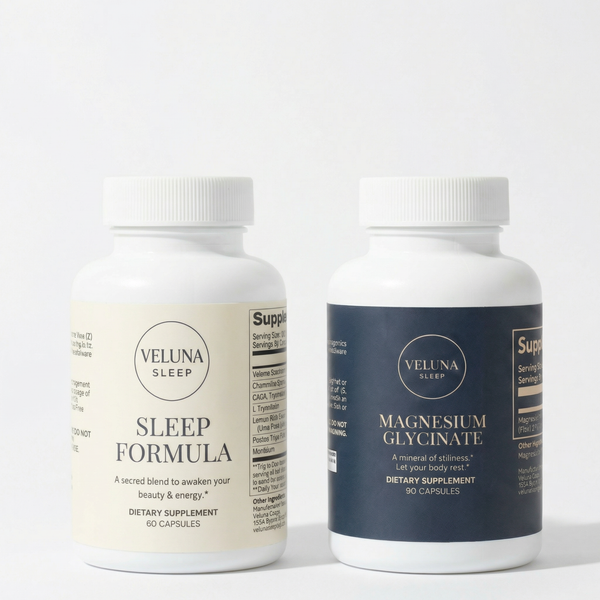
Magnesium helps regulate the neurotransmitter GABA, which promotes calmness and reduces anxiety. By increasing GABA activity, magnesium can help you fall asleep more easily and stay asleep longer. It can also help relax tense muscles, which is particularly beneficial if you're experiencing stiffness or soreness from travel. Different forms of magnesium have varying absorption rates and effects. Magnesium glycinate is often recommended for sleep because it's easily absorbed and less likely to cause digestive upset. Magnesium oxide, on the other hand, is less well-absorbed and may have a laxative effect.
The typical dosage ranges from 200 to 400 mg, taken one to two hours before bedtime. As with melatonin, it's best to start with a lower dose and increase as needed. Some people may experience mild digestive issues like diarrhea with higher doses of magnesium. If this occurs, reduce your dosage or try a different form of magnesium. You might also consider using VS1 Recovery Cream topically to help relax sore muscles.
L-Theanine: The Calm-Promoting Amino Acid
L-theanine is an amino acid found primarily in tea leaves. It's known for its ability to promote relaxation without causing drowsiness. L-theanine can be a valuable tool for jet lag recovery because it can help reduce anxiety and improve sleep quality without the sedative effects of some other sleep aids. It works by increasing alpha brain wave activity, which is associated with a state of relaxed alertness. This can help calm your mind and make it easier to fall asleep, even when your body clock is out of sync.
L-theanine can also help improve sleep architecture by increasing the amount of time you spend in slow-wave sleep, which is the deepest and most restorative stage of sleep. This can help you wake up feeling more refreshed and less groggy, even if you haven't slept as long as you normally would. Unlike some sleep aids, L-theanine doesn't typically cause side effects like morning grogginess or dependency. It's generally well-tolerated and can be used safely on a short-term basis to combat jet lag.
The typical dosage ranges from 100 to 200 mg, taken one to two hours before bedtime. You can also take a smaller dose during the day to help reduce anxiety and improve focus. L-theanine can be taken on its own or in combination with other sleep-promoting supplements like melatonin or magnesium. Some people find that it works synergistically with these supplements to enhance their sleep-promoting effects.
Take our 60-second quiz to discover the science-backed sleep solution matched to your unique needs.
Take the QuizGlycine: The Sleep-Enhancing Amino Acid
Glycine is another amino acid that plays a crucial role in promoting restful sleep and aiding in jet lag recovery. It acts as an inhibitory neurotransmitter in the brain, meaning it helps to calm the nervous system and reduce anxiety. Research suggests that glycine can improve sleep quality by reducing the time it takes to fall asleep and increasing the amount of time spent in slow-wave sleep. This deep, restorative sleep is essential for physical and mental recovery after travel.
One of the unique benefits of glycine is its ability to lower body temperature, which is a natural signal that tells your body it's time to sleep. By promoting this cooling effect, glycine can help you fall asleep more easily, even when your circadian rhythm is disrupted. It can also help regulate your sleep-wake cycle by influencing the suprachiasmatic nucleus (SCN), the brain's master clock. This makes glycine a valuable tool for resetting your internal clock after crossing time zones.
The typical dosage of glycine ranges from 1 to 3 grams, taken 30 to 60 minutes before bedtime. It's generally well-tolerated and has few side effects. Some people may experience mild stomach upset, but this is rare. Glycine can be taken in powder form, mixed with water or juice, or in capsule form. It's often combined with other sleep-promoting supplements like magnesium or L-theanine for enhanced effects. You can also find glycine in Grass-Fed Collagen Peptides.
Kiwifruit: The Natural Sleep Booster
While not a traditional supplement, kiwifruit has emerged as a natural sleep booster with promising benefits for athletes and travelers alike. Studies have shown that consuming kiwifruit before bed can improve sleep onset, duration, and efficiency. This is likely due to its high concentration of antioxidants, vitamins, and minerals, including vitamin C, vitamin E, and potassium. These nutrients work synergistically to promote relaxation and regulate sleep-wake cycles.
Research discussed here relates to individual ingredients and does not establish that the finished Veluna product has been clinically studied or will produce the same results.
Kiwifruit also contains serotonin, a neurotransmitter that plays a key role in mood regulation and sleep. Serotonin helps regulate the production of melatonin, the hormone that controls your sleep-wake cycle. By boosting serotonin levels, kiwifruit can indirectly enhance melatonin production and improve sleep quality. Additionally, kiwifruit is a good source of folate and other B vitamins, which are essential for nerve function and stress reduction. These nutrients can help calm your nervous system and promote a sense of relaxation, making it easier to fall asleep.
To reap the sleep-boosting benefits of kiwifruit, consume one to two kiwifruits about an hour before bedtime. You can eat them whole or blend them into a smoothie. Some people find that combining kiwifruit with other sleep-promoting foods like almonds or chamomile tea enhances its effects. While more research is needed to fully understand the mechanisms behind kiwifruit's sleep-promoting properties, the existing evidence suggests that it's a safe and effective natural remedy for improving sleep quality and combating jet lag. In fact, one study found that kiwifruit consumption improved sleep and recovery in elite athletes (Doherty, 2023).
Prioritizing Sleep Hygiene for Jet Lag Recovery
While supplements can be valuable tools for jet lag recovery, they're most effective when combined with good sleep hygiene practices. Sleep hygiene refers to a set of habits and environmental factors that promote healthy sleep. These practices include maintaining a consistent sleep schedule, creating a relaxing bedtime routine, and optimizing your sleep environment. When you're jet-lagged, your sleep hygiene becomes even more important because your body is already struggling to adjust to a new time zone.
One of the most important aspects of sleep hygiene is maintaining a consistent sleep schedule. This means going to bed and waking up at the same time every day, even on weekends. This helps regulate your circadian rhythm and makes it easier to fall asleep and wake up at the desired times. When you're traveling, try to gradually adjust your sleep schedule to match the new time zone in the days leading up to your trip. This can help minimize the effects of jet lag.
Creating a relaxing bedtime routine is another key component of sleep hygiene. This could include taking a warm bath, reading a book, or listening to calming music. Avoid screen time before bed, as the blue light emitted from electronic devices can interfere with melatonin production. Optimizing your sleep environment is also crucial. Make sure your bedroom is dark, quiet, and cool. Use blackout curtains, earplugs, or a white noise machine to block out distractions. A comfortable mattress and pillows can also help improve sleep quality. Remember, good sleep hygiene is the foundation for effective jet lag recovery (Vitale, 2019).
The Bottom Line
Jet lag can be a frustrating and debilitating experience, but with the right strategies, you can minimize its effects and reclaim your energy. Supplements like melatonin, magnesium, L-theanine, and glycine can offer valuable support in resetting your circadian rhythm and improving sleep quality. However, they're most effective when combined with good sleep hygiene practices and smart travel strategies. Consider exploring Best Sleep Supplements for Shift Workers to learn more about optimizing your sleep schedule.
By understanding how these supplements work and when to use them, you can take control of your sleep and enjoy your travels to the fullest. Remember to consult with a healthcare professional before taking any new supplements, especially if you have any underlying health conditions or are taking other medications.
Ready to find the right sleep ritual for your needs? Take Veluna's free 60-second quiz to get a personalized recommendation.
References
- Cook JD, Charest J. Sleep and Performance in Professional Athletes. Current sleep medicine reports. 2023. PubMed
- Coel RA, Pujalte GGA, Applewhite AI et al.. Sleep and the Young Athlete. Sports health. 2023. PubMed
- Chennaoui M, Vanneau T, Trignol A et al.. How does sleep help recovery from exercise-induced muscle injuries?. Journal of science and medicine in sport. 2021. PubMed
- Charest J, Grandner MA. Sleep and Athletic Performance: Impacts on Physical Performance, Mental Performance, Injury Risk and Recovery, and Mental Health. Sleep medicine clinics. 2020. PubMed
- Vitale KC, Owens R, Hopkins SR et al.. Sleep Hygiene for Optimizing Recovery in Athletes: Review and Recommendations. International journal of sports medicine. 2019. PubMed
- Doherty R, Madigan S, Warrington G et al.. Sleep and Nutrition Interactions: Implications for Athletes. Nutrients. 2019. PubMed
- Doherty R, Madigan S, Nevill A et al.. The Impact of Kiwifruit Consumption on the Sleep and Recovery of Elite Athletes. Nutrients. 2023. PubMed
- Fullagar HHK, Vincent GE, McCullough M et al.. Sleep and Sport Performance. Journal of clinical neurophysiology : official publication of the American Electroencephalographic Society. 2023. PubMed
Frequently Asked Questions
The duration of jet lag varies depending on the number of time zones crossed and individual factors. Generally, it takes about one day per time zone crossed to fully recover. Symptoms can last from a few days to over a week.
While you may not be able to completely prevent jet lag, you can minimize its effects by preparing in advance. This includes gradually adjusting your sleep schedule, staying hydrated, and using supplements strategically. Prioritizing sleep hygiene and light exposure can also help.
Melatonin is generally considered safe for short-term use, but some people may experience side effects like headaches, dizziness, or daytime sleepiness. It's important to start with a low dose and avoid taking it at the wrong time. Consult with a healthcare professional if you have any concerns.
Supplements are generally not recommended for children unless advised by a pediatrician. Focus on natural strategies like adjusting sleep schedules, light exposure, and hydration. Always consult with a healthcare professional before giving supplements to children.
To adjust to a new time zone quickly, try to align your sleep schedule with the local time as soon as possible. Expose yourself to natural light during the day and avoid screen time before bed. Stay hydrated, eat regular meals, and consider using supplements like melatonin to help regulate your sleep-wake cycle.