Key Takeaways
✓ Melatonin supplementation can be effective for improving sleep quality and reducing sleep latency in individuals with chronic insomnia, making it a potential aid for shift workers (Choi et al., 2022).
✓ Magnesium glycinate, a highly absorbable form of magnesium, can promote relaxation and improve sleep quality, which is particularly beneficial for individuals with SWSD.
✓ Light therapy can help regulate circadian rhythms and improve sleep in individuals with insomnia, offering a non-pharmacological approach for shift workers (Chambe et al., 2023).
Understanding Supplements for Shift Work Sleep Disorder
Shift work sleep disorder (SWSD) is a common problem for those working irregular hours. The constant changes to your sleep schedule disrupt your body's natural circadian rhythm, leading to insomnia, excessive daytime sleepiness, and impaired cognitive function. While adjusting your lifestyle is key, certain supplements can offer extra support in managing SWSD and improving your overall well-being.
This article dives into the best supplements for shift work sleep disorder, offering expert recommendations to help you reclaim restful nights and productive days. We'll explore the science behind these supplements, discuss their potential benefits, and guide you on how to safely incorporate them into your daily routine. Understanding how these aids can realign your circadian rhythm and promote restful sleep is the first step toward mitigating the effects of shift work on your health. If you want to learn more, check out shift work sleep disorder: what circadian science says.
Melatonin: The Master Sleep Regulator
Melatonin is a hormone naturally produced by the pineal gland in your brain, primarily in response to darkness. It plays a crucial role in regulating your sleep-wake cycle, signaling to your body that it's time to sleep. Shift work often leads to irregular melatonin production, making it difficult to fall asleep and stay asleep. Supplementing with melatonin can help to re-establish a more regular circadian rhythm, improving sleep quality and reducing sleep latency. A meta-analysis indicated that melatonin can improve sleep quality and reduce sleep latency in individuals with chronic insomnia (Choi et al., 2022). This makes it a potentially useful tool for shift workers struggling with sleep disturbances.
The effectiveness of melatonin can vary depending on the individual and the specific nature of their shift work schedule. For example, if you are trying to sleep during the day, taking melatonin an hour or two before your desired bedtime can help your body adjust. The typical dosage ranges from 0.5 mg to 5 mg. It's generally recommended to start with a low dose, such as 0.5mg or 1mg, and gradually increase it as needed, while closely monitoring your body's response. Some people find that higher doses are more effective, but it is important to find what works best for you. Keep in mind that while melatonin can be effective for some, it's not a one-size-fits-all solution and should be used in conjunction with other sleep hygiene practices. You can also find it in Veluna Sleep Strips.
Magnesium: The Relaxation Mineral for Shift Workers
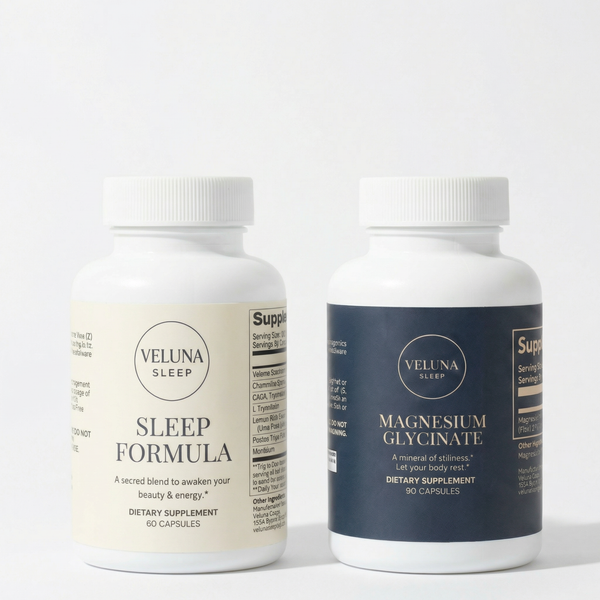
Magnesium is an essential mineral involved in over 300 enzymatic reactions in the body, including those that regulate muscle relaxation, nerve function, and sleep. It plays a vital role in regulating neurotransmitters that promote sleep, such as GABA (gamma-aminobutyric acid). A deficiency in magnesium can lead to sleep disturbances, anxiety, and muscle cramps, all of which can exacerbate the challenges of SWSD. Supplementing with magnesium, such as Veluna Magnesium Glycinate, can help to promote relaxation, reduce anxiety, and improve sleep quality. Magnesium glycinate, in particular, is a highly absorbable form of magnesium that is less likely to cause digestive upset compared to other forms like magnesium oxide.
When choosing a magnesium supplement, it's important to consider the form of magnesium and the dosage. Magnesium glycinate is often preferred due to its bioavailability and gentle nature on the stomach. The recommended dosage typically ranges from 200 mg to 400 mg per day, taken about an hour before your desired bedtime. It's always best to consult with a healthcare professional to determine the appropriate dosage for your individual needs, especially if you have kidney problems, as they can affect magnesium regulation. As explored in Best Sleep Supplements for Shift Workers: How to Choose the Right Natural Sleep Aids, understanding the different forms of magnesium is key to optimizing your sleep. Also, consider dietary sources of magnesium, such as leafy green vegetables, nuts, and seeds, to support overall magnesium levels.
Tryptophan: The Sleep-Promoting Amino Acid
Tryptophan is an essential amino acid, meaning your body cannot produce it on its own and you must obtain it through your diet or supplementation. It serves as a precursor to serotonin and melatonin, both of which play crucial roles in regulating sleep and mood. Serotonin helps regulate mood, and melatonin, as we discussed, regulates the sleep-wake cycle. Studies have shown that tryptophan supplementation can improve sleep quality (Sutanto et al., 2022), making it a potential aid for individuals struggling with sleep disturbances due to shift work. By increasing serotonin and melatonin levels, tryptophan can help to promote relaxation, reduce anxiety, and improve sleep onset and duration.
Research discussed here relates to individual ingredients and does not establish that the finished Veluna product has been clinically studied or will produce the same results.
While tryptophan is generally considered safe for most people, it's important to be aware of potential side effects and interactions. Some individuals may experience mild gastrointestinal discomfort, such as nausea or diarrhea. Tryptophan can also interact with certain medications, such as antidepressants, particularly selective serotonin reuptake inhibitors (SSRIs), potentially leading to serotonin syndrome, a serious condition caused by excessive serotonin levels. The typical dosage of tryptophan ranges from 500 mg to 2000 mg per day, taken about 30-60 minutes before bed. It's advisable to start with a lower dose, such as 500mg, and gradually increase it as needed, while monitoring your body's response. Be sure to consult with your healthcare provider before taking tryptophan, especially if you have any underlying health conditions or are taking any medications. Consider incorporating tryptophan-rich foods into your diet, such as turkey, chicken, nuts, seeds, and tofu, to support overall tryptophan levels.
Take our 60-second quiz to discover the science-backed sleep solution matched to your unique needs.
Take the QuizAshwagandha: The Stress-Reducing Adaptogen for Shift Workers
Ashwagandha is an adaptogenic herb that has been used in traditional Ayurvedic medicine for centuries to promote overall well-being and reduce stress. Adaptogens help your body adapt to stressors, both physical and mental, which can be particularly beneficial for shift workers who often experience high levels of stress and irregular sleep patterns. Research suggests that ashwagandha can improve sleep quality and reduce anxiety levels (Langade et al., 2021), making it a valuable tool for managing SWSD. By promoting relaxation and reducing stress, ashwagandha can help to improve sleep onset, duration, and overall sleep quality. It may also help improve daytime alertness and cognitive function, which can be impaired by sleep deprivation associated with shift work.
When choosing an ashwagandha supplement, it's important to consider the form of ashwagandha and the dosage. Ashwagandha root extract is often preferred due to its well-researched benefits and standardized levels of active compounds called withanolides. The recommended dosage typically ranges from 300 mg to 500 mg per day, taken before bed. It's always best to consult with a healthcare professional to determine the appropriate dosage for your individual needs. As with any supplement, it's important to be aware of potential side effects and interactions. Some individuals may experience mild gastrointestinal discomfort or drowsiness. Ashwagandha can also interact with certain medications, such as immunosuppressants, thyroid medications, and sedatives. Be sure to consult with your healthcare provider before taking ashwagandha, especially if you have any underlying health conditions or are taking any medications. Additionally, consider the timing of ashwagandha supplementation, as taking it too close to your shift may cause unwanted drowsiness during work hours.
Light Therapy: Resetting Your Circadian Clock with Light
Light therapy involves exposing yourself to bright light, typically from a light box, to help regulate your circadian rhythm. This can be particularly beneficial for shift workers who often experience disruptions to their natural sleep-wake cycle. Light therapy can help to suppress melatonin production during the day, promoting alertness and energy, and then allow melatonin production to increase at night, promoting sleepiness. A systematic review and meta-analysis found that light therapy can improve sleep in individuals with insomnia (Chambe et al., 2023), suggesting its potential benefit for shift workers. The key is to use light therapy strategically to shift your body clock to align with your work schedule.
To effectively use light therapy, it's important to follow a consistent schedule and use the right type of light box. The recommended intensity of light is typically 10,000 lux, and the duration of exposure is usually 20 to 30 minutes per day. The timing of light therapy is crucial: exposure in the morning (or immediately upon waking after a night shift) can help shift your circadian rhythm earlier, while exposure in the evening can help shift it later. For example, if you work a night shift, using a light box at the beginning of your shift can help you stay alert, and avoiding bright light exposure on your way home can help you sleep during the day. It's always best to consult with a healthcare professional to determine the appropriate timing and duration of light therapy for your individual needs. As explored in Sleep Optimization for Shift Workers: A Complete Guide, light exposure is a key factor. Be sure to protect your eyes from excessive blue light exposure, especially before bedtime, by using blue light-blocking glasses or adjusting the settings on your electronic devices.
Additional Strategies for Managing Shift Work Sleep Disorder
While supplements can be a valuable tool in managing SWSD, they are most effective when combined with other lifestyle adjustments. Prioritizing good sleep hygiene practices, such as maintaining a consistent sleep schedule as much as possible, creating a relaxing bedtime routine, and optimizing your sleep environment, is essential. This includes making your bedroom dark, quiet, and cool, and avoiding caffeine and alcohol before bed. Regular exercise can also improve sleep quality, but avoid exercising too close to bedtime.
Additionally, managing stress through techniques such as meditation, yoga, or deep breathing exercises can help to improve sleep quality. Consider incorporating Veluna Sleep Formula into your nighttime routine to support relaxation. Furthermore, passive body heating before bedtime, such as a warm shower or bath, can also promote sleep by helping to regulate your body temperature (Haghayegh et al., 2019). Remember that consistency is key when it comes to managing SWSD. By implementing these strategies consistently, you can significantly improve your sleep quality and overall well-being. You may also want to consider using blackout curtains or a sleep mask to block out light when sleeping during the day.
When to Seek Professional Help
While supplements and lifestyle adjustments can be helpful in managing shift work sleep disorder, it's important to recognize when to seek professional help. If you experience persistent sleep disturbances that significantly impact your daytime function, such as excessive fatigue, difficulty concentrating, or impaired cognitive performance, or if you have concerns about potential underlying medical conditions, consult with a healthcare professional. They can help to evaluate your symptoms, identify any underlying causes, and recommend appropriate treatment options. Additionally, if you are considering taking supplements, it's always best to consult with a healthcare professional to ensure they are safe and appropriate for your individual needs, especially if you have any pre-existing medical conditions or are taking any medications.
The Bottom Line
Shift work sleep disorder can be a challenging condition to manage, but with the right strategies and support, you can improve your sleep quality and overall well-being. Supplements such as melatonin, magnesium, tryptophan, and ashwagandha can provide valuable support in regulating your circadian rhythm, promoting relaxation, and reducing stress. Light therapy can also be an effective tool for resetting your internal clock and optimizing your sleep schedule.
Remember that supplements are most effective when combined with other lifestyle adjustments, such as prioritizing good sleep hygiene practices and managing stress. By implementing these strategies consistently, you can significantly improve your sleep quality and overall well-being. Ready to find the right sleep ritual for your needs? Take Veluna's free 60-second quiz to get a personalized recommendation.
References
- Yue JL, Chang XW, Zheng JW et al.. Efficacy and tolerability of pharmacological treatments for insomnia in adults: A systematic review and network meta-analysis. Sleep medicine reviews. 2023. PubMed
- Chambe J, Reynaud E, Maruani J et al.. Light therapy in insomnia disorder: A systematic review and meta-analysis. Journal of sleep research. 2023. PubMed
- Sutanto CN, Loh WW, Kim JE. The impact of tryptophan supplementation on sleep quality: a systematic review, meta-analysis, and meta-regression. Nutrition reviews. 2022. PubMed
- Choi K, Lee YJ, Park S et al.. Efficacy of melatonin for chronic insomnia: Systematic reviews and meta-analyses. Sleep medicine reviews. 2022. PubMed
- Haghayegh S, Khoshnevis S, Smolensky MH et al.. Before-bedtime passive body heating by warm shower or bath to improve sleep: A systematic review and meta-analysis. Sleep medicine reviews. 2019. PubMed
- Langade D, Thakare V, Kanchi S et al.. Clinical evaluation of the pharmacological impact of ashwagandha root extract on sleep in healthy volunteers and insomnia patients: A double-blind, randomized, parallel-group, placebo-controlled study. Journal of ethnopharmacology. 2021. PubMed
Frequently Asked Questions
Shift work sleep disorder (SWSD) is a circadian rhythm sleep disorder that affects people who work non-traditional hours, such as night shifts or rotating shifts. It occurs when your work schedule conflicts with your body's natural sleep-wake cycle, leading to difficulty falling asleep, staying asleep, or feeling rested. The main symptoms include insomnia and excessive sleepiness.
Melatonin is a hormone that regulates your sleep-wake cycle. Supplementing with melatonin can help to realign your circadian rhythm, signaling to your body that it's time to rest. This can be particularly helpful for shift workers whose melatonin production is disrupted by their irregular sleep schedule. It's most effective when taken a few hours before your desired bedtime.
Magnesium supplements are generally considered safe for most people, but some individuals may experience mild gastrointestinal discomfort, such as diarrhea or nausea. It's best to start with a low dose and gradually increase it as needed. Magnesium glycinate is a form of magnesium that is less likely to cause digestive upset compared to other forms.
Light therapy involves exposing yourself to bright light, typically from a light box, to help regulate your circadian rhythm. It can help to suppress melatonin production during the day, promoting alertness, and then allow melatonin production to increase at night, promoting sleepiness. The timing of light therapy is crucial for effectiveness, so consult with a healthcare professional.
In addition to supplements, prioritizing good sleep hygiene practices, such as maintaining a consistent sleep schedule as much as possible, creating a relaxing bedtime routine, and optimizing your sleep environment, is essential. Managing stress through techniques such as meditation, yoga, or deep breathing exercises can also help to improve sleep quality.