Key Takeaways
✓ Ashwagandha has shown promise in improving sleep quality and reducing sleep latency, especially in individuals experiencing stress and anxiety [1, 3].
✓ Rhodiola may help combat fatigue and improve cognitive function, which can indirectly support better sleep by addressing underlying stressors [4].
✓ Holy basil possesses anxiolytic properties that can calm the mind and promote relaxation, making it easier to fall asleep and stay asleep [5].
Unlocking Sleep with Herbal Adaptogens
Struggling to get a good night's sleep? You're not alone. Insomnia affects millions, and the search for effective solutions is ongoing. While various approaches exist, herbal adaptogens are gaining recognition for their potential to promote restful sleep. Adaptogens are natural substances that help your body adapt to stress, and some have shown promise in improving sleep quality and reducing insomnia symptoms. This article will explore three powerful herbal adaptogens — ashwagandha, rhodiola, and holy basil — and how they can help you achieve deeper, more restorative sleep.
These herbs work through different mechanisms to support sleep. Ashwagandha helps to modulate the stress response, rhodiola combats fatigue, and holy basil calms anxiety. By understanding how each adaptogen works, you can choose the best option, or combination, to address your specific sleep challenges. Let's dive into the science behind these natural sleep aids and explore how they can fit into your nightly routine. If you're also interested in other mind-calming techniques for sleep, check out The Complete Guide to Mind Calm: How to Quiet Your Mind for Deeper Sleep.
Ashwagandha: The Ancient Stress Reliever
Ashwagandha (Withania somnifera) is an herb used in Ayurvedic medicine for centuries. It's renowned for its adaptogenic properties, meaning it helps your body cope with stress. Research suggests that ashwagandha can improve sleep quality, reduce sleep latency (the time it takes to fall asleep), and decrease anxiety levels [1, 3]. A systematic review and meta-analysis showed a significant, positive effect of ashwagandha on sleep parameters [1]. Ashwagandha may be helpful if you experience stress-related insomnia or find it difficult to wind down before bed.
The mechanism of action behind ashwagandha's sleep-promoting effects is thought to involve its interaction with the GABAergic system, which plays a crucial role in regulating sleep and relaxation. By modulating GABA activity, ashwagandha can help calm the nervous system and promote a sense of tranquility. Studies show that ashwagandha can improve sleep quality and reduce anxiety in healthy adults [10]. For those struggling with sleep anxiety, ashwagandha may be a valuable tool. You can also explore other techniques for calming anxiety before bed in Calm Anxiety Before Bed: Natural Techniques for Restful Sleep.
Research discussed here relates to individual ingredients and does not establish that the finished Veluna product has been clinically studied or will produce the same results.
Typical dosages of ashwagandha range from 300 to 500 mg of a standardized extract, such as KSM-66, taken one to two hours before bed. It's essential to choose a high-quality supplement from a reputable source to ensure purity and potency. Some people may experience mild side effects like digestive upset, so it's best to start with a lower dose and gradually increase as tolerated. Learn more about finding the right amount in ashwagandha dosage for sleep: how much should you take?
Rhodiola: The Fatigue Fighter
Rhodiola (Rhodiola rosea) is another potent adaptogen known for its ability to combat fatigue and enhance cognitive function. While not directly a sleep aid, rhodiola can indirectly improve sleep by addressing underlying stressors that contribute to insomnia. It grows in high-altitude regions and has been used traditionally in Eastern Europe and Asia to increase physical and mental endurance.
Research suggests that rhodiola can reduce fatigue, improve mental clarity, and enhance overall well-being [4]. By alleviating these symptoms, rhodiola can help create a more conducive environment for sleep. If you often feel tired and mentally drained, rhodiola might be a beneficial addition to your sleep-promoting regimen. A systematic review of medicinal herbs showed that rhodiola may be effective for anxiety and stress-related conditions [4].
The recommended dosage of rhodiola typically ranges from 200 to 600 mg per day, taken in one or two divided doses. It's best to take rhodiola in the morning or early afternoon, as it can have stimulating effects in some individuals. While rhodiola is generally well-tolerated, some people may experience mild side effects like insomnia or irritability, especially at higher doses. If you have trouble falling asleep after taking rhodiola, reduce the dose or discontinue use.
Holy Basil: The Calming Herb
Holy basil, also known as tulsi (Ocimum sanctum), is a revered herb in Ayurvedic medicine known for its calming and anxiolytic properties. It has been used for centuries to promote relaxation, reduce stress, and improve overall well-being. Holy basil can be a valuable tool for those struggling with anxiety-related insomnia.
Studies suggest that holy basil can reduce anxiety, lower cortisol levels (a stress hormone), and improve mood [5]. By calming the mind and promoting relaxation, holy basil can make it easier to fall asleep and stay asleep. A review of medicinal plants for insomnia related to anxiety highlighted holy basil's potential to alleviate anxiety and promote sleep [5]. If you find that racing thoughts or worries keep you awake at night, holy basil may be worth exploring.
The typical dosage of holy basil ranges from 300 to 600 mg per day, taken in divided doses. It's available in various forms, including capsules, teas, and liquid extracts. Holy basil is generally considered safe, but some people may experience mild digestive upset. If you're taking any medications, it's essential to consult with your healthcare provider before using holy basil, as it may interact with certain drugs.
Take our 60-second quiz to discover the science-backed sleep solution matched to your unique needs.
Take the QuizCombining Adaptogens for Enhanced Sleep
While each adaptogen offers unique benefits, combining them may provide synergistic effects for enhanced sleep. For example, you could combine ashwagandha with holy basil to target both stress and anxiety, creating a more comprehensive approach to sleep improvement. Some supplements, like Veluna's Ayurvedic Complex, combine multiple adaptogens for synergistic effects.
However, it's essential to start slowly and monitor your body's response when combining adaptogens. Begin with lower doses of each herb and gradually increase as tolerated. Pay attention to any potential side effects and adjust your dosage accordingly. It's also crucial to consult with your healthcare provider before combining adaptogens, especially if you have any underlying health conditions or are taking medications.
Also consider combining adaptogens with other sleep-promoting strategies, such as maintaining a regular sleep schedule, creating a relaxing bedtime routine, and optimizing your sleep environment. A holistic approach that addresses multiple factors can lead to more significant and sustainable improvements in sleep quality.
When to Seek Professional Help
While herbal adaptogens can be helpful for improving sleep, they may not be sufficient for everyone. If you're experiencing chronic or severe insomnia, it's essential to seek professional help from a healthcare provider. Insomnia can be a symptom of an underlying medical or psychological condition, such as depression, anxiety, or sleep apnea. A healthcare provider can help identify the root cause of your insomnia and recommend appropriate treatment options.
Additionally, if you're taking medications or have any underlying health conditions, it's crucial to consult with your healthcare provider before using herbal adaptogens. Some herbs can interact with medications or exacerbate certain health conditions. A healthcare provider can help you determine if herbal adaptogens are safe and appropriate for you.
The Bottom Line
Herbal adaptogens like ashwagandha, rhodiola, and holy basil offer a natural approach to improving sleep quality and combating insomnia. Ashwagandha helps to reduce stress and anxiety, rhodiola fights fatigue, and holy basil calms the mind. By understanding the unique benefits of each adaptogen, you can choose the best option, or combination, to address your specific sleep challenges.
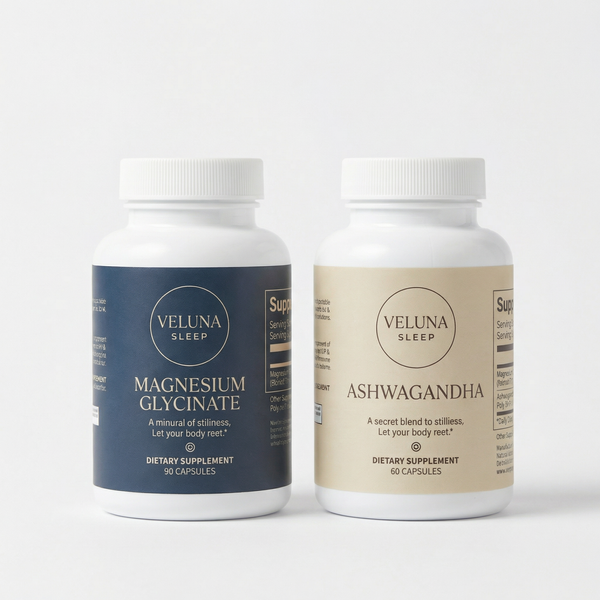
Remember to start with lower doses, monitor your body's response, and consult with your healthcare provider before using herbal adaptogens. Combining adaptogens with other sleep-promoting strategies, such as maintaining a regular sleep schedule and creating a relaxing bedtime routine, can further enhance their effectiveness. Consider exploring options like Veluna Ashwagandha to incorporate these benefits into your nightly routine.
Ready to find the right sleep ritual for your needs? Take Veluna's free 60-second quiz to get a personalized recommendation.
References
- Cheah KL, Norhayati MN, Husniati Yaacob L et al.. Effect of Ashwagandha (Withania somnifera) extract on sleep: A systematic review and meta-analysis. PloS one. 2021. PubMed
- Baker C, Kirby JB, O'Connor J et al.. The Perceived Impact of Ashwagandha on Stress, Sleep Quality, Energy, and Mental Clarity for College Students: Qualitative Analysis of a Double-Blind Randomized Control Trial. Journal of medicinal food. 2022. PubMed
- Langade D, Thakare V, Kanchi S et al.. Clinical evaluation of the pharmacological impact of ashwagandha root extract on sleep in healthy volunteers and insomnia patients: A double-blind, randomized, parallel-group, placebo-controlled study. Journal of ethnopharmacology. 2021. PubMed
- Zhang W, Yan Y, Wu Y et al.. Medicinal herbs for the treatment of anxiety: A systematic review and network meta-analysis. Pharmacological research. 2022. PubMed
- Borrás S, Martínez-Solís I, Ríos JL. Medicinal Plants for Insomnia Related to Anxiety: An Updated Review. Planta medica. 2021. PubMed
- Salve J, Pate S, Debnath K et al.. Adaptogenic and Anxiolytic Effects of Ashwagandha Root Extract in Healthy Adults: A Double-blind, Randomized, Placebo-controlled Clinical Study. Cureus. 2019. PubMed
Frequently Asked Questions
While it's possible to take these adaptogens together, it's best to start slowly and monitor your body's response. Begin with lower doses of each herb and gradually increase as tolerated. Consulting with a healthcare provider is recommended, especially if you have underlying health conditions or are taking medications.
The time it takes for herbal adaptogens to work can vary depending on the individual and the specific herb. Some people may experience improvements in sleep within a few days, while others may need several weeks to notice a difference. Consistency is key, so it's essential to take the herbs regularly and give them time to work.
Herbal adaptogens are generally considered safe, but some people may experience mild side effects like digestive upset, insomnia, or irritability. It's essential to start with lower doses and monitor your body's response. If you experience any adverse effects, discontinue use and consult with your healthcare provider.
It's essential to consult with your healthcare provider before taking herbal adaptogens with other sleep aids, as there may be potential interactions. Some herbs can interact with medications or exacerbate certain health conditions. A healthcare provider can help you determine if it's safe and appropriate for you to combine herbal adaptogens with other sleep aids.
Herbal adaptogens are not a cure for insomnia, but they can be a valuable tool for improving sleep quality and reducing symptoms. Insomnia can be caused by various factors, and a holistic approach that addresses multiple factors is often necessary for effective treatment. If you're experiencing chronic or severe insomnia, it's essential to seek professional help from a healthcare provider.