Key Takeaways
✓ Ashwagandha has demonstrated effectiveness in improving sleep quality and reducing sleep latency, particularly in individuals experiencing stress and anxiety [1, 3].
✓ Reishi mushrooms may promote relaxation and improve sleep through their potential interaction with the nervous system and antioxidant properties, offering a more holistic approach to wellness.
✓ While both supplements are generally considered safe, ashwagandha has a more robust body of clinical evidence specifically supporting its use as a sleep aid.
Ashwagandha and Reishi: Natural Sleep Aids Compared
Struggling to get a good night's sleep? You're likely exploring various solutions, and natural remedies like ashwagandha and reishi mushrooms may have caught your attention. Both are touted for their potential sleep-promoting properties, but they work differently and have varying levels of scientific support. This article dives into a head-to-head comparison of ashwagandha vs reishi mushroom for sleep, examining the evidence, mechanisms, and practical considerations to help you decide which might be the better choice for your needs.
Ashwagandha, an adaptogenic herb, has been used for centuries in Ayurvedic medicine to combat stress and promote overall well-being. Reishi mushrooms, on the other hand, are medicinal fungi with a long history in traditional Chinese medicine, often used for their calming and immune-boosting effects. While both are considered natural sleep aids, understanding their unique properties can help you make an informed decision. Let's explore how each of these natural remedies impacts sleep and which one might be a better fit for you.
| Factor | Ashwagandha | Reishi Mushroom |
|---|---|---|
| Mechanism | Reduces stress hormones (cortisol), may enhance GABA activity, and supports overall stress response [6]. | May interact with the nervous system to promote relaxation, potential antioxidant effects, and supports immune function. |
| Best fit | Individuals with stress-related sleep disturbances, anxiety, and those seeking a more direct approach to improving sleep quality [3]. | Those seeking general relaxation, immune support, and a more holistic approach to wellness alongside potential sleep benefits. |
| Typical dosage | 300-500mg of root extract daily, often standardized to withanolides. | 1-2 grams of dried mushroom powder or extract daily, or as directed on the product label. |
| Main caution | May interact with certain medications, including immunosuppressants and thyroid medications; start with a low dose to assess tolerance. | Generally well-tolerated, but high doses may cause digestive upset in some individuals; potential for allergic reactions in rare cases. |
The Sleep-Promoting Power of Ashwagandha
Ashwagandha (Withania somnifera) is an adaptogenic herb renowned for its ability to help the body manage stress. Research suggests it can improve sleep quality, reduce sleep latency (the time it takes to fall asleep), and alleviate anxiety [1, 3]. Its effectiveness stems from several mechanisms, including its ability to modulate the hypothalamic-pituitary-adrenal (HPA) axis, which regulates the body's stress response. By reducing cortisol levels — a key stress hormone — ashwagandha helps create a more relaxed state conducive to sleep [6]. This makes it particularly useful for those whose sleep is disrupted by stress or anxiety.
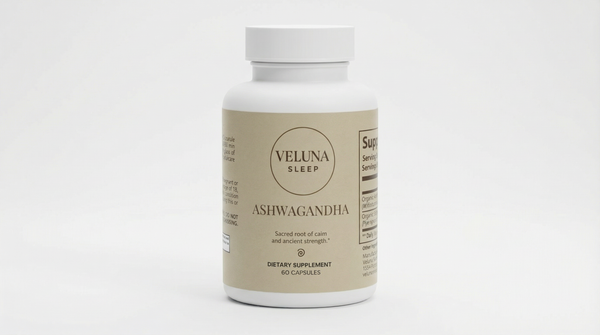
Several studies support ashwagandha's sleep-enhancing effects. For example, a systematic review and meta-analysis published in PloS One found that ashwagandha extract significantly improved sleep quality [1]. Another study in the Journal of Ethnopharmacology demonstrated that ashwagandha root extract improved sleep in both healthy volunteers and patients with insomnia [3]. These findings suggest that ashwagandha can be a valuable tool for improving sleep, especially for those whose sleep problems are linked to stress and anxiety. The adaptogenic properties of ashwagandha also help the body cope with various stressors, further promoting relaxation and better sleep. You can explore Veluna Ashwagandha to experience these benefits.
Ashwagandha for Anxiety and Stress
The connection between anxiety, stress, and poor sleep is well-established. When you're stressed, your body releases cortisol, which can interfere with your sleep cycle. Ashwagandha helps counteract this by reducing cortisol levels and promoting a sense of calm. A study in Cureus showed that ashwagandha root extract has adaptogenic and anxiolytic effects in healthy adults, further supporting its use for stress-related sleep issues [10]. This ability to reduce anxiety makes it a valuable tool for improving sleep quality. For athletes experiencing sleep disturbances related to stress from training and competition, ashwagandha may be a helpful supplement. You can learn more about other options in this article on Best Sleep Supplements for Athletes: Expert-Backed Choices. If you are also struggling with anxiety, you may want to explore other supplements like Best Sleep Supplements for Anxiety and Stress Relief.
Dosage and Safety of Ashwagandha
The typical dosage of ashwagandha root extract for sleep is between 300 to 500 mg daily. It's generally recommended to take it one to two hours before bedtime. The extract is often standardized to contain a specific percentage of withanolides, the active compounds believed to be responsible for its effects. While ashwagandha is considered safe for most people, it's essential to be aware of potential side effects and interactions. Some individuals may experience mild digestive upset, such as nausea or diarrhea. Ashwagandha may also interact with certain medications, including immunosuppressants and thyroid medications. If you're taking any medications or have underlying health conditions, consult with your healthcare provider before using ashwagandha. It is also wise to start with a lower dose to assess your tolerance before increasing to the full recommended amount. If you are considering other supplements, you may want to read this comparison article on Ashwagandha vs Magnesium Glycinate for Sleep: Which Supplement Should You Choose?.
Reishi Mushroom: The Calming Fungus
Reishi mushroom (Ganoderma lucidum) is a medicinal fungus that has been used in traditional Chinese medicine for thousands of years. It's often referred to as the "mushroom of immortality" due to its purported health benefits, which include immune support, stress reduction, and improved sleep. While research on reishi's direct impact on sleep is less extensive than that of ashwagandha, its calming properties may indirectly promote better sleep. Reishi offers a more holistic approach, addressing both sleep and overall well-being.
Reishi mushrooms contain compounds called triterpenes, which are believed to have calming effects on the nervous system. These compounds may help reduce anxiety and promote relaxation, creating a more favorable environment for sleep. Additionally, reishi mushrooms are rich in antioxidants, which can help protect against oxidative stress and inflammation, both of which can disrupt sleep. The antioxidant properties contribute to overall health and may indirectly support better sleep. While direct evidence linking reishi to improved sleep is still emerging, its traditional use as a calming agent suggests potential benefits.
Reishi's Impact on the Nervous System
The exact mechanisms by which reishi mushrooms affect the nervous system are not fully understood. However, some research suggests that they may interact with GABA receptors in the brain. GABA (gamma-aminobutyric acid) is a neurotransmitter that helps regulate nerve impulses and promotes relaxation. By enhancing GABA activity, reishi mushrooms may help reduce anxiety and promote a sense of calm, which can lead to better sleep. In addition, reishi's adaptogenic properties may help the body cope with stress, further promoting relaxation and improved sleep quality. However, more research is needed to confirm these effects and fully elucidate the mechanisms involved. For those looking for a more immediate effect on sleep, Glycine vs Ashwagandha for Sleep: Which One Is Right for You? may be a helpful comparison.
Dosage and Safety of Reishi Mushroom
The typical dosage of reishi mushroom for sleep is between one to two grams of dried mushroom powder or extract daily. It's often taken in the form of capsules, powders, or teas. The dosage can vary depending on the concentration of the extract and the specific product. Reishi mushroom is generally considered safe for most people, but high doses may cause digestive upset in some individuals. Some people may also experience allergic reactions, although this is rare. As with any supplement, it's essential to consult with your healthcare provider before using reishi mushroom, especially if you have underlying health conditions or are taking medications. Start with a lower dose to assess your tolerance and monitor for any adverse effects. While generally safe, it's important to be aware of potential sensitivities.
Take our 60-second quiz to discover the science-backed sleep solution matched to your unique needs.
Take the QuizHead-to-Head: Ashwagandha vs. Reishi for Sleep
Now that we've examined ashwagandha and reishi mushroom individually, let's compare them directly to help you decide which one might be the better choice for your sleep needs.
Efficacy
Ashwagandha has a stronger body of clinical evidence supporting its use as a sleep aid. Studies have shown that it can improve sleep quality, reduce sleep latency, and alleviate anxiety, particularly in individuals experiencing stress-related sleep disturbances [1, 3]. The research consistently points to ashwagandha's effectiveness in promoting better sleep. Reishi mushroom, on the other hand, has less direct evidence linking it to improved sleep. While its calming properties may indirectly promote better sleep, more research is needed to confirm these effects. However, its traditional use and potential benefits for relaxation and immune support make it a worthwhile consideration.
Mechanism of Action
Ashwagandha primarily works by reducing stress hormones (cortisol) and modulating the HPA axis [6]. It may also enhance GABA activity, further promoting relaxation. By directly targeting the stress response, ashwagandha can effectively improve sleep quality. Reishi mushroom's mechanism of action is less clear, but it's believed to interact with the nervous system to promote relaxation, possibly by enhancing GABA activity as well. Additionally, its antioxidant properties may help reduce oxidative stress and inflammation, which can disrupt sleep. The combination of these effects may contribute to its calming properties.
Best Fit
Ashwagandha is best suited for individuals with stress-related sleep disturbances. If you find that stress and anxiety are the primary reasons you're struggling to sleep, ashwagandha may be a good choice for you. Its direct impact on stress hormones and sleep quality makes it a targeted solution. Reishi mushroom, on the other hand, may be a better fit for those seeking general relaxation and immune support alongside potential sleep benefits. If you're looking for a more holistic approach to wellness and want to support your immune system while also promoting relaxation, reishi mushroom may be a good option. Consider your individual needs and preferences when making your decision.
When to Seek Professional Help
While natural remedies like ashwagandha and reishi mushroom can be helpful for improving sleep, it's essential to recognize when you need to seek professional help. If you're experiencing chronic insomnia, severe sleep disturbances, or if your sleep problems are significantly impacting your daily life, consult with your healthcare provider. They can help identify any underlying medical conditions that may be contributing to your sleep problems and recommend appropriate treatment options. Additionally, if you're taking any medications or have underlying health conditions, it's crucial to consult with your healthcare provider before using any new supplements.
The Bottom Line
Both ashwagandha and reishi mushroom offer potential benefits for sleep, but they work differently and have varying levels of scientific support. Ashwagandha has a stronger body of clinical evidence supporting its use as a sleep aid, particularly for individuals with stress-related sleep disturbances. Reishi mushroom, on the other hand, may be a better fit for those seeking general relaxation and immune support alongside potential sleep benefits. Ultimately, the best choice for you will depend on your individual needs and preferences.
If stress is a major factor in your sleep troubles, consider exploring ashwagandha for sleep and its adaptogenic properties. You might also find that a comprehensive sleep formula that includes magnesium, like Veluna Sleep Formula, provides a more well-rounded approach. Remember to always consult with your healthcare provider before starting any new supplement regimen.
Ready to find the right sleep ritual for your needs? Take Veluna's free 60-second quiz to get a personalized recommendation.
References
- Cheah KL, Norhayati MN, Husniati Yaacob L et al.. Effect of Ashwagandha (Withania somnifera) extract on sleep: A systematic review and meta-analysis. PloS one. 2021. PubMed
- Langade D, Thakare V, Kanchi S et al.. Clinical evaluation of the pharmacological impact of ashwagandha root extract on sleep in healthy volunteers and insomnia patients: A double-blind, randomized, parallel-group, placebo-controlled study. Journal of ethnopharmacology. 2021. PubMed
- Salve J, Pate S, Debnath K et al.. Adaptogenic and Anxiolytic Effects of Ashwagandha Root Extract in Healthy Adults: A Double-blind, Randomized, Placebo-controlled Clinical Study. Cureus. 2019. PubMed
- Zhang W, Yan Y, Wu Y et al.. Medicinal herbs for the treatment of anxiety: A systematic review and network meta-analysis. Pharmacological research. 2022. PubMed
- Sprengel M, Laskowski R, Jost Z. Withania somnifera (Ashwagandha) supplementation: a review of its mechanisms, health benefits, and role in sports performance. Nutrition & metabolism. 2025. PubMed
- Paul S, Chakraborty S, Anand U et al.. Withania somnifera (L.) Dunal (Ashwagandha): A comprehensive review on ethnopharmacology, pharmacotherapeutics, biomedicinal and toxicological aspects. Biomedicine & pharmacotherapy = Biomedecine & pharmacotherapie. 2021. PubMed
- Cheah KL, Norhayati MN, Husniati Yaacob L et al.. Effect of Ashwagandha (Withania somnifera) extract on sleep: A systematic review and meta-analysis. PloS one. 2021. PubMed
Frequently Asked Questions
While there's no known contraindication to taking ashwagandha and reishi mushroom together, it's always best to consult with your healthcare provider before combining supplements. They can assess your individual needs and ensure that the combination is safe for you. Additionally, they can monitor for any potential interactions or side effects. Consider starting with one supplement at a time to assess your individual response.
The time it takes for ashwagandha to improve sleep can vary depending on the individual and the severity of their sleep problems. Some people may experience improvements within a few days, while others may need to take it for several weeks to see noticeable effects. Consistency is key, so it's important to take ashwagandha regularly as directed. Be patient and monitor your sleep patterns over time.
Reishi mushroom is generally considered safe for most people, but some individuals may experience mild side effects, such as digestive upset, nausea, or allergic reactions. High doses may be more likely to cause side effects. If you experience any adverse effects while taking reishi mushroom, discontinue use and consult with your healthcare provider. Allergic reactions are rare but possible, so be vigilant for any signs of a reaction.
Ashwagandha may affect thyroid hormone levels, so it's essential to consult with your healthcare provider before taking it if you have thyroid problems. They can monitor your thyroid function and adjust your medication as needed. In some cases, ashwagandha may not be recommended for individuals with certain thyroid conditions. Regular monitoring of thyroid function is crucial if you choose to take ashwagandha.
While ashwagandha is generally considered safe for short-term use, the long-term effects are not well-studied. It's always best to consult with your healthcare provider before taking ashwagandha long-term. They can assess your individual needs and monitor for any potential side effects. Some experts recommend taking breaks from ashwagandha supplementation to prevent tolerance or dependence. A cyclical approach may be beneficial for long-term use.