Key Takeaways
✓ Ashwagandha may improve sleep quality by reducing stress and anxiety, with studies showing benefits for both healthy individuals and those with insomnia (Langade, 2021).
✓ L-theanine promotes relaxation without drowsiness, potentially improving sleep latency and overall sleep quality by modulating brain activity (Kim, 2019).
✓ Both supplements are generally safe, but ashwagandha may interact with certain medications, and the optimal long-term use of L-theanine is still being researched.
Ashwagandha and L-Theanine: Natural Sleep Aids Compared
Struggling to get a good night's sleep? You're likely exploring natural sleep aids to help you unwind and drift off peacefully. Ashwagandha and L-theanine are two popular options, each with unique properties and benefits. Understanding the differences between ashwagandha vs. L-theanine can help you determine which one is best suited to your individual needs. This article dives deep into their mechanisms, benefits, dosages, and potential side effects to provide a clear comparison, so you can make an informed decision about your sleep health.
Both ashwagandha and L-theanine are natural compounds touted for their sleep-promoting properties, but they work through different pathways. Ashwagandha, an adaptogenic herb, helps your body manage stress, which can indirectly improve sleep. L-theanine, an amino acid found in tea, promotes relaxation without causing drowsiness. This makes them distinct choices for different sleep challenges. Let's explore how each of these supplements can impact your sleep and overall well-being, and discover which might be the better fit for you.
Head-to-Head Comparison: Ashwagandha vs. L-Theanine
Before diving into the specifics of each supplement, here's a quick overview of their key differences:
| Factor | Ashwagandha | L-Theanine |
|---|---|---|
| Mechanism | Reduces stress and anxiety by modulating the HPA axis and neurotransmitters. | Promotes relaxation without drowsiness by influencing brain activity and neurotransmitter levels. |
| Best fit | Individuals experiencing sleep disturbances due to stress and anxiety. | Individuals seeking relaxation and improved sleep quality without sedation. |
| Typical dosage | 300-500 mg of root extract daily. | 100-200 mg daily. |
| Main caution | May interact with certain medications and affect thyroid function. | Generally safe, but optimal long-term use is still being researched. |
Ashwagandha: The Ancient Stress Reliever
Ashwagandha (Withania somnifera) is an herb used in traditional Ayurvedic medicine for centuries. It's classified as an adaptogen, meaning it helps your body adapt to stress, whether physical, mental, or environmental. Research suggests ashwagandha can improve sleep quality by reducing stress and anxiety levels [1, 5]. It has gained popularity as a natural remedy for various conditions, including insomnia and stress-related sleep problems. For those also struggling with anxiety, ashwagandha is often recommended as a natural supplement for anxiety and stress relief.
How Ashwagandha Works for Sleep
Ashwagandha's sleep-promoting effects are linked to its ability to modulate the hypothalamic-pituitary-adrenal (HPA) axis, which regulates your body's stress response. Chronic stress can disrupt the HPA axis, leading to elevated cortisol levels and sleep disturbances. Ashwagandha helps to normalize cortisol levels, promoting a sense of calm and relaxation. Additionally, ashwagandha may enhance GABAergic neurotransmission, further contributing to its anxiolytic and sleep-inducing effects [4]. GABA is a neurotransmitter that helps to calm the nervous system and promote relaxation.
The Evidence for Ashwagandha and Sleep
Several studies have investigated the effects of ashwagandha on sleep. A systematic review and meta-analysis of randomized controlled trials found that ashwagandha extract significantly improved sleep quality [1]. The review included multiple studies with varying designs, all pointing to the same conclusion. For instance, one double-blind, randomized, placebo-controlled study found that ashwagandha root extract improved sleep in both healthy volunteers and patients with insomnia (Langade, 2021). Participants taking ashwagandha experienced significant improvements in sleep latency, sleep efficiency, and overall sleep quality [6]. This suggests that ashwagandha can be a valuable tool for improving sleep, regardless of whether you have a diagnosed sleep disorder.
Another study explored the perceived impact of ashwagandha on stress, sleep quality, energy, and mental clarity among college students. The qualitative analysis revealed that students taking ashwagandha reported improvements in sleep quality and reduced stress levels (Baker, 2022). These findings suggest that ashwagandha may be particularly beneficial for individuals experiencing sleep disturbances due to stress and anxiety [5]. College students often face high levels of stress, making ashwagandha a potentially helpful supplement for this population. It's important to note that individual responses to ashwagandha may vary, and it's not a one-size-fits-all solution.
Dosage and Safety of Ashwagandha
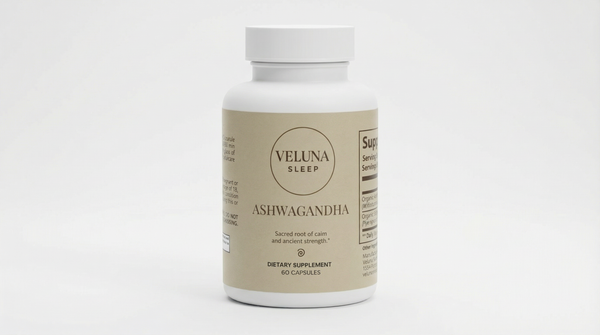
The typical dosage of ashwagandha root extract for sleep is 300-500 mg daily, taken in one or two doses. It's generally recommended to start with a lower dose and gradually increase as needed. For instance, you might begin with 300mg before bed. Veluna Ashwagandha offers a convenient and reliable way to incorporate this herb into your nightly routine. While ashwagandha is generally considered safe, it may cause side effects in some individuals, such as mild digestive upset or drowsiness. It's also important to note that ashwagandha may interact with certain medications, such as immunosuppressants and thyroid hormones. If you're taking any medications, consult with your healthcare provider before taking ashwagandha.
L-Theanine: The Relaxing Amino Acid
L-theanine is an amino acid found primarily in tea leaves, particularly green tea. It's known for its ability to promote relaxation without causing drowsiness. L-theanine has gained popularity as a natural sleep aid due to its calming effects and potential to improve sleep quality [2, 3]. Unlike some sleep aids that can leave you feeling groggy in the morning, L-theanine promotes relaxation without sedation, making it a popular choice for those seeking a gentle sleep aid. If you're an athlete looking to improve sleep, L-theanine is a great supplement to consider.
How L-Theanine Works for Sleep
L-theanine's sleep-promoting effects are attributed to its ability to influence brain activity and neurotransmitter levels. It increases alpha brain waves, which are associated with a relaxed and focused state. Additionally, L-theanine may modulate the levels of neurotransmitters such as GABA, dopamine, and serotonin, all of which play a role in regulating mood and sleep. By promoting relaxation and reducing anxiety, L-theanine can help improve sleep latency, sleep duration, and overall sleep quality (Kim, 2019) [10]. It essentially primes your brain for sleep without forcing it into a sedated state.
The Evidence for L-Theanine and Sleep
Research supports the use of L-theanine for sleep improvement. A systematic review and meta-analysis of randomized controlled trials examined the effects of L-theanine consumption on sleep outcomes. The review found that L-theanine significantly improved sleep quality, particularly in individuals experiencing sleep disturbances [3]. This suggests that L-theanine can be a helpful tool for improving sleep, especially for those who struggle with racing thoughts or difficulty winding down before bed.
Another study investigated the effects of a GABA and L-theanine mixture on sleep. The results showed that the combination decreased sleep latency and improved NREM sleep (Kim, 2019). Participants fell asleep faster and experienced more restful sleep [10]. These findings suggest that L-theanine may be particularly beneficial for individuals who have difficulty falling asleep or staying asleep. The combination with GABA highlights the potential for synergistic effects when combining natural sleep aids. It's important to note that while generally safe, the optimal long-term use of L-theanine is still being researched.
Dosage and Safety of L-Theanine
The typical dosage of L-theanine for sleep is 100-200 mg daily, taken 30-60 minutes before bedtime. L-theanine is generally considered safe, with few reported side effects. However, some individuals may experience mild digestive upset or headaches. As with any supplement, it's always a good idea to consult with your healthcare provider before taking L-theanine, especially if you have any underlying health conditions or are taking medications. If you are considering other supplements, it is worth exploring ashwagandha vs magnesium glycinate for sleep.
Take our 60-second quiz to discover the science-backed sleep solution matched to your unique needs.
Take the QuizAshwagandha or L-Theanine: Which Is Right for You?
Choosing between ashwagandha and L-theanine depends on your individual needs and preferences. If you're experiencing sleep disturbances due to stress and anxiety, ashwagandha may be the better choice. Its adaptogenic properties can help your body manage stress and promote a sense of calm. On the other hand, if you're simply looking for a natural way to relax and improve sleep quality without sedation, L-theanine may be more suitable. Its ability to promote relaxation without causing drowsiness can help you fall asleep faster and sleep more soundly. Consider what is keeping you up at night. Are you tossing and turning with anxiety, or are you generally calm but struggling to fall asleep?
It's also important to consider any underlying health conditions or medications you're taking. Ashwagandha may interact with certain medications, while L-theanine is generally considered safe. If you're unsure which supplement is right for you, consult with your healthcare provider or a qualified healthcare professional. For those looking for other natural options, exploring supplements like magnesium glycinate can also support relaxation and sleep. Ultimately, the best approach is to consider your individual needs and consult with a healthcare professional to determine the most appropriate sleep aid for you. You might also find valuable insights in articles comparing glycine vs ashwagandha for sleep.
Combining Ashwagandha and L-Theanine
While ashwagandha and L-theanine can be taken individually, some individuals may benefit from combining them. The combination of ashwagandha and L-theanine can provide a synergistic effect, promoting both stress reduction and relaxation. However, it's important to start with lower doses of each supplement and gradually increase as needed. Also, monitor your response carefully and discontinue use if you experience any adverse effects. Consider exploring Veluna Sleep Formula, which combines multiple ingredients for optimal sleep support. This approach allows you to benefit from the unique mechanisms of each supplement, potentially leading to more significant improvements in sleep quality. Always consult with a healthcare professional before combining supplements to ensure safety and avoid potential interactions.
When to Seek Professional Help
While natural sleep aids like ashwagandha and L-theanine can be helpful, they're not a substitute for professional medical advice. If you're experiencing chronic sleep disturbances or suspect an underlying medical condition, it's important to seek help from a qualified healthcare provider. Sleep disorders can have a significant impact on your health and well-being, and early diagnosis and treatment can prevent serious complications. Consider seeking professional help if you experience persistent insomnia, excessive daytime sleepiness, or suspect an underlying medical condition affecting your sleep. A healthcare provider can help identify the root cause of your sleep problems and recommend appropriate treatment options.
The Bottom Line
Ashwagandha and L-theanine are two natural supplements that can help improve sleep quality. Ashwagandha is best suited for individuals experiencing sleep disturbances due to stress and anxiety, while L-theanine is ideal for those seeking relaxation and improved sleep quality without sedation. Both supplements are generally safe, but it's important to consider any underlying health conditions or medications you're taking. You can also explore other options like glycine, depending on your needs.
Ultimately, the best choice depends on your individual needs and preferences. Whether you opt for ashwagandha, L-theanine, or a combination of both, incorporating these supplements into your nightly routine can help you achieve a more restful and rejuvenating sleep. Finding the right sleep ritual is essential for overall health and well-being.
Ready to find the right sleep ritual for your needs? Take Veluna's free 60-second quiz to get a personalized recommendation.
References
- Cheah KL, Norhayati MN, Husniati Yaacob L et al.. Effect of Ashwagandha (Withania somnifera) extract on sleep: A systematic review and meta-analysis. PloS one. 2021. PubMed
- Payne ER, Aceves-Martins M, Dubost J et al.. Effects of Tea (Camellia sinensis) or its Bioactive Compounds l-Theanine or l-Theanine plus Caffeine on Cognition, Sleep, and Mood in Healthy Participants: A Systematic Review and Meta-Analysis of Randomized Controlled Trials. Nutrition reviews. 2025. PubMed
- Bulman A, D'Cunha NM, Marx W et al.. The effects of L-theanine consumption on sleep outcomes: A systematic review and meta-analysis. Sleep medicine reviews. 2025. PubMed
- Zhang W, Yan Y, Wu Y et al.. Medicinal herbs for the treatment of anxiety: A systematic review and network meta-analysis. Pharmacological research. 2022. PubMed
- Baker C, Kirby JB, O'Connor J et al.. The Perceived Impact of Ashwagandha on Stress, Sleep Quality, Energy, and Mental Clarity for College Students: Qualitative Analysis of a Double-Blind Randomized Control Trial. Journal of medicinal food. 2022. PubMed
- Langade D, Thakare V, Kanchi S et al.. Clinical evaluation of the pharmacological impact of ashwagandha root extract on sleep in healthy volunteers and insomnia patients: A double-blind, randomized, parallel-group, placebo-controlled study. Journal of ethnopharmacology. 2021. PubMed
- Kim S, Jo K, Hong KB et al.. GABA and l-theanine mixture decreases sleep latency and improves NREM sleep. Pharmaceutical biology. 2019. PubMed
Frequently Asked Questions
Yes, you can take ashwagandha and L-theanine together. Some people find that combining the two provides a synergistic effect, promoting both stress reduction and relaxation. However, it's important to start with lower doses of each supplement and monitor your response carefully, and consult with your doctor.
Ashwagandha is generally considered safe, but some people may experience mild side effects such as digestive upset, drowsiness, or headaches. It may also interact with certain medications, such as immunosuppressants and thyroid hormones. Consult your healthcare provider before taking ashwagandha, especially if you have any underlying health conditions or are taking medications.
L-theanine is generally considered safe, with few reported side effects. Some people may experience mild digestive upset or headaches. As with any supplement, it's always a good idea to consult with your healthcare provider before taking L-theanine, especially if you have any underlying health conditions or are taking medications.
The time it takes for ashwagandha to work for sleep can vary depending on the individual. Some people may experience improvements in sleep quality within a few days, while others may need to take it for several weeks to notice a difference. Consistency is key when taking ashwagandha for sleep. It's important to take it regularly as directed to experience its full benefits.
L-theanine typically works relatively quickly to promote relaxation and improve sleep. Most people experience noticeable effects within 30-60 minutes of taking it. However, individual responses may vary. For best results, take L-theanine 30-60 minutes before bedtime to allow it to take effect before you go to sleep.