Key Takeaways
✓ L-theanine promotes relaxation without drowsiness, which can significantly improve sleep quality, especially when stress is a contributing factor (Bulman, 2025).
✓ Zinc plays a critical role in sleep regulation and may be particularly beneficial for individuals deficient in the mineral, though its direct impact on sleep is less pronounced than L-theanine.
✓ Combining L-theanine and zinc might offer synergistic benefits for sleep, addressing both relaxation and potential mineral deficiencies for a more comprehensive approach.
L-Theanine and Zinc: Comparing Natural Sleep Enhancers
Are you struggling to achieve consistent, restful sleep? The quest for natural sleep solutions often leads to exploring various supplements. Two popular contenders are L-theanine and zinc. L-theanine, an amino acid found primarily in green tea, is celebrated for its calming properties. Zinc, an essential mineral, supports numerous bodily functions, including sleep regulation. But when it comes to enhancing sleep, which one offers a better advantage? This article provides a detailed comparison of L-theanine and zinc to help you make an informed decision.
Both L-theanine and zinc are readily available over-the-counter and are generally considered safe for consumption by most adults. However, their mechanisms of action and specific effects on sleep differ significantly. Understanding these nuances is crucial in determining which supplement, if either, aligns best with your individual needs. Let's delve into a head-to-head analysis of L-theanine and zinc as potential sleep aids.
| Factor | L-Theanine | Zinc |
|---|---|---|
| Mechanism | Enhances relaxation by increasing alpha brain wave activity and modulating key neurotransmitters like GABA and serotonin. | Supports sleep regulation and melatonin production; corrects deficiencies that may disrupt sleep patterns. |
| Best fit | Individuals experiencing heightened stress levels, anxiety, or difficulty unwinding before bedtime. | Individuals with a potential zinc deficiency or those seeking to support overall health in addition to improved sleep. |
| Typical dosage | 100-400mg, ideally taken approximately 30-60 minutes before bedtime. | 15-30mg, preferably taken with food in the evening to enhance absorption. |
| Main caution | Generally safe; some individuals may experience mild headaches or minor gastrointestinal discomfort. | High doses can interfere with copper absorption and may lead to gastrointestinal issues; adherence to recommended dosages is crucial. |
Unlocking Relaxation: The Power of L-Theanine
L-theanine is a unique amino acid predominantly found in tea leaves, especially within green tea varieties. It stands out due to its remarkable ability to promote relaxation without inducing drowsiness. This makes it an attractive option for individuals seeking to enhance their sleep quality naturally, avoiding the sedative side effects often associated with other sleep-promoting substances. L-theanine exerts its calming influence through several key mechanisms within the brain.
How L-Theanine Works to Promote Sleep
L-theanine primarily functions by elevating alpha brain wave activity, which is closely linked to a state of relaxed alertness. This can help quiet the mind and reduce mental chatter that often interferes with falling asleep. Furthermore, it modulates the levels of critical neurotransmitters such as GABA (gamma-aminobutyric acid), serotonin, and dopamine, all of which play integral roles in regulating mood and sleep cycles. Research also suggests that L-theanine possesses anxiolytic properties, effectively reducing anxiety levels, which can indirectly foster improved sleep quality (Zhang, 2022). For a more detailed exploration of this amino acid, consider reading this guide to L-Theanine for Sleep.
The Sleep-Enhancing Benefits of L-Theanine
Studies indicate that L-theanine can significantly improve sleep quality, particularly for those whose sleep is frequently disrupted by stress or anxiety. A systematic review and meta-analysis highlighted that L-theanine consumption is associated with positive impacts on sleep outcomes, including improved sleep efficiency and reduced sleep latency (Bulman, 2025). Further supporting this, research has shown that L-theanine, especially when combined with GABA, can decrease the time it takes to fall asleep and enhance non-REM sleep stages, which are crucial for physical restoration (Kim, 2019). Additionally, L-theanine has been shown to improve learning and memory by counteracting the detrimental effects of sleep deprivation on brain function (Huang, 2025). Even cognitive function in older adults can be improved with regular L-Theanine intake [6].
Optimal Dosage and Timing for L-Theanine
The generally recommended dosage of L-theanine for sleep enhancement typically ranges from 100 to 400mg per day. For optimal effectiveness, it is advisable to take L-theanine approximately 30 to 60 minutes before you plan to go to bed, allowing sufficient time for the amino acid to exert its effects. L-theanine is usually well-tolerated by most individuals; however, some may experience mild and transient side effects such as headaches or gastrointestinal discomfort. It's prudent to initiate supplementation with a lower dose and gradually increase it as needed, carefully observing your body's response. Some studies use L-Theanine in combination with other ingredients to reduce stress [10].
Zinc's Essential Role in Sleep Regulation
Zinc is an indispensable mineral that plays a vital role in a multitude of biological processes, including bolstering immune function, facilitating wound healing, and promoting healthy cell growth. Beyond these functions, zinc is also intricately involved in the regulation of sleep. While its direct impact on sleep may be less pronounced compared to L-theanine, maintaining adequate zinc levels is essential for promoting healthy sleep patterns. Zinc deficiency has been linked to various sleep disturbances, underscoring the importance of ensuring sufficient zinc intake.
How Zinc Influences Sleep Patterns
Zinc participates in the synthesis and regulation of melatonin, a crucial hormone that governs the sleep-wake cycle. Melatonin helps signal to your body that it's time to sleep, and adequate zinc levels support its proper function. Additionally, zinc functions as both an antioxidant and an anti-inflammatory agent, which can help shield against factors that may disrupt sleep, such as oxidative stress and inflammation. Although the precise mechanisms are still under investigation, it is believed that zinc can influence sleep by modulating neurotransmitter activity and supporting overall brain health. It can also be considered as one of the best sleep supplements for anxiety and stress relief.
The Sleep-Related Benefits of Zinc Supplementation
The sleep-related benefits of zinc are primarily observed in individuals who exhibit a deficiency in this essential mineral. Correcting a zinc deficiency may lead to improvements in both sleep quality and duration. However, the evidence supporting the direct use of zinc as a sleep aid in individuals with adequate zinc levels remains limited. Zinc may indirectly support sleep by mitigating inflammation and oxidative stress, both of which can interfere with normal sleep processes. Athletes, who often experience increased physical stress, may benefit from zinc supplementation to maintain optimal sleep. Consider exploring other sleep supplements for athletes, where zinc deficiencies can be more common.
Recommended Dosage and Timing for Zinc Intake
The recommended daily intake of zinc typically ranges from 15 to 30mg. It is generally advisable to take zinc supplements with food to enhance absorption and minimize the potential for gastrointestinal upset. Consuming zinc in the evening may be particularly beneficial for promoting sleep; however, it's crucial to avoid excessive doses, as they can interfere with the absorption of other essential minerals, such as copper. As with any dietary supplement, it's prudent to consult with a healthcare professional before commencing any new supplementation regimen.
Take our 60-second quiz to discover the science-backed sleep solution matched to your unique needs.
Take the QuizL-Theanine vs. Zinc: A Detailed Comparison
Having examined the individual benefits of L-theanine and zinc in relation to sleep, let's directly compare their attributes. L-theanine is primarily recognized for its calming and relaxing effects, making it a suitable choice for individuals who struggle with stress or anxiety before bedtime. Conversely, zinc plays a broader role in sleep regulation and may be more advantageous for those with a confirmed zinc deficiency. Here's a more detailed side-by-side comparison:
Mechanism of Action: How They Differ
L-theanine enhances relaxation by boosting alpha brain wave activity and modulating neurotransmitters such as GABA, serotonin, and dopamine. This action can help alleviate anxiety and foster a sense of calmness, thereby facilitating easier sleep onset (Zhang, 2022). Zinc, on the other hand, participates in melatonin production and functions as an antioxidant and anti-inflammatory agent. It may also influence sleep by modulating neurotransmitter activity, although its effects are less direct compared to those of L-theanine.
Ideal Candidate: Who Benefits Most?
L-theanine is most effective for individuals who frequently experience stress, anxiety, or difficulty relaxing before bedtime. It can help quiet the mind and promote more restful sleep without causing daytime drowsiness. Zinc is particularly beneficial for individuals with a potential zinc deficiency or those seeking to support their overall health and sleep quality. It may also benefit those who experience sleep disturbances related to inflammation or oxidative stress.
Potential Side Effects: What to Watch For
L-theanine is generally well-tolerated, with minimal reported side effects. Some individuals may experience mild headaches or gastrointestinal discomfort. Conversely, zinc can cause gastrointestinal issues, such as nausea and vomiting, particularly at higher doses. Elevated zinc levels can also interfere with the absorption of other minerals, such as copper. Adhering to recommended dosages and consulting with a healthcare professional if you experience any adverse effects is crucial.
Combining L-Theanine and Zinc: A Synergistic Approach
Although L-theanine and zinc operate through distinct mechanisms, they may offer synergistic benefits for sleep. L-theanine can help promote relaxation and reduce anxiety, while zinc supports melatonin production and overall brain health. Combining these supplements may address multiple factors that contribute to sleep disturbances, potentially leading to more comprehensive improvements in sleep quality. However, further research is needed to fully elucidate the potential benefits of this combination. You might also find that Veluna Sleep Formula is a helpful option, since it contains both magnesium and L-Theanine, along with other helpful ingredients.
Additional Strategies for Enhanced Sleep
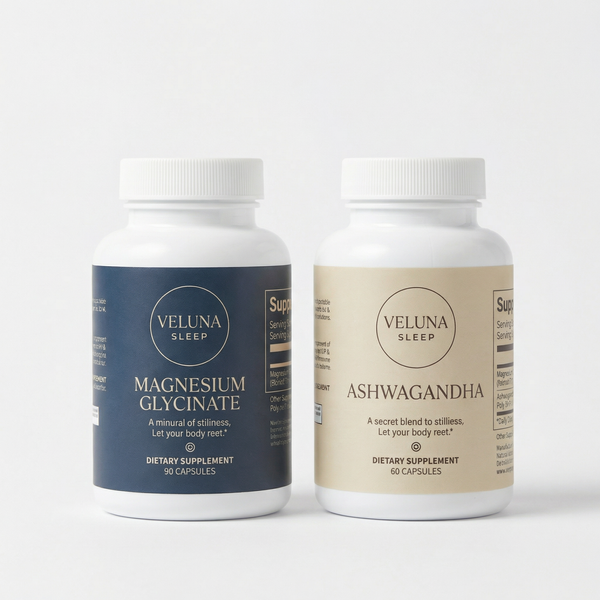
While L-theanine and zinc can be valuable tools for enhancing sleep, incorporating other supplements and lifestyle modifications can further support healthy sleep habits. Magnesium, for instance, is an essential mineral that plays a critical role in muscle relaxation and sleep regulation. Magnesium deficiency can lead to sleep disturbances; therefore, ensuring adequate magnesium intake may improve sleep quality. Consider Veluna Magnesium Glycinate, which is easily absorbed and gentle on the stomach.
Additionally, ashwagandha, an adaptogenic herb, has demonstrated efficacy in reducing stress and anxiety, which can indirectly improve sleep quality. Melatonin, a hormone that regulates the sleep-wake cycle, can also be supplemented to improve sleep timing and duration. Establishing a relaxing bedtime routine, such as taking a warm bath or reading a book, can also help prepare your mind and body for sleep.
When to Seek Professional Guidance
If you are experiencing persistent sleep problems that significantly impact your daily life and overall well-being, seeking professional help is essential. A healthcare provider can assess your sleep patterns, identify any underlying medical conditions that may be contributing to your sleep disturbances, and recommend appropriate treatment options tailored to your specific needs. This may include lifestyle adjustments, supplements, prescription medications, or cognitive behavioral therapy for insomnia (CBT-I). Do not hesitate to seek professional guidance if you are struggling to achieve consistent, restful sleep.
In Conclusion: Finding the Right Sleep Solution
L-theanine and zinc are both natural supplements that may offer distinct benefits for sleep. L-theanine is primarily recognized for its calming and relaxing properties, making it a favorable choice for individuals who struggle with stress or anxiety before bedtime. Zinc plays a broader role in sleep regulation and may be more beneficial for those with a diagnosed zinc deficiency. While both supplements are generally safe, adhering to recommended dosages and consulting with a healthcare professional if you have any underlying health conditions or concerns is crucial.
Ultimately, the most effective supplement for enhancing sleep depends on your unique needs and circumstances. Experimenting with different options and making positive lifestyle changes can help you discover the optimal combination for promoting healthy, restorative sleep. Remember that consistency is key, and it may take time to experience the full benefits of any new sleep regimen.
Ready to find the right sleep ritual for your needs? Take Veluna's free 60-second quiz to get a personalized recommendation.
References
- Payne ER, Aceves-Martins M, Dubost J et al.. Effects of Tea (Camellia sinensis) or its Bioactive Compounds l-Theanine or l-Theanine plus Caffeine on Cognition, Sleep, and Mood in Healthy Participants: A Systematic Review and Meta-Analysis of Randomized Controlled Trials. Nutrition reviews. 2025. PubMed
- Bulman A, D'Cunha NM, Marx W et al.. The effects of L-theanine consumption on sleep outcomes: A systematic review and meta-analysis. Sleep medicine reviews. 2025. PubMed
- Innocenti A, Lentini G, Rapacchietta S et al.. The Role of Supplements and Over-the-Counter Products to Improve Sleep in Children: A Systematic Review. International journal of molecular sciences. 2023. PubMed
- Zhang W, Yan Y, Wu Y et al.. Medicinal herbs for the treatment of anxiety: A systematic review and network meta-analysis. Pharmacological research. 2022. PubMed
- Huang X, Lu X, Wu Z et al.. l-Theanine Improves Learning and Memory Through Attenuation of NOX4-Mediated Ferroptosis in Hippocampal Neurons of Sleep-Deprived Mice. Phytotherapy research : PTR. 2025. PubMed
- Kim S, Jo K, Hong KB et al.. GABA and l-theanine mixture decreases sleep latency and improves NREM sleep. Pharmaceutical biology. 2019. PubMed
- Uchida K, Meno K, Korenaga T et al.. Effect of matcha green tea on cognitive functions and sleep quality in older adults with cognitive decline: A randomized controlled study over 12 months. PloS one. 2024. PubMed
Frequently Asked Questions
Yes, L-theanine and zinc can generally be taken together. They operate through different mechanisms and may offer complementary benefits for sleep. L-theanine can promote relaxation, while zinc supports melatonin production and overall brain health.
For optimal results, it is typically recommended to take L-theanine approximately 30 to 60 minutes before bedtime to allow it to exert its calming effects. Zinc is best taken with food in the evening to enhance absorption and minimize the potential for gastrointestinal upset.
L-theanine is generally well-tolerated, with few reported side effects; however, some individuals may experience mild headaches or gastrointestinal discomfort. Zinc can cause gastrointestinal issues, such as nausea and vomiting, particularly at high doses. It's important to adhere to recommended dosages.
L-theanine and zinc are not a cure for insomnia; however, they may help improve sleep quality and duration in some individuals. If you are experiencing chronic insomnia, seeking professional help from a healthcare provider is crucial.
L-theanine is generally considered safe for long-term use when taken at recommended dosages. Zinc is also safe when taken at recommended dosages; however, high doses can interfere with the absorption of other minerals, such as copper. It's always best to consult with a healthcare professional if you have any concerns about long-term use. Also see: Are Sleep Supplements Safe Long Term? What the Science Says