Key Takeaways
✓ While some studies suggest 5-HTP can improve sleep, long-term effects are not well-established, warranting caution.
✓ Potential side effects of 5-HTP include gastrointestinal issues and, rarely, more serious conditions like serotonin syndrome.
✓ Lifestyle adjustments, such as maintaining a consistent sleep schedule and optimizing light exposure, can offer sustainable sleep improvements.
Research discussed here relates to individual ingredients and does not establish that the finished Veluna product has been clinically studied or will produce the same results.
5-HTP and Daily Sleep: Weighing the Benefits and Risks
If you're struggling to get a good night's sleep, you might be exploring various sleep aids. One option that often comes up is 5-HTP (5-hydroxytryptophan), a naturally occurring amino acid that your body converts into serotonin. Serotonin, in turn, can be converted into melatonin, a hormone crucial for regulating your sleep-wake cycle. The question is: Is it safe to take 5-HTP every night to improve your sleep? This article will explore the potential benefits and risks associated with daily 5-HTP use, helping you make an informed decision about whether it's right for you.
Before considering any supplement, it's important to understand how it works and what the research says about its effectiveness and safety. While 5-HTP shows promise for some sleep-related issues, it's not a one-size-fits-all solution. Factors like dosage, individual health conditions, and potential interactions with other medications all play a role in determining whether daily 5-HTP is a safe and effective choice for you. For example, if you are considering options to reset your circadian rhythm, optimizing light exposure may be a better first step.
How 5-HTP Impacts Sleep: Serotonin and Melatonin
To understand 5-HTP's potential benefits for sleep, it's helpful to understand its role in the body. 5-HTP is a precursor to serotonin, a neurotransmitter that plays a vital role in mood regulation, appetite, and, importantly, sleep. Serotonin can then be converted into melatonin, the hormone that regulates your sleep-wake cycle. By increasing serotonin levels, 5-HTP may indirectly boost melatonin production, potentially promoting relaxation and improving sleep quality.
However, the relationship between 5-HTP, serotonin, and melatonin is complex. While 5-HTP can increase serotonin levels, this doesn't automatically translate into improved sleep for everyone. Individual factors, such as genetics, lifestyle, and underlying health conditions, can all influence how your body responds to 5-HTP. Additionally, the conversion of serotonin to melatonin requires other nutrients and enzymes, so simply increasing serotonin levels may not be enough to optimize melatonin production. This is why a comprehensive approach to sleep health, including diet, exercise, and stress management, is often more effective than relying solely on supplements. Consider exploring options like magnesium glycinate which can also support relaxation and sleep.
The Evidence for 5-HTP and Sleep: What the Studies Say
Research on 5-HTP and sleep is still emerging, and the existing studies have yielded mixed results. Some studies suggest that 5-HTP may improve sleep quality, reduce sleep latency (the time it takes to fall asleep), and increase sleep duration. For instance, a systematic review, meta-analysis, and meta-regression showed that tryptophan supplementation may positively affect sleep quality [3]. Since 5-HTP is a precursor to tryptophan, this indirectly supports the potential benefits of 5-HTP. However, other studies have found no significant effect of 5-HTP on sleep parameters.
It's important to note that many of the studies on 5-HTP and sleep are small and have methodological limitations. Additionally, the optimal dosage of 5-HTP for sleep is still unclear, and different studies have used different dosages. Some studies have used relatively low doses (e.g., 50-100 mg), while others have used higher doses (e.g., 300-400 mg). It's also worth noting that the effects of 5-HTP may vary depending on the individual. Some people may experience significant improvements in sleep quality with 5-HTP, while others may not notice any difference. More research is needed to determine the optimal dosage of 5-HTP for sleep and to identify who is most likely to benefit from it. Before considering 5-HTP, explore whether meal timing and circadian health are impacting your sleep.
Potential Risks and Side Effects of Daily 5-HTP Use
While 5-HTP is generally considered safe for short-term use, the long-term safety of daily 5-HTP supplementation is not well-established. Some potential side effects of 5-HTP include gastrointestinal issues such as nausea, diarrhea, and stomach cramps. These side effects are usually mild and temporary, but they can be bothersome for some people. It's generally recommended to start with a low dose of 5-HTP and gradually increase the dose to minimize the risk of side effects.
In rare cases, 5-HTP can cause more serious side effects, such as serotonin syndrome. Serotonin syndrome is a potentially life-threatening condition that can occur when there is too much serotonin in the brain. Symptoms of serotonin syndrome include agitation, confusion, rapid heart rate, high blood pressure, muscle stiffness, and seizures. Serotonin syndrome is more likely to occur when 5-HTP is taken in combination with other medications that increase serotonin levels, such as antidepressants. If you are taking any medications, it's important to talk to your doctor before taking 5-HTP to avoid potential interactions. Furthermore, even natural remedies like ashwagandha should be considered carefully. Clinical evaluations have demonstrated the impact of ashwagandha root extract on sleep in healthy volunteers and insomnia patients [8].
Take our 60-second quiz to discover the science-backed sleep solution matched to your unique needs.
Take the QuizDosage and Timing: How to Take 5-HTP for Sleep
If you decide to try 5-HTP for sleep, it's important to follow some general guidelines for dosage and timing. As mentioned earlier, it's generally recommended to start with a low dose of 5-HTP and gradually increase the dose as needed. A typical starting dose is 50-100 mg, taken 30-60 minutes before bedtime. You can gradually increase the dose by 50-100 mg every few days until you find a dose that works for you. However, it's generally not recommended to exceed a daily dose of 400 mg.
The timing of 5-HTP supplementation is also important. 5-HTP is best taken on an empty stomach, as food can interfere with its absorption. Taking 5-HTP shortly before bedtime can help promote relaxation and improve sleep quality. However, some people may find that 5-HTP makes them feel drowsy or lightheaded during the day. If this happens, you may want to try taking 5-HTP earlier in the evening or reducing the dose. It's also worth noting that the effects of 5-HTP may take several days or weeks to become noticeable, so it's important to be patient and consistent with your supplementation. Light therapy may also support improvements to sleep. A systematic review and meta-analysis showed that light therapy can be effective in treating insomnia disorder [2].
Alternatives to 5-HTP for Improving Sleep
Before relying solely on 5-HTP for sleep, it's worth exploring other strategies for improving your sleep quality. Lifestyle adjustments, such as maintaining a consistent sleep schedule, creating a relaxing bedtime routine, and optimizing your sleep environment, can often make a significant difference. Regular physical activity, stress management techniques, and a healthy diet can also contribute to better sleep. For example, passive body heating by a warm shower or bath before bedtime has been shown to improve sleep [5].
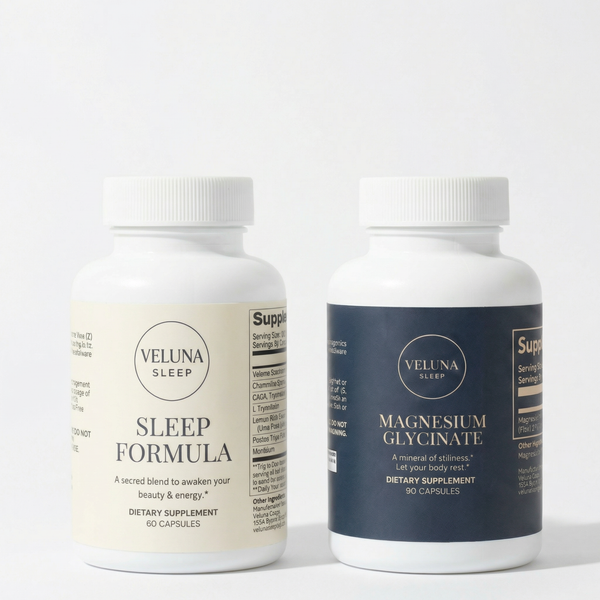
If lifestyle adjustments are not enough, there are several other natural sleep aids that you may want to consider. Melatonin is a hormone that regulates your sleep-wake cycle, and melatonin supplements are widely available and generally considered safe for short-term use. A meta-analysis showed that melatonin can be effective for treating primary sleep disorders [9]. Other natural sleep aids include valerian root, chamomile, and lavender. These herbs have been traditionally used to promote relaxation and improve sleep. Supplements like Veluna Sleep Formula combine several of these ingredients for a synergistic effect. It’s also important to ensure you are waking up at the best time to wake up for your circadian rhythm.
When to Seek Professional Help
If you're struggling with chronic insomnia or other sleep disorders, it's important to seek professional help. A doctor or sleep specialist can help you identify the underlying causes of your sleep problems and recommend appropriate treatment options. Insomnia can be a symptom of an underlying medical condition, such as depression, anxiety, or sleep apnea. Addressing these underlying conditions can often improve sleep quality.
A healthcare professional can also help you determine whether 5-HTP or other sleep aids are right for you. They can assess your individual health needs, consider any potential interactions with other medications, and monitor you for any side effects. In some cases, prescription medications may be necessary to treat insomnia or other sleep disorders. A systematic review and network meta-analysis evaluated the efficacy and tolerability of pharmacological treatments for insomnia in adults [1]. Remember, good sleep is essential for your overall health and well-being, and seeking professional help is a sign of strength, not weakness.
The Bottom Line
While 5-HTP shows promise as a natural sleep aid, the long-term safety of daily use is not yet fully understood. While some studies suggest that 5-HTP may improve sleep quality, reduce sleep latency, and increase sleep duration, other studies have found no significant effect. Potential side effects of 5-HTP include gastrointestinal issues and, in rare cases, more serious conditions like serotonin syndrome. If you're considering taking 5-HTP every night for sleep, it's important to weigh the potential benefits against the potential risks and talk to your doctor before starting supplementation.
Before relying on 5-HTP, prioritize lifestyle adjustments and explore other natural sleep aids. Maintaining a consistent sleep schedule, creating a relaxing bedtime routine, and optimizing your sleep environment can often make a significant difference. There are also other sleep aids, such as melatonin, valerian root, and chamomile, that you may want to consider. Also, consider that sleep quality and duration are related to frailty in older adults [6].
Ready to find the right sleep ritual for your needs? Take Veluna's free 60-second quiz to get a personalized recommendation.
References
- Yue JL, Chang XW, Zheng JW et al.. Efficacy and tolerability of pharmacological treatments for insomnia in adults: A systematic review and network meta-analysis. Sleep medicine reviews. 2023. PubMed
- Chambe J, Reynaud E, Maruani J et al.. Light therapy in insomnia disorder: A systematic review and meta-analysis. Journal of sleep research. 2023. PubMed
- Sutanto CN, Loh WW, Kim JE. The impact of tryptophan supplementation on sleep quality: a systematic review, meta-analysis, and meta-regression. Nutrition reviews. 2022. PubMed
- Choi K, Lee YJ, Park S et al.. Efficacy of melatonin for chronic insomnia: Systematic reviews and meta-analyses. Sleep medicine reviews. 2022. PubMed
- Haghayegh S, Khoshnevis S, Smolensky MH et al.. Before-bedtime passive body heating by warm shower or bath to improve sleep: A systematic review and meta-analysis. Sleep medicine reviews. 2019. PubMed
- de Souza ÂMN, Fernandes DPS, Castro IS et al.. Sleep quality and duration and frailty in older adults: a systematic review. Frontiers in public health. 2025. PubMed
- Zhang J, Qin Z, So TH et al.. Acupuncture for chemotherapy-associated insomnia in breast cancer patients: an assessor-participant blinded, randomized, sham-controlled trial. Breast cancer research : BCR. 2023. PubMed
- Langade D, Thakare V, Kanchi S et al.. Clinical evaluation of the pharmacological impact of ashwagandha root extract on sleep in healthy volunteers and insomnia patients: A double-blind, randomized, parallel-group, placebo-controlled study. Journal of ethnopharmacology. 2021. PubMed
- Ferracioli-Oda E, Qawasmi A, Bloch MH. Meta-analysis: melatonin for the treatment of primary sleep disorders. PloS one. 2013. PubMed
Frequently Asked Questions
It's generally not recommended to take 5-HTP with other sleep aids, especially those that also affect serotonin levels, such as St. John's Wort or certain antidepressants. Combining these substances can increase the risk of serotonin syndrome. Always consult with your doctor before combining 5-HTP with any other supplements or medications.
The time it takes for 5-HTP to start working can vary depending on the individual and the dosage. Some people may notice improvements in sleep quality within a few days, while others may need to take it for several weeks before experiencing any noticeable effects. Consistency is key, so it's important to take 5-HTP regularly and at the same time each day.
There is no evidence to suggest that 5-HTP is physically addictive. However, some people may develop a psychological dependence on 5-HTP if they believe that they cannot sleep without it. It's important to use 5-HTP responsibly and to address the underlying causes of your sleep problems rather than relying solely on supplements.
The safety of 5-HTP during pregnancy and breastfeeding has not been well-established. It's generally recommended to avoid taking 5-HTP if you're pregnant or breastfeeding unless your doctor advises otherwise. There may be potential risks to the developing fetus or infant, so it's best to err on the side of caution.
Yes, 5-HTP can interact with several medications, especially those that affect serotonin levels. These include antidepressants (such as SSRIs and MAOIs), pain medications (such as tramadol), and migraine medications (such as triptans). Taking 5-HTP with these medications can increase the risk of serotonin syndrome. Always talk to your doctor before taking 5-HTP if you're taking any medications.