Key Takeaways
✓ Ashwagandha may improve sleep quality and reduce stress, potentially helping those with anxiety-related sleep issues [1, 3].
✓ Glycine promotes relaxation and can lower body temperature, potentially improving sleep onset and quality, especially for those with trouble falling asleep [2, 9].
✓ Both supplements are generally safe, but individual responses vary, so it's important to consider your specific sleep challenges and consult with a healthcare professional if needed.
Ashwagandha or Glycine: Which Supplement Is Right for Your Sleep?
Struggling to get a good night's sleep? You're likely exploring natural sleep aids to improve your sleep quality. Two popular supplements often mentioned are ashwagandha and glycine. Both have shown promise in promoting relaxation and better sleep, but they work through different mechanisms and may be better suited for different individuals. Understanding the nuances of each supplement can help you make an informed decision about which one is right for you.
This comprehensive comparison will explore the benefits, mechanisms, dosages, and potential side effects of ashwagandha and glycine. We'll delve into the research behind each supplement to help you determine which one aligns best with your specific sleep needs. If you're also considering other options, check out our guide on how to choose the right sleep supplement.
| Factor | Ashwagandha | Glycine |
|---|---|---|
| Mechanism | Reduces stress hormones, promotes relaxation [1, 3] | Neurotransmitter effects, lowers body temperature [2, 9] |
| Best fit | Individuals with anxiety or stress-related sleep issues [3, 4] | Individuals with difficulty falling asleep or staying asleep [7, 9] |
| Typical dosage | 300-600mg of root extract [4] | 3-5g [9] |
| Main caution | May interact with certain medications; potential thyroid effects [1] | Generally safe; high doses may cause mild gastrointestinal upset [2] |
The Sleep-Promoting Power of Ashwagandha
Ashwagandha, also known as Withania somnifera, is an adaptogenic herb widely used in traditional Ayurvedic medicine. It has gained popularity as a natural remedy for stress, anxiety, and sleep disturbances. Research suggests that ashwagandha can improve sleep quality by reducing stress hormones and promoting relaxation [1, 3].
One of the primary ways ashwagandha improves sleep is by modulating the hypothalamic-pituitary-adrenal (HPA) axis, which regulates the body's stress response. Studies have shown that ashwagandha can lower cortisol levels, the hormone released in response to stress [3, 4]. By reducing cortisol, ashwagandha helps calm the nervous system, making it easier to fall asleep and stay asleep. A study in the Journal of Ethnopharmacology showed that ashwagandha root extract improved sleep quality in both healthy volunteers and those with insomnia (Langade, 2021).
Research discussed here relates to individual ingredients and does not establish that the finished Veluna product has been clinically studied or will produce the same results.
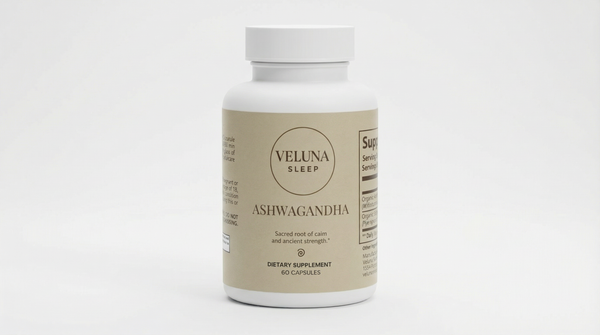
Furthermore, ashwagandha may enhance sleep by increasing gamma-aminobutyric acid (GABA) activity in the brain. GABA is a neurotransmitter that promotes relaxation and reduces neuronal excitability. By boosting GABA levels, ashwagandha can help induce a state of calmness conducive to sleep. For those struggling with anxiety, ashwagandha's calming effects could be particularly beneficial. Individuals have reported improvements in stress, sleep quality, and mental clarity when taking ashwagandha (Baker, 2022). You can explore the benefits of this herb further with Veluna Ashwagandha, formulated to support relaxation and restful sleep.
Glycine and Its Role in Sleep Enhancement
Glycine is a non-essential amino acid that plays a crucial role in various physiological processes, including sleep regulation. It acts as an inhibitory neurotransmitter in the central nervous system, promoting relaxation and reducing neuronal excitability. Glycine has been shown to improve sleep quality by lowering body temperature and enhancing the effects of other sleep-promoting substances [2, 9].
One of the key mechanisms by which glycine enhances sleep is through its influence on body temperature. Research indicates that glycine can lower core body temperature, which is a natural signal for sleep onset. A slight decrease in body temperature helps initiate and maintain sleep throughout the night. Studies show that glycine administration can affect various physiological systems in human adults, ultimately promoting better sleep (Soh, 2024).
Glycine also interacts with the N-methyl-D-aspartate (NMDA) receptors in the brain, influencing sleep architecture. By modulating NMDA receptor activity, glycine can increase slow-wave sleep (SWS), also known as deep sleep. SWS is essential for physical restoration and cognitive function. A study in the Journal of Pharmacological Sciences found that glycine improves sleep quality by enhancing SWS (Bannai, 2012). If you're looking to incorporate glycine into your sleep routine, consider Veluna Magnesium Glycinate, which combines the benefits of glycine with the muscle-relaxing properties of magnesium.
Ashwagandha vs. Glycine: A Head-to-Head Comparison
While both ashwagandha and glycine offer sleep-promoting benefits, they differ in their mechanisms of action and suitability for different individuals. Ashwagandha primarily works by reducing stress and anxiety, while glycine focuses on lowering body temperature and enhancing sleep architecture. Understanding these differences can help you determine which supplement is the better fit for your specific sleep challenges.
Ashwagandha may be more beneficial for individuals whose sleep problems are related to stress, anxiety, or an overactive nervous system. Its adaptogenic properties help the body cope with stress, promoting a sense of calmness that can improve sleep quality. On the other hand, glycine may be more suitable for those who have difficulty falling asleep or staying asleep due to issues with body temperature regulation or sleep architecture. Its ability to lower body temperature and enhance deep sleep can lead to a more restful and restorative night's sleep. For athletes seeking sleep support, glycine might be a better option, as some research suggests collagen peptides (containing glycine) can reduce sleep fragmentation (Thomas, 2024). For more information on sleep supplements tailored to athletes, explore our article on the best sleep supplements for athletes.
Consider your individual needs and preferences when choosing between ashwagandha and glycine. If you're unsure, it's always best to consult with a healthcare professional who can assess your specific situation and provide personalized recommendations.
Take our 60-second quiz to discover the science-backed sleep solution matched to your unique needs.
Take the QuizDosage and Timing: Maximizing the Benefits
To reap the full benefits of ashwagandha or glycine, it's essential to understand the appropriate dosage and timing for each supplement. Taking the correct amount at the right time can optimize their sleep-promoting effects and minimize potential side effects.
For ashwagandha, the typical dosage ranges from 300 to 600 mg of root extract per day. It's generally recommended to take ashwagandha in the evening, about one to two hours before bedtime. This allows the supplement to exert its calming effects and prepare your body for sleep. Some studies have used even higher doses safely (Langade, 2021), but it's best to start with a lower dose and gradually increase as needed. Individuals using Veluna Sleep Formula benefit from a blend of ingredients, including ashwagandha, designed to promote relaxation and improve sleep quality.
For glycine, the recommended dosage is typically between three to five grams per day. Glycine is best taken about one hour before bedtime to allow it to lower body temperature and enhance sleep architecture. Glycine is also found in some dietary protocols intended to improve sleep quality (Conti, 2025). Some people may find that dividing the dose into two smaller amounts, one in the afternoon and one before bed, improves its effectiveness. As with any supplement, it's important to follow the instructions on the product label and consult with a healthcare professional if you have any concerns.
Potential Side Effects and Interactions
While both ashwagandha and glycine are generally considered safe, it's important to be aware of potential side effects and interactions before incorporating them into your sleep routine. Being informed about these factors can help you make a safe and effective decision.
Ashwagandha may cause mild side effects such as digestive upset, headache, or drowsiness in some individuals. It may also interact with certain medications, including immunosuppressants and thyroid hormones. People with thyroid conditions should exercise caution when taking ashwagandha, as it may affect thyroid hormone levels [1]. It is always best to consult your healthcare provider before starting a new supplement.
Glycine is generally well-tolerated, but high doses may cause mild gastrointestinal upset, such as nausea or diarrhea, in some people [2]. Glycine is also being researched for its potential role in rapid eye movement sleep behavior disorder (Luppi, 2013). It's worth noting that individual responses to both ashwagandha and glycine can vary. Some people may experience significant benefits with minimal side effects, while others may not notice any improvement or may experience unwanted effects. If you have any concerns or experience any adverse reactions, discontinue use and consult with a healthcare professional.
When to Seek Professional Help
While ashwagandha and glycine can be helpful for improving sleep quality, they are not a substitute for professional medical advice. If you have chronic sleep problems or suspect an underlying medical condition, it's important to seek help from a healthcare provider. Chronic insomnia, sleep apnea, restless legs syndrome, and other sleep disorders often require diagnosis and treatment from a qualified professional. Furthermore, if you're experiencing significant anxiety, depression, or other mental health issues that are affecting your sleep, it's essential to seek help from a mental health professional.
A healthcare provider can assess your specific situation, identify any underlying causes of your sleep problems, and recommend the most appropriate treatment plan. This may include lifestyle changes, cognitive behavioral therapy for insomnia (CBT-I), medications, or other interventions. For shift workers looking to improve their sleep, consulting with a healthcare professional can provide tailored strategies and recommendations. You can find more information on this topic in our article on the best sleep supplements for shift workers.
Remember, addressing sleep problems early can prevent them from becoming chronic and improve your overall health and well-being. Don't hesitate to seek professional help if you're struggling to get a good night's sleep.
The Bottom Line
Ashwagandha and glycine are two natural supplements that have shown promise in promoting better sleep. Ashwagandha works by reducing stress and anxiety, while glycine focuses on lowering body temperature and enhancing sleep architecture. The choice between the two depends on your individual needs and preferences.
If your sleep problems are related to stress or anxiety, ashwagandha may be the better option. If you have difficulty falling asleep or staying asleep due to issues with body temperature or sleep architecture, glycine may be more suitable. Both supplements are generally safe, but it's important to be aware of potential side effects and interactions. You can also learn more by reading our article comparing glycine vs ashwagandha for sleep.
Ready to find the right sleep ritual for your needs? Take Veluna's free 60-second quiz to get a personalized recommendation.
References
- Cheah KL, Norhayati MN, Husniati Yaacob L et al.. Effect of Ashwagandha (Withania somnifera) extract on sleep: A systematic review and meta-analysis. PloS one. 2021. PubMed
- Soh J, Raventhiran S, Lee JH et al.. The effect of glycine administration on the characteristics of physiological systems in human adults: A systematic review. GeroScience. 2024. PubMed
- Baker C, Kirby JB, O'Connor J et al.. The Perceived Impact of Ashwagandha on Stress, Sleep Quality, Energy, and Mental Clarity for College Students: Qualitative Analysis of a Double-Blind Randomized Control Trial. Journal of medicinal food. 2022. PubMed
- Langade D, Thakare V, Kanchi S et al.. Clinical evaluation of the pharmacological impact of ashwagandha root extract on sleep in healthy volunteers and insomnia patients: A double-blind, randomized, parallel-group, placebo-controlled study. Journal of ethnopharmacology. 2021. PubMed
- Conti F. Dietary Protocols to Promote and Improve Restful Sleep: A Narrative Review. Nutrition reviews. 2025. PubMed
- Thomas C, Kingshott RN, Allott KM et al.. Collagen peptide supplementation before bedtime reduces sleep fragmentation and improves cognitive function in physically active males with sleep complaints. European journal of nutrition. 2024. PubMed
- Parazzini F. Resveratrol, tryptophanum, glycine and vitamin E: a nutraceutical approach to sleep disturbance and irritability in peri- and post-menopause. Minerva ginecologica. 2015. PubMed
- Luppi PH, Clément O, Valencia Garcia S et al.. New aspects in the pathophysiology of rapid eye movement sleep behavior disorder: the potential role of glutamate, gamma-aminobutyric acid, and glycine. Sleep medicine. 2013. PubMed
- Bannai M, Kawai N. New therapeutic strategy for amino acid medicine: glycine improves the quality of sleep. Journal of pharmacological sciences. 2012. PubMed
Frequently Asked Questions
While there's no known contraindication, it's best to consult with a healthcare professional before combining supplements. They can assess your individual needs and ensure there are no potential interactions or adverse effects. Combining supplements without guidance can sometimes lead to unexpected outcomes.
The time it takes for ashwagandha to show noticeable effects on sleep can vary. Some people may experience improvements within a few days, while others may need several weeks of consistent use. A study in the Journal of Medicinal Food indicated that individuals reported improvements in sleep quality after taking ashwagandha (Baker, 2022). Consistency is key.
Glycine is generally considered safe for long-term use when taken within the recommended dosage range. However, as with any supplement, it's always a good idea to consult with a healthcare professional, especially if you have any underlying health conditions or are taking medications. They can provide personalized guidance based on your specific needs.
Ashwagandha has shown promise in reducing anxiety symptoms. Its adaptogenic properties help the body cope with stress, promoting a sense of calmness. However, it's essential to consult with a healthcare professional before using ashwagandha for anxiety, especially if you're already taking medication or have a pre-existing mental health condition.
Yes, glycine can be found in protein-rich foods such as meat, poultry, fish, dairy products, and legumes. Collagen, in particular, is a rich source of glycine. Consuming a balanced diet that includes these foods can help increase your glycine intake naturally. However, supplementation may be necessary to achieve the levels needed for sleep enhancement.