Key Takeaways
✓ Ashwagandha may improve sleep quality and reduce stress by modulating the hypothalamic-pituitary-adrenal (HPA) axis [1, 3].
✓ Passionflower may promote relaxation and improve sleep parameters, potentially by increasing GABA levels in the brain [5, 6].
✓ Both ashwagandha and passionflower are generally well-tolerated, but individual responses can vary, and consulting a healthcare professional is recommended before starting any new supplement regimen.
Ashwagandha and Passionflower: Natural Sleep Aids Compared
Struggling to get a good night's sleep? You're likely exploring natural remedies to help you relax and drift off more easily. Ashwagandha and passionflower are two popular herbal supplements often touted for their sleep-promoting properties. But how do they stack up against each other? This article will dive into the science behind ashwagandha and passionflower, comparing their benefits, dosages, potential side effects, and the research supporting their use as sleep aids. Understanding the nuances of each can help you make an informed decision about which one might be right for you. If you're also considering other options, explore the differences between glycine and ashwagandha for sleep.
Both ashwagandha and passionflower are generally well-tolerated, but individual responses can vary. It's always recommended to consult with a healthcare professional before starting any new supplement regimen, especially if you have underlying health conditions or are taking other medications. Let’s explore each of these supplements in more detail.
| Factor | Ashwagandha | Passionflower |
|---|---|---|
| Mechanism | Modulates the HPA axis, reducing stress and anxiety [1, 3]. | May increase GABA levels, promoting relaxation [6]. |
| Best fit | Individuals with stress-related sleep disturbances. | Individuals seeking mild relaxation and improved sleep quality. |
| Typical dosage | 300-500 mg of root extract daily [4]. | 300-450 mg of extract or tea several times daily [5, 8]. |
| Main caution | May interact with certain medications; avoid during pregnancy. | May cause drowsiness; use caution when driving or operating machinery. |
The Benefits of Ashwagandha for Sleep
Ashwagandha (Withania somnifera) is an adaptogenic herb that has been used in traditional Ayurvedic medicine for centuries. Adaptogens are natural substances believed to help the body resist stressors of various kinds. Ashwagandha is particularly well-known for its potential to reduce stress and anxiety, which can significantly impact sleep quality. If you're curious about its effects compared to other supplements, you might find our article on ashwagandha vs magnesium glycinate insightful.
How Ashwagandha Works
Research suggests that ashwagandha's sleep-promoting effects are related to its ability to modulate the hypothalamic-pituitary-adrenal (HPA) axis, which is central to the body's stress response system [1, 3]. By helping to regulate cortisol levels, the hormone released in response to stress, ashwagandha may help reduce feelings of anxiety and promote a sense of calm. In addition, ashwagandha may also have a positive impact on GABA, a neurotransmitter that promotes relaxation. This combined action is thought to contribute to its ability to improve sleep quality.
Research on Ashwagandha and Sleep
Several studies have investigated the effects of ashwagandha on sleep. A systematic review and meta-analysis published in PLoS One found that ashwagandha extract may have a small but significant effect on improving sleep quality [1]. Another study in the Journal of Ethnopharmacology showed that ashwagandha root extract improved sleep in both healthy volunteers and patients with insomnia [4]. Participants reported falling asleep faster, spending more time asleep, and feeling more refreshed in the morning.
Research discussed here relates to individual ingredients and does not establish that the finished Veluna product has been clinically studied or will produce the same results.
A qualitative analysis in the Journal of Medicinal Food explored the perceived impact of ashwagandha on college students, noting improvements in stress, sleep quality, energy, and mental clarity [3]. These findings suggest that ashwagandha may be particularly beneficial for individuals experiencing stress-related sleep disturbances. For more information, see our in-depth guide to ashwagandha for sleep.
Ashwagandha Dosage and Safety
The typical dosage of ashwagandha for sleep ranges from 300 to 500 mg of root extract daily. It's often taken in the evening, one to two hours before bedtime. Ashwagandha is generally considered safe for most people, but it may cause mild side effects such as drowsiness or digestive upset in some individuals. It's important to note that ashwagandha may interact with certain medications, such as immunosuppressants and thyroid hormones. It is also not recommended for pregnant women. Always consult with a healthcare professional before taking ashwagandha, especially if you have any underlying health conditions or are taking other medications.
The Benefits of Passionflower for Sleep
Passionflower (Passiflora incarnata) is another herbal remedy that has been traditionally used to promote relaxation and improve sleep. Native to the Americas, passionflower has a long history of use as a natural sedative and anxiolytic. It is often used to ease anxiety and improve sleep quality.
How Passionflower Works
The exact mechanisms by which passionflower promotes sleep are not fully understood, but research suggests that it may increase levels of gamma-aminobutyric acid (GABA) in the brain [6]. GABA is an inhibitory neurotransmitter that helps to calm the nervous system and reduce anxiety. By increasing GABA activity, passionflower may help to promote relaxation and improve sleep. Some studies also suggest that passionflower may have antioxidant and anti-inflammatory properties, which could contribute to its overall health benefits. If you're looking for other ways to improve sleep naturally, consider exploring other non-prescription strategies.
Research on Passionflower and Sleep
Several studies have examined the effects of passionflower on sleep. A double-blind, randomized, placebo-controlled study published in International Clinical Psychopharmacology found that passionflower improved sleep parameters in subjects with insomnia disorder [5]. Participants who took passionflower fell asleep faster, woke up less often during the night, and reported better overall sleep quality compared to those who received a placebo.
Another study in Phytotherapy Research investigated the effects of passionflower herbal tea on subjective sleep quality [8]. The results showed that participants who drank passionflower tea reported significant improvements in their sleep quality compared to those who drank a placebo tea. Furthermore, a study in Cureus found that passionflower helped participants with stress and sleep problems [10]. These findings suggest that passionflower may be a safe and effective natural remedy for improving sleep quality, particularly for individuals experiencing mild to moderate sleep disturbances.
Passionflower Dosage and Safety
The typical dosage of passionflower for sleep ranges from 300 to 450 mg of extract daily, or several cups of passionflower tea. It's often taken in the evening, one to two hours before bedtime. Passionflower is generally considered safe for most people, but it may cause mild side effects such as drowsiness, dizziness, or confusion in some individuals. It's important to use caution when driving or operating machinery after taking passionflower. Passionflower may also interact with certain medications, such as sedatives and anticoagulants. Always consult with a healthcare professional before taking passionflower, especially if you have any underlying health conditions or are taking other medications.
Take our 60-second quiz to discover the science-backed sleep solution matched to your unique needs.
Take the QuizHead-to-Head: Ashwagandha vs. Passionflower
Now that we've examined the individual benefits of ashwagandha and passionflower, let's compare them directly to help you determine which one might be the better choice for you.
Mechanism of Action
Ashwagandha primarily works by modulating the HPA axis, helping to reduce stress and anxiety [1, 3]. This makes it a good choice for individuals whose sleep problems are related to stress. Passionflower, on the other hand, is thought to increase GABA levels in the brain, promoting relaxation and reducing anxiety [6]. This may make it a better choice for individuals who have difficulty falling asleep due to racing thoughts or general restlessness.
Best Fit
Ashwagandha is best suited for individuals experiencing stress-related sleep disturbances. If you find that your mind races at night, or that you are constantly worrying, ashwagandha may help to calm your nervous system and improve your sleep quality. Passionflower is best suited for individuals seeking mild relaxation and improved sleep quality. If you have difficulty falling asleep or staying asleep, passionflower may help to promote relaxation and improve your sleep parameters [5, 8].
Side Effects
Both ashwagandha and passionflower are generally well-tolerated, but they can cause side effects in some individuals. Ashwagandha may cause drowsiness, digestive upset, or changes in thyroid hormone levels. Passionflower may cause drowsiness, dizziness, or confusion. It's important to be aware of these potential side effects and to consult with a healthcare professional if you experience any adverse reactions.
Product Recommendations
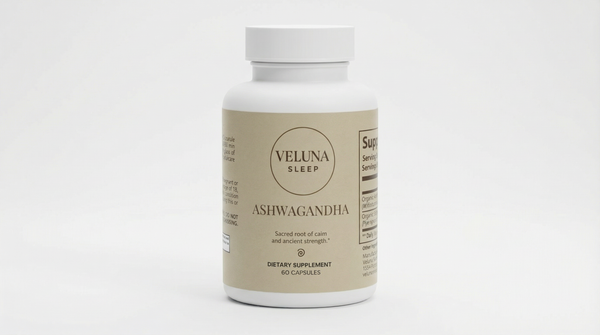
If you're considering trying ashwagandha, Veluna Ashwagandha offers a high-quality, standardized extract. For a comprehensive approach to sleep support, consider Veluna Sleep Formula, which combines multiple beneficial ingredients. Remember to consult with a healthcare professional before starting any new supplement.
When to Seek Professional Help
While ashwagandha and passionflower can be helpful for mild sleep disturbances, it's important to recognize when professional help is needed. If you experience chronic insomnia, severe anxiety, or other concerning symptoms, it's best to consult with a healthcare professional. They can help you identify any underlying medical conditions that may be contributing to your sleep problems and recommend appropriate treatment options. Additionally, if you are taking other medications, it's important to talk to your doctor before taking ashwagandha or passionflower to avoid any potential drug interactions. Integrative sleep management, including both herbal and conventional treatments, can provide a comprehensive approach to addressing sleep issues [7].
The Bottom Line
Ashwagandha and passionflower are two natural remedies that may help to improve sleep quality. Ashwagandha is particularly beneficial for individuals experiencing stress-related sleep disturbances, while passionflower may be a better choice for those seeking mild relaxation and improved sleep parameters. Both herbs are generally well-tolerated, but it's important to be aware of potential side effects and to consult with a healthcare professional before taking them, especially if you are taking other medications.
Ultimately, the best choice for you will depend on your individual needs and preferences. Consider your specific sleep problems, your overall health, and any potential interactions with other medications you may be taking. By carefully weighing the benefits and risks of each herb, you can make an informed decision about which one is right for you.
Ready to find the right sleep ritual for your needs? Take Veluna's free 60-second quiz to get a personalized recommendation.
References
- Cheah KL, Norhayati MN, Husniati Yaacob L et al.. Effect of Ashwagandha (Withania somnifera) extract on sleep: A systematic review and meta-analysis. PloS one. 2021. PubMed
- Zhang W, Yan Y, Wu Y et al.. Medicinal herbs for the treatment of anxiety: A systematic review and network meta-analysis. Pharmacological research. 2022. PubMed
- Baker C, Kirby JB, O'Connor J et al.. The Perceived Impact of Ashwagandha on Stress, Sleep Quality, Energy, and Mental Clarity for College Students: Qualitative Analysis of a Double-Blind Randomized Control Trial. Journal of medicinal food. 2022. PubMed
- Langade D, Thakare V, Kanchi S et al.. Clinical evaluation of the pharmacological impact of ashwagandha root extract on sleep in healthy volunteers and insomnia patients: A double-blind, randomized, parallel-group, placebo-controlled study. Journal of ethnopharmacology. 2021. PubMed
- Lee J, Jung HY, Lee SI et al.. Effects of Passiflora incarnata Linnaeus on polysomnographic sleep parameters in subjects with insomnia disorder: a double-blind randomized placebo-controlled study. International clinical psychopharmacology. 2020. PubMed
- Bruni O, Ferini-Strambi L, Giacomoni E et al.. Herbal Remedies and Their Possible Effect on the GABAergic System and Sleep. Nutrients. 2021. PubMed
- Ebrahim YM, Sadek MA, Sabry MO et al.. Integrative sleep management: from molecular pathways to conventional and herbal treatments. Naunyn-Schmiedeberg's archives of pharmacology. 2025. PubMed
- Ngan A, Conduit R. A double-blind, placebo-controlled investigation of the effects of Passiflora incarnata (passionflower) herbal tea on subjective sleep quality. Phytotherapy research : PTR. 2011. PubMed
Frequently Asked Questions
While there's no known contraindication to taking ashwagandha and passionflower together, it's best to consult with a healthcare professional before combining them. Both supplements have sedative properties, so taking them together may increase the risk of drowsiness or other side effects. A healthcare provider can assess your individual needs and determine if this combination is safe and appropriate for you.
The time it takes for ashwagandha to start working for sleep can vary depending on the individual and the dosage. Some people may notice improvements in their sleep quality within a few days, while others may need to take it for several weeks to experience the full benefits. Consistency is key, so it's important to take ashwagandha regularly as directed and to give it sufficient time to work.
Passionflower is generally considered safe for most people, but it can cause mild side effects in some individuals. These side effects may include drowsiness, dizziness, confusion, and uncoordinated muscle movement. It's important to use caution when driving or operating machinery after taking passionflower. If you experience any adverse reactions, discontinue use and consult with a healthcare professional.
Ashwagandha and passionflower may interact with certain medications, such as sedatives, immunosuppressants, thyroid hormones, and anticoagulants. It's important to talk to your doctor before taking ashwagandha or passionflower if you are taking any other medications to avoid potential drug interactions. They can assess your individual risk and provide guidance on whether it's safe for you to take these supplements.
While both ashwagandha and passionflower are generally considered safe, there is limited research on their long-term safety. It's always a good idea to cycle off supplements periodically to prevent your body from becoming desensitized to their effects. Consult with a healthcare professional to determine the appropriate duration of use for your individual needs and to monitor for any potential side effects.