Key Takeaways
✓ Magnesium glycinate promotes relaxation and may improve sleep quality by increasing GABA levels in the brain [3].
✓ GABA is a neurotransmitter that reduces anxiety, potentially leading to improved sleep onset and deeper rest.
✓ Both magnesium glycinate and GABA are generally safe, but consulting a healthcare professional before starting any new supplement regimen is essential.
Magnesium Glycinate and GABA: Your Guide to Better Sleep
Are you struggling to achieve consistent, restful sleep? You're certainly not alone. The quest for natural sleep aids has led many to explore options like magnesium glycinate and GABA (gamma-aminobutyric acid). Both are celebrated for their calming properties and potential to ease you into a peaceful night, but their mechanisms differ. Understanding the nuances of magnesium glycinate vs. GABA can help you make an informed decision about which one—or perhaps both—might be right for you.
This article provides a science-backed comparison of magnesium glycinate and GABA, covering their respective benefits, recommended dosages, and the latest research findings. We'll explore how each supplement works, who might benefit most from it, and any potential side effects you should be aware of. By the end, you'll have a clearer picture of which supplement best aligns with your specific sleep goals. If you're also considering other options, check out this article on non-prescription strategies to improve sleep.
What is Magnesium Glycinate?
Magnesium is an essential mineral involved in over 300 enzymatic reactions in your body, including nerve function, muscle relaxation, and blood sugar control. Magnesium glycinate is a specific form where magnesium is bound to glycine, an amino acid. This chelated form is known for its high bioavailability, meaning it's easily absorbed and utilized by the body. The superior absorption also minimizes the laxative effect sometimes associated with other forms of magnesium, such as magnesium citrate.
Magnesium plays a vital role in regulating sleep. Research indicates that it can improve sleep quality by influencing the production of melatonin, the hormone that governs your sleep-wake cycle. A systematic review in Biological Trace Element Research highlighted the significant role of magnesium in sleep health [3]. Moreover, magnesium can bind to GABA receptors in the brain, enhancing GABA's calming effects and reducing anxiety, which can significantly improve sleep. Magnesium glycinate is often preferred due to its gentle nature and effective absorption. It's also important to understand magnesium glycinate vs other forms to ensure you're choosing the right type for your needs.
Benefits of Magnesium Glycinate for Sleep
- Improved Sleep Quality: Magnesium glycinate can help you fall asleep faster, stay asleep longer, and experience deeper, more restful sleep. A study in the Journal of Research in Medical Sciences showed that magnesium supplementation improved insomnia symptoms in older adults [9].
- Reduced Anxiety and Stress: Magnesium has calming effects on the nervous system, which can help reduce anxiety and stress levels that often interfere with sleep. Research in Cureus suggests that supplemental magnesium can improve self-reported anxiety and sleep quality [8].
- Muscle Relaxation: Magnesium helps relax muscles, which can alleviate muscle cramps and restless legs syndrome, both common disruptors of sleep.
- Regulation of Melatonin: Magnesium influences the production of melatonin, the sleep hormone, helping to regulate your circadian rhythm and promote consistent sleep patterns.
- Neuroendocrine Balance: Studies suggest magnesium supplementation can reverse age-related changes in neuroendocrine function and sleep EEG patterns [10].
What is GABA?
GABA (gamma-aminobutyric acid) is a neurotransmitter—a chemical messenger—that inhibits nerve impulses in the brain. It's naturally produced in the brain and plays a crucial role in reducing neuronal excitability throughout the nervous system. Essentially, GABA is your brain's natural calming agent. By slowing down brain activity, GABA promotes relaxation, reduces anxiety, and helps prepare your body for sleep.
When GABA levels are low, your brain can become overstimulated, leading to anxiety, restlessness, and difficulty falling or staying asleep. GABA supplements aim to increase GABA levels in the brain, fostering a sense of calm and relaxation. However, the effectiveness of oral GABA in crossing the blood-brain barrier is a subject of ongoing scientific debate. While some research suggests it may not readily cross, other studies propose potential indirect mechanisms through the gut-brain axis.
Benefits of GABA for Sleep
- Reduced Anxiety: GABA's calming effects can help reduce anxiety and promote a sense of relaxation, making it easier to fall asleep.
- Improved Sleep Onset: By slowing down brain activity, GABA can help shorten the time it takes to fall asleep, reducing sleep latency.
- Enhanced Sleep Quality: GABA may promote deeper and more restful sleep by minimizing nighttime awakenings and disturbances.
- Muscle Relaxation: Similar to magnesium, GABA can help relax muscles, reducing muscle tension and promoting overall relaxation conducive to sleep.
Magnesium Glycinate vs. GABA: A Detailed Comparison
Now that we've examined each supplement individually, let's compare magnesium glycinate and GABA side-by-side to highlight their key differences and similarities:
| Factor | Magnesium Glycinate | GABA |
|---|---|---|
| Mechanism | Essential mineral that supports relaxation and may enhance GABA activity in the brain. | Neurotransmitter that directly inhibits nerve impulses in the brain, promoting calm. |
| Best fit | Individuals with magnesium deficiency, muscle cramps, mild anxiety, or those seeking a gentle sleep aid. | Individuals with pronounced anxiety, difficulty falling asleep due to an overactive mind, or those seeking immediate calming effects. |
| Typical dosage | 200-400mg before bed. | 500-750mg before bed. |
| Main caution | May cause digestive upset in some individuals, especially at higher doses. | Effectiveness of oral GABA supplements in directly affecting brain GABA levels is debated. |
Dosage and Timing: Optimizing Your Supplement Regimen
The appropriate dosage and timing of both magnesium glycinate and GABA can vary significantly depending on your individual needs, sensitivity, and overall health. It's generally recommended to start with a lower dose and gradually increase it until you find the optimal amount that works best for you. Consulting with a healthcare professional can provide personalized guidance.
Magnesium Glycinate Dosage
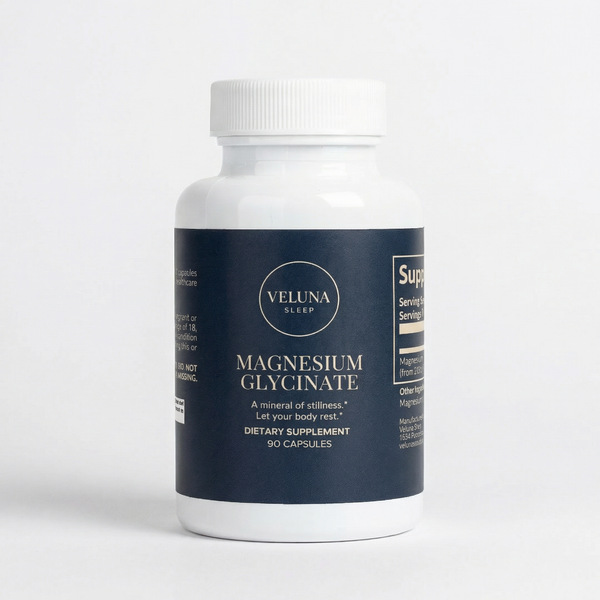
The typical dosage of magnesium glycinate for sleep ranges from 200 to 400mg per day. For optimal results, take it one to two hours before bedtime to allow sufficient time for absorption and effect. Veluna Magnesium Glycinate offers a highly bioavailable form to maximize benefits.
GABA Dosage
The generally recommended dosage of GABA for sleep is between 500 and 750mg per day. Similar to magnesium glycinate, it's best to take it one to two hours before bedtime. Some individuals find that taking GABA with food enhances its absorption, although this can vary.
Take our 60-second quiz to discover the science-backed sleep solution matched to your unique needs.
Take the QuizPotential Side Effects and Interactions: What to Watch For
Both magnesium glycinate and GABA are generally considered safe for most individuals when taken at the recommended dosages. However, it's essential to be aware of potential side effects and interactions with other medications or supplements.
Magnesium Glycinate Side Effects
Some people may experience mild digestive issues, such as diarrhea or stomach cramps, when taking magnesium glycinate, especially at higher doses. If you encounter these side effects, consider reducing the dosage or taking it with food to improve tolerance.
GABA Side Effects
Side effects from GABA supplementation are relatively rare, but some individuals may experience mild drowsiness, fatigue, or tingling sensations. These side effects are typically temporary and resolve on their own. If symptoms persist or worsen, discontinue use and consult with a healthcare provider.
Interactions
Magnesium glycinate may interact with certain medications, including antibiotics, diuretics, and proton pump inhibitors. GABA may interact with sedatives, anti-anxiety medications, and antidepressants. It's crucial to consult with a healthcare professional before taking magnesium glycinate or GABA, especially if you are currently taking any other medications or have underlying health conditions. You might also consider sleep supplements for anxiety and stress relief as part of a holistic approach.
When to Seek Professional Help for Sleep Issues
While magnesium glycinate and GABA can be valuable tools for improving sleep, they may not be sufficient for everyone, particularly if you're dealing with chronic insomnia or other underlying sleep disorders. If you're experiencing persistent sleep difficulties, it's important to seek guidance from a healthcare professional. A doctor can evaluate your sleep patterns, identify any potential medical conditions contributing to your sleep problems, and recommend appropriate treatment options. These may include cognitive behavioral therapy for insomnia (CBT-I), prescription medications, or further diagnostic testing. Keep in mind that pharmacological treatments for insomnia should be carefully considered, especially in specific populations such as those in alcohol recovery [4].
The Bottom Line: Finding Your Ideal Sleep Solution
Magnesium glycinate and GABA are two natural supplements that may help improve your sleep quality. Magnesium glycinate supports relaxation and may improve sleep quality by increasing GABA levels in the brain [3]. GABA is a neurotransmitter that promotes relaxation and reduces anxiety, potentially leading to better sleep. While both supplements are generally safe, consulting a healthcare professional before starting any new supplement regimen is essential to ensure it's right for you.
Ultimately, the best choice for you will depend on your individual needs, preferences, and any underlying health conditions. Consider trying each supplement individually to assess its effects on your sleep. You might also discover that a combination of both supplements provides the most significant benefits. You can also explore other natural sleep aids like Veluna Sleep Formula, which combines magnesium, valerian root, and melatonin to promote restful sleep.
Ready to find the right sleep ritual for your needs? Take Veluna's free 60-second quiz to get a personalized recommendation.
References
- Mah J, Pitre T. Oral magnesium supplementation for insomnia in older adults: a Systematic Review & Meta-Analysis. BMC complementary medicine and therapies. 2021. PubMed
- Dauvilliers Y, Bogan RK, Šonka K et al.. Calcium, Magnesium, Potassium, and Sodium Oxybates Oral Solution: A Lower-Sodium Alternative for Cataplexy or Excessive Daytime Sleepiness Associated with Narcolepsy. Nature and science of sleep. 2022. PubMed
- Arab A, Rafie N, Amani R et al.. The Role of Magnesium in Sleep Health: a Systematic Review of Available Literature. Biological trace element research. 2023. PubMed
- Kolla BP, Mansukhani MP, Schneekloth T. Pharmacological treatment of insomnia in alcohol recovery: a systematic review. Alcohol and alcoholism (Oxford, Oxfordshire). 2011. PubMed
- Khalid S, Bashir S, Mehboob R et al.. Effects of magnesium and potassium supplementation on insomnia and sleep hormones in patients with diabetes mellitus. Frontiers in endocrinology. 2024. PubMed
- Schuster J, Cycelskij I, Lopresti A et al.. Magnesium Bisglycinate Supplementation in Healthy Adults Reporting Poor Sleep: A Randomized, Placebo-Controlled Trial. Nature and science of sleep. 2025. PubMed
- Martínez-Rodríguez A, Rubio-Arias JÁ, Ramos-Campo DJ et al.. Psychological and Sleep Effects of Tryptophan and Magnesium-Enriched Mediterranean Diet in Women with Fibromyalgia. International journal of environmental research and public health. 2020. PubMed
- Rawji A, Peltier MR, Mourtzanakis K et al.. Examining the Effects of Supplemental Magnesium on Self-Reported Anxiety and Sleep Quality: A Systematic Review. Cureus. 2024. PubMed
- Abbasi B, Kimiagar M, Sadeghniiat K et al.. The effect of magnesium supplementation on primary insomnia in elderly: A double-blind placebo-controlled clinical trial. Journal of research in medical sciences : the official journal of Isfahan University of Medical Sciences. 2012. PubMed
- Held K, Antonijevic IA, Künzel H et al.. Oral Mg(2+) supplementation reverses age-related neuroendocrine and sleep EEG changes in humans. Pharmacopsychiatry. 2002. PubMed
Frequently Asked Questions
Yes, it is generally considered safe to take magnesium glycinate and GABA together. However, it's always best to consult with a healthcare professional before combining supplements to ensure there are no potential interactions or contraindications. They can help you determine the appropriate dosage for each supplement and monitor for any adverse effects.
The time it takes for magnesium glycinate to work for sleep can vary depending on individual factors such as metabolism, dosage, and the severity of sleep issues. Some people may experience noticeable improvements in sleep quality within a few days, while others may need to take it consistently for several weeks to see significant results. Consistency is key, so it's important to take magnesium glycinate regularly as directed.
The ability of oral GABA supplements to cross the blood-brain barrier is a topic of scientific debate. Some research suggests that GABA cannot effectively cross the blood-brain barrier, while others indicate that it may have some limited ability to do so or exert effects indirectly. Even if GABA doesn't directly enter the brain, it may still exert calming effects through other mechanisms, such as interacting with the enteric nervous system in the gut.
Yes, certain foods contain GABA or can help stimulate GABA production in the body. These include fermented foods like kimchi, sauerkraut, and yogurt, as well as green tea, brown rice, and some types of mushrooms. While the amount of GABA in these foods may not be as high as in supplements, incorporating them into your diet can contribute to overall GABA levels and promote relaxation.
Yes, magnesium glycinate may help alleviate symptoms of restless legs syndrome (RLS) in some individuals. Magnesium plays a role in muscle relaxation and nerve function, and deficiencies in magnesium have been linked to RLS. By supplementing with magnesium glycinate, you may help reduce the severity and frequency of RLS symptoms, such as leg twitching and the urge to move your legs, which can significantly improve sleep quality.