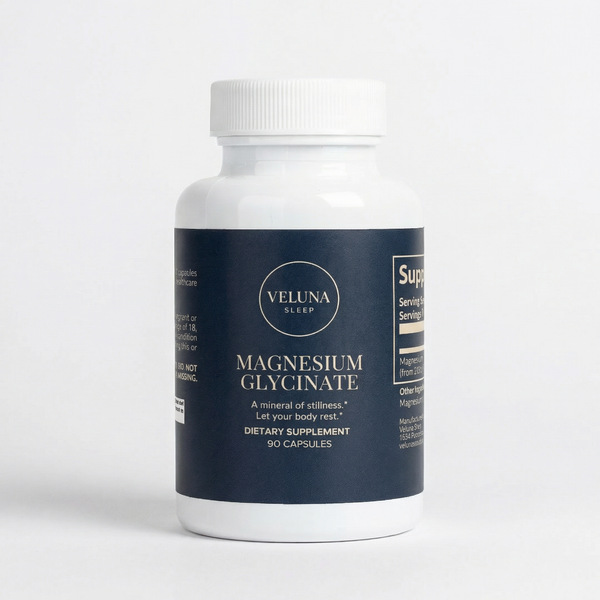
Navigating the complexities of anxiety and sleep can be a significant challenge, often leading individuals to explore various therapeutic avenues. For many, the choice lies between natural supplements like magnesium glycinate and conventional prescription anxiety medications. While both aim to alleviate symptoms and improve sleep, their mechanisms of action, efficacy, and safety profiles differ considerably. Understanding these distinctions is crucial for making an informed decision that aligns with personal health goals and medical advice.
This article provides an evidence-based comparison of magnesium glycinate and prescription anxiety medications, focusing on their impact on anxiety and sleep. We will examine the scientific literature to delineate how each approach works, discuss potential benefits and risks, and address common questions regarding their use. Our aim is to equip you with the knowledge to discuss your options effectively with a healthcare professional.
The Role of Magnesium in Anxiety and Sleep
Magnesium is a vital mineral, participating in over 300 biochemical reactions within the body. Its influence extends to critical functions such as nerve signal transmission, muscle and nerve function, blood glucose control, and blood pressure regulation. Within the context of mental health and sleep, magnesium plays a pivotal role in modulating neurotransmitter activity and stress hormone levels.
Low magnesium levels have been associated with increased anxiety, stress, and sleep disturbances. Magnesium acts as a natural calcium channel blocker, helping to relax the nervous system and reduce the excitability of neurons. It also plays a role in regulating the hypothalamic-pituitary-adrenal (HPA) axis, the body's central stress response system, helping to dampen the release of stress hormones like cortisol. This calming effect can be particularly beneficial for individuals experiencing anxiety that interferes with their ability to fall asleep or stay asleep.
Magnesium Glycinate: A Closer Look
Magnesium glycinate is a highly bioavailable form of magnesium, where the mineral is chelated with the amino acid glycine. This specific binding enhances absorption in the gastrointestinal tract, minimizing the laxative effects often associated with other magnesium forms. Glycine itself is an inhibitory neurotransmitter in the central nervous system, meaning it can help calm brain activity, which is beneficial for both anxiety and sleep.
The combination of magnesium and glycine offers a dual benefit. Magnesium helps regulate neurotransmitters like GABA (gamma-aminobutyric acid), which is crucial for promoting relaxation and reducing anxiety. Glycine further supports this by acting directly as an inhibitory neurotransmitter, contributing to a sense of calm. Studies, such as a 2022 trial published in Sleep Medicine Reviews, have indicated that magnesium supplementation, particularly in well-absorbed forms like glycinate, can improve subjective sleep quality and reduce insomnia symptoms, especially in individuals with low baseline magnesium levels.
Research discussed here relates to individual ingredients and does not establish that the finished Veluna product has been clinically studied or will produce the same results.
How Magnesium Glycinate Can Help Anxiety and Depression
The impact of magnesium glycinate on anxiety and depression is an area of growing interest within the scientific community. Research suggests that magnesium's role in neurotransmitter regulation is key. It is involved in the synthesis and function of serotonin, a neurotransmitter widely recognized for its role in mood regulation and feelings of well-being. Insufficient magnesium can impair serotonin production, potentially contributing to symptoms of depression and anxiety.
Furthermore, magnesium glycinate's ability to modulate the HPA axis can help reduce the physiological manifestations of stress. By lowering cortisol levels and dampening the body's "fight-or-flight" response, it can provide a sense of calm and resilience. A review by A. Rawji et al. in 2024 highlighted that supplemental magnesium is likely useful in treating mild anxiety and insomnia, particularly when there's an underlying magnesium deficiency. This suggests that for some individuals, magnesium glycinate may serve as a valuable adjunctive therapy for mood disorders.
Prescription Anxiety Medications: Mechanisms and Types
Prescription anxiety medications, often referred to as anxiolytics, are designed to target specific neurotransmitter systems in the brain to reduce feelings of anxiety and panic. They are typically prescribed by a healthcare professional and require careful monitoring due to their potential for side effects and dependence.
The most common classes of prescription anxiety medications include:
- Benzodiazepines: These drugs, such as alprazolam (Xanax) and lorazepam (Ativan), work by enhancing the effects of GABA. They are highly effective for acute anxiety relief and panic attacks but carry a significant risk of dependence, withdrawal symptoms, and cognitive impairment. Their impact on sleep architecture can also be disruptive, leading to daytime grogginess and altered sleep stages.
- SSRIs (Selective Serotonin Reuptake Inhibitors) and SNRIs (Serotonin-Norepinephrine Reuptake Inhibitors): While primarily used for depression, these antidepressants are also effective for generalized anxiety disorder, panic disorder, and social anxiety. They work by increasing the availability of serotonin and/or norepinephrine in the brain. Their onset of action is typically slower, requiring several weeks to achieve full therapeutic effect, and they may also affect sleep patterns.
- Buspirone: This non-benzodiazepine anxiolytic works on serotonin and dopamine receptors. It is generally considered to have a lower risk of dependence than benzodiazepines but may take longer to become effective and can cause side effects like dizziness and nausea.
Magnesium Glycinate vs. Prescription Medications: Efficacy and Safety
When comparing magnesium glycinate to prescription anxiety medications, the primary distinctions lie in their efficacy for different types and severities of anxiety, as well as their safety profiles. Prescription medications, particularly benzodiazepines, can offer rapid and potent relief for severe anxiety or panic attacks. However, this potency comes with a higher risk of adverse effects, including sedation, impaired coordination, memory problems, and the potential for addiction and severe withdrawal syndromes.
Magnesium glycinate, on the other hand, is generally considered safe for most individuals when taken at recommended doses. Its effects are typically more subtle and gradual, making it more suitable for managing mild to moderate anxiety and stress-related sleep disturbances. A 2019 meta-analysis in the Journal of Affective Disorders found that magnesium supplementation showed a significant effect in reducing depressive symptoms, with a trend towards reducing anxiety symptoms, particularly in individuals with diagnosed deficiencies. While it may not provide the immediate relief of a benzodiazepine for an acute panic attack, its long-term use is associated with fewer risks and can contribute to overall nervous system regulation.
Direct Comparison: Is Magnesium Better Than Anxiety Medication?
The question of whether magnesium is "better" than anxiety medication is complex and depends heavily on the individual's specific condition, the severity of their symptoms, and their overall health profile. For severe, debilitating anxiety or panic disorders, prescription medications may be necessary and more effective for immediate symptom control, under the guidance of a medical professional. The American Academy of Family Physicians (AAFP) guidelines, for instance, acknowledge the role of pharmacotherapy in managing moderate to severe anxiety disorders.
However, for individuals experiencing mild to moderate anxiety, stress-related sleep issues, or looking for a more natural approach with a lower risk profile, magnesium glycinate can be a highly effective option. Its ability to support neurotransmitter balance and reduce HPA axis reactivity offers a foundational approach to improving mood and sleep without the significant risks of dependence or withdrawal associated with some prescription drugs. Many people find that magnesium glycinate helps them feel calmer and sleep better over time, contributing to improved overall well-being.
How Long Does it Take for Magnesium Glycinate to Reduce Anxiety?
The timeline for experiencing the anxiolytic and sleep-promoting effects of magnesium glycinate can vary significantly among individuals. Factors influencing this duration include baseline magnesium levels, the severity of anxiety symptoms, dietary intake of magnesium, and individual metabolism.
Generally, noticeable improvements in relaxation and sleep quality may begin to manifest within a few days to a couple of weeks of consistent supplementation. For some, the effects are more gradual, with cumulative benefits becoming apparent over several weeks. A study by Abbasi et al. in 2012 indicated that daily magnesium supplementation over 6 weeks significantly improved symptoms of depression and anxiety in adults with low magnesium levels. It's important to maintain consistent intake and allow the body time to build up adequate magnesium stores. Patience and consistency are key when incorporating magnesium glycinate into a wellness routine.
What's the Best Magnesium for Stress and Anxiety?
When choosing a magnesium supplement for stress and anxiety, bioavailability and the accompanying molecule are key considerations. Magnesium glycinate is frequently recommended as one of the best forms for anxiety and sleep due to its excellent absorption and the calming properties of glycine itself. This form is less likely to cause digestive upset compared to magnesium oxide or citrate.
Other forms that are often cited as beneficial for mental well-being include:
- Magnesium L-Threonate: This form has shown promise in crossing the blood-brain barrier, potentially offering direct benefits for cognitive function and mood regulation.
- Magnesium Taurate: The combination with taurine, an amino acid that also has calming effects and supports cardiovascular health, makes this a good option for both anxiety and sleep.
While magnesium glycinate is a top choice for many due to its balanced benefits, the "best" form can be individualized. Consulting with a healthcare provider can help determine the most suitable option based on your specific needs and health status.
Considerations for Specific Health Conditions
The decision to supplement with magnesium glycinate, especially when managing existing health conditions or taking other medications, requires careful consideration and professional medical advice.
MTHFR Gene Variations: Individuals with MTHFR gene variations may have impaired methylation pathways, affecting how their bodies process certain nutrients, including folate. While magnesium itself is not directly methylated, its absorption and utilization can be influenced by overall metabolic health. There is no contraindication for taking magnesium glycinate with MTHFR; in fact, ensuring adequate magnesium status can support various bodily functions. However, it's always prudent to discuss any supplementation with a healthcare provider knowledgeable about MTHFR genetics.
GLP-1 Receptor Agonists: GLP-1 receptor agonists (e.g., semaglutide, liraglutide) are medications used for type 2 diabetes and weight management. They can affect gastrointestinal motility and nutrient absorption. While direct interactions between magnesium glycinate and GLP-1 agonists are not widely documented as problematic, some individuals might experience changes in nutrient absorption or gastrointestinal side effects. It is recommended to consult with your prescribing physician to ensure magnesium glycinate supplementation is appropriate and to monitor for any potential effects on medication efficacy or absorption.
Rheumatoid Arthritis (RA): Magnesium plays a role in reducing inflammation, which is a key characteristic of RA. Some research suggests that individuals with RA may have lower magnesium levels. Magnesium glycinate can be beneficial for managing inflammation and potentially improving sleep quality in individuals with RA. However, it should be considered an adjunctive therapy, and individuals should continue with their prescribed RA treatment plan and consult their rheumatologist before starting any new supplement.
Frequently Asked Questions
Can I take magnesium glycinate while on GLP-1?
While there are no widely reported direct contraindications for taking magnesium glycinate with GLP-1 receptor agonists, it is essential to consult your healthcare provider. GLP-1 medications can affect gastrointestinal function, and it's advisable to discuss how magnesium supplementation might interact with your specific medication and overall absorption.
Can you take magnesium if you have RA?
Yes, individuals with Rheumatoid Arthritis (RA) may benefit from magnesium supplementation, including magnesium glycinate. Magnesium has anti-inflammatory properties and can help manage symptoms. However, it should not replace standard RA treatments, and consultation with a rheumatologist is recommended before starting.
How long does it take for magnesium to reduce anxiety?
The time it takes for magnesium to reduce anxiety varies. Some individuals may notice benefits within a few days to two weeks of consistent supplementation, while for others, it may take several weeks to experience cumulative effects. Patience and regular intake are important.
What's the best magnesium to take for stress and anxiety?
Magnesium glycinate is often considered one of the best forms for stress and anxiety due to its high bioavailability and the calming effects of glycine. Magnesium L-Threonate and Magnesium Taurate are also popular choices for their potential neurological and calming benefits.
Can I take magnesium with MTHFR?
Yes, individuals with MTHFR gene variations can typically take magnesium glycinate. Ensuring adequate magnesium levels is important for overall health. However, it's always recommended to discuss supplementation with a healthcare provider familiar with your genetic profile and overall health status.
Is magnesium better than anxiety medication?
For mild to moderate anxiety and stress-related sleep issues, magnesium glycinate can be an effective and safer alternative to prescription medications, offering a lower risk of side effects and dependence. However, for severe anxiety disorders, prescription medications may be necessary for more potent and rapid relief, under medical supervision.
Exploring natural ways to support your sleep and manage anxiety is a valuable step towards holistic well-being. If you're interested in incorporating magnesium glycinate into your routine, consider our high-quality Magnesium Glycinate supplement. For a comprehensive approach to sleep, our Sleep Formula is designed to support restful nights. To build a sustainable foundation for better sleep, delve into our sleep hygiene hub for practical tips and strategies.
Recommended Veluna products for this topic:
- Mind Calm Starter Set — calming routine for an anxious mind.