Key Takeaways
✓ L-theanine promotes relaxation without drowsiness, making it suitable for daytime use and improving sleep quality when taken before bed (Payne, 2025).
✓ Lemon balm may reduce anxiety and improve sleep quality, particularly when combined with other calming herbs (Zhang, 2022).
✓ Both L-theanine and lemon balm are generally well-tolerated, but individual responses can vary, so it’s essential to monitor how each affects you.
L-Theanine and Lemon Balm: Natural Sleep Support
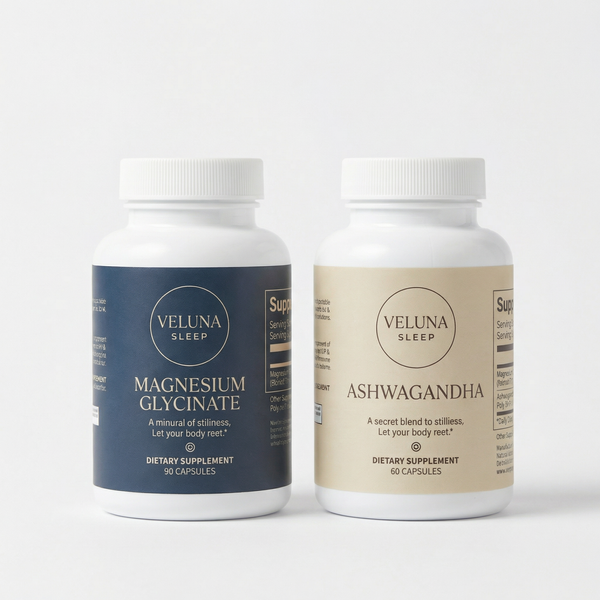
Struggling to get a good night's sleep is a common issue, and many people are exploring natural alternatives to improve their sleep quality. Two popular options are L-theanine and lemon balm. Both are known for their calming properties, but they work differently and may be better suited for different needs. This article will compare L-theanine and lemon balm, examining their mechanisms, benefits, and potential side effects to help you determine which one might be the better choice for you. If you are looking for immediate relief, consider supplements like magnesium glycinate, which can support relaxation and improve sleep.
L-Theanine: The Calming Amino Acid
L-theanine is an amino acid primarily found in tea leaves, especially green tea. It's known for its ability to promote relaxation without causing drowsiness, making it a popular choice for those seeking to reduce stress and improve focus. L-theanine works by influencing several neurotransmitters in the brain, including GABA, dopamine, and serotonin, all of which play a role in mood and sleep. You can learn more about the benefits in our article L-Theanine for Sleep: The Calming Amino Acid Explained.
Research suggests that L-theanine can improve sleep quality by reducing anxiety and promoting relaxation. A systematic review and meta-analysis indicated that L-theanine consumption positively affects sleep outcomes (Bulman, 2025). It can help you fall asleep faster and stay asleep longer by calming the mind and reducing racing thoughts that often interfere with sleep. Notably, L-theanine doesn't typically cause sedation, so you can take it during the day to manage stress without feeling tired. A study in Nutrition Reviews suggests that L-theanine, whether consumed through tea or as a supplement, can positively impact cognition, sleep, and mood (Payne, 2025).
Furthermore, L-theanine may have cognitive benefits. Studies have shown that it can improve learning and memory, potentially by protecting brain cells from damage caused by sleep deprivation (Huang, 2025). Some research also suggests that L-theanine, when combined with caffeine, can enhance cognitive performance and alertness. For example, matcha green tea, which contains both L-theanine and caffeine, has been shown to improve cognitive function and sleep quality in older adults (Uchida, 2024).
Lemon Balm: The Soothing Herb
Lemon balm, also known as Melissa officinalis, is an herb in the mint family that has been used for centuries to reduce stress, anxiety, and sleep disturbances. Its calming effects are attributed to its ability to increase GABA levels in the brain, similar to L-theanine. GABA is a neurotransmitter that helps to calm nerve activity, promoting relaxation and reducing feelings of anxiety.
Several studies have explored the benefits of lemon balm for sleep. Research indicates that lemon balm can improve sleep quality and reduce anxiety, particularly when combined with other calming herbs like valerian root (Zhang, 2022). This combination is often used to treat insomnia and other sleep disorders. Lemon balm is considered safe for most people, including children, although it's always best to consult with a healthcare provider before starting any new supplement, especially for children (Innocenti, 2023).
In addition to its sleep-promoting properties, lemon balm has also been shown to have other health benefits. It has antioxidant and anti-inflammatory effects, which can help protect the body against damage from free radicals and reduce inflammation. Some studies suggest that lemon balm may also improve mood and cognitive function, although more research is needed in these areas.
L-Theanine vs. Lemon Balm: Head-to-Head
Both L-theanine and lemon balm offer potential benefits for sleep and relaxation, but they have different mechanisms and may be better suited for different individuals. Here’s a detailed comparison to help you decide which one might be right for you.
| Factor | L-Theanine | Lemon Balm |
|---|---|---|
| Mechanism | Influences neurotransmitters (GABA, dopamine, serotonin) to promote relaxation without drowsiness. | Increases GABA levels to calm nerve activity and reduce anxiety. |
| Best fit | Individuals seeking to reduce stress and improve focus during the day, as well as enhance sleep quality at night. | Individuals looking for a natural remedy to reduce anxiety and improve sleep, particularly when combined with other herbs. |
| Typical dosage | 100-200 mg, taken one to three times daily. | 300-600 mg of dried leaf, or 1-2 teaspoons of lemon balm tea, taken before bed. |
| Main caution | Generally well-tolerated, but some people may experience mild headaches or gastrointestinal upset. | Generally safe, but may interact with certain medications or cause drowsiness in some individuals. |
Similarities
- Both promote relaxation without significant sedation
- Both may reduce anxiety
- Both are generally well-tolerated
Differences
- L-theanine is an amino acid, while lemon balm is an herb.
- L-theanine may improve cognitive function, while lemon balm has antioxidant and anti-inflammatory effects.
- Lemon balm is often combined with other herbs for sleep, while L-theanine is frequently taken on its own.
Dosage and Timing
The optimal dosage and timing for L-theanine and lemon balm can vary depending on your individual needs and preferences. It’s essential to start with a low dose and gradually increase it until you find what works best for you.
L-Theanine
The typical dosage of L-theanine is between 100 to 200 mg, taken one to three times daily. For sleep, it’s best to take L-theanine about 30 to 60 minutes before bedtime. Because L-theanine doesn't typically cause drowsiness, you can also take it during the day to manage stress and improve focus. Some people find that taking L-theanine with other sleep aids, such as magnesium or melatonin, can enhance its effects. In fact, a study in Nutrients showed that a combination of magnesium, B vitamins, rhodiola, and green tea (L-theanine) can help chronically stressed individuals (Noah, 2022).
Lemon Balm
The typical dosage of lemon balm is 300 to 600 mg of dried leaf, or 1 to 2 teaspoons of lemon balm tea, taken before bed. Lemon balm is often combined with other calming herbs, such as valerian root or chamomile, to enhance its sleep-promoting effects. You can take lemon balm as a tea, capsule, or tincture. If you're using lemon balm tea, steep the tea bag or loose leaf in hot water for about 10 to 15 minutes before drinking.
When considering supplements, it's good to be aware of the safety of long-term sleep aids. You can learn more in our article Are Sleep Supplements Safe Long Term? What the Science Says.
Take our 60-second quiz to discover the science-backed sleep solution matched to your unique needs.
Take the QuizPotential Side Effects and Interactions
Both L-theanine and lemon balm are generally considered safe for most people, but it’s important to be aware of potential side effects and interactions. While side effects are rare, some individuals may experience mild adverse effects.
L-Theanine
L-theanine is generally well-tolerated, but some people may experience mild headaches, gastrointestinal upset, or dizziness. These side effects are usually mild and temporary. L-theanine may also interact with certain medications, such as stimulants and blood pressure medications. If you’re taking any medications, it’s best to talk to your healthcare provider before taking L-theanine.
Lemon Balm
Lemon balm is also generally safe, but some people may experience drowsiness, dizziness, or nausea. In rare cases, lemon balm may cause an allergic reaction. Lemon balm may interact with certain medications, such as sedatives and thyroid medications. If you’re taking any medications, it’s important to talk to your healthcare provider before using lemon balm. Also, consider exploring other options to Improve Sleep Naturally: Non-Prescription Strategies.
Which Is Right for You?
Deciding between L-theanine and lemon balm depends on your specific needs and preferences. If you’re looking for a supplement that can help you manage stress and improve focus during the day, as well as enhance sleep quality at night, L-theanine might be a better choice. It’s particularly useful if you want to avoid sedation and maintain alertness during the day. The effect of matcha green tea, which contains L-theanine, on cognitive functions and sleep quality was studied in older adults with cognitive decline in a randomized controlled study over 12 months (Uchida, 2024).
On the other hand, if you’re primarily looking for a natural remedy to reduce anxiety and improve sleep, especially when combined with other calming herbs, lemon balm might be a better option. It’s particularly useful if you prefer herbal remedies and want to take advantage of its antioxidant and anti-inflammatory effects.
Ultimately, the best way to determine which supplement is right for you is to try them both and see how they affect you. Start with a low dose and gradually increase it until you find what works best. Pay attention to how you feel and adjust your dosage accordingly.
When to Seek Professional Help
While L-theanine and lemon balm can be helpful for improving sleep quality and reducing anxiety, they may not be sufficient for everyone. If you’re experiencing chronic sleep problems or severe anxiety, it’s important to seek professional help. A healthcare provider can help you identify the underlying causes of your sleep problems and recommend appropriate treatment options.
You should also seek professional help if you experience any of the following:
- Persistent insomnia that doesn’t improve with lifestyle changes or natural remedies
- Excessive daytime sleepiness
- Symptoms of a sleep disorder, such as sleep apnea or restless legs syndrome
- Severe anxiety or depression that interferes with your daily life
Additionally, if you’re taking any medications or have any underlying health conditions, it’s important to talk to your healthcare provider before taking L-theanine or lemon balm.
The Bottom Line
L-theanine and lemon balm are two natural supplements that can help improve sleep quality and reduce anxiety. L-theanine promotes relaxation without drowsiness and may enhance cognitive function, while lemon balm has calming and antioxidant effects. Both are generally safe, but individual responses can vary. Consider also supplements like Veluna Ashwagandha, known for its stress-reducing and sleep-enhancing properties.
The choice between L-theanine and lemon balm depends on your specific needs and preferences. If you're looking for daytime stress relief and improved sleep, L-theanine might be a better fit. If you prefer a traditional herbal remedy for anxiety and sleep, lemon balm could be more suitable. Experiment to see what works best for you.
Ready to find the right sleep ritual for your needs? Take Veluna's free 60-second quiz to get a personalized recommendation.
References
- Payne ER, Aceves-Martins M, Dubost J et al.. Effects of Tea (Camellia sinensis) or its Bioactive Compounds l-Theanine or l-Theanine plus Caffeine on Cognition, Sleep, and Mood in Healthy Participants: A Systematic Review and Meta-Analysis of Randomized Controlled Trials. Nutrition reviews. 2025. PubMed
- Bulman A, D'Cunha NM, Marx W et al.. The effects of L-theanine consumption on sleep outcomes: A systematic review and meta-analysis. Sleep medicine reviews. 2025. PubMed
- Innocenti A, Lentini G, Rapacchietta S et al.. The Role of Supplements and Over-the-Counter Products to Improve Sleep in Children: A Systematic Review. International journal of molecular sciences. 2023. PubMed
- Zhang W, Yan Y, Wu Y et al.. Medicinal herbs for the treatment of anxiety: A systematic review and network meta-analysis. Pharmacological research. 2022. PubMed
- Huang X, Lu X, Wu Z et al.. l-Theanine Improves Learning and Memory Through Attenuation of NOX4-Mediated Ferroptosis in Hippocampal Neurons of Sleep-Deprived Mice. Phytotherapy research : PTR. 2025. PubMed
- Uchida K, Meno K, Korenaga T et al.. Effect of matcha green tea on cognitive functions and sleep quality in older adults with cognitive decline: A randomized controlled study over 12 months. PloS one. 2024. PubMed
- Noah L, Morel V, Bertin C et al.. Effect of a Combination of Magnesium, B Vitamins, Rhodiola, and Green Tea (L-Theanine) on Chronically Stressed Healthy Individuals-A Randomized, Placebo-Controlled Study. Nutrients. 2022. PubMed
Frequently Asked Questions
Yes, L-theanine and lemon balm can be taken together. They have different mechanisms of action and may complement each other to promote relaxation and improve sleep quality. However, it’s always best to start with a low dose and see how you react.
L-theanine and lemon balm are generally safe for most people. However, some people may experience mild side effects, such as headaches, gastrointestinal upset, or drowsiness. It’s important to talk to your healthcare provider before taking any new supplement, especially if you’re taking medications or have underlying health conditions.
The time it takes for L-theanine and lemon balm to work can vary depending on the individual and the dosage. Some people may notice effects within 30 to 60 minutes, while others may take longer. It’s important to take the supplement consistently for several days or weeks to see the full benefits.
Yes, both L-theanine and lemon balm have been shown to reduce anxiety. L-theanine promotes relaxation without drowsiness, while lemon balm has calming effects that can help reduce feelings of anxiety. They can be used alone or in combination to manage anxiety symptoms.
Lemon balm is generally considered safe for children, but it’s always best to consult with a healthcare provider before giving it to a child (Innocenti, 2023). There is less research on the use of L-theanine in children, so it’s important to talk to a healthcare provider before giving it to a child. They can advise on appropriate dosages and potential risks.