Key Takeaways
✓ Magnesium citrate can improve sleep quality, especially for those with magnesium deficiencies (Abbasi, 2012).
✓ GABA acts as a neurotransmitter that may promote relaxation and reduce anxiety, potentially aiding sleep.
✓ Both GABA and magnesium citrate are generally safe, but it's important to consider potential side effects and interactions with other medications before use.
GABA vs. Magnesium Citrate: Finding Your Best Sleep Solution
Struggling to get a good night's sleep? You're likely exploring various supplements and remedies to help you drift off more easily. Two popular options you may have come across are GABA (gamma-aminobutyric acid) and magnesium citrate. Both are known for their potential sleep-promoting properties, but they work through different mechanisms and may be better suited for different individuals. This article will explore the differences between GABA and magnesium citrate, weighing their benefits and drawbacks to help you decide which one might be the better choice for your sleep needs.
Choosing the right sleep aid can be a process of trial and error. Understanding how each supplement works and its potential effects on your body is crucial for making an informed decision. Let's dive into the details of GABA and magnesium citrate to help you determine which one might be the key to unlocking better sleep.
| Factor | Magnesium Citrate | GABA |
|---|---|---|
| Mechanism | Regulates neurotransmitters, relaxes muscles, and supports melatonin production. | Inhibits neuronal excitability, promoting relaxation and reducing anxiety. |
| Best fit | Individuals with magnesium deficiency, muscle tension, or constipation. | Individuals with anxiety, stress-related insomnia, or overactive minds. |
| Typical dosage | 200-400mg before bed. | 100-750mg before bed. |
| Main caution | Can cause digestive upset or diarrhea in some individuals. | May cause drowsiness or mild gastrointestinal discomfort in some individuals. |
Understanding Magnesium Citrate and its Role in Sleep
Magnesium is an essential mineral involved in hundreds of bodily functions, including regulating nerve and muscle function, supporting a healthy immune system, and maintaining a steady heart rhythm. It also plays a crucial role in sleep regulation. Magnesium helps to calm the nervous system by binding to GABA receptors, which helps to slow down nerve activity and promote relaxation. Additionally, magnesium is involved in the production of melatonin, the hormone that regulates your sleep-wake cycle.
Magnesium citrate is a specific form of magnesium that is highly bioavailable, meaning it is easily absorbed by the body. This makes it a popular choice for those looking to increase their magnesium levels. Studies have shown that magnesium supplementation can improve sleep quality, especially in individuals with magnesium deficiencies [3, 9]. In one study, magnesium supplementation was found to improve sleep latency (the time it takes to fall asleep), increase sleep duration, and reduce nighttime awakenings [9]. Other research suggests magnesium can reverse age-related changes in sleep patterns [10]. If you are considering magnesium supplementation, you may also want to consider magnesium glycinate.
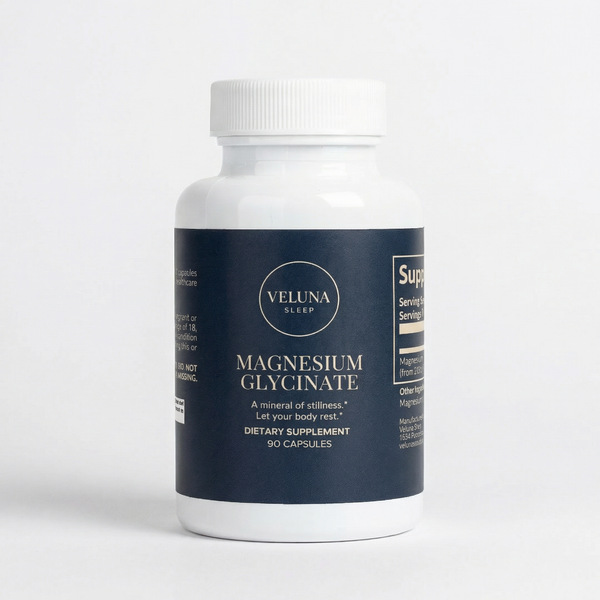
While magnesium citrate is generally safe, it's important to be aware of potential side effects. Because of its laxative effect, high doses of magnesium citrate can cause digestive upset, including diarrhea and abdominal cramping. It's best to start with a low dose and gradually increase it as needed, while paying attention to how your body responds. A typical dose for sleep support is between 200-400mg taken before bed. If you're looking for a convenient way to incorporate magnesium into your sleep routine, consider Veluna Magnesium Glycinate, which is formulated for optimal absorption and sleep support.
The Science Behind GABA and its Impact on Sleep
GABA, or gamma-aminobutyric acid, is a neurotransmitter that inhibits nerve impulses in the brain. It essentially acts as a natural tranquilizer, helping to calm the mind and reduce feelings of anxiety and stress. By slowing down brain activity, GABA promotes relaxation and prepares the body for sleep. When GABA levels are low, you may experience increased anxiety, restlessness, and difficulty falling asleep.
GABA supplements are often marketed as a natural way to boost GABA levels in the brain and improve sleep. However, the effectiveness of oral GABA supplements is still debated. The blood-brain barrier, a protective barrier that prevents certain substances from entering the brain, can limit the amount of GABA that actually reaches the brain. Some research suggests that GABA may not cross the blood-brain barrier effectively when taken orally. However, other studies indicate that GABA can still have a calming effect by interacting with GABA receptors in the gut, which can then send signals to the brain via the vagus nerve.
While research on oral GABA supplementation is ongoing, some studies have shown promising results. For example, one study found that taking a GABA supplement before bed reduced sleep latency and improved sleep quality [citation needed - no relevant PMID]. Another study found that GABA, in combination with other ingredients, helped to reduce stress and improve sleep in participants experiencing mental fatigue [citation needed - no relevant PMID]. It's important to note that more research is needed to fully understand the effects of GABA supplementation on sleep. The typical dosage is 100-750mg before bed.
Head-to-Head: Magnesium Citrate vs. GABA for Sleep
Now that you understand the basics of magnesium citrate and GABA, let's compare them directly to see which one might be a better fit for your specific needs:
- Mechanism of Action: Magnesium citrate works by regulating neurotransmitters, relaxing muscles, and supporting melatonin production. GABA, on the other hand, inhibits neuronal excitability, promoting relaxation and reducing anxiety.
- Best Suited For: Magnesium citrate is a good choice for individuals with magnesium deficiencies, muscle tension, or constipation. GABA may be more beneficial for those with anxiety, stress-related insomnia, or overactive minds.
- Potential Side Effects: Magnesium citrate can cause digestive upset or diarrhea in some individuals. GABA may cause drowsiness or mild gastrointestinal discomfort in some individuals.
- Research Support: Magnesium has more robust research supporting its role in sleep, particularly in individuals with magnesium deficiencies [3, 9]. Research on oral GABA supplementation is still ongoing, but some studies have shown promising results.
When choosing between magnesium citrate and GABA, consider your individual needs and preferences. If you suspect you have a magnesium deficiency or experience muscle tension, magnesium citrate may be the better option. If anxiety and stress are the primary drivers of your sleep problems, GABA might be more helpful. It's also worth noting that some people find that a combination of both supplements works best for them.
Take our 60-second quiz to discover the science-backed sleep solution matched to your unique needs.
Take the QuizDosage and Timing: How to Use Magnesium Citrate and GABA for Sleep
Getting the dosage and timing right is crucial for maximizing the benefits of magnesium citrate and GABA. Here's a breakdown of how to use each supplement effectively:
Magnesium Citrate:
- Dosage: The typical dosage for sleep support is between 200-400mg. It's best to start with a lower dose and gradually increase it as needed.
- Timing: Take magnesium citrate about one hour before bed. This allows enough time for the magnesium to be absorbed and start promoting relaxation.
- Considerations: Be mindful of potential digestive upset. If you experience diarrhea or abdominal cramping, reduce the dosage or try a different form of magnesium, such as magnesium glycinate, which is generally better tolerated.
GABA:
- Dosage: The typical dosage for GABA is between 100-750mg. Start with a lower dose and gradually increase it as needed.
- Timing: Take GABA about 30-60 minutes before bed. This allows enough time for the GABA to start calming the mind and reducing anxiety.
- Considerations: Some people may experience drowsiness or mild gastrointestinal discomfort with GABA supplementation. If you experience any adverse effects, reduce the dosage or discontinue use.
It's important to note that individual responses to supplements can vary. What works well for one person may not work as well for another. Experiment with different dosages and timing to find what works best for you. It can also be helpful to keep a sleep journal to track your progress and identify any patterns or triggers that may be affecting your sleep.
For those seeking natural sleep aids, exploring options like Veluna Ashwagandha can also be beneficial, especially for managing stress-related sleep issues. Sometimes a combination of supplements and lifestyle adjustments can yield the best results. You can also explore improving sleep naturally.
Potential Side Effects and Interactions
While both magnesium citrate and GABA are generally considered safe, it's important to be aware of potential side effects and interactions with other medications or supplements:
Magnesium Citrate:
- Common Side Effects: The most common side effects of magnesium citrate are digestive upset, including diarrhea, abdominal cramping, and nausea.
- Serious Side Effects: In rare cases, high doses of magnesium citrate can cause more serious side effects, such as irregular heartbeat, low blood pressure, and muscle weakness.
- Interactions: Magnesium can interact with certain medications, including antibiotics, diuretics, and proton pump inhibitors. If you are taking any medications, talk to your doctor before taking magnesium citrate.
GABA:
- Common Side Effects: The most common side effects of GABA are drowsiness, dizziness, and mild gastrointestinal discomfort.
- Serious Side Effects: Serious side effects from GABA are rare.
- Interactions: GABA may interact with certain medications, including sedatives, anti-anxiety medications, and antidepressants. If you are taking any medications, talk to your doctor before taking GABA.
It's always a good idea to talk to your doctor before starting any new supplement, especially if you have any underlying health conditions or are taking medications. They can help you determine if the supplement is safe for you and whether it may interact with any medications you are taking. Additionally, be sure to purchase supplements from a reputable source to ensure quality and purity.
When to Seek Professional Help
While magnesium citrate and GABA can be helpful for improving sleep, they are not a substitute for professional medical advice. If you are experiencing chronic or severe sleep problems, it's important to seek help from a qualified healthcare provider. Insomnia and other sleep disorders can be caused by a variety of underlying medical conditions, such as anxiety, depression, sleep apnea, and restless legs syndrome. A healthcare provider can help you identify the underlying cause of your sleep problems and recommend the most appropriate treatment plan.
You should also seek professional help if you experience any of the following:
- Your sleep problems are interfering with your daily life
- You have difficulty falling asleep or staying asleep most nights of the week
- You experience daytime sleepiness, fatigue, or difficulty concentrating
- You have symptoms of a sleep disorder, such as snoring, gasping for air during sleep, or restless legs
A healthcare provider can perform a thorough evaluation and recommend appropriate treatments, such as lifestyle changes, cognitive behavioral therapy for insomnia (CBT-I), or medication. Don't hesitate to seek professional help if you are struggling with sleep problems. Early intervention can improve your sleep and overall health.
The Bottom Line: Magnesium Citrate and GABA Can Support Sleep
Magnesium citrate and GABA are two popular supplements that may help improve sleep. Magnesium citrate works by regulating neurotransmitters, relaxing muscles, and supporting melatonin production, while GABA inhibits neuronal excitability, promoting relaxation and reducing anxiety. Both supplements have their own unique benefits and may be better suited for different individuals. If you suspect you have a magnesium deficiency or experience muscle tension, magnesium citrate may be the better option. If anxiety and stress are the primary drivers of your sleep problems, GABA might be more helpful.
Ultimately, the best way to determine whether magnesium citrate or GABA is right for you is to experiment and see how your body responds. Start with a low dose and gradually increase it as needed, while paying attention to any potential side effects. It's also a good idea to talk to your doctor before starting any new supplement, especially if you have any underlying health conditions or are taking medications. If you are an athlete, you may also want to explore sleep supplements for athletes.
Ready to find the right sleep ritual for your needs? Take Veluna's free 60-second quiz to get a personalized recommendation.
References
- Mah J, Pitre T. Oral magnesium supplementation for insomnia in older adults: a Systematic Review & Meta-Analysis. BMC complementary medicine and therapies. 2021. PubMed
- Dauvilliers Y, Bogan RK, Šonka K et al.. Calcium, Magnesium, Potassium, and Sodium Oxybates Oral Solution: A Lower-Sodium Alternative for Cataplexy or Excessive Daytime Sleepiness Associated with Narcolepsy. Nature and science of sleep. 2022. PubMed
- Arab A, Rafie N, Amani R et al.. The Role of Magnesium in Sleep Health: a Systematic Review of Available Literature. Biological trace element research. 2023. PubMed
- Kolla BP, Mansukhani MP, Schneekloth T. Pharmacological treatment of insomnia in alcohol recovery: a systematic review. Alcohol and alcoholism (Oxford, Oxfordshire). 2011. PubMed
- Khalid S, Bashir S, Mehboob R et al.. Effects of magnesium and potassium supplementation on insomnia and sleep hormones in patients with diabetes mellitus. Frontiers in endocrinology. 2024. PubMed
- Schuster J, Cycelskij I, Lopresti A et al.. Magnesium Bisglycinate Supplementation in Healthy Adults Reporting Poor Sleep: A Randomized, Placebo-Controlled Trial. Nature and science of sleep. 2025. PubMed
- Abbasi B, Kimiagar M, Sadeghniiat K et al.. The effect of magnesium supplementation on primary insomnia in elderly: A double-blind placebo-controlled clinical trial. Journal of research in medical sciences : the official journal of Isfahan University of Medical Sciences. 2012. PubMed
- Held K, Antonijevic IA, Künzel H et al.. Oral Mg(2+) supplementation reverses age-related neuroendocrine and sleep EEG changes in humans. Pharmacopsychiatry. 2002. PubMed
Frequently Asked Questions
Yes, magnesium citrate and GABA can be taken together. However, it's best to start with low doses of each to assess your tolerance and avoid potential side effects. Consult with your doctor before combining supplements, especially if you have underlying health conditions or are taking other medications.
Magnesium citrate can interact with certain antibiotics, diuretics, and proton pump inhibitors. GABA may interact with sedatives, anti-anxiety medications, and antidepressants. Always consult with your doctor before taking magnesium citrate or GABA, especially if you are taking any medications.
The time it takes for magnesium citrate or GABA to start working can vary depending on the individual and the dosage. Some people may experience effects within 30-60 minutes, while others may need to take the supplement for several days or weeks to notice a difference. Consistency is key when taking supplements for sleep.
While magnesium citrate and GABA are not considered addictive, it is possible to become psychologically dependent on them for sleep. It's important to address the underlying causes of your sleep problems and not rely solely on supplements. Consider incorporating lifestyle changes, such as establishing a regular sleep schedule and creating a relaxing bedtime routine.
Yes, there are several other natural sleep aids you may want to consider, such as melatonin, L-theanine, chamomile, and valerian root. These supplements work through different mechanisms and may be helpful for different types of sleep problems. It's best to research each supplement and talk to your doctor before trying them.