Key Takeaways
✓ Magnesium L-threonate has shown promise in improving sleep quality and daytime functioning in individuals with sleep problems (Hausenblas, 2024).
✓ Biotin primarily supports hair, skin, and nail health, playing a role in energy metabolism but not directly impacting sleep.
✓ While magnesium L-threonate is specifically studied for sleep benefits, other forms of magnesium, like magnesium glycinate, are also effective and may be more readily available.
Biotin vs. Magnesium Threonate: Understanding the Differences
When you're navigating the world of supplements, it's easy to get lost in the sea of options. Two supplements that might catch your eye are biotin and magnesium threonate. While both offer potential health benefits, they serve very different purposes. Biotin is often associated with hair, skin, and nail health, while magnesium threonate is gaining attention for its potential cognitive and sleep-related benefits. Understanding their unique roles can help you make an informed decision about which supplement is right for you.
This article dives into a head-to-head comparison of biotin and magnesium threonate, exploring their benefits, dosages, and the research behind them. By the end, you'll have a clear understanding of which supplement aligns with your specific needs. If sleep is your primary concern, you may also want to explore other options like Veluna Ashwagandha, known for its calming properties.
What Is Biotin?
Biotin, also known as vitamin B7, is a water-soluble vitamin that plays a crucial role in various metabolic processes in your body. It's essential for converting food into energy and supports the health of your hair, skin, and nails. While biotin is naturally present in many foods, such as eggs, nuts, and seeds, some people take biotin supplements to address deficiencies or to improve the appearance of their hair and nails.
Biotin functions as a cofactor for several enzymes involved in carbohydrate, fat, and protein metabolism. This means it helps these enzymes work properly to break down nutrients and produce energy. While biotin is vital for overall health, it's not typically associated with sleep enhancement. If you're looking for supplements to improve sleep, exploring options like magnesium glycinate may be more beneficial.
Biotin deficiency is relatively rare, but it can lead to symptoms like hair loss, skin rashes, and neurological issues. People at risk of biotin deficiency include those with certain genetic disorders, those who consume large amounts of raw egg whites (which contain a protein that binds to biotin and prevents its absorption), and those with chronic alcohol use. If you suspect you have a biotin deficiency, it's best to consult with a healthcare professional for proper diagnosis and treatment.
What Is Magnesium Threonate?
Magnesium is an essential mineral involved in over 300 enzymatic reactions in your body, including those related to muscle and nerve function, blood sugar control, and blood pressure regulation. Magnesium L-threonate is a specific form of magnesium that has gained attention for its ability to cross the blood-brain barrier, potentially enhancing cognitive function and promoting relaxation.
Unlike other forms of magnesium, magnesium L-threonate is thought to be more readily absorbed by the brain, which may explain its potential cognitive benefits. Research suggests it can improve memory, learning, and overall cognitive performance. Additionally, magnesium L-threonate may have calming effects, making it a potential aid for sleep. Several studies suggest magnesium supplementation can improve sleep quality [1, 2, 3].
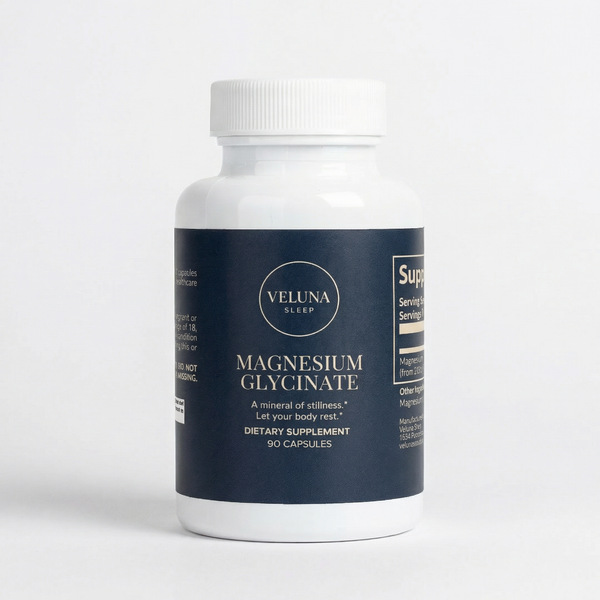
Magnesium L-threonate may work by modulating certain neurotransmitters in the brain, such as GABA, which promotes relaxation and reduces anxiety. Some research even suggests that magnesium L-threonate improves sleep quality and daytime functioning in adults with self-reported sleep problems (Hausenblas, 2024). If you are considering magnesium for sleep, it’s important to choose a form that is easily absorbed. You can also explore other forms of magnesium that are beneficial for sleep, such as magnesium glycinate, found in Veluna Magnesium Glycinate.
| Factor | Biotin | Magnesium Threonate |
|---|---|---|
| Mechanism | Cofactor for enzymes involved in metabolism of carbs, fats, and proteins. | Enhances magnesium levels in the brain, influencing neurotransmitters. |
| Best fit | Supporting hair, skin, and nail health. | Improving cognitive function and sleep quality. |
| Typical dosage | 30-100 mcg daily. | 144 mg of elemental magnesium (typically from 2000 mg of magnesium L-threonate) daily. |
| Main caution | Generally safe, but high doses may interfere with lab tests. | May cause mild gastrointestinal discomfort in some individuals. |
Biotin Benefits and Dosage
Biotin is widely recognized for its role in promoting healthy hair, skin, and nails. It supports the production of keratin, a protein that makes up the structure of these tissues. While biotin deficiency is rare, supplementing with biotin may improve the strength and appearance of hair and nails, particularly in individuals who are deficient.
Beyond its cosmetic benefits, biotin is also essential for energy metabolism. It helps convert the food you eat into energy that your body can use. Biotin supports the function of enzymes involved in breaking down carbohydrates, fats, and proteins. This makes it an important nutrient for overall health and vitality.
The recommended daily intake of biotin for adults is typically between 30 and 100 micrograms. Biotin supplements are widely available in various forms, including capsules, tablets, and gummies. While biotin is generally considered safe, high doses may interfere with certain lab tests, such as thyroid function tests. It's important to inform your healthcare provider if you're taking biotin supplements to avoid any potential misinterpretations of test results.
Magnesium Threonate Benefits and Dosage
Magnesium L-threonate stands out from other forms of magnesium due to its potential cognitive benefits. It has the ability to cross the blood-brain barrier, which means it can directly influence brain function. Research suggests that magnesium L-threonate may improve memory, learning, and overall cognitive performance. This makes it an appealing option for individuals looking to support brain health.
In addition to its cognitive benefits, magnesium L-threonate may also promote relaxation and improve sleep quality. Magnesium plays a role in regulating neurotransmitters that promote calmness and reduce anxiety. Some studies have shown that magnesium supplementation can improve sleep duration and quality, particularly in individuals with insomnia [1, 10]. A systematic review highlighted the importance of magnesium in sleep health, noting its potential to enhance sleep quality [3].
The typical dosage of magnesium L-threonate is around 2000 mg per day, which provides approximately 144 mg of elemental magnesium. It's important to note that magnesium L-threonate is often more expensive than other forms of magnesium. While some studies have shown promising results with magnesium L-threonate, other forms of magnesium, such as magnesium glycinate, have also been shown to be effective for sleep and may be more cost-effective. Consider exploring options like Veluna Magnesium Glycinate, which offers a highly absorbable form of magnesium.
Take our 60-second quiz to discover the science-backed sleep solution matched to your unique needs.
Take the QuizBiotin vs. Magnesium Threonate: Which One Is Right for You?
Choosing between biotin and magnesium L-threonate depends on your individual health goals and needs. If you're primarily concerned with improving the health of your hair, skin, and nails, biotin may be the more suitable choice. It supports keratin production and can enhance the appearance of these tissues. However, if you're looking to support cognitive function, reduce anxiety, and improve sleep quality, magnesium L-threonate may be a better option.
It's important to consider that biotin and magnesium L-threonate serve different purposes and address different aspects of health. Biotin is mainly focused on energy metabolism and the health of hair, skin, and nails, while magnesium L-threonate is geared towards cognitive function and relaxation. If you have specific concerns about cognitive function or sleep, magnesium L-threonate may be more beneficial. However, if you're primarily looking to improve the appearance of your hair and nails, biotin may be the better choice.
Additionally, it's worth noting that magnesium L-threonate is not the only form of magnesium that can support sleep. Other forms of magnesium, such as magnesium glycinate, have also been shown to be effective for sleep and may be more readily available and affordable. Magnesium glycinate is known for its calming effects and ability to promote relaxation, making it a popular choice for those looking to improve their sleep quality. If you're considering magnesium for sleep, it's important to explore different forms and choose one that suits your individual needs and preferences. You can learn more about the benefits of magnesium for sleep by reading articles like Ashwagandha vs Magnesium Glycinate for Sleep: Which Supplement Should You Choose?.
When to Seek Professional Help
While biotin and magnesium L-threonate are generally considered safe for most people, it's important to seek professional help if you experience any concerning symptoms or have underlying health conditions. If you suspect you have a biotin deficiency, it's best to consult with a healthcare provider for proper diagnosis and treatment. Similarly, if you're considering taking magnesium L-threonate for cognitive or sleep-related issues, it's a good idea to discuss it with your doctor, especially if you have any existing medical conditions or are taking medications.
If you experience persistent sleep problems, such as insomnia or excessive daytime sleepiness, it's important to seek professional help from a sleep specialist. Sleep disorders can have a significant impact on your overall health and well-being, and it's important to identify and address any underlying causes. A sleep specialist can help you determine the cause of your sleep problems and recommend appropriate treatment options, such as lifestyle changes, therapy, or medication.
Additionally, if you experience any adverse effects from taking biotin or magnesium L-threonate, such as gastrointestinal issues, allergic reactions, or interactions with medications, it's important to seek medical attention. While these supplements are generally safe, individual reactions can vary, and it's important to monitor your body's response and seek help if needed. Remember, it's always best to err on the side of caution and consult with a healthcare professional if you have any concerns about your health.
The Bottom Line
Biotin and magnesium L-threonate are two distinct supplements that offer different health benefits. Biotin primarily supports the health of your hair, skin, and nails, while magnesium L-threonate is known for its potential cognitive and sleep-related benefits. Choosing between the two depends on your individual health goals and needs. If you're looking to improve the appearance of your hair and nails, biotin may be the better choice. However, if you're seeking to support cognitive function, reduce anxiety, and improve sleep quality, magnesium L-threonate may be more beneficial.
It's important to note that magnesium L-threonate is not the only form of magnesium that can support sleep. Other forms of magnesium, such as magnesium glycinate, have also been shown to be effective for sleep and may be more readily available and affordable. Ultimately, the best choice for you will depend on your individual needs, preferences, and budget. Consider exploring different options and consulting with a healthcare professional to determine the most appropriate supplement for your specific situation. You might also find that strategies to improve sleep naturally are helpful.
Ready to find the right sleep ritual for your needs? Take Veluna's free 60-second quiz to get a personalized recommendation.
References
- Mah J, Pitre T. Oral magnesium supplementation for insomnia in older adults: a Systematic Review & Meta-Analysis. BMC complementary medicine and therapies. 2021. PubMed
- Chan V, Lo K. Efficacy of dietary supplements on improving sleep quality: a systematic review and meta-analysis. Postgraduate medical journal. 2022. PubMed
- Arab A, Rafie N, Amani R et al.. The Role of Magnesium in Sleep Health: a Systematic Review of Available Literature. Biological trace element research. 2023. PubMed
- Hausenblas HA, Lynch T, Hooper S et al.. Magnesium-L-threonate improves sleep quality and daytime functioning in adults with self-reported sleep problems: A randomized controlled trial. Sleep medicine: X. 2024. PubMed
- Abbasi B, Kimiagar M, Sadeghniiat K et al.. The effect of magnesium supplementation on primary insomnia in elderly: A double-blind placebo-controlled clinical trial. Journal of research in medical sciences : the official journal of Isfahan University of Medical Sciences. 2012. PubMed
Frequently Asked Questions
Yes, biotin and magnesium threonate can generally be taken together. They serve different functions in the body and do not typically interact negatively. However, it's always best to consult with a healthcare professional before starting any new supplement regimen.
Biotin is generally considered safe, but high doses may interfere with certain lab tests, such as thyroid function tests. In rare cases, some people may experience mild gastrointestinal discomfort or skin rashes. It's important to inform your healthcare provider if you're taking biotin supplements to avoid any potential misinterpretations of test results.
Magnesium threonate is generally well-tolerated, but some people may experience mild gastrointestinal discomfort, such as diarrhea or stomach cramps. Starting with a lower dose and gradually increasing it can help minimize these side effects. If side effects persist, it's best to consult with a healthcare professional.
It may take several weeks or months to see noticeable results from taking biotin, especially in terms of hair and nail growth. Consistency is key, and it's important to continue taking biotin supplements as directed to achieve the best results. Individual results may vary depending on factors such as genetics, diet, and overall health.
The time it takes to see results from taking magnesium threonate can vary depending on the individual and the specific benefits being targeted. Some people may experience improvements in sleep quality or cognitive function within a few weeks, while others may require several months of consistent supplementation. It's important to be patient and consistent with your supplement regimen to allow sufficient time for the benefits to manifest.