Key Takeaways
✓ Ashwagandha has demonstrated effectiveness in improving sleep quality and reducing stress, primarily through its adaptogenic properties [1, 2].
✓ Apigenin, a flavonoid found in chamomile, may promote relaxation and sleep by interacting with GABA receptors in the brain [5].
Not sure which is right for you?
Answer a few questions and we’ll match you to your personalized sleep ritual — in about 60 seconds.
Take the 60-Second Sleep Quiz →✓ The choice between ashwagandha and apigenin depends on individual needs; ashwagandha is better for stress-related sleep issues, while apigenin may be more suitable for mild relaxation [3, 4].
Ashwagandha and Apigenin for Sleep: An Overview
Struggling to get a good night’s sleep? You’re likely exploring natural sleep aids. Two popular options are ashwagandha and apigenin. Ashwagandha, an adaptogenic herb, has been used for centuries in Ayurvedic medicine. Apigenin, on the other hand, is a flavonoid found in plants like chamomile. Both are believed to promote relaxation and improve sleep, but they work differently and may be better suited for different needs. This article will provide a detailed comparison to help you decide which supplement might be the right choice for you. For more guidance, explore how to choose the right sleep supplement.
This article delves into the science behind ashwagandha and apigenin, examining their mechanisms of action, benefits, potential side effects, and ideal dosages. We’ll also compare their effectiveness in addressing different sleep-related issues, such as insomnia, anxiety-induced sleeplessness, and general sleep quality. By the end, you’ll have a clear understanding of which supplement aligns best with your individual sleep goals and overall health profile.
Head-to-Head Comparison: Ashwagandha vs. Apigenin
Before diving into the details of each supplement, let’s take a look at a side-by-side comparison:
| Factor | Ashwagandha | Apigenin |
|---|---|---|
| Mechanism | Adaptogen; modulates stress response by influencing the hypothalamic-pituitary-adrenal (HPA) axis [8]. | Binds to GABA receptors in the brain, promoting relaxation and reducing anxiety [5]. |
| Best fit | Individuals with stress-related sleep disturbances, anxiety, or fatigue [2, 10]. | Individuals seeking mild relaxation and improved sleep quality, particularly those sensitive to stronger sedatives [4, 5]. |
| Typical dosage | 300-500mg of root extract, typically standardized to contain a specific percentage of withanolides [3]. | 50-500mg, often taken as chamomile tea or extract [5]. |
| Main caution | May interact with certain medications, including immunosuppressants and thyroid hormones. Not recommended for pregnant or breastfeeding women [8]. | Generally considered safe, but high doses may cause drowsiness. May interact with blood thinners [5]. |
The Benefits of Ashwagandha for Sleep
Ashwagandha (Withania somnifera) is a potent adaptogen, meaning it helps your body adapt to stress. This ancient herb has been used in Ayurvedic medicine for centuries to promote overall well-being, including better sleep. Research suggests that ashwagandha can improve sleep quality, reduce stress and anxiety, and even enhance cognitive function [9, 10]. These benefits stem from ashwagandha's ability to modulate the body's stress response system, known as the hypothalamic-pituitary-adrenal (HPA) axis [8].
One of the primary ways ashwagandha promotes sleep is by reducing cortisol levels. Cortisol, the stress hormone, can interfere with sleep when elevated. By helping to regulate cortisol, ashwagandha can promote a sense of calm and relaxation, making it easier to fall asleep and stay asleep [10]. A systematic review and meta-analysis indicated that ashwagandha extract has a positive effect on sleep [1].
Several studies support ashwagandha’s sleep-promoting effects. For example, a clinical evaluation published in the Journal of Ethnopharmacology found that ashwagandha root extract significantly improved sleep quality in both healthy volunteers and patients with insomnia [3]. Participants experienced improvements in sleep latency (the time it takes to fall asleep), sleep efficiency, and overall sleep duration. Another study in the Journal of Medicinal Food explored college students' perceptions of ashwagandha's impact on stress, sleep quality, energy, and mental clarity, revealing positive feedback [2].
Research discussed here relates to individual ingredients and does not establish that the finished Veluna product has been clinically studied or will produce the same results.
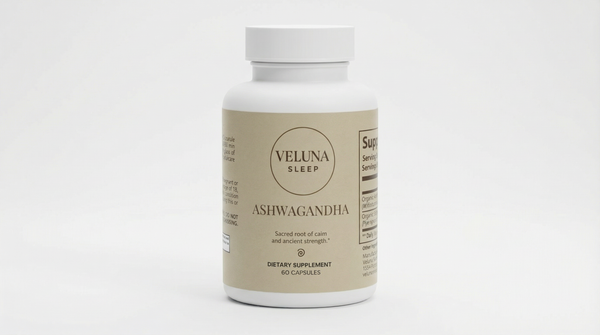
Ashwagandha may also be a good choice for athletes. Intense training can disrupt sleep patterns, and the best sleep supplements for athletes often include adaptogens like ashwagandha. For a convenient way to incorporate this herb into your routine, consider Veluna Ashwagandha, formulated for optimal absorption and efficacy.
Unpacking the Science of Apigenin for Sleep
Apigenin is a flavonoid found in various plants, including chamomile, parsley, and celery. It’s particularly abundant in chamomile tea, which has been used for centuries as a natural remedy for insomnia and anxiety. Apigenin is believed to promote sleep by binding to GABA receptors in the brain. GABA (gamma-aminobutyric acid) is a neurotransmitter that inhibits nerve impulses, promoting relaxation and reducing anxiety [5].
By binding to GABA receptors, apigenin enhances the effects of GABA, leading to a calming effect on the nervous system. This can help reduce feelings of stress and anxiety, making it easier to fall asleep. Unlike some sleep medications that directly target GABA receptors, apigenin has a milder effect, which may be preferable for those seeking a gentler sleep aid. It's often included in sleep formulations; for example, you can find it in Veluna Sleep Formula.
Research on apigenin's sleep-promoting effects is promising. A review in Planta Medica discussed medicinal plants for insomnia related to anxiety, highlighting the potential benefits of apigenin [5]. While more research is needed to fully understand its mechanisms and optimal dosages, the existing evidence suggests that apigenin can be a valuable tool for improving sleep quality, especially when combined with other sleep-promoting strategies.
Apigenin’s mild relaxing properties may also make it a suitable option for individuals who are sensitive to stronger sedatives or who prefer a more natural approach to sleep enhancement. If you also struggle with anxiety, explore the best sleep supplements for anxiety and stress relief to see how apigenin fits in.
Dosage and Timing: How to Use Ashwagandha and Apigenin Effectively
To maximize the benefits of ashwagandha and apigenin for sleep, it’s essential to understand the proper dosage and timing for each supplement.
For ashwagandha, the typical dosage ranges from 300 to 500mg of root extract, standardized to contain a specific percentage of withanolides (the active compounds in ashwagandha). It’s generally recommended to take ashwagandha in the evening, about one to two hours before bedtime. This allows the adaptogenic effects to take hold, helping to reduce stress and promote relaxation before you go to sleep. Consistency is key with ashwagandha, as it may take several weeks of regular use to experience its full benefits [3].
Apigenin, on the other hand, is often consumed in the form of chamomile tea. To get a therapeutic dose of apigenin, steep one to two tea bags of chamomile tea in hot water for about 10 minutes, and drink it about 30 to 60 minutes before bedtime. If you prefer a more concentrated form of apigenin, you can take a supplement containing 50 to 500mg of apigenin extract. As with ashwagandha, it’s best to take apigenin in the evening to promote relaxation and prepare your body for sleep [5].
It’s also important to note that individual responses to these supplements can vary. Some people may find that they need a higher dose to experience the desired effects, while others may be more sensitive and require a lower dose. It’s always a good idea to start with the lowest recommended dose and gradually increase it as needed, while paying attention to how your body responds. Additionally, consider factors such as your weight, age, and overall health when determining the appropriate dosage for you.
Take our 60-second quiz to discover the science-backed sleep solution matched to your unique needs.
Take the QuizPotential Side Effects and Interactions
While both ashwagandha and apigenin are generally considered safe, it’s important to be aware of potential side effects and interactions before incorporating them into your sleep routine.
Ashwagandha may cause mild side effects such as digestive upset, headache, or drowsiness in some people. It’s also important to note that ashwagandha may interact with certain medications, including immunosuppressants, thyroid hormones, and sedatives. If you’re taking any of these medications, it’s essential to talk to your healthcare provider before taking ashwagandha [8]. Additionally, ashwagandha is not recommended for pregnant or breastfeeding women due to a lack of safety data.
Apigenin is generally well-tolerated, but high doses may cause drowsiness in some individuals. It’s also important to be aware that apigenin may interact with blood thinners, such as warfarin. If you’re taking blood thinners, talk to your healthcare provider before taking apigenin. As with any supplement, it’s always a good idea to start with a low dose and gradually increase it as needed to minimize the risk of side effects [5].
If you experience any unusual or severe side effects while taking ashwagandha or apigenin, stop taking the supplement and talk to your healthcare provider. It’s also important to purchase supplements from reputable brands to ensure that you’re getting a high-quality product that is free from contaminants.
Ashwagandha vs. Apigenin: Which One Is Right for You?
Choosing between ashwagandha and apigenin depends on your individual needs and preferences. Ashwagandha is a good choice if you’re struggling with stress-related sleep disturbances, anxiety, or fatigue. Its adaptogenic properties can help regulate your body’s stress response, promoting relaxation and improving sleep quality [10]. Ashwagandha may also be beneficial if you’re looking for additional benefits such as enhanced cognitive function and improved physical performance [6, 9].
Apigenin, on the other hand, may be a better choice if you’re seeking a milder sleep aid that promotes relaxation without causing significant side effects. Its gentle calming effects can help reduce anxiety and improve sleep quality, especially if you’re sensitive to stronger sedatives [5]. Apigenin may also be a good option if you’re looking for a natural way to enhance your sleep routine without relying on prescription medications. If you're considering other natural sleep aids, you might also compare glycine vs ashwagandha for sleep.
Ultimately, the best way to determine which supplement is right for you is to experiment and see how your body responds. You may also want to talk to your healthcare provider or a qualified herbalist for personalized recommendations based on your individual health profile and sleep goals.
When to Seek Professional Help
While ashwagandha and apigenin can be helpful for improving sleep quality, it’s important to recognize when professional help is needed. If you’re experiencing chronic insomnia, severe anxiety, or other underlying health conditions that are affecting your sleep, it’s essential to consult with a healthcare provider. They can help identify the root cause of your sleep problems and recommend appropriate treatment options, which may include medication, therapy, or lifestyle changes.
Additionally, if you’re taking other medications or have any underlying health conditions, it’s crucial to talk to your healthcare provider before taking ashwagandha or apigenin. They can help ensure that these supplements are safe for you and won’t interact with any other medications you’re taking. Seeking professional help can ensure that you receive the most effective and appropriate care for your individual sleep needs.
The Bottom Line
Ashwagandha and apigenin are two natural supplements that can help improve sleep quality. Ashwagandha, an adaptogenic herb, reduces stress and anxiety, while apigenin, a flavonoid found in chamomile, promotes relaxation by interacting with GABA receptors. The choice between the two depends on your individual needs and preferences; ashwagandha is better for stress-related sleep issues, while apigenin may be more suitable for mild relaxation.
Both supplements are generally considered safe, but it’s important to be aware of potential side effects and interactions. Ashwagandha may cause mild digestive upset or drowsiness, while high doses of apigenin may also cause drowsiness. Talk to your healthcare provider before taking either supplement, especially if you’re taking other medications or have any underlying health conditions.
Ready to find the right sleep ritual for your needs? Take Veluna's free 60-second quiz to get a personalized recommendation.
References
- Cheah KL, Norhayati MN, Husniati Yaacob L et al.. Effect of Ashwagandha (Withania somnifera) extract on sleep: A systematic review and meta-analysis. PloS one. 2021. PubMed
- Baker C, Kirby JB, O'Connor J et al.. The Perceived Impact of Ashwagandha on Stress, Sleep Quality, Energy, and Mental Clarity for College Students: Qualitative Analysis of a Double-Blind Randomized Control Trial. Journal of medicinal food. 2022. PubMed
- Langade D, Thakare V, Kanchi S et al.. Clinical evaluation of the pharmacological impact of ashwagandha root extract on sleep in healthy volunteers and insomnia patients: A double-blind, randomized, parallel-group, placebo-controlled study. Journal of ethnopharmacology. 2021. PubMed
- Zhang W, Yan Y, Wu Y et al.. Medicinal herbs for the treatment of anxiety: A systematic review and network meta-analysis. Pharmacological research. 2022. PubMed
- Borrás S, Martínez-Solís I, Ríos JL. Medicinal Plants for Insomnia Related to Anxiety: An Updated Review. Planta medica. 2021. PubMed
- Sprengel M, Laskowski R, Jost Z. Withania somnifera (Ashwagandha) supplementation: a review of its mechanisms, health benefits, and role in sports performance. Nutrition & metabolism. 2025. PubMed
- Gopukumar K, Thanawala S, Somepalli V et al.. Efficacy and Safety of Ashwagandha Root Extract on Cognitive Functions in Healthy, Stressed Adults: A Randomized, Double-Blind, Placebo-Controlled Study. Evidence-based complementary and alternative medicine : eCAM. 2021. PubMed
- Paul S, Chakraborty S, Anand U et al.. Withania somnifera (L.) Dunal (Ashwagandha): A comprehensive review on ethnopharmacology, pharmacotherapeutics, biomedicinal and toxicological aspects. Biomedicine & pharmacotherapy = Biomedecine & pharmacotherapie. 2021. PubMed
- Salve J, Pate S, Debnath K et al.. Adaptogenic and Anxiolytic Effects of Ashwagandha Root Extract in Healthy Adults: A Double-blind, Randomized, Placebo-controlled Clinical Study. Cureus. 2019. PubMed
Frequently Asked Questions
While there's no known contraindication, it's best to consult your healthcare provider before combining supplements. They can assess potential interactions and ensure safety. Combining them might amplify sedative effects, so caution is advised.
Apigenin, often consumed as chamomile tea, may have immediate relaxing effects. Ashwagandha, being an adaptogen, typically requires consistent use over several weeks to experience noticeable benefits in sleep quality and stress reduction. Individual responses vary.
Both are generally safe for long-term use, but research is limited. Ashwagandha may affect thyroid function with prolonged use, so monitoring is advised. Apigenin has fewer reported long-term side effects but should still be used with caution.
Ashwagandha is not recommended during pregnancy or breastfeeding due to a lack of safety data. Apigenin, while generally safe, should also be avoided during these times unless specifically approved by your healthcare provider.
Both ashwagandha and apigenin have sedative properties, so combining them with alcohol can enhance these effects, leading to increased drowsiness and impaired coordination. It's best to avoid alcohol when taking these supplements.