Key Takeaways
✓ Ashwagandha can improve sleep quality by reducing stress and anxiety, making it easier to fall and stay asleep [3, 4].
✓ Melatonin is particularly helpful for those with jet lag or irregular sleep schedules, as it directly regulates the sleep-wake cycle [6].
✓ The best choice depends on whether your sleep issues stem from stress or a disrupted circadian rhythm, with both having distinct benefits and potential side effects [1, 8].
Ashwagandha vs. Melatonin: Finding Your Perfect Sleep Solution
Are you struggling to get a restful night's sleep? Many people are turning to natural sleep aids like ashwagandha and melatonin. Both supplements have gained popularity for their potential to improve sleep, but they work through different mechanisms. Melatonin primarily helps regulate your sleep-wake cycle, while ashwagandha can reduce stress and promote relaxation. Understanding these differences is key to choosing the right supplement for your individual sleep needs.
Deciding between ashwagandha and melatonin involves pinpointing the root cause of your sleep problems. Is it stress and anxiety keeping you up at night, or is it a disrupted sleep schedule due to travel or shift work? The answer can guide you toward the most effective solution. For example, if you're dealing with the challenges of irregular work hours, exploring the best sleep supplements for shift workers might offer additional insights.
This article will provide a head-to-head comparison of ashwagandha and melatonin, exploring their mechanisms, benefits, dosages, and potential side effects to help you determine which one might be the better choice for you. By understanding how each supplement works and what types of sleep issues they address, you can make an informed decision and improve your sleep quality.
Head-to-Head Comparison: Ashwagandha vs. Melatonin
Before we delve into the specifics of each supplement, here's a quick comparison to highlight their key differences:
| Factor | Ashwagandha | Melatonin |
|---|---|---|
| Mechanism | Adaptogen that reduces stress and anxiety, promoting relaxation [3]. | Hormone that regulates the sleep-wake cycle (circadian rhythm) [5]. |
| Best fit | Individuals with stress-related sleep problems, anxiety, or insomnia [4]. | Individuals with jet lag, shift work sleep disorder, or delayed sleep phase syndrome [6]. |
| Typical dosage | 300-500mg of root extract daily [4]. | 0.5-5mg, taken 30-60 minutes before bedtime [8]. |
| Main caution | May cause drowsiness or digestive upset in some individuals; potential interactions with certain medications [1]. | May cause drowsiness, headache, or dizziness; can interact with certain medications [8]. |
The Calming Power of Ashwagandha
Ashwagandha (Withania somnifera) is an adaptogenic herb that has been a staple in traditional Ayurvedic medicine for centuries. Adaptogens are natural substances believed to help the body resist stressors of all kinds, whether physical, chemical, or biological. Ashwagandha's primary mechanism of action involves reducing stress and anxiety, which can indirectly improve sleep quality [3]. It helps the body maintain balance, even in the face of external pressures.
Research indicates that ashwagandha can significantly reduce cortisol levels—the body's primary stress hormone. By modulating the stress response, ashwagandha helps promote relaxation and a sense of calm, making it easier to fall asleep and stay asleep. A study in the Journal of Ethnopharmacology found that ashwagandha root extract improved sleep quality and reduced anxiety in both healthy volunteers and patients with insomnia (Langade, 2021). This suggests that ashwagandha may be particularly beneficial for individuals whose sleep is disrupted by stress and worry.
Benefits of Ashwagandha for Sleep
- Reduces Stress and Anxiety: Ashwagandha's adaptogenic properties help lower cortisol levels, promoting a sense of calm and relaxation [3]. This can be particularly helpful for those who find themselves tossing and turning at night due to racing thoughts or worries.
- Improves Sleep Quality: Studies have shown that ashwagandha can improve overall sleep quality, including sleep latency (the time it takes to fall asleep) and total sleep time [1, 4]. A systematic review and meta-analysis in PLoS One indicated that ashwagandha extract had a positive effect on sleep (Cheah, 2021).
- Supports Mental Clarity: Some research suggests that ashwagandha can improve mental clarity and focus, which can be beneficial for those whose sleep is disrupted by racing thoughts [3]. By calming the mind, ashwagandha can help create a more conducive environment for sleep.
Dosage and Timing
The typical dosage of ashwagandha root extract ranges from 300 to 500mg daily. It is often recommended to take ashwagandha in the evening, about one to two hours before bedtime, to promote relaxation and prepare the body for sleep. Consistency is key, so try to take it around the same time each day. The effects of ashwagandha are often gradual, so it may take several weeks of consistent use to experience its full benefits.
Potential Side Effects and Interactions
Ashwagandha is generally considered safe for most people, but some individuals may experience mild side effects such as drowsiness, headache, or digestive upset. It's important to start with a low dose and gradually increase it to assess your tolerance. Ashwagandha may also interact with certain medications, such as immunosuppressants and thyroid medications. If you are taking any medications, consult with your healthcare provider before taking ashwagandha. Also, those with autoimmune conditions should exercise caution due to ashwagandha's potential to stimulate the immune system.
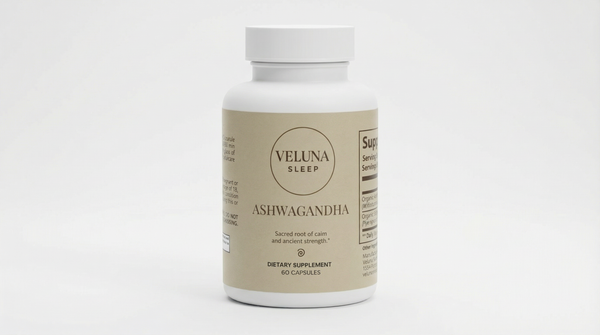
If you're looking for a convenient way to incorporate ashwagandha into your routine, consider a product like Veluna Ashwagandha, which provides a standardized dose of high-quality ashwagandha root extract.
Melatonin: The Sleep-Wake Regulator
Melatonin is a hormone naturally produced by the pineal gland in the brain. Its primary role is to regulate the sleep-wake cycle, also known as the circadian rhythm. Melatonin levels typically rise in the evening as darkness approaches, signaling to the body that it's time to sleep. Exposure to light, especially blue light from electronic devices, can suppress melatonin production, making it harder to fall asleep. This is why it's often recommended to avoid screens before bed.
Melatonin supplements are often used to help regulate the sleep-wake cycle, particularly in individuals with jet lag, shift work sleep disorder, or delayed sleep phase syndrome. These conditions can disrupt the body's natural melatonin production, leading to difficulty falling asleep or staying asleep. A meta-analysis in Progress in Neuro-Psychopharmacology & Biological Psychiatry showed the effectiveness of melatonin for sleep disorders in people with autism (Nogueira, 2023). Melatonin supplements can help to reset the body's internal clock and promote more regular sleep patterns. In essence, it’s like giving your body a timely reminder of when it should be winding down.
Benefits of Melatonin for Sleep
- Regulates Sleep-Wake Cycle: Melatonin helps to synchronize the body's internal clock with the natural day-night cycle, making it easier to fall asleep and wake up at consistent times [5, 10]. This is particularly beneficial for those with irregular sleep schedules.
- Reduces Jet Lag: Melatonin can help alleviate the symptoms of jet lag by resetting the body's circadian rhythm after traveling across time zones [6]. Taking melatonin around your new bedtime in the destination can help you adjust more quickly.
- Improves Sleep Onset: Studies have shown that melatonin can reduce sleep latency, helping you fall asleep faster [8]. This can be particularly helpful for those who struggle to quiet their minds and drift off to sleep.
Dosage and Timing
The typical dosage of melatonin ranges from 0.5 to 5mg, taken 30 to 60 minutes before bedtime. It's important to start with a low dose and gradually increase it as needed. Taking too much melatonin can sometimes lead to unwanted side effects, such as drowsiness or headache. It is also important to take it at the same time each night to help regulate your sleep-wake cycle. Consistency in timing is key to maximizing its effectiveness.
Potential Side Effects and Interactions
Melatonin is generally considered safe for short-term use, but some individuals may experience side effects such as drowsiness, headache, dizziness, or nausea. Long-term use of melatonin is not well-studied, so it's important to use it judiciously and under the guidance of a healthcare provider. Melatonin may also interact with certain medications, such as blood thinners, antidepressants, and blood pressure medications. If you are taking any medications, consult with your healthcare provider before taking melatonin. Additionally, some people report vivid dreams or nightmares when taking melatonin.
For some, melatonin alone might not be enough. Consider exploring comprehensive sleep solutions like Veluna Sleep Formula, which combines melatonin with other sleep-promoting ingredients like magnesium and chamomile.
Take our 60-second quiz to discover the science-backed sleep solution matched to your unique needs.
Take the QuizAshwagandha vs. Melatonin: Which Is Right for You?
Choosing between ashwagandha and melatonin depends on the underlying cause of your sleep problems. If stress and anxiety are the primary culprits, ashwagandha may be the better choice. Its adaptogenic properties can help calm your mind and promote relaxation, making it easier to fall asleep and stay asleep. Ashwagandha can be particularly helpful if you often find yourself lying awake at night, replaying the day's events or worrying about the future.
On the other hand, if you're struggling with a disrupted sleep schedule due to jet lag, shift work, or delayed sleep phase syndrome, melatonin may be more effective. It can help reset your body's internal clock and regulate your sleep-wake cycle. For those with sleep disturbances related to Alzheimer's Disease, melatonin may also show some benefit (Prodhan, 2021). Melatonin is particularly useful for those who need to quickly adjust to a new time zone or work schedule.
It's also important to consider any potential side effects or interactions with medications you may be taking. If you're unsure which supplement is right for you, consult with your healthcare provider for personalized advice. For those exploring other options, consider the potential benefits of ashwagandha vs magnesium glycinate for sleep. Or, for a deeper dive, explore our article comparing ashwagandha vs GABA for sleep to understand more alternatives.
When to Seek Professional Help
While ashwagandha and melatonin can be helpful for occasional sleep problems, it's important to seek professional help if you experience chronic or severe sleep disturbances. Insomnia, sleep apnea, and other sleep disorders can have a significant impact on your health and well-being. A healthcare provider can help diagnose the underlying cause of your sleep problems and recommend appropriate treatment options. Addressing sleep issues promptly can prevent them from escalating into more serious health concerns.
You should also seek professional help if you experience any of the following symptoms:
- Difficulty falling asleep or staying asleep for more than three months
- Excessive daytime sleepiness
- Loud snoring or gasping for air during sleep
- Unpleasant sensations in your legs that make you want to move them (restless legs syndrome)
- Waking up frequently during the night to urinate
The Bottom Line
Ashwagandha and melatonin are two popular natural sleep aids that work in different ways. Ashwagandha helps to reduce stress and anxiety, promoting relaxation and improving sleep quality. Melatonin regulates the sleep-wake cycle, making it easier to fall asleep and wake up at consistent times. The choice between the two depends on the underlying cause of your sleep problems. Consider your individual needs and preferences when making your decision.
If stress and anxiety are the primary culprits, ashwagandha may be the better choice. If you're struggling with a disrupted sleep schedule, melatonin may be more effective. It's also important to consider any potential side effects or interactions with medications you may be taking. Furthermore, remember that good sleep hygiene practices, such as maintaining a regular sleep schedule, creating a relaxing bedtime routine, and avoiding caffeine and alcohol before bed, are essential for healthy sleep.
Ready to find the right sleep ritual for your needs? Take Veluna's free 60-second quiz to get a personalized recommendation.
References
- Cheah KL, Norhayati MN, Husniati Yaacob L et al.. Effect of Ashwagandha (Withania somnifera) extract on sleep: A systematic review and meta-analysis. PloS one. 2021. PubMed
- Nogueira HA, de Castro CT, da Silva DCG et al.. Melatonin for sleep disorders in people with autism: Systematic review and meta-analysis. Progress in neuro-psychopharmacology & biological psychiatry. 2023. PubMed
- Baker C, Kirby JB, O'Connor J et al.. The Perceived Impact of Ashwagandha on Stress, Sleep Quality, Energy, and Mental Clarity for College Students: Qualitative Analysis of a Double-Blind Randomized Control Trial. Journal of medicinal food. 2022. PubMed
- Langade D, Thakare V, Kanchi S et al.. Clinical evaluation of the pharmacological impact of ashwagandha root extract on sleep in healthy volunteers and insomnia patients: A double-blind, randomized, parallel-group, placebo-controlled study. Journal of ethnopharmacology. 2021. PubMed
- Comai S, Gobbi G. Melatonin, Melatonin Receptors and Sleep: Moving Beyond Traditional Views. Journal of pineal research. 2024. PubMed
- Gasmi A, Semenova Y, Noor S et al.. Sleep, Dietary Melatonin Supplementation, and COVID-19. Current medicinal chemistry. 2024. PubMed
- Poza JJ, Pujol M, Ortega-Albás JJ et al.. Melatonin in sleep disorders. Neurologia. 2022. PubMed
- Prodhan AHMSU, Cavestro C, Kamal MA et al.. Melatonin and Sleep Disturbances in Alzheimer's Disease. CNS & neurological disorders drug targets. 2021. PubMed
Frequently Asked Questions
While there's no known major interaction between ashwagandha and melatonin, it's best to consult with your healthcare provider before combining them. They can assess your individual needs and determine if this combination is safe and appropriate for you. Combining supplements without professional guidance can sometimes lead to unwanted side effects or interactions.
Ashwagandha is not an immediate fix. It may take several weeks of consistent use to experience its full effects on sleep. This is because ashwagandha works by gradually modulating the body's stress response and promoting relaxation. Some people may notice improvements in sleep quality within a week or two, while others may need longer to see results.
While melatonin is generally considered safe for short-term use, the long-term effects are not well-studied. Some experts recommend using melatonin only as needed for occasional sleep problems, rather than as a daily supplement. If you find yourself relying on melatonin for extended periods, it's best to consult with your healthcare provider to explore other potential solutions.
Melatonin is sometimes used in children with certain sleep disorders, but it should only be used under the guidance of a pediatrician. A European expert guidance suggests melatonin be used in children only for sleep-onset insomnia (Bruni, 2024). It's important to rule out any underlying medical conditions that may be contributing to the sleep problems before considering melatonin supplementation in children.
Yes, several natural alternatives to melatonin can promote relaxation and improve sleep quality. These include magnesium, glycine, valerian root, and chamomile. These supplements work through different mechanisms, such as calming the nervous system or increasing levels of sleep-promoting neurotransmitters. As covered in our article on glycine vs ashwagandha for sleep, amino acids can be a powerful option, and other alternatives exist as well.