Key Takeaways
✓ Ashwagandha may improve sleep quality and reduce stress, particularly for those with anxiety or insomnia (Cheah, 2021).
✓ Magnesium citrate can promote relaxation and improve sleep, especially for those deficient in magnesium (Arab, 2023).
✓ The best choice depends on individual needs: ashwagandha for stress-related sleep issues, magnesium citrate for relaxation and potential magnesium deficiency.
Ashwagandha vs. Magnesium Citrate: Finding Your Best Sleep Solution
Struggling to get a good night's sleep? You're likely exploring various options, from lifestyle changes to natural supplements. Two popular contenders are ashwagandha and magnesium citrate. Both are known for their potential sleep-promoting properties, but they work differently and may be better suited for different people. This article will compare ashwagandha and magnesium citrate, exploring their mechanisms, benefits, and potential drawbacks, to help you determine which might be the better choice for your individual sleep needs. Understanding the nuances of each can empower you to make an informed decision and reclaim restful nights.
Before diving into a detailed comparison, let's set the stage. Ashwagandha, an adaptogenic herb, has been used for centuries in Ayurvedic medicine to reduce stress and improve overall well-being. Magnesium citrate, on the other hand, is a form of magnesium, an essential mineral involved in hundreds of bodily functions, including sleep regulation. The question isn't necessarily which one is “better,” but rather which one is better *for you*.
| Factor | Ashwagandha | Magnesium Citrate |
|---|---|---|
| Mechanism | Reduces stress hormones (cortisol), promotes relaxation | Supports muscle relaxation, regulates melatonin, and impacts GABA neurotransmission |
| Best fit | Individuals with stress-related insomnia or anxiety | Individuals with muscle tension, constipation, or potential magnesium deficiency |
| Typical dosage | 300-600mg of root extract daily | 200-400mg daily |
| Main caution | May interact with certain medications; not recommended for pregnant or breastfeeding women | May cause digestive upset in some individuals; can interact with certain medications |
The Sleep-Promoting Power of Ashwagandha
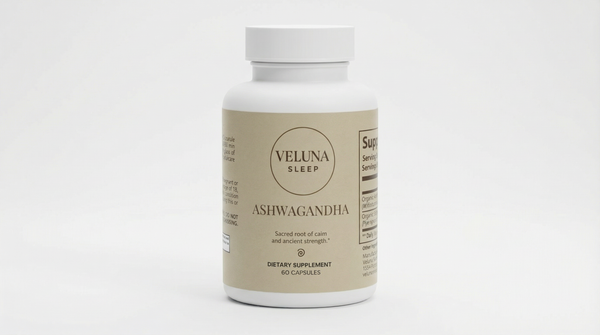
Ashwagandha (Withania somnifera) is an adaptogenic herb that has gained considerable attention for its potential to improve sleep quality. Its primary mechanism involves modulating the body's stress response. Studies suggest that ashwagandha can help reduce cortisol levels, the hormone associated with stress, which can interfere with sleep. By lowering cortisol, ashwagandha can promote a sense of calm and relaxation, making it easier to fall asleep and stay asleep (Cheah, 2021). Many people find that supplements like Veluna Ashwagandha help them wind down before bed.
Research has explored ashwagandha's impact on various aspects of sleep. A systematic review and meta-analysis published in PLoS One found that ashwagandha extract significantly improved sleep quality [1]. Another study in the Journal of Ethnopharmacology demonstrated that ashwagandha root extract improved sleep in both healthy volunteers and patients with insomnia (Langade, 2021). Participants reported improvements in sleep latency (the time it takes to fall asleep), sleep efficiency (the ratio of time spent asleep to time spent in bed), and overall sleep quality. Ashwagandha might also be an option to consider among the best sleep supplements for anxiety and stress relief.
Furthermore, qualitative research indicates that college students taking ashwagandha perceived improvements in stress levels, sleep quality, energy levels, and mental clarity (Baker, 2022). This suggests that ashwagandha's benefits extend beyond just sleep, potentially improving overall well-being, which can indirectly contribute to better sleep. For shift workers struggling with sleep, ashwagandha could be beneficial; learn more in our article on the best sleep supplements for shift workers.
The typical dosage of ashwagandha for sleep ranges from 300 to 600 mg of root extract daily, often taken in one or two doses. It's essential to choose a high-quality ashwagandha extract standardized to contain a specific percentage of withanolides, the active compounds responsible for its therapeutic effects. However, ashwagandha is not recommended for pregnant or breastfeeding women, and it may interact with certain medications, such as immunosuppressants and thyroid hormones. Always consult with your healthcare provider before starting ashwagandha, especially if you have any underlying health conditions or are taking medications.
Magnesium Citrate: A Mineral's Role in Restful Sleep
Magnesium is an essential mineral involved in over 300 enzymatic reactions in the body, including those that regulate sleep. It plays a crucial role in muscle relaxation, nerve function, and the production of melatonin, the hormone that regulates the sleep-wake cycle (Arab, 2023). Magnesium also influences the activity of GABA (gamma-aminobutyric acid), a neurotransmitter that promotes relaxation and reduces anxiety, both of which are essential for sound sleep.
Magnesium citrate is one of several forms of magnesium supplements. It is known for its high bioavailability, meaning it is easily absorbed by the body. However, it also has a laxative effect, which can be beneficial for individuals with constipation but may cause digestive upset in some people. If you're considering magnesium for sleep, you might also explore magnesium glycinate, which is generally better tolerated. You can learn more in our article comparing ashwagandha vs magnesium glycinate.
Research suggests that magnesium supplementation can improve sleep quality, particularly in individuals with magnesium deficiency. A systematic review of available literature highlighted magnesium's role in sleep health, suggesting its potential to improve sleep duration and quality (Arab, 2023). A study in Frontiers in Endocrinology found that magnesium supplementation improved insomnia and sleep hormones in patients with diabetes mellitus (Khalid, 2024). Furthermore, research in Sleep Medicine: X found that Magnesium-L-threonate improves sleep quality and daytime functioning in adults with self-reported sleep problems (Hausenblas, 2024).
The optimal dosage of magnesium citrate for sleep typically ranges from 200 to 400 mg daily, taken about an hour before bedtime. However, it's essential to start with a lower dose and gradually increase it to avoid digestive upset. While magnesium is generally safe, it can interact with certain medications, such as antibiotics and diuretics. Individuals with kidney problems should also exercise caution when taking magnesium supplements. As always, consult with your healthcare provider before starting any new supplement regimen.
Head-to-Head: Ashwagandha vs. Magnesium Citrate
Now that we've explored the individual benefits of ashwagandha and magnesium citrate, let's compare them directly to help you determine which might be the better choice for you.
- Mechanism of Action: Ashwagandha primarily works by reducing stress hormones and promoting relaxation, while magnesium citrate supports muscle relaxation and regulates melatonin production.
- Best Use Cases: Ashwagandha is often recommended for individuals with stress-related insomnia or anxiety, while magnesium citrate is a good option for those with muscle tension, constipation, or potential magnesium deficiency.
- Side Effects: Ashwagandha may cause drowsiness or digestive upset in some individuals, while magnesium citrate can cause diarrhea, especially at higher doses.
- Drug Interactions: Ashwagandha may interact with certain medications, such as immunosuppressants and thyroid hormones, while magnesium citrate can interact with antibiotics and diuretics.
Consider your specific needs and health conditions when making your choice. If stress and anxiety are the primary culprits behind your sleep problems, ashwagandha might be a better fit. If you experience muscle tension, constipation, or suspect you might be deficient in magnesium, magnesium citrate could be more beneficial.
Take our 60-second quiz to discover the science-backed sleep solution matched to your unique needs.
Take the QuizAdditional Considerations
Beyond their primary mechanisms and benefits, there are a few additional factors to consider when choosing between ashwagandha and magnesium citrate.
- Timing: Ashwagandha is typically taken in the evening, about one to two hours before bedtime. Magnesium citrate is also best taken in the evening, but it's important to allow enough time for it to take effect, as it can have a laxative effect.
- Form: Ashwagandha is available in various forms, including capsules, tablets, powders, and liquid extracts. Magnesium citrate is typically available in capsules, tablets, and powders. Choose a form that is convenient and easy for you to take.
- Quality: When choosing any supplement, it's essential to select a high-quality product from a reputable brand. Look for products that have been third-party tested for purity and potency.
Remember that individual responses to supplements can vary. What works well for one person may not work as well for another. It may take some trial and error to find the right supplement and dosage for your specific needs.
When to Seek Professional Help
While ashwagandha and magnesium citrate can be helpful for improving sleep, they are not a substitute for professional medical advice. If you have chronic insomnia or other sleep disorders, it's essential to consult with your healthcare provider. They can help you identify any underlying medical conditions that may be contributing to your sleep problems and recommend appropriate treatment options.
It's also important to seek professional help if you experience any of the following:
- Severe or persistent insomnia
- Daytime sleepiness that interferes with your daily activities
- Snoring or gasping for air during sleep
- Unpleasant sensations in your legs that make it difficult to fall asleep
These symptoms may indicate a more serious sleep disorder that requires medical attention. Additionally, if you're considering using ashwagandha or magnesium citrate in conjunction with other medications, it's crucial to consult with your doctor to ensure there are no potential drug interactions. For athletes seeking sleep support, understanding these interactions is especially important; you can find more information in our guide to the best sleep supplements for athletes.
The Bottom Line
Ashwagandha and magnesium citrate are both natural supplements that can potentially improve sleep quality. Ashwagandha is particularly helpful for individuals with stress-related insomnia, while magnesium citrate can benefit those with muscle tension or potential magnesium deficiency. Ultimately, the best choice depends on your individual needs and preferences.
Consider your specific symptoms, health conditions, and potential drug interactions when making your decision. It may also be helpful to experiment with both supplements to see which one works best for you. Remember to start with a lower dose and gradually increase it as needed, and always consult with your healthcare provider before starting any new supplement regimen.
Ready to find the right sleep ritual for your needs? Take Veluna's free 60-second quiz to get a personalized recommendation.
References
- Cheah KL, Norhayati MN, Husniati Yaacob L et al.. Effect of Ashwagandha (Withania somnifera) extract on sleep: A systematic review and meta-analysis. PloS one. 2021. PubMed
- Mah J, Pitre T. Oral magnesium supplementation for insomnia in older adults: a Systematic Review & Meta-Analysis. BMC complementary medicine and therapies. 2021. PubMed
- Arab A, Rafie N, Amani R et al.. The Role of Magnesium in Sleep Health: a Systematic Review of Available Literature. Biological trace element research. 2023. PubMed
- Khalid S, Bashir S, Mehboob R et al.. Effects of magnesium and potassium supplementation on insomnia and sleep hormones in patients with diabetes mellitus. Frontiers in endocrinology. 2024. PubMed
- Baker C, Kirby JB, O'Connor J et al.. The Perceived Impact of Ashwagandha on Stress, Sleep Quality, Energy, and Mental Clarity for College Students: Qualitative Analysis of a Double-Blind Randomized Control Trial. Journal of medicinal food. 2022. PubMed
- Langade D, Thakare V, Kanchi S et al.. Clinical evaluation of the pharmacological impact of ashwagandha root extract on sleep in healthy volunteers and insomnia patients: A double-blind, randomized, parallel-group, placebo-controlled study. Journal of ethnopharmacology. 2021. PubMed
- Hausenblas HA, Lynch T, Hooper S et al.. Magnesium-L-threonate improves sleep quality and daytime functioning in adults with self-reported sleep problems: A randomized controlled trial. Sleep medicine: X. 2024. PubMed
Frequently Asked Questions
It's generally considered safe to take ashwagandha and magnesium citrate together, as they work through different mechanisms to promote sleep and relaxation. However, it's always best to consult with your healthcare provider before combining supplements to ensure there are no potential interactions or contraindications.
The time it takes for ashwagandha or magnesium citrate to work can vary depending on the individual and the severity of their sleep problems. Some people may notice improvements in sleep quality within a few days, while others may need to take the supplements for several weeks to experience significant benefits. Consistency is key.
Both ashwagandha and magnesium citrate are generally considered safe when taken as directed. However, some people may experience side effects, such as digestive upset or drowsiness. It's essential to start with a lower dose and gradually increase it as needed to minimize the risk of side effects. Certain individuals should avoid ashwagandha, like pregnant or breastfeeding women.
Ashwagandha and magnesium citrate are not a cure for insomnia, but they can help improve sleep quality and promote relaxation, which can be beneficial for managing insomnia symptoms. If you have chronic insomnia, it's essential to consult with your healthcare provider to determine the underlying cause and develop an appropriate treatment plan.
Yes, several other natural sleep aids can be helpful, including melatonin, valerian root, chamomile, and L-theanine. These supplements work through different mechanisms to promote relaxation and improve sleep quality. You can also explore practices like meditation, deep breathing exercises, and establishing a regular sleep schedule to improve your sleep.