Key Takeaways
✓ Melatonin can be effective for reducing sleep onset latency, especially for those with circadian rhythm disorders or jet lag [4].
✓ Magnesium glycinate may improve sleep quality by promoting relaxation and reducing anxiety, potentially leading to faster sleep onset.
✓ Tryptophan supplementation has shown promise in improving sleep quality and may help reduce the time it takes to fall asleep [3].
Can't Fall Asleep? Supplements May Help
Staring at the ceiling, counting sheep, and feeling frustrated as the minutes tick by — if this sounds familiar, you're not alone. Difficulty falling asleep, also known as prolonged sleep onset latency, is a common sleep complaint. While lifestyle adjustments are often the first line of defense, certain supplements can also play a supportive role in helping you drift off more quickly.
This article explores the best supplements for reducing how long it takes to fall asleep, backed by scientific research. We'll examine how these supplements work, their potential benefits, and important considerations for safe and effective use. Understanding the science behind these aids can empower you to make informed choices and potentially improve your sleep experience.
Melatonin: The Sleep Timing Hormone
Melatonin is a hormone naturally produced by your pineal gland, and it plays a crucial role in regulating your sleep-wake cycle. Its primary function is to signal to your body that it's time to sleep, helping to reduce sleep onset latency. Research indicates that melatonin supplementation can be particularly effective for individuals with delayed sleep phase disorder or those experiencing jet lag [4]. A systematic review and meta-analysis showed that melatonin can improve sleep onset latency and overall sleep quality [9].
While melatonin is generally considered safe for short-term use, it's important to note that it primarily addresses the timing of sleep rather than directly inducing it. The typical dosage ranges from 0.5 to 5 mg, taken about 30-60 minutes before bedtime. However, it's always best to start with the lowest effective dose and consult with a healthcare professional to determine the appropriate dosage for your specific needs. For children with sleep onset insomnia, European expert guidance suggests that melatonin can be a useful tool when integrated with behavioral interventions [10].
Caveats of Melatonin
It is important to note that while some studies show melatonin improves sleep, others show the effect is minimal [1]. It is best to use melatonin to regulate circadian rhythm. For example, if you are trying to adjust after daylight savings time, melatonin can help adjust your circadian rhythm. If you are a shift worker, melatonin can also help with sleep [1].
Magnesium: The Relaxation Mineral
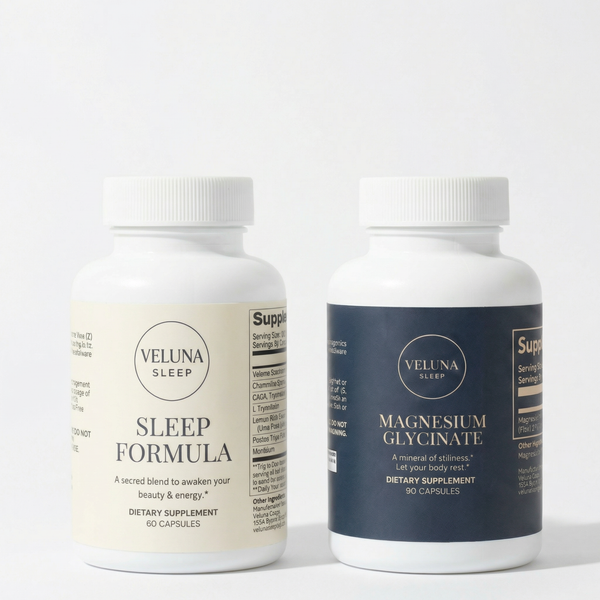
Magnesium is an essential mineral involved in hundreds of bodily functions, including muscle relaxation, nerve function, and the regulation of neurotransmitters that promote sleep. Many people are deficient in magnesium, which can contribute to sleep problems. Magnesium glycinate, in particular, is a highly bioavailable form of magnesium that is gentle on the stomach and less likely to cause digestive upset. You can find magnesium glycinate in supplements like Veluna Magnesium Glycinate.
While more research is needed to specifically investigate the effects of magnesium glycinate on sleep onset latency, studies suggest that magnesium supplementation can improve overall sleep quality by promoting relaxation and reducing anxiety. A review in Nutrition Reviews noted magnesium's potential to enhance sleep (Sutanto, 2022). By calming the nervous system and easing muscle tension, magnesium may indirectly help you fall asleep faster. A typical dose of magnesium glycinate ranges from 200 to 400 mg, taken before bed. However, it's always best to consult with a healthcare professional to determine the appropriate dosage for your individual needs.
Tryptophan: The Serotonin Precursor
Tryptophan is an essential amino acid that serves as a precursor to serotonin and melatonin, both of which are crucial for regulating sleep. Serotonin helps regulate mood and promotes relaxation, while melatonin signals to your body that it's time to sleep. By increasing the availability of tryptophan, you may indirectly support the production of these important neurotransmitters and hormones.
Research suggests that tryptophan supplementation can improve sleep quality and may help reduce the time it takes to fall asleep. A systematic review, meta-analysis, and meta-regression showed that tryptophan supplementation can impact sleep quality (Sutanto, 2022). However, it's important to note that the effects of tryptophan may be more pronounced when combined with other sleep-promoting strategies, such as maintaining a regular sleep schedule and creating a relaxing bedtime routine. A typical dose of tryptophan ranges from 500 mg to 1 gram, taken before bed. As always, consult with a healthcare professional before starting any new supplement regimen.
Take our 60-second quiz to discover the science-backed sleep solution matched to your unique needs.
Take the QuizAshwagandha: The Stress-Reducing Adaptogen
Ashwagandha is an adaptogenic herb that has been used for centuries in traditional Ayurvedic medicine to promote overall well-being and resilience to stress. Adaptogens help the body adapt to stressors, both physical and emotional, and can have a calming effect on the nervous system. By reducing stress and anxiety, ashwagandha may indirectly help you fall asleep faster.
Clinical evaluations have shown that ashwagandha root extract can have a pharmacological impact on sleep (Langade, 2021). A double-blind, randomized, placebo-controlled study in the Journal of Ethnopharmacology showed the effect of ashwagandha on sleep in healthy volunteers and insomnia patients (Langade, 2021). A typical dose of ashwagandha ranges from 300 to 500 mg, taken before bed. However, it's important to choose a high-quality ashwagandha extract from a reputable source and to consult with a healthcare professional before starting supplementation.
Other Strategies to Improve Sleep Onset
While supplements can be a helpful tool for reducing sleep onset latency, they are most effective when combined with other sleep-promoting strategies. Here are a few additional tips to help you fall asleep faster:
- Maintain a regular sleep schedule: Going to bed and waking up at the same time each day, even on weekends, can help regulate your body's natural sleep-wake cycle.
- Create a relaxing bedtime routine: Engage in calming activities before bed, such as taking a warm bath [5], reading a book, or listening to soothing music.
- Optimize your sleep environment: Make sure your bedroom is dark, quiet, and cool. Consider using blackout curtains, earplugs, or a white noise machine to minimize distractions.
- Limit screen time before bed: The blue light emitted from electronic devices can interfere with melatonin production and make it harder to fall asleep. Avoid using smartphones, tablets, and computers for at least an hour before bed.
- Avoid caffeine and alcohol before bed: Both caffeine and alcohol can disrupt sleep and make it harder to fall asleep. Avoid consuming these substances in the hours leading up to bedtime.
If you are a shift worker, you may have a difficult time with a consistent sleep schedule. Supplements can help, but it is important to find a schedule that works for you.
When to Seek Professional Help
If you're consistently struggling to fall asleep and it's impacting your daily life, it's important to seek professional help. Chronic insomnia can have a significant impact on your physical and mental health, and it may be a sign of an underlying medical condition. A healthcare professional can help you identify the root cause of your sleep problems and recommend appropriate treatment options. They may also refer you to a sleep specialist for further evaluation and management.
Remember, sleep is essential for overall health and well-being. If you're struggling to fall asleep, don't hesitate to seek help. There are many effective treatments available, and with the right support, you can improve your sleep and your quality of life.
The Bottom Line
Falling asleep faster is possible with the right strategies. Supplements like melatonin, magnesium, tryptophan, and ashwagandha can be valuable tools, especially when combined with healthy sleep habits. Remember to prioritize a regular sleep schedule, a relaxing bedtime routine, and an optimized sleep environment. Also, if you are considering taking sleep supplements long term, it is important to know what the science says.
Ultimately, the best approach to improving sleep onset latency is a holistic one that addresses both lifestyle factors and potential nutritional deficiencies. By understanding the science behind these supplements and implementing healthy sleep habits, you can take control of your sleep and wake up feeling refreshed and revitalized.
Ready to find the right sleep ritual for your needs? Take Veluna's free 60-second quiz to get a personalized recommendation.
References
- Yue JL, Chang XW, Zheng JW et al.. Efficacy and tolerability of pharmacological treatments for insomnia in adults: A systematic review and network meta-analysis. Sleep medicine reviews. 2023. PubMed
- Chambe J, Reynaud E, Maruani J et al.. Light therapy in insomnia disorder: A systematic review and meta-analysis. Journal of sleep research. 2023. PubMed
- Sutanto CN, Loh WW, Kim JE. The impact of tryptophan supplementation on sleep quality: a systematic review, meta-analysis, and meta-regression. Nutrition reviews. 2022. PubMed
- Choi K, Lee YJ, Park S et al.. Efficacy of melatonin for chronic insomnia: Systematic reviews and meta-analyses. Sleep medicine reviews. 2022. PubMed
- Haghayegh S, Khoshnevis S, Smolensky MH et al.. Before-bedtime passive body heating by warm shower or bath to improve sleep: A systematic review and meta-analysis. Sleep medicine reviews. 2019. PubMed
- Langade D, Thakare V, Kanchi S et al.. Clinical evaluation of the pharmacological impact of ashwagandha root extract on sleep in healthy volunteers and insomnia patients: A double-blind, randomized, parallel-group, placebo-controlled study. Journal of ethnopharmacology. 2021. PubMed
- de Souza ÂMN, Fernandes DPS, Castro IS et al.. Sleep quality and duration and frailty in older adults: a systematic review. Frontiers in public health. 2025. PubMed
Frequently Asked Questions
It typically takes between 10 to 20 minutes to fall asleep. If you consistently take longer than 30 minutes to fall asleep, it may be a sign of a sleep problem.
Many sleep supplements are generally considered safe for short-term use. However, it's important to choose high-quality products from reputable brands and to consult with a healthcare professional before starting any new supplement regimen, especially if you have underlying health conditions or are taking other medications.
While melatonin is generally considered safe for short-term use, the long-term effects of daily melatonin supplementation are not fully understood. It's best to use melatonin as needed for occasional sleep problems, such as jet lag or shift work, rather than taking it every night. If you find yourself needing melatonin regularly, it's important to address the underlying cause of your sleep problems.
The side effects of sleep supplements vary depending on the specific supplement. Some common side effects include drowsiness, dizziness, headache, and digestive upset. It's important to read the label carefully and to start with the lowest effective dose to minimize the risk of side effects.
There are many natural ways to improve your sleep, including maintaining a regular sleep schedule, creating a relaxing bedtime routine, optimizing your sleep environment, limiting screen time before bed, and avoiding caffeine and alcohol before bed. Regular exercise, a healthy diet, and stress management techniques can also promote better sleep.