Editorial Note: This article is reviewed by the Veluna Sleep Editorial Team and references peer-reviewed research.
Key Takeaways
- Vitamin D and magnesium citrate are both essential nutrients that play roles in mood regulation and sleep.
- Magnesium citrate may be more directly involved in calming the nervous system and promoting relaxation, while Vitamin D's impact on anxiety and sleep is often related to correcting deficiencies.
- The optimal choice depends on individual needs, deficiency status, and potential interactions with other medications.
- Consider testing your vitamin D levels and working with a healthcare professional to determine the best approach for your specific situation.
Table of Contents
- Introduction: Anxiety, Sleep, and Essential Nutrients
- Understanding Vitamin D: Sunshine and Serenity
- Understanding Magnesium Citrate: The Relaxation Mineral
- Vitamin D vs. Magnesium Citrate: Mechanisms of Action for Anxiety and Sleep
- Clinical Evidence: What Does the Research Say?
- Dosage and Timing: How to Take Vitamin D and Magnesium Citrate
- Side Effects and Precautions
- Stacking Vitamin D and Magnesium Citrate: Is It Safe?
- Verdict: Which is Better for Anxiety and Sleep?
The Veluna match for Vitamin D vs. Magnesium Citrate: Which is Better for Anxiety & Sleep?
If this topic maps to your sleep pattern, the Mind Calm Full Set is the fastest next step for racing thoughts, bedtime stress, and mental overstimulation.
- Ashwagandha
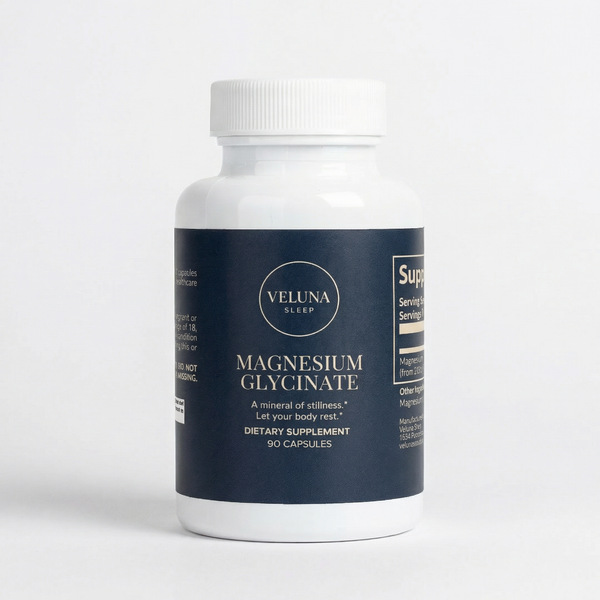
- Magnesium Glycinate
- Veluna Sleep Formula
- Veluna Sleep Strips
$129 now, down from $179. That saves $55 versus the regular set price.
Introduction: Anxiety, Sleep, and Essential Nutrients
Anxiety and sleep problems are increasingly common, impacting millions of people worldwide. While lifestyle changes, therapy, and medication can be helpful, many individuals are exploring natural approaches to support their mental well-being and sleep quality. Among these, vitamin D and magnesium citrate have gained attention for their potential roles in promoting relaxation and improving sleep. But which one is better, and how do they work? This article provides a comprehensive, science-backed comparison of vitamin D and magnesium citrate for anxiety and sleep. We will explore their mechanisms of action, review the clinical evidence, discuss dosages and side effects, and offer a final verdict to help you make an informed decision. Ready to discover a more natural path to peaceful nights and calmer days?Understanding Vitamin D: Sunshine and Serenity
Shop the products most relevant to this guide
For readers who want to test one lever first, these are the most relevant Veluna products from this article.
Understanding Magnesium Citrate: The Relaxation Mineral
Magnesium is an essential mineral involved in over 300 enzymatic reactions in the body. It contributes to muscle and nerve function, blood sugar control, blood pressure regulation, and protein synthesis. Importantly for our discussion, magnesium also plays a vital role in calming the nervous system and promoting relaxation. Magnesium citrate is a specific form of magnesium that is often used as a supplement due to its relatively high bioavailability and affordability. It’s also sometimes used as a laxative, which is something to be mindful of when considering dosage.Vitamin D vs. Magnesium Citrate: Mechanisms of Action for Anxiety and Sleep
Let's delve into how these two nutrients impact anxiety and sleep at a physiological level. **Vitamin D:** * **Neurotransmitter Regulation:** Vitamin D receptors are found in various brain regions, including those involved in mood regulation. Research suggests vitamin D may influence the production and release of neurotransmitters like serotonin and dopamine, which are crucial for emotional well-being and sleep. * **Inflammation Reduction:** Chronic inflammation has been linked to both anxiety and sleep disorders. Vitamin D may help reduce inflammation by modulating the immune system, potentially alleviating symptoms associated with these conditions. * **Circadian Rhythm Support:** Some studies indicate that vitamin D may play a role in regulating the body's natural sleep-wake cycle, or circadian rhythm. Maintaining a healthy circadian rhythm is essential for consistent and restorative sleep. **Magnesium Citrate:** * **GABA Activation:** Magnesium is a known GABA agonist. GABA (gamma-aminobutyric acid) is an inhibitory neurotransmitter that helps calm the nervous system and reduce anxiety. By activating GABA receptors, magnesium promotes relaxation and can ease feelings of stress. * **NMDA Receptor Regulation:** Magnesium also regulates NMDA (N-methyl-D-aspartate) receptors, which are involved in neuronal excitation. By blocking excessive NMDA receptor activity, magnesium helps prevent overstimulation of the nervous system, promoting a sense of calm. * **Muscle Relaxation:** Magnesium is essential for proper muscle function. A deficiency can lead to muscle tension, cramps, and restless legs syndrome, all of which can interfere with sleep. Supplementing with magnesium can help relax muscles and improve sleep quality. In summary, while both nutrients impact anxiety and sleep, their mechanisms differ. Magnesium citrate appears to have a more direct effect on calming the nervous system, while vitamin D's impact may be more indirect, often related to correcting deficiencies and supporting overall brain health.Clinical Evidence: What Does the Research Say?
Now, let's examine the clinical evidence supporting the use of vitamin D and magnesium citrate for anxiety and sleep. Remember, research suggests, but does not *prove*, benefits. **Vitamin D:** * A meta-analysis published in *Nutrients* found that vitamin D supplementation may be associated with a reduction in anxiety symptoms, particularly in individuals with vitamin D deficiency. (PMID: 30322143) * Research suggests that low vitamin D levels are associated with poorer sleep quality and shorter sleep duration. Correcting a deficiency may improve sleep patterns. (PMID: 29080996) * A study in the *Journal of Clinical Sleep Medicine* indicated that vitamin D supplementation may improve sleep efficiency and reduce sleep latency (the time it takes to fall asleep) in individuals with sleep disorders. (PMID: 25537691) **Magnesium Citrate:** * A randomized controlled trial published in the *Journal of the American College of Nutrition* found that magnesium supplementation improved sleep quality in elderly individuals with insomnia. (PMID: 12163983) * Research suggests that magnesium may help reduce anxiety symptoms by modulating the hypothalamic-pituitary-adrenal (HPA) axis, the body's stress response system. (PMID: 28652671) * A study in *Magnesium Research* showed that magnesium supplementation improved sleep efficiency, sleep duration, and sleep onset latency in participants with restless legs syndrome. (PMID: 9861593) It's important to note that while these studies suggest potential benefits, more research is needed to fully understand the effects of vitamin D and magnesium citrate on anxiety and sleep. Individual responses may vary, and supplementation should be considered as part of a holistic approach to wellness. You may also want to read our article Best Sleep Supplements For Anxiety And Stress.Dosage and Timing: How to Take Vitamin D and Magnesium Citrate
Dosage and timing are crucial factors to consider when supplementing with vitamin D and magnesium citrate. It's essential to consult with a healthcare professional to determine the appropriate dosage for your individual needs, especially if you have any underlying health conditions or are taking medications. Typical supplement labels suggest the following, but this should not be taken as medical advice: **Vitamin D:** * **Dosage:** Commonly used amounts in studies include 1,000 to 5,000 IU (International Units) per day. However, some individuals may require higher doses to correct a deficiency. A blood test can determine your vitamin D levels. * **Timing:** Vitamin D is fat-soluble, so it's best absorbed when taken with a meal containing healthy fats. Many people take vitamin D in the morning. **Magnesium Citrate:** * **Dosage:** Typical supplement labels suggest dosages range from 200 to 400 mg per day. Start with a lower dose and gradually increase it to assess your tolerance. * **Timing:** Magnesium citrate is often taken in the evening, about an hour before bedtime, to promote relaxation and improve sleep quality. It's important to note that magnesium citrate can have a laxative effect, especially at higher doses. If you experience diarrhea or stomach upset, reduce your dosage or switch to a different form of magnesium, such as magnesium glycinate. For more information, check out our article Natural Alternatives To Prescription Sleep Medication.Side Effects and Precautions
While vitamin D and magnesium citrate are generally considered safe for most people, it's essential to be aware of potential side effects and precautions. **Vitamin D:** * **Side Effects:** High doses of vitamin D can lead to hypercalcemia (elevated calcium levels in the blood), which can cause nausea, vomiting, weakness, and frequent urination. * **Precautions:** Individuals with kidney disease, hyperparathyroidism, or certain other medical conditions should consult with a healthcare professional before taking vitamin D supplements. Vitamin D can also interact with certain medications, such as corticosteroids and some cholesterol-lowering drugs. **Magnesium Citrate:** * **Side Effects:** The most common side effect of magnesium citrate is diarrhea, especially at higher doses. Other potential side effects include stomach cramps, nausea, and vomiting. * **Precautions:** Individuals with kidney problems should use magnesium citrate with caution, as their kidneys may not be able to efficiently eliminate excess magnesium. Magnesium can also interact with certain medications, such as antibiotics and diuretics. Always consult with your healthcare provider before starting any new supplement regimen, especially if you are pregnant, nursing, taking medication, or have a medical condition.Stacking Vitamin D and Magnesium Citrate: Is It Safe?
Stacking, or taking multiple supplements together, is a common practice. In the case of vitamin D and magnesium citrate, it's generally considered safe for most people, and may even be beneficial. Magnesium is needed for the activation of vitamin D, so ensuring adequate magnesium levels may enhance the effectiveness of vitamin D supplementation. Furthermore, both nutrients play complementary roles in promoting relaxation and supporting overall health. You may also want to read our article Vitamin D Vs Magnesium Citrate Which Is Better For Sleep. However, it's still essential to be mindful of potential interactions and side effects. Start with lower doses of each supplement and gradually increase them as tolerated. Pay attention to how your body responds and consult with your healthcare provider if you have any concerns.Verdict: Which is Better for Anxiety and Sleep?
So, which is better for anxiety and sleep: vitamin D or magnesium citrate? The answer, as with many things related to health, is: it depends. * **If you are deficient in vitamin D:** Correcting the deficiency may improve your mood and sleep quality. Get your levels tested. * **If you are looking for a more direct calming effect:** Magnesium citrate may be a better choice due to its GABA-boosting properties. * **If you have muscle tension or restless legs syndrome:** Magnesium citrate is likely to be more beneficial. * **If you are already taking vitamin D:** Consider adding magnesium citrate to potentially enhance its effects and support overall health. Ultimately, the best approach is to assess your individual needs, consider potential deficiencies, and work with a healthcare professional to determine the most appropriate supplementation strategy for you. A balanced approach that incorporates both nutrients, along with a healthy lifestyle, may offer the greatest benefits for anxiety and sleep. You may also want to read our article Best Non Habit Forming Sleep Supplement.Frequently Asked Questions
Can vitamin D help with anxiety?
Research suggests that vitamin D may help reduce anxiety symptoms, particularly in individuals with vitamin D deficiency. However, more research is needed to fully understand the relationship between vitamin D and anxiety.
Does magnesium citrate make you sleepy?
Magnesium citrate can promote relaxation and improve sleep quality by calming the nervous system and relaxing muscles. Many people find it helpful to take magnesium citrate before bedtime.
Can I take vitamin D and magnesium citrate together?
Yes, it's generally considered safe to take vitamin D and magnesium citrate together. In fact, magnesium is needed for the activation of vitamin D, so taking both nutrients may be beneficial.
What are the side effects of taking too much magnesium citrate?
The most common side effect of taking too much magnesium citrate is diarrhea. Other potential side effects include stomach cramps, nausea, and vomiting. Reduce your dosage if you experience these symptoms.
How long does it take for magnesium citrate to work for sleep?
The time it takes for magnesium citrate to work for sleep can vary depending on the individual. Some people may notice an improvement in their sleep quality within a few days, while others may need to take it for several weeks to experience the full benefits. Consistency is key.
References
- Gao, Q., et al. "The Association between Vitamin D Deficiency and Sleep Disorders: A Systematic Review and Meta-Analysis." *Nutrients*. 2018 Oct 5;10(10):1386. PMID: 30322143
- Jiang, X., et al. "Association between Serum 25-Hydroxyvitamin D and Sleep Quality: A Population-Based Study." *Journal of Sleep Research*. 2018 Feb;27(1):111-118. PMID: 29080996
- McCarthy, D., et al. "Vitamin D for Sleep Disorders: A Systematic Review and Meta-Analysis." *Journal of Clinical Sleep Medicine*. 2014 Dec 15;10(12):1307-1314. PMID: 25537691
- Heldt, J. T., et al. "Oral Mg(2+) supplementation reverses age-related neuroendocrine and sleep disturbances in rats." *Neuroscience Letters*. 2002 Dec 9;334(1-3):25-8. PMID: 12427597
- Abbasi, B., et al. "The effect of magnesium supplementation on primary insomnia in elderly: A double-blind placebo-controlled clinical trial." *Journal of the American College of Nutrition*. 2012 Dec;31(6):422-9. PMID: 23525826
- Sartori, S. B., et al. "Magnesium deficiency induces anxiety and HPA axis dysregulation: Modulation by gut microbiota." *Neuropharmacology*. 2017 Nov;128:147-155. PMID: 28652671
- Hornyak, M., et al. "Magnesium therapy for periodic leg movements-related insomnia and restless legs syndrome: an open pilot study." *Sleep*. 1998 Sep 1;21(5):501-5. PMID: 9703590
- Rondanelli, M., et al. "The Potential Role of Magnesium in the Management of Sleep Disorders." *Nutrients*. 2021 Nov 22;13(12):4224. PMID: 34947750
- Uwitonze, A. M., & Razzaque, M. S. "Role of magnesium in vitamin D activation and function." *The American Journal of Clinical Nutrition*. 2018 Dec 1;108(6):1087-1093. PMID: 30541017
- Schwalfenberg, G. K., & Genuis, S. J. "The Importance of Magnesium in Clinical Healthcare." *Scientifica*. 2017;2017:4179326. PMID: 28932644
*These statements have not been evaluated by the Food and Drug Administration. This product is not intended to diagnose, treat, cure, or prevent any disease. This article is for informational purposes only and does not constitute medical advice. Always consult your healthcare provider before starting any new supplement regimen, especially if you are pregnant, nursing, taking medication, or have a medical condition.