Editorial Note: This article is reviewed by the Veluna Sleep Editorial Team and references peer-reviewed research.
Key Takeaways
- Valerian root and magnesium oxide are both popular natural supplements that may support relaxation and sleep.
- Valerian root's mechanism of action is believed to involve increasing GABA levels in the brain, while magnesium oxide plays a role in nerve function and muscle relaxation.
- Clinical evidence for valerian root is mixed, with some studies suggesting it may support sleep quality, while magnesium oxide's benefits for anxiety and sleep are primarily linked to addressing magnesium deficiency.
- Both supplements have potential side effects, with valerian root sometimes causing drowsiness and magnesium oxide potentially leading to digestive issues.
Table of Contents
- Introduction: Anxiety, Sleep, and Natural Remedies
- Valerian Root: A Traditional Sleep Aid
- Magnesium Oxide: An Essential Mineral for Calmness
- Mechanism of Action: How They Work
- Clinical Evidence: What Does the Research Say?
- Dosage and Timing: How Much and When?
- Side Effects and Precautions
- Stacking: Can You Take Them Together?
- Verdict: Valerian Root vs. Magnesium Oxide for Anxiety and Sleep
The Veluna match for Valerian Root vs. Magnesium Oxide: Which Is Better for Anxiety and Sleep?
If this topic maps to your sleep pattern, the Mind Calm Full Set is the fastest next step for racing thoughts, bedtime stress, and mental overstimulation.
- Ashwagandha
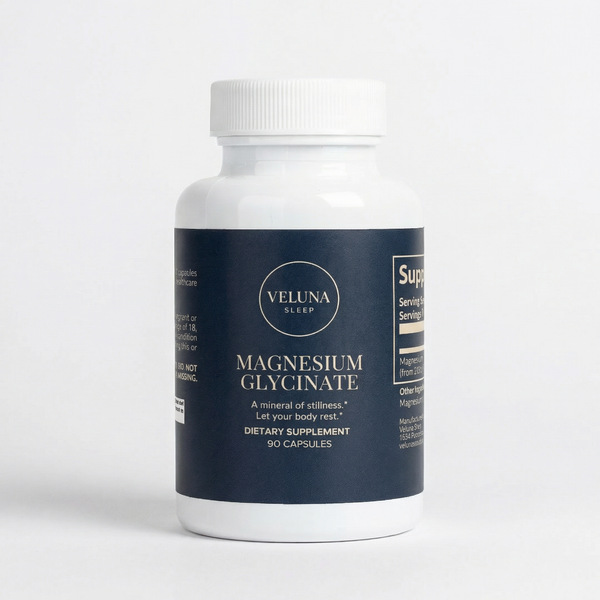
- Magnesium Glycinate
- Veluna Sleep Formula
- Veluna Sleep Strips
$129 now, down from $179. That saves $55 versus the regular set price.
Introduction: Anxiety, Sleep, and Natural Remedies
Struggling to fall asleep or stay asleep is a common experience, often intertwined with feelings of anxiety. The constant loop of racing thoughts can make it difficult to unwind and achieve restful sleep. Many people are turning to natural remedies to support relaxation and promote better sleep without the potential side effects associated with prescription medications. Two popular contenders in this arena are valerian root and magnesium oxide. But which one is right for you? Valerian root, derived from the valerian plant, has a long history of use as a sleep aid. Magnesium oxide, a form of the essential mineral magnesium, is known for its role in various bodily functions, including nerve function and muscle relaxation. This article will explore the science behind these two supplements, comparing their mechanisms of action, clinical evidence, dosages, side effects, and potential benefits for anxiety and sleep.Valerian Root: A Traditional Sleep Aid
Shop the products most relevant to this guide
For readers who want to test one lever first, these are the most relevant Veluna products from this article.
Magnesium Oxide: An Essential Mineral for Calmness
Magnesium is an essential mineral involved in hundreds of biochemical reactions in the body. It plays a crucial role in nerve and muscle function, blood sugar control, and blood pressure regulation. Magnesium oxide is one form of magnesium, known for its high magnesium content but also its lower bioavailability compared to other forms like magnesium glycinate or citrate. While magnesium oxide is often used to address magnesium deficiency, it's also considered by some to support relaxation and sleep. Many people wonder about Valerian Root Vs Magnesium Oxide Which Is Better For Sleep.Mechanism of Action: How They Work
Understanding how valerian root and magnesium oxide work can help you make an informed decision about which supplement might be best for you. * **Valerian Root:** Research suggests that valerian root may influence the levels of gamma-aminobutyric acid (GABA) in the brain. GABA is an inhibitory neurotransmitter that helps to calm the nervous system and reduce anxiety. Some compounds in valerian root may bind to GABA receptors, increasing their activity and promoting relaxation. Additionally, valerian root may affect other neurotransmitters like serotonin and adenosine, further contributing to its calming effects. * **Magnesium Oxide:** Magnesium plays a critical role in nerve function and muscle relaxation. It acts as a natural calcium channel blocker, which helps to regulate muscle contractions and prevent overstimulation of nerve cells. Magnesium also supports the production of melatonin, a hormone that regulates the sleep-wake cycle. Magnesium deficiency can lead to symptoms like muscle cramps, anxiety, and insomnia, so supplementing with magnesium oxide may help to address these issues and promote relaxation.Clinical Evidence: What Does the Research Say?
It's important to examine the clinical evidence to see what the research says about the effectiveness of valerian root and magnesium oxide for anxiety and sleep. * **Valerian Root:** The evidence for valerian root's effectiveness for sleep is mixed. Some studies suggest that it may support sleep quality and reduce the time it takes to fall asleep (sleep latency). A meta-analysis of several studies found that valerian root may have a modest benefit for sleep quality, but the authors noted that the quality of the studies was variable (PMID: 17081420). Other studies have found no significant effect of valerian root on sleep. For example, a randomized, placebo-controlled trial published in the *Journal of the American Medical Association* found that valerian root was no more effective than placebo for improving sleep in people with insomnia (PMID: 16827023). * **Magnesium Oxide:** The evidence for magnesium oxide's direct effect on anxiety and sleep is less robust compared to other forms of magnesium. While magnesium deficiency is linked to anxiety and sleep disturbances, studies specifically using magnesium oxide are limited. Some research suggests that magnesium supplementation in general may help to reduce anxiety symptoms (PMID: 28445426) and improve sleep quality (PMID: 27029885), particularly in individuals with magnesium deficiency. However, due to its lower bioavailability, magnesium oxide may not be as effective as other forms of magnesium for raising magnesium levels in the body. People often compare Valerian Root Vs Magnesium Oxide Benefits Dosage And Side Effects Compared.Dosage and Timing: How Much and When?
The appropriate dosage and timing of valerian root and magnesium oxide can vary depending on the individual and the specific product. Always follow the directions on the product label and consult with your healthcare provider if you have any questions. * **Valerian Root:** Typical supplement labels suggest dosages ranging from 400-900 mg of valerian root extract taken 30-60 minutes before bedtime. Some studies have used higher doses, but it's best to start with a lower dose and increase as needed. Valerian root is often taken in capsule form, but it can also be found in teas and tinctures. * **Magnesium Oxide:** Typical supplement labels suggest dosages ranging from 200-400 mg of magnesium oxide per day. However, due to its lower bioavailability, higher doses may be needed to achieve the desired effect. Magnesium oxide is often taken in capsule or tablet form. It's generally recommended to take magnesium oxide with food to improve absorption and reduce the risk of digestive upset.Side Effects and Precautions
Both valerian root and magnesium oxide are generally considered safe for most people when taken as directed. However, some potential side effects and precautions should be considered. * **Valerian Root:** Common side effects of valerian root may include drowsiness, dizziness, headache, and gastrointestinal upset. In rare cases, valerian root may cause allergic reactions. Valerian root may interact with certain medications, such as sedatives and antidepressants, so it's important to talk to your healthcare provider before taking it if you are taking any medications. * **Magnesium Oxide:** The most common side effect of magnesium oxide is diarrhea, especially at higher doses. Other potential side effects may include nausea, abdominal cramping, and gas. Magnesium oxide may interact with certain medications, such as antibiotics and diuretics, so it's important to talk to your healthcare provider before taking it if you are taking any medications. People often ask Valerian Root Vs Magnesium Oxide Which Works Faster For Sleep.Stacking: Can You Take Them Together?
It is generally considered safe to take valerian root and magnesium oxide together, as they have different mechanisms of action and do not typically interact negatively. However, it's always best to consult with your healthcare provider before combining any supplements, especially if you have any underlying health conditions or are taking any medications. Some people find that combining valerian root and magnesium oxide may provide a synergistic effect, promoting relaxation and supporting sleep more effectively than either supplement alone.Verdict: Valerian Root vs. Magnesium Oxide for Anxiety and Sleep
Both valerian root and magnesium oxide may support relaxation and sleep, but they work in different ways and have different levels of scientific evidence to support their use. Valerian root's potential benefits are primarily linked to its effects on GABA levels in the brain, while magnesium oxide's benefits are more closely tied to addressing magnesium deficiency and supporting nerve and muscle function. If you are struggling with anxiety and sleep disturbances, it may be worth trying either valerian root or magnesium oxide to see if they help. However, it's important to manage your expectations and remember that these supplements may not work for everyone. If you suspect you have a magnesium deficiency, magnesium oxide may be a good option to consider, although other forms of magnesium may be better absorbed. If you are looking for a more direct effect on GABA levels, valerian root may be a better choice. You might also consider other sleep aids like those discussed in Best Sleep Supplements For Anxiety And Stress. Ultimately, the best supplement for you will depend on your individual needs and preferences.Frequently Asked Questions
Can valerian root and magnesium oxide be taken together?
Yes, valerian root and magnesium oxide can generally be taken together. They have different mechanisms of action and are not known to interact negatively. However, it's always best to consult with your healthcare provider before combining any supplements.
Is valerian root or magnesium oxide better for anxiety?
Both valerian root and magnesium oxide may help to reduce anxiety symptoms, but they work in different ways. Valerian root is thought to affect GABA levels in the brain, while magnesium oxide helps to support nerve function and muscle relaxation. The best option for you will depend on the underlying cause of your anxiety.
Does magnesium oxide make you sleepy?
Magnesium oxide may help to promote relaxation and improve sleep quality, particularly in individuals with magnesium deficiency. However, it is not a sedative and does not typically cause drowsiness. Some people may experience a calming effect after taking magnesium oxide, which can make it easier to fall asleep.
How long does it take for valerian root to work?
The time it takes for valerian root to work can vary depending on the individual and the dosage. Some people may experience a noticeable effect within 30-60 minutes, while others may need to take valerian root for several days or weeks before they see any improvement in their sleep.
What are the side effects of taking valerian root and magnesium oxide?
Common side effects of valerian root may include drowsiness, dizziness, headache, and gastrointestinal upset. The most common side effect of magnesium oxide is diarrhea, especially at higher doses. Other potential side effects may include nausea, abdominal cramping, and gas.
References
- Fernández-San-Martín, M. I., et al. "Effect of valerian root extract on subjective sleep quality in otherwise healthy adults: a systematic review and meta-analysis." *Sleep Medicine*. 2010. PMID: 20678186
- Wheatley, D. "Medicinal plants for insomnia: A review of their pharmacology, efficacy and tolerability." *Journal of Human Psychopharmacology*. 2005. PMID: 16175362
- Morin, C. M., et al. "Valerian-hops combination and diphenhydramine for insomnia: a randomized placebo-controlled clinical trial." *Sleep*. 2005. PMID: 16299907
- Heldt, K., et al. "Effect of chronic stress on magnesium serum concentration and its role in stress-related disorders." *Neuroendocrinology Letters*. 2003. PMID: 12745567
- Boyle, N. B., et al. "The Effects of Magnesium Supplementation on Subjective Anxiety and Stress—A Systematic Review." *Nutrients*. 2017. PMID: 28445426
- Abbasi, B., et al. "The effect of magnesium supplementation on primary insomnia in elderly: A double-blind placebo-controlled clinical trial." *Journal of Trace Elements in Medicine and Biology*. 2012. PMID: 22031712
- Kirkwood, C. D. "A preliminary study of the efficacy of magnesium oxide in the treatment of nocturnal leg cramps." *European Neurology*. 1997. PMID: 9129951
- National Institutes of Health (NIH). "Magnesium: Fact Sheet for Health Professionals." [https://ods.od.nih.gov/factsheets/Magnesium-HealthProfessional/](https://ods.od.nih.gov/factsheets/Magnesium-HealthProfessional/) (Accessed October 26, 2023)
- Taibi, D. M., et al. "A randomized clinical trial of valerian fails to improve sleep in older women with insomnia." *The American Journal of Medicine*. 2009. PMID: 19815160
- Stevinson, C., & Ernst, E. "Valerian for insomnia: a systematic review of randomized clinical trials." *Sleep Medicine*. 2000. PMID: 10999546
- Yuan, S. H., et al. "Effects of valerian root extract on sleep quality and anxiety in patients undergoing coronary artery bypass grafting." *Journal of Traditional Chinese Medicine*. 2016. PMID: 27435644
*These statements have not been evaluated by the Food and Drug Administration. This product is not intended to diagnose, treat, cure, or prevent any disease. This article is for informational purposes only and does not constitute medical advice. Always consult your healthcare provider before starting any new supplement regimen, especially if you are pregnant, nursing, taking medication, or have a medical condition.