The journey from wakefulness to sleep is a delicate transition, and for many, this path is fraught with frustrating delays. Sleep onset latency (SOL) refers to the duration it takes to fall asleep once you've intentionally tried to do so. While a healthy SOL typically falls between 10 to 20 minutes, a consistently longer period can be a significant source of distress and a harbinger of underlying sleep disturbances. Understanding the multifaceted causes behind prolonged SOL is the crucial first step in reclaiming restful nights.
The modern lifestyle, with its pervasive stressors and constant digital engagement, often conspires to keep our minds and bodies in a state of hyperarousal, making it challenging to initiate sleep. Fortunately, a growing body of scientific research offers clear insights into these impediments and provides actionable, evidence-based strategies to shorten SOL and facilitate a more immediate descent into slumber. This article synthesizes current sleep science to offer a comprehensive guide to identifying the roots of your sleep onset latency issues and implementing effective, scientifically validated solutions.
Physiological and Psychological Barriers to Sleep Onset
The ability to fall asleep is a complex interplay of physiological and psychological states. When these systems are out of balance, sleep onset latency can extend considerably. A primary culprit is the activation of the sympathetic nervous system, often triggered by stress, anxiety, or even excitement. This "fight-or-flight" response releases hormones like cortisol and adrenaline, which elevate heart rate, increase alertness, and make the transition to a relaxed, sleep-ready state exceedingly difficult. This physiological arousal directly counteracts the body's natural inclination to wind down.
Psychological factors, particularly rumination and worry, are equally potent inhibitors of sleep onset. When the mind is preoccupied with unresolved issues, future concerns, or replaying past events, it remains in an active, cognitive state. This mental chatter prevents the quieting of neural pathways necessary for sleep initiation. Studies published in journals like Behavioral Sleep Medicine consistently highlight the strong correlation between anxious thought patterns and increased sleep onset latency, underscoring the importance of mental regulation in achieving prompt sleep.
The Role of Circadian Rhythm and Sleep Homeostasis
Our sleep-wake cycle is governed by two primary regulatory processes: the circadian rhythm and sleep homeostasis. The circadian rhythm, our internal biological clock, dictates periods of alertness and sleepiness over a 24-hour cycle, primarily influenced by light exposure. Disruptions to this rhythm, whether from irregular sleep schedules, shift work, or excessive exposure to artificial light at night, can lead to a mismatch between our internal clock and the external environment, making it harder to fall asleep at the desired time. A misaligned circadian rhythm can result in a feeling of being "wide awake" when you wish to be asleep.
Sleep homeostasis, on the other hand, is the process that builds up the "sleep drive" the longer we are awake. This drive is thought to be related to the accumulation of sleep-promoting substances in the brain. When sleep homeostasis is disrupted, for instance, by daytime napping or inconsistent wake times, the accumulated sleep pressure may not be sufficient to initiate sleep promptly. A healthy balance between these two systems is essential for efficient sleep onset. Research from institutions like the National Sleep Foundation emphasizes the critical role of consistent sleep-wake timing in maintaining robust circadian alignment and adequate sleep drive.
Environmental Factors and Sleep Onset Latency
The sleep environment plays a critical, often underestimated, role in facilitating or hindering sleep onset. Key environmental factors include light, noise, and temperature. Exposure to light, particularly blue light emitted from electronic devices, suppresses melatonin production, a hormone crucial for signaling sleep. Even dim light can interfere with the natural descent into sleep. Therefore, creating a dark sleep sanctuary is paramount for reducing sleep onset latency.
Auditory stimuli can also be a significant disruptor. Unexpected noises or constant low-level sounds can prevent the brain from entering the relaxed state required for sleep. Similarly, an uncomfortable bedroom temperature can impede sleep onset. Research in journals such as Sleep Medicine Reviews has consistently demonstrated that cooler ambient temperatures (typically between 60-67°F or 15-19°C) are optimal for promoting sleep initiation and maintenance. Ensuring your bedroom is dark, quiet, and cool can significantly improve your ability to fall asleep quickly.
Lifestyle Choices Impacting Sleep Onset
Daily lifestyle choices have a profound impact on our capacity to fall asleep. Dietary habits, particularly the consumption of stimulants like caffeine and the intake of alcohol close to bedtime, can significantly prolong sleep onset latency. Caffeine is a well-known stimulant that blocks adenosine receptors in the brain, promoting wakefulness. Alcohol, while it may initially induce drowsiness, disrupts sleep architecture later in the night and can lead to more fragmented sleep and increased wakefulness during the latter half of the sleep period.
The timing and intensity of physical activity also influence sleep onset. While regular exercise is generally beneficial for sleep, exercising too close to bedtime (within 2-3 hours) can elevate core body temperature and increase arousal levels, making it harder to fall asleep. A 2018 study in the Journal of Sleep Research indicated that moderate-intensity exercise performed 4-8 hours before bedtime was associated with reduced sleep onset latency and improved sleep quality, suggesting that strategic timing of physical activity is key.
Specific Fixes for Faster Sleep Onset
Addressing prolonged sleep onset latency requires a multi-pronged approach, focusing on both behavioral adjustments and environmental optimizations. One of the most effective strategies is the implementation of a consistent pre-sleep routine. This routine acts as a signal to the body and mind that it is time to wind down. Activities such as reading a physical book, taking a warm bath, gentle stretching, or listening to calming music can help shift the body from a state of arousal to one of relaxation. The gradual reduction in sensory input and the promotion of a tranquil mental state are crucial for preparing the brain for sleep.
For individuals whose sleep onset latency is exacerbated by racing thoughts or anxiety, cognitive and mindfulness-based techniques can be highly beneficial. Techniques such as progressive muscle relaxation, guided imagery, and deep breathing exercises, such as the 4-7-8 method (inhale for 4 counts, hold for 7, exhale for 8), have been shown to reduce physiological arousal and quiet the mind. A 2020 review in the Journal of Clinical Sleep Medicine highlighted the efficacy of Cognitive Behavioral Therapy for Insomnia (CBT-I) components, including stimulus control and sleep restriction, in reducing sleep onset latency and improving overall sleep efficiency.
The Power of Sleep Hygiene: Creating the Optimal Sleep Environment
Establishing robust sleep hygiene practices is foundational to improving sleep onset latency. This encompasses a range of behaviors and environmental conditions conducive to sleep. A consistent sleep schedule, even on weekends, helps to regulate the body's internal clock, reinforcing the natural circadian rhythm. This regularity ensures that the body anticipates sleep at a predictable time, making it easier to transition into slumber.
Beyond schedule, optimizing the bedroom environment is critical. This includes ensuring the room is dark, quiet, and cool. Blackout curtains, earplugs, or a white noise machine can mitigate external disturbances. The temperature should be maintained at a level that promotes sleep, typically cooler than daytime comfort. Additionally, the bed should be used primarily for sleep and intimacy, avoiding work or prolonged screen time in bed, thereby strengthening the association between the bedroom and sleep, a principle central to stimulus control therapy as outlined by the American Academy of Sleep Medicine (AASM) guidelines.
Nutritional Considerations for Sleep Onset
Dietary choices can significantly influence sleep onset latency. Certain nutrients play a direct role in sleep regulation. For instance, tryptophan, an amino acid found in foods like turkey, dairy, nuts, and seeds, is a precursor to serotonin and melatonin, both of which are vital for sleep. Ensuring adequate dietary intake of tryptophan can support the body's natural sleep-promoting pathways. While direct supplementation with tryptophan can be effective, as suggested by research in journals like Nutrients, a balanced diet rich in these foods is the primary recommendation.
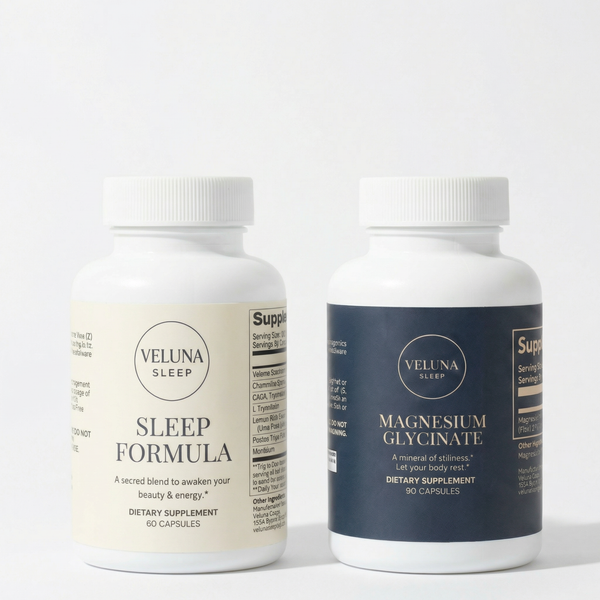
Other dietary considerations include the timing of meals and the avoidance of substances that disrupt sleep. Consuming heavy meals close to bedtime can lead to digestive discomfort, interfering with sleep. As previously mentioned, caffeine and alcohol should be avoided in the hours leading up to sleep. Magnesium, particularly in the form of magnesium glycinate, has also been explored for its potential to promote relaxation and improve sleep quality by influencing neurotransmitters involved in sleep regulation. Studies have indicated that magnesium supplementation may help reduce sleep onset latency in individuals with insomnia.
Addressing Overthinking and Racing Thoughts
One of the most common reasons people struggle to fall asleep is an overactive mind filled with worries or incessant thoughts. This cognitive hyperarousal directly prevents the relaxation necessary for sleep onset. Techniques aimed at disengaging from these thought patterns are therefore critical. Keeping a "worry journal" to jot down concerns before bed can help externalize them, reducing their tendency to surface when trying to sleep. This act of writing can provide a sense of closure and reduce the mental burden.
Mindfulness and meditation practices are powerful tools for managing racing thoughts. By focusing on the present moment, such as the sensation of breathing or bodily awareness, individuals can learn to observe their thoughts without judgment or engagement. This detachment can prevent the escalation of worries into a full-blown anxiety spiral. A meta-analysis published in JAMA Internal Medicine found that mindfulness meditation programs improved sleep quality and reduced insomnia symptoms, including difficulties with sleep onset, by fostering a more calm and accepting mental state.
When to Seek Professional Help
While lifestyle adjustments and self-help strategies can address many common causes of prolonged sleep onset latency, there are instances when professional medical advice is necessary. If you consistently take longer than 30 minutes to fall asleep, experience significant daytime sleepiness, or if your sleep difficulties are impacting your mood, concentration, or overall functioning, it is advisable to consult a healthcare professional. These symptoms could indicate an underlying sleep disorder such as insomnia, restless legs syndrome, or sleep apnea, which require diagnosis and specific treatment plans.
A physician or a sleep specialist can conduct a thorough evaluation, which may include a sleep diary, a physical examination, and potentially a polysomnography (sleep study). Early identification and management of sleep disorders are crucial for preventing long-term health consequences and improving quality of life. The American Academy of Sleep Medicine (AASM) emphasizes that persistent sleep problems should be evaluated to ensure appropriate care and to rule out more serious conditions, as a healthy sleep onset latency is a cornerstone of overall well-being.
Frequently Asked Questions
What is considered a normal sleep onset latency?
A normal sleep onset latency is generally considered to be between 10 to 20 minutes. Falling asleep significantly faster, for example, in 2 minutes or less, might indicate excessive daytime sleepiness or sleep deprivation, according to some sleep science metrics. Consistently taking longer than 30 minutes to fall asleep may suggest a sleep issue like insomnia.
How can I fall asleep faster without overthinking?
To fall asleep faster without overthinking, focus on pre-sleep relaxation techniques that redirect your attention away from anxious thoughts. This includes engaging in a calming routine like reading a physical book, listening to quiet music, or practicing deep breathing exercises such as the 4-7-8 method. Mindfulness meditation can also help you observe thoughts without getting caught up in them.
Is it possible to fall asleep in 2 minutes?
While some individuals may naturally fall asleep very quickly, consistently falling asleep in 2 minutes or less can be an indicator of significant sleep deprivation or an underlying sleep disorder, such as narcolepsy. For most healthy adults, a sleep onset latency of 10-20 minutes is considered optimal. Trying to force sleep in such a short timeframe can sometimes increase anxiety.
How can I fall asleep fast when I can't?
When you can't fall asleep, it's often counterproductive to stay in bed tossing and turning. Get out of bed after about 20 minutes of wakefulness and engage in a quiet, relaxing activity in dim light, such as reading. Return to bed only when you feel sleepy. This strategy, known as stimulus control, helps re-associate your bed with sleep and reduces frustration.
What are some science-backed fixes for stress-related sleep onset latency?
For stress-related sleep onset latency, focus on stress-reduction techniques before bed. This includes progressive muscle relaxation, guided imagery, or journaling to offload worries. Maintaining a consistent sleep schedule, ensuring a dark and quiet sleep environment, and limiting caffeine and alcohol intake are also crucial. Cognitive Behavioral Therapy for Insomnia (CBT-I) is a highly effective treatment for stress-induced sleep difficulties.
Are there specific tips for children to fall asleep faster?
For children, establishing a consistent, calming bedtime routine is paramount. This routine should include predictable steps like a warm bath, reading a story, and quiet conversation. Ensuring a dark, quiet, and cool bedroom environment is also important. Limiting screen time before bed and avoiding sugary snacks or caffeine later in the day can significantly help children fall asleep faster.
If you're struggling with sleep onset latency and seeking effective solutions, consider exploring Veluna's Sleep Formula, designed to support restful sleep, and Magnesium Glycinate, known for its calming properties. For a comprehensive approach to improving your sleep, visit our sleep hygiene hub for a wealth of actionable advice.
Recommended Veluna products for this topic:
- Veluna Sleep Strips — fast-dissolve melatonin strips.