Key Takeaways
✓ L-theanine promotes relaxation without direct sedation and may be better for daytime anxiety related to poor sleep.
✓ Melatonin helps regulate your sleep-wake cycle and may be more effective for jet lag or shift work.
✓ Both melatonin and L-theanine are generally safe, but it's essential to consider potential side effects and interactions before use.
Melatonin and L-Theanine: Finding Your Best Sleep Solution
Struggling to get a good night's sleep? You're likely exploring natural sleep aids, and two popular options are melatonin and L-theanine. Both are widely available and generally well-tolerated, but they work differently and may be better suited for different sleep issues. Understanding the nuances of L-theanine versus melatonin can help you choose the right supplement for your needs. This article will compare their mechanisms, benefits, dosages, and potential side effects to help you make an informed decision.
Many people experience occasional sleep disturbances due to stress, an irregular schedule, or other lifestyle factors. While prescription sleep medications are available, they often come with unwanted side effects. Melatonin and L-theanine offer natural alternatives that can promote relaxation and improve sleep quality. By understanding the science behind each supplement, you can determine which one is most likely to help you achieve restful sleep.
Whether you're dealing with jet lag, anxiety-related insomnia, or simply want to optimize your sleep routine, this guide will provide you with the information you need to make the right choice between melatonin and L-theanine. We'll also cover important considerations such as dosage, timing, and potential interactions to ensure safe and effective use.
Head-to-Head Comparison: L-Theanine vs. Melatonin
Before diving into the details of each supplement, here's a quick comparison table to highlight the key differences between L-theanine and melatonin:
| Factor | L-Theanine | Melatonin |
|---|---|---|
| Mechanism | Promotes relaxation and reduces anxiety without direct sedation. | Regulates the sleep-wake cycle and promotes sleepiness. |
| Best fit | Anxiety-related insomnia, daytime stress, improving sleep quality. | Jet lag, shift work, delayed sleep phase syndrome. |
| Typical dosage | 100-400 mg, taken 30-60 minutes before bed. | 0.3-5 mg, taken 30-60 minutes before bed. |
| Main caution | Generally safe, but may cause mild stomach upset in some individuals. | May cause drowsiness, headaches, or dizziness in some individuals. Can interact with certain medications. |
What is L-Theanine?
L-theanine is an amino acid primarily found in tea leaves, especially green tea. It's known for its ability to promote relaxation and reduce anxiety without causing drowsiness. This makes it a popular choice for those seeking a natural way to calm their mind and improve sleep quality. L-theanine works by influencing several neurotransmitters in the brain, including GABA, serotonin, and dopamine.
Unlike some sleep aids that directly sedate you, L-theanine works more subtly by modulating brain activity. It increases alpha brain waves, which are associated with a relaxed and focused state of mind. At the same time, it can reduce beta brain waves, which are linked to anxiety and restlessness. This combination of effects can help you feel more calm and centered, making it easier to fall asleep and stay asleep [1].
Research shows that L-theanine can improve sleep quality, reduce stress, and enhance cognitive function. A systematic review and meta-analysis of randomized controlled trials showed that L-theanine consumption can improve sleep outcomes [3]. Another study found that a combination of L-theanine and walnut peptide improved sleep disorders [2]. These findings suggest that L-theanine may be a valuable tool for promoting relaxation and better sleep.
Benefits of L-Theanine for Sleep
L-theanine offers several potential benefits for sleep, including:
- Reduced anxiety: L-theanine can help reduce anxiety and stress, which are common causes of insomnia.
- Improved sleep quality: By promoting relaxation, L-theanine can help you fall asleep faster and sleep more soundly.
- Enhanced cognitive function: L-theanine can improve focus and concentration, which can be beneficial for daytime productivity.
- No sedation: Unlike some sleep aids, L-theanine doesn't cause drowsiness, so you can take it without worrying about feeling groggy the next day.
One of the key advantages of L-theanine is its ability to promote relaxation without sedation. This means you can take it during the day to manage stress and anxiety without feeling tired or sluggish. This can be particularly helpful if your sleep problems are related to daytime stress or worry. Some people also find that L-theanine helps them focus better, making it a useful tool for improving productivity and cognitive function.
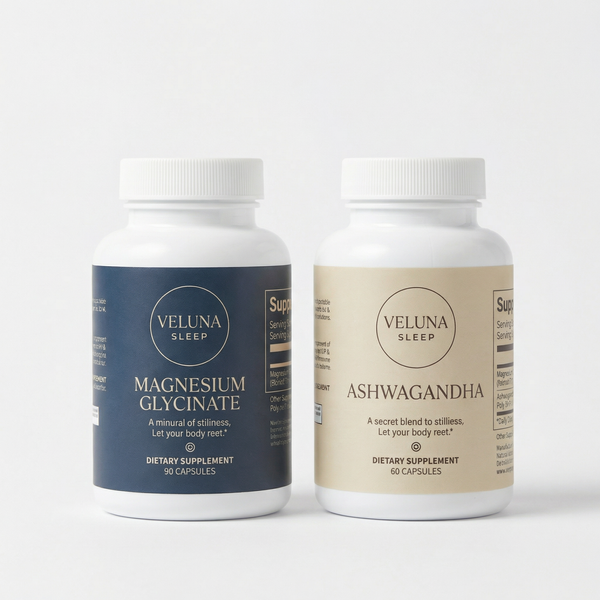
If you're considering L-theanine for sleep, it's important to choose a high-quality supplement and follow the recommended dosage guidelines. Look for products that have been third-party tested for purity and potency. You can also find L-theanine in tea, but the concentration may vary depending on the type of tea and brewing method. For more consistent results, a supplement may be a better option. You can also consider supplements like Veluna Ashwagandha which can also help promote relaxation.
Dosage and Timing for L-Theanine
The typical dosage of L-theanine for sleep is between 100 and 400 mg, taken 30 to 60 minutes before bedtime. However, it's always best to start with a lower dose and gradually increase it as needed. Some people may find that a lower dose is sufficient to promote relaxation and improve sleep quality, while others may need a higher dose to experience the full benefits. It's also important to note that individual responses to L-theanine can vary, so it may take some experimentation to find the right dosage for you.
When taking L-theanine, it's important to be consistent with the timing. Taking it at the same time each night can help regulate your body's natural sleep-wake cycle and improve its effectiveness over time. You can also take L-theanine during the day to manage stress and anxiety, but be sure to adjust the dosage accordingly. A lower dose may be sufficient for daytime use, as you're not trying to induce sleep.
While L-theanine is generally considered safe, it's always a good idea to talk to your doctor before taking it, especially if you have any underlying health conditions or are taking any medications. Although rare, some people may experience mild side effects such as stomach upset or headache. If you experience any adverse effects, stop taking L-theanine and consult with your doctor.
What is Melatonin?
Melatonin is a hormone naturally produced by the pineal gland in your brain. Its primary role is to regulate your sleep-wake cycle, also known as your circadian rhythm. Melatonin production increases in the evening as it gets dark, signaling to your body that it's time to sleep. Conversely, melatonin production decreases in the morning as it gets light, helping you wake up and feel alert [8, 10].
Melatonin supplements are often used to help people who have difficulty falling asleep or staying asleep. They can be particularly helpful for those with jet lag, shift work sleep disorder, or delayed sleep phase syndrome. Melatonin supplements work by increasing the level of melatonin in your body, which can help you feel sleepy and regulate your sleep-wake cycle. Unlike L-theanine, melatonin has a more direct effect on sleepiness. Melatonin receptors play a key role in promoting sleep [8].
Research shows that melatonin can be effective in improving sleep quality and reducing sleep latency — the time it takes to fall asleep. It can also help regulate your circadian rhythm, making it easier to adjust to new time zones or work schedules. However, it's important to note that melatonin is not a sedative, and it may not be effective for everyone. Some people may find that it helps them fall asleep faster, while others may not notice a significant difference.
Benefits of Melatonin for Sleep
Melatonin offers several potential benefits for sleep, including:
- Reduced sleep latency: Melatonin can help you fall asleep faster by increasing sleepiness.
- Regulated sleep-wake cycle: Melatonin can help regulate your circadian rhythm, making it easier to adjust to new time zones or work schedules.
- Improved sleep quality: By promoting sleepiness and regulating your sleep-wake cycle, melatonin can help you sleep more soundly.
- Potential antioxidant effects: Melatonin has antioxidant properties, which may offer additional health benefits.
One of the key advantages of melatonin is its ability to regulate your sleep-wake cycle. This can be particularly helpful if you have difficulty adjusting to new time zones or work schedules. For example, if you're traveling to a different time zone, taking melatonin a few days before your trip and during your trip can help you adjust to the new time zone and reduce jet lag. Similarly, if you work shifts, taking melatonin can help you regulate your sleep-wake cycle and improve your sleep quality.
If you're considering melatonin for sleep, it's important to choose a high-quality supplement and follow the recommended dosage guidelines. Look for products that have been third-party tested for purity and potency. It's also important to be aware of the potential side effects of melatonin, such as drowsiness, headache, and dizziness. These side effects are generally mild and temporary, but they can be bothersome for some people. Some research even suggests that melatonin and L-theanine can improve sleep in cancer patients suffering from insomnia [4].
Dosage and Timing for Melatonin
The typical dosage of melatonin for sleep is between 0.3 and 5 mg, taken 30 to 60 minutes before bedtime. However, it's always best to start with a lower dose and gradually increase it as needed. Some people may find that a lower dose is sufficient to promote sleepiness and improve sleep quality, while others may need a higher dose to experience the full benefits. It's also important to note that individual responses to melatonin can vary, so it may take some experimentation to find the right dosage for you.
When taking melatonin, it's important to be consistent with the timing. Taking it at the same time each night can help regulate your body's natural sleep-wake cycle and improve its effectiveness over time. It's also important to avoid taking melatonin during the day, as this can disrupt your circadian rhythm and make it harder to fall asleep at night.
While melatonin is generally considered safe for short-term use, it's important to talk to your doctor before taking it, especially if you have any underlying health conditions or are taking any medications. Melatonin can interact with certain medications, such as blood thinners and antidepressants. It's also important to be aware that melatonin is not regulated by the FDA, so the quality and purity of supplements can vary. Look for products that have been third-party tested to ensure that they contain the amount of melatonin listed on the label.
Take our 60-second quiz to discover the science-backed sleep solution matched to your unique needs.
Take the QuizMelatonin vs. L-Theanine: Which Is Right for You?
Choosing between melatonin and L-theanine depends on your specific sleep issues and preferences. If you're struggling with jet lag, shift work sleep disorder, or delayed sleep phase syndrome, melatonin may be the better choice. It can help regulate your sleep-wake cycle and promote sleepiness, making it easier to adjust to new time zones or work schedules. On the other hand, if you're dealing with anxiety-related insomnia or daytime stress, L-theanine may be more effective. It can help reduce anxiety and promote relaxation without causing drowsiness.
It's also important to consider your individual response to each supplement. Some people may find that melatonin works better for them, while others may prefer L-theanine. It may take some experimentation to find the right supplement for you. You may want to try each supplement separately to see how it affects your sleep. You could also consider a combination product that contains both melatonin and L-theanine. Some studies suggest that combining L-theanine with other compounds can improve sleep [2].
Ultimately, the best way to determine which supplement is right for you is to talk to your doctor. They can help you assess your sleep issues and recommend the most appropriate treatment plan. They can also advise you on the proper dosage and timing for each supplement, as well as any potential interactions with other medications you may be taking.
When to Seek Professional Help
While melatonin and L-theanine can be helpful for occasional sleep problems, it's important to seek professional help if you're experiencing chronic insomnia or other sleep disorders. Chronic insomnia can have a significant impact on your physical and mental health, and it may be a symptom of an underlying medical condition. A healthcare professional can help you identify the cause of your sleep problems and recommend the most appropriate treatment plan. They may also recommend other therapies, such as cognitive behavioral therapy for insomnia (CBT-I), which is a type of therapy that helps you change your thoughts and behaviors around sleep.
It's also important to seek professional help if you're experiencing any of the following symptoms:
- Difficulty falling asleep or staying asleep for more than three months
- Daytime fatigue or sleepiness that interferes with your daily activities
- Difficulty concentrating or remembering things
- Irritability, anxiety, or depression
- Headaches or other physical symptoms
These symptoms may indicate a more serious sleep disorder, such as sleep apnea, restless legs syndrome, or narcolepsy. A healthcare professional can help you diagnose these conditions and recommend the most appropriate treatment plan. Don't hesitate to seek professional help if you're concerned about your sleep. Getting the right treatment can significantly improve your quality of life.
The Bottom Line
Both melatonin and L-theanine are natural supplements that can help improve sleep quality and reduce anxiety. Melatonin is best for regulating your sleep-wake cycle and promoting sleepiness, while L-theanine is more effective for reducing anxiety and promoting relaxation without causing drowsiness. The choice between the two depends on your specific sleep issues and preferences. While generally safe, it’s important to consult with a healthcare professional before starting any new supplement, especially if you have underlying health conditions or are taking other medications.
Ultimately, addressing sleep problems often requires a multifaceted approach. This might include optimizing your sleep environment, practicing good sleep hygiene, managing stress, and considering supplements like melatonin or L-theanine as part of a broader strategy. For example, practicing good sleep hygiene, such as maintaining a consistent sleep schedule, creating a relaxing bedtime routine, and avoiding caffeine and alcohol before bed, can significantly improve your sleep quality. You might also consider exploring other natural alternatives to prescription sleep medication.
Ready to find the right sleep ritual for your needs? Take Veluna's free 60-second quiz to get a personalized recommendation.
References
- Payne ER, Aceves-Martins M, Dubost J et al.. Effects of Tea (Camellia sinensis) or its Bioactive Compounds l-Theanine or l-Theanine plus Caffeine on Cognition, Sleep, and Mood in Healthy Participants: A Systematic Review and Meta-Analysis of Randomized Controlled Trials. Nutrition reviews. 2025. PubMed
- Gong J, Jia X, Wang L et al.. Walnut peptide and theanine combination ameliorates sleep disorders: a multi-species study including a human trial. Food & function. 2026. PubMed
- Bulman A, D'Cunha NM, Marx W et al.. The effects of L-theanine consumption on sleep outcomes: A systematic review and meta-analysis. Sleep medicine reviews. 2025. PubMed
- Kurdi MS, As A, Ladhad DA et al.. Comparison Between Efficacy of Oral Melatonin and Oral L-theanine in Improving Sleep in Cancer Patients Suffering From Insomnia: A Randomised Double-blinded Placebo-controlled Study. Indian journal of palliative care. 2024. PubMed
- Anand S, Tong H, Besag FMC et al.. Safety, Tolerability and Efficacy of Drugs for Treating Behavioural Insomnia in Children with Attention-Deficit/Hyperactivity Disorder: A Systematic Review with Methodological Quality Assessment. Paediatric drugs. 2017. PubMed
- Esquivel MK, Ghosn B. Current Evidence on Common Dietary Supplements for Sleep Quality. American journal of lifestyle medicine. 2024. PubMed
- Comai S, Gobbi G. Melatonin, Melatonin Receptors and Sleep: Moving Beyond Traditional Views. Journal of pineal research. 2024. PubMed
- Zisapel N. New perspectives on the role of melatonin in human sleep, circadian rhythms and their regulation. British journal of pharmacology. 2018. PubMed
Frequently Asked Questions
Yes, you can take melatonin and L-theanine together. Some people find that combining the two can be more effective than taking them separately. However, it's important to start with a lower dose of each supplement and gradually increase it as needed.
Both melatonin and L-theanine are generally well-tolerated, but some people may experience mild side effects. Melatonin side effects can include drowsiness, headache, and dizziness. L-theanine side effects can include stomach upset or headache. If you experience any adverse effects, stop taking the supplement and consult with your doctor.
While melatonin is sometimes used to treat insomnia in children with ADHD [5, 6], it's important to talk to your pediatrician before giving melatonin or L-theanine to your child. They can help you assess your child's sleep issues and recommend the most appropriate treatment plan. The safety and efficacy of these supplements in children have not been extensively studied.
Melatonin and L-theanine typically start working within 30 to 60 minutes of taking them. However, it may take a few days or weeks of consistent use to experience the full benefits. It's important to be patient and consistent with your supplement routine.
L-theanine is primarily found in tea leaves, especially green tea. Melatonin is found in small amounts in some foods, such as tart cherries, walnuts, and milk. However, the concentration of melatonin in these foods is generally too low to have a significant effect on sleep.