Key Takeaways
✓ Melatonin and GABA are both naturally occurring compounds that play a role in promoting relaxation and sleep.
✓ While generally considered safe, combining melatonin and GABA may amplify their effects, potentially leading to excessive drowsiness.
✓ Individual responses to melatonin and GABA can vary, so it's important to start with low doses and monitor your body's reaction.
Understanding Melatonin and GABA
If you're exploring natural sleep aids, you've likely come across melatonin and GABA. Both are naturally produced in your body and play important roles in sleep regulation. But what exactly do they do, and is it safe to take melatonin and GABA together? This article will explore the science behind these two compounds, their individual effects on sleep, and the potential benefits and risks of combining them.
Melatonin is a hormone produced by the pineal gland that helps regulate your sleep-wake cycle, also known as your circadian rhythm (Cruz-Sanabria, 2023). Its production increases in the evening, signaling to your body that it's time to sleep [7]. Factors like blue light exposure can suppress melatonin production, disrupting your natural sleep patterns. Supplementing with melatonin can help realign your sleep cycle, especially when dealing with jet lag or shift work [4, 10].
GABA (gamma-aminobutyric acid) is a neurotransmitter that inhibits nerve impulses in the brain. It's like the brain's natural calming agent, helping to reduce anxiety, stress, and promote relaxation. GABA works by binding to GABA receptors in the brain, which decreases neuronal excitability and promotes a sense of calm. Some people use GABA supplements to help with anxiety and sleep. For a deeper dive, read our article on GABA supplements for sleep.
How Melatonin and GABA Work Individually for Sleep
Melatonin and GABA affect sleep through different mechanisms. Melatonin primarily regulates the timing of sleep, while GABA promotes relaxation and reduces anxiety that can interfere with sleep.
Melatonin's main role is to signal the onset of sleep. As darkness falls, your pineal gland starts producing melatonin, which prepares your body for rest [7]. This includes lowering your body temperature and decreasing alertness. Supplementing with melatonin can be particularly helpful if you have delayed sleep phase syndrome or struggle with falling asleep at a consistent time (Moon, 2022). Studies show that melatonin can improve sleep onset latency — the time it takes to fall asleep — and overall sleep quality [9].
Research discussed here relates to individual ingredients and does not establish that the finished Veluna product has been clinically studied or will produce the same results.
GABA, on the other hand, works by calming the central nervous system. By inhibiting neuronal activity, GABA helps to reduce feelings of stress and anxiety that can keep you awake at night. It essentially slows down brain activity, making it easier to relax and fall asleep. Some research suggests that GABA may also improve sleep duration and reduce nighttime awakenings, although more studies are needed to confirm these effects.
Potential Benefits of Combining Melatonin and GABA
The idea behind combining melatonin and GABA is that they might work synergistically to promote sleep. Melatonin sets the stage for sleep by regulating your circadian rhythm, while GABA helps to calm your mind and body. Together, they could potentially offer a more comprehensive approach to improving sleep quality.
Some potential benefits of combining melatonin and GABA include:
- Improved Sleep Onset: Melatonin helps signal the body that it's time to sleep, while GABA reduces mental overactivity that can delay sleep onset.
- Enhanced Sleep Quality: By promoting relaxation and reducing anxiety, GABA may contribute to deeper, more restful sleep. Melatonin also supports overall sleep architecture [3].
- Reduced Nighttime Awakenings: GABA's calming effects may help to prevent or reduce nighttime awakenings caused by stress or anxiety.
However, it's important to note that research on the combined effects of melatonin and GABA is limited. Most of the potential benefits are based on the known effects of each compound individually. Always consult with a healthcare professional before combining any supplements, especially if you have underlying health conditions or are taking other medications.
| Factor | Melatonin | Gaba |
|---|---|---|
| Mechanism | Regulates sleep-wake cycle | Inhibits neuronal activity, promotes relaxation |
| Best fit | Delayed sleep phase, jet lag, shift work | Anxiety-related insomnia, stress |
| Typical dosage | 0.3-5mg | 500mg-3g |
| Main caution | Drowsiness, headache | Drowsiness, digestive upset |
Potential Risks and Side Effects
While both melatonin and GABA are generally considered safe, there are potential risks and side effects to be aware of, especially when taking them together. The main concern is that combining these supplements may amplify their sedative effects, leading to excessive drowsiness or grogginess, especially the next morning.
Common side effects of melatonin can include:
- Headache
- Dizziness
- Nausea
- Daytime sleepiness
GABA side effects, though less common, may include:
- Stomach upset
- Drowsiness
- Muscle weakness
It's also important to consider potential interactions with other medications or supplements you may be taking. For example, both melatonin and GABA can enhance the effects of sedatives, antidepressants, and anti-anxiety medications. If you're taking any of these medications, it's crucial to talk to your doctor before combining them with melatonin or GABA.
Additionally, individual responses to melatonin and GABA can vary. Some people may be more sensitive to their effects than others. It's always best to start with low doses and gradually increase as needed, while carefully monitoring your body's reaction.
Take our 60-second quiz to discover the science-backed sleep solution matched to your unique needs.
Take the QuizDosage Considerations and Timing
If you're considering taking melatonin and GABA together, it's important to understand the appropriate dosages and timing. As mentioned earlier, it's always best to start with low doses and gradually increase as needed, while monitoring your body's response.
For melatonin, a typical starting dose is between 0.3 and 5 milligrams [5]. It's generally recommended to take melatonin about 30-60 minutes before bedtime to allow it to take effect. Some people may benefit from taking a lower dose (e.g., 0.3-1 mg) to minimize the risk of daytime sleepiness.
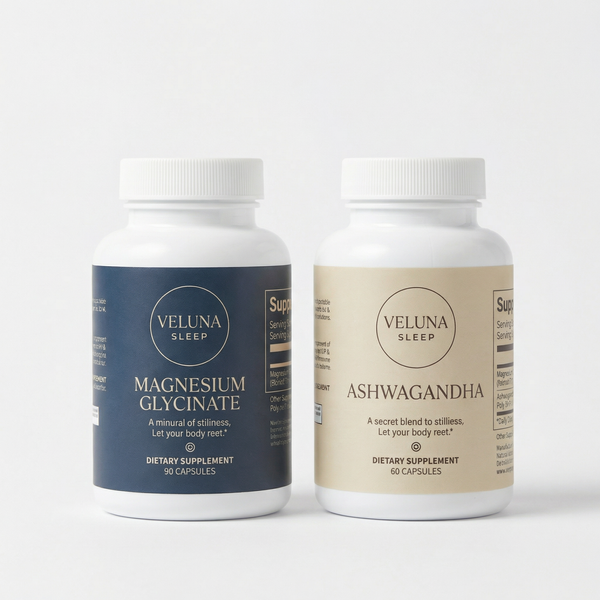
GABA dosages can vary widely, ranging from 500 milligrams to 3 grams per day. However, it's important to note that the bioavailability of oral GABA supplements is somewhat limited, meaning that not all of the GABA you ingest will actually reach your brain. Some people may find that GABA has little to no effect, while others may experience noticeable calming effects at lower doses. It may be useful to explore magnesium glycinate, which supports natural GABA production.
When taking melatonin and GABA together, it's generally recommended to take them at the same time, about 30-60 minutes before bedtime. This allows both compounds to work synergistically to promote relaxation and prepare your body for sleep. Pay attention to your body and adjust the timing based on when you need to feel the effects. If you are a shift worker, consider reading our article on the best sleep supplements for shift workers.
When to Seek Professional Help
While melatonin and GABA can be helpful for occasional sleep problems, it's important to seek professional help if you're experiencing chronic insomnia or other sleep disorders. Chronic sleep problems can have a significant impact on your physical and mental health, and may be a sign of an underlying medical condition.
You should also talk to your doctor before taking melatonin or GABA if you have any of the following conditions:
- Pregnancy or breastfeeding
- Autoimmune disorders
- Depression or other mental health conditions
- Seizure disorders
- Liver or kidney disease
Additionally, if you experience any unusual or severe side effects while taking melatonin or GABA, such as allergic reactions, difficulty breathing, or chest pain, seek immediate medical attention.
The Bottom Line
Melatonin and GABA are both naturally occurring compounds that can promote relaxation and improve sleep. While they work through different mechanisms, they may offer synergistic benefits when taken together. However, it's important to be aware of the potential risks and side effects, and to start with low doses to assess your individual response.
If you're considering taking melatonin and GABA together, talk to your doctor or a qualified healthcare professional to determine if it's right for you. They can help you assess your individual needs, weigh the potential benefits and risks, and recommend the appropriate dosages and timing. Remember to consider other factors such as sleep hygiene, regular exercise, and a balanced diet to help you achieve optimal sleep health. You may also consider supplements such as Veluna Ashwagandha to promote relaxation.
Ready to find the right sleep ritual for your needs? Take Veluna's free 60-second quiz to get a personalized recommendation.
References
- Nogueira HA, de Castro CT, da Silva DCG et al.. Melatonin for sleep disorders in people with autism: Systematic review and meta-analysis. Progress in neuro-psychopharmacology & biological psychiatry. 2023. PubMed
- Sejbuk M, Siebieszuk A, Witkowska AM. The Role of Gut Microbiome in Sleep Quality and Health: Dietary Strategies for Microbiota Support. Nutrients. 2024. PubMed
- Comai S, Gobbi G. Melatonin, Melatonin Receptors and Sleep: Moving Beyond Traditional Views. Journal of pineal research. 2024. PubMed
- Gasmi A, Semenova Y, Noor S et al.. Sleep, Dietary Melatonin Supplementation, and COVID-19. Current medicinal chemistry. 2024. PubMed
- Bruni O, Breda M, Nobili L et al.. European expert guidance on management of sleep onset insomnia and melatonin use in typically developing children. European journal of pediatrics. 2024. PubMed
- Cruz-Sanabria F, Carmassi C, Bruno S et al.. Melatonin as a Chronobiotic with Sleep-promoting Properties. Current neuropharmacology. 2023. PubMed
- Moon E, Kim K, Partonen T et al.. Role of Melatonin in the Management of Sleep and Circadian Disorders in the Context of Psychiatric Illness. Current psychiatry reports. 2022. PubMed
- Poza JJ, Pujol M, Ortega-Albás JJ et al.. Melatonin in sleep disorders. Neurologia. 2022. PubMed
Frequently Asked Questions
While both are generally considered safe for short-term use, it's best to consult with a healthcare professional before taking them nightly. They can help determine the appropriate dosage and timing based on your individual needs and health conditions. Long-term use should be monitored by a healthcare provider.
Common side effects of melatonin include headache, dizziness, nausea, and daytime sleepiness. GABA side effects may include stomach upset, drowsiness, and muscle weakness. Combining them may amplify sedative effects, leading to excessive drowsiness. If you experience severe side effects, seek immediate medical attention.
Melatonin typically takes about 30-60 minutes to take effect, so it's best to take it shortly before bedtime. GABA's effects can vary depending on the individual, but it's generally recommended to take it at the same time as melatonin. Individual results will vary.
While melatonin is present in small amounts in foods like tart cherries [6], grapes, and mushrooms, the levels are usually not high enough to have a significant effect on sleep. GABA can be found in fermented foods like kimchi and sauerkraut. Dietary strategies can support microbiota, which can affect sleep quality (Sejbuk, 2024).
Melatonin is sometimes used in children for sleep disorders, particularly in those with autism [1]. However, it's essential to consult with a pediatrician before giving melatonin or GABA to children. Dosage should be carefully managed and monitored by a healthcare professional. European guidelines exist for pediatric use (Bruni, 2024).