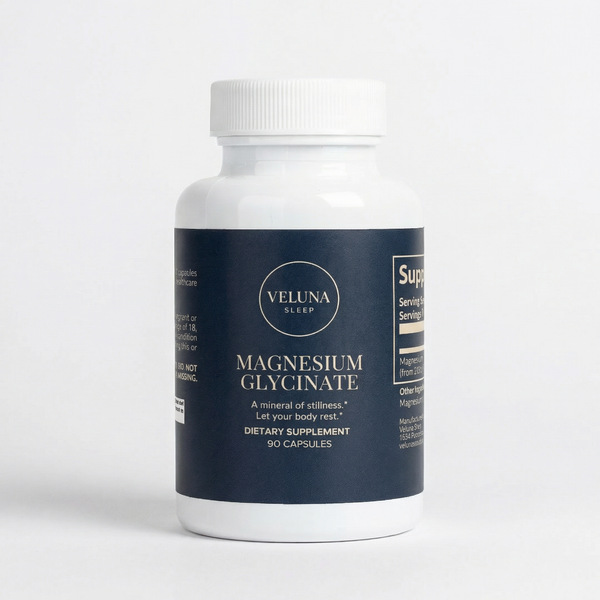
Navigating the landscape of sleep aids can be complex, with numerous options promising a restful night. Among the most frequently discussed natural supplements are magnesium glycinate and melatonin. While both are often considered for sleep support, they operate through distinct physiological pathways and address different aspects of sleep disruption. Understanding these differences is paramount for selecting the most effective intervention for your individual needs. This article will provide a comprehensive, evidence-based comparison of magnesium glycinate and melatonin, examining their mechanisms of action, efficacy, safety profiles, and optimal use cases, drawing on current scientific literature.
The choice between magnesium glycinate and melatonin is not a matter of one being universally superior, but rather which aligns best with the underlying cause of sleep disturbance. Melatonin, a hormone produced by the pineal gland, primarily influences the body's circadian rhythm, signaling the opportune time for sleep. Magnesium glycinate, on the other hand, acts as a mineral cofactor in numerous enzymatic reactions and plays a significant role in neuronal excitability and muscle relaxation, often by interacting with neurotransmitter systems that promote calm. This fundamental difference in mechanism dictates their primary applications and potential benefits for sleep.
Understanding Magnesium Glycinate's Role in Sleep
Magnesium is an essential mineral involved in over 300 enzymatic reactions within the human body, encompassing energy production, DNA synthesis, and nerve function. Magnesium glycinate is a chelated form of magnesium, meaning the mineral is bound to an amino acid, in this case, glycine. This specific binding enhances magnesium's absorption in the gastrointestinal tract and is renowned for its gentle effect on the digestive system, mitigating the laxative effects often associated with other magnesium forms like magnesium citrate. Its high bioavailability makes it an effective means of increasing magnesium levels in the body.
The connection between magnesium and sleep is multifaceted. Magnesium acts as a natural calcium channel blocker and N-methyl-D-aspartate (NMDA) receptor antagonist, which helps to regulate neurotransmitter activity. Crucially, it plays a role in the synthesis and function of gamma-aminobutyric acid (GABA), the primary inhibitory neurotransmitter in the central nervous system. GABAergic signaling is vital for reducing neuronal excitability, promoting a state of calm, and facilitating the transition to sleep. A deficiency in magnesium has been linked to increased sleep disturbances, anxiety, and restless legs syndrome, as observed in studies published in journals like the *Journal of Research in Medical Sciences*.
Magnesium's influence extends to the regulation of the body's stress response system, the hypothalamic-pituitary-adrenal (HPA) axis. Adequate magnesium levels can help to temper the release of stress hormones like cortisol, thereby reducing physiological arousal that can interfere with sleep onset and maintenance. Furthermore, magnesium is involved in regulating melatonin production and its utilization by the body. Its ability to calm the nervous system and promote muscle relaxation makes it a valuable tool for individuals experiencing sleep difficulties rooted in stress, anxiety, or physical tension.
The Mechanism of Melatonin and Its Impact on Sleep
Melatonin is a hormone primarily produced by the pineal gland in response to darkness. Its principal function is to regulate the body's circadian rhythm, the internal biological clock that dictates sleep-wake cycles over a 24-hour period. Melatonin signals to the body that it is nighttime, facilitating the onset of sleep and influencing the timing of sleep. It is often referred to as the "hormone of darkness" and its secretion naturally rises in the evening, peaks in the middle of the night, and declines towards morning.
Supplementation with exogenous melatonin is commonly used to address sleep disturbances related to circadian rhythm misalignment. This includes conditions such as jet lag, shift work sleep disorder, and delayed sleep phase syndrome. By providing an external source of melatonin, supplements can help to reset or adjust the body's internal clock, promoting sleep at a desired time. A meta-analysis published in the *British Journal of Clinical Pharmacology* has highlighted the efficacy of melatonin for improving sleep onset latency and overall sleep quality in individuals with these specific circadian rhythm disorders.
It is important to note that melatonin's primary role is not to induce sleep through sedation, but rather to signal the appropriate time for sleep. While it can help individuals fall asleep faster, its effectiveness is most pronounced when the underlying issue is a disruption in the natural sleep-wake cycle. The dosage and timing of melatonin administration are critical for its optimal effect, and it is generally considered safe for short-term use, as per guidelines from organizations like the American Academy of Sleep Medicine (AASM).
Magnesium Glycinate vs. Melatonin: Should You Take One Over the Other?
The decision between magnesium glycinate and melatonin hinges on the root cause of sleep disruption. If your sleep issues stem from anxiety, stress, muscle tension, or restless leg sensations, magnesium glycinate is likely to be the more beneficial choice. Its mechanism of action, which involves calming the nervous system and promoting muscle relaxation through GABAergic pathways, directly addresses these physiological contributors to sleeplessness. Magnesium's role in regulating neurotransmitters and reducing HPA axis activity can lead to a more profound sense of calm conducive to sleep.
Conversely, if your primary sleep challenge involves difficulty falling asleep at a consistent time, or if you experience disrupted sleep due to shift work, jet lag, or irregular sleep schedules, melatonin may be more appropriate. Its ability to directly influence the circadian rhythm makes it effective in realigning the body's internal clock. For instance, a 2022 trial in *Sleep Medicine Reviews* demonstrated melatonin's effectiveness in mitigating the negative impacts of jet lag on sleep patterns and daytime functioning.
In many cases, the two supplements can be complementary. For individuals experiencing both anxiety-related sleep disturbances and circadian rhythm issues, a combination approach might be considered under the guidance of a healthcare professional. However, it is crucial to understand that they are not interchangeable. Taking melatonin when the primary issue is magnesium deficiency might not yield the desired results, and vice-versa. A thorough assessment of sleep habits, lifestyle, and potential underlying deficiencies is recommended before initiating supplementation.
The Downside of Magnesium Glycinate
While magnesium glycinate is generally well-tolerated, it is not without potential downsides. The most commonly reported side effect, though less frequent than with other magnesium forms, can be gastrointestinal upset. This may include nausea, abdominal cramping, or diarrhea, particularly if high doses are taken or if an individual has a sensitive digestive system. The glycine component, while beneficial for absorption, can also contribute to these effects in some individuals.
Another consideration is the potential for interactions with certain medications. Magnesium can affect the absorption and efficacy of some antibiotics (such as tetracyclines and quinolones) and bisphosphonates (used to treat osteoporosis). It can also interact with diuretics and certain heart medications. Therefore, it is imperative for individuals taking any prescription medications to consult with their healthcare provider before starting magnesium glycinate supplementation to avoid adverse interactions. This is a key consideration for individuals on GLP-1 medications, as while direct contraindications are rare, magnesium can impact gastrointestinal motility, which could theoretically affect GLP-1 absorption or efficacy, though specific clinical data is limited.
Furthermore, while magnesium deficiency is relatively common, excessive intake of magnesium from supplements can lead to hypermagnesemia, a condition characterized by abnormally high magnesium levels in the blood. Symptoms can range from mild (nausea, vomiting) to severe (hypotension, respiratory depression, cardiac arrest) in extreme cases, although this is rare with standard supplemental doses and healthy kidney function. Individuals with impaired kidney function are at a higher risk and should exercise extreme caution and medical supervision when considering magnesium supplements. For individuals with Rheumatoid Arthritis (RA), magnesium supplementation is generally considered safe and may even offer some anti-inflammatory benefits, but it is always advisable to discuss any new supplement with their rheumatologist, especially if they are on specific medications for their condition.
The Downside of Melatonin
The most frequently reported side effect of melatonin supplementation is daytime drowsiness or grogginess, particularly if the dosage is too high or if it is taken too close to the desired wake-up time. This can impact alertness and cognitive function, making activities requiring vigilance, such as driving or operating machinery, potentially unsafe. Headaches, dizziness, and nausea are also commonly reported, though usually mild and transient.
Melatonin can also interact with certain medications. It may potentiate the effects of anticoagulant and antiplatelet drugs, increasing the risk of bleeding. It can also interfere with immunosuppressants, diabetes medications, and contraceptives. Individuals with autoimmune disorders, seizure disorders, or depression should use melatonin with caution and under medical supervision, as it can potentially exacerbate these conditions or interfere with treatment. A review in the *New England Journal of Medicine* has discussed the complex hormonal interactions melatonin can have.
Long-term effects of melatonin supplementation are not fully understood, and concerns exist regarding potential impacts on hormonal balance and reproductive health, particularly in adolescents. While generally considered safe for short-term use, prolonged or high-dose use should be approached with caution and ideally under the guidance of a healthcare professional. The quality and purity of melatonin supplements can also vary significantly between brands, making it important to choose reputable manufacturers.
When is Magnesium Glycinate Better Than Melatonin?
Magnesium glycinate is generally the preferred choice when the primary driver of sleep disturbance is related to the nervous system's state of arousal and muscle tension. For individuals experiencing insomnia characterized by racing thoughts, anxiety, and an inability to "switch off" their mind before sleep, magnesium's ability to enhance GABAergic inhibition can be profoundly effective. This is often the case for those with comorbid anxiety disorders or high levels of daily stress.
Furthermore, conditions like Restless Legs Syndrome (RLS) and periodic limb movement disorder (PLMD), which significantly disrupt sleep, have been linked to magnesium deficiency. Supplementing with magnesium glycinate can help alleviate the uncomfortable sensations and involuntary movements associated with RLS, thereby improving sleep continuity. Its muscle-relaxant properties also make it beneficial for individuals who experience physical discomfort or muscle cramps that interfere with their ability to fall or stay asleep. The calming effect is often described as more foundational and less directly tied to the sleep-wake cycle timing.
The "downside" of magnesium glycinate, as discussed, is primarily related to potential gastrointestinal discomfort or drug interactions, which are manageable with appropriate dosing and medical consultation. Unlike melatonin, it does not typically cause morning grogginess or directly alter circadian rhythms, making it a more suitable option for those whose sleep issues are not primarily circadian in nature. Its broad physiological benefits beyond sleep, such as supporting cardiovascular health and blood sugar regulation, can also be an added advantage.
When is Melatonin Better Than Magnesium Glycinate?
Melatonin shines when the core issue is a misalignment of the body's internal clock. This is particularly evident in situations involving travel across time zones (jet lag) or working irregular shifts that disrupt natural light-dark cycles. For instance, a traveler experiencing difficulty sleeping at their destination's local time due to rapid time zone changes will likely find melatonin more effective than magnesium. Its role in signaling darkness and promoting sleep at a specific time is precisely what is needed to help the body adapt to a new schedule.
Delayed Sleep Phase Syndrome (DSPS), a circadian rhythm disorder where individuals naturally fall asleep and wake up much later than desired, is another prime indication for melatonin. In DSPS, the body's melatonin release is delayed, making it difficult to initiate sleep at conventional times. Administering melatonin earlier in the evening can help to gradually shift the sleep phase forward, aligning it with societal norms. This is a scenario where magnesium's calming effects, while beneficial for relaxation, would not directly address the timing issue of sleep onset.
Similarly, for individuals experiencing insomnia due to blindness or other conditions that impair natural light perception, which can disrupt circadian rhythms, melatonin can be a valuable tool. It helps to create an artificial signal of darkness, thereby promoting a more regular sleep-wake cycle. While magnesium can support relaxation, it does not provide the direct circadian signaling that melatonin does, making melatonin the superior choice for these specific timing-related sleep disturbances.
Can You Take Magnesium Glycinate and Melatonin Together?
Yes, it is generally considered safe for most individuals to take magnesium glycinate and melatonin together, provided it is done under the guidance of a healthcare professional. As discussed, these supplements work through different mechanisms. Melatonin primarily regulates the sleep-wake cycle, while magnesium glycinate promotes relaxation and calms the nervous system. They are not redundant and can potentially offer synergistic benefits for sleep.
For example, someone might experience both anxiety that prevents them from falling asleep and a slightly misaligned circadian rhythm due to late-night work. In such a scenario, melatonin could help signal the body to prepare for sleep at the desired time, while magnesium glycinate could address the underlying anxiety and muscle tension that makes initiating sleep difficult. The combination can offer a more comprehensive approach to sleep improvement, addressing both the timing and the physiological state of arousal.
However, as with any supplement combination, it is crucial to start with low doses of each and monitor for any adverse effects. The potential for interactions, though generally low when taken separately, could be amplified when combined. Therefore, a conversation with a doctor or pharmacist is highly recommended to ensure the combination is appropriate for your specific health profile, existing medical conditions, and any medications you are currently taking. This is particularly important for individuals with chronic conditions or those taking multiple prescriptions.
What are the 7 Signs Your Body Needs Magnesium?
While not a direct diagnostic tool, several signs and symptoms can indicate a potential need for increased magnesium intake. These are often subtle and can overlap with other conditions, underscoring the importance of professional medical advice. However, recognizing these indicators can prompt a conversation with a healthcare provider about magnesium levels.
- Muscle Twitches, Tremors, and Cramps: Magnesium plays a critical role in muscle function and nerve signaling. Low levels can lead to involuntary muscle contractions, spasms, and cramps, particularly at night.
- Fatigue and Weakness: Magnesium is essential for energy production. A deficiency can manifest as persistent tiredness, lack of energy, and general weakness, even with adequate rest.
- Mental Health Issues: Magnesium influences neurotransmitter function and stress response. Low levels have been associated with increased anxiety, irritability, mood swings, and even symptoms of depression.
- Sleep Disturbances: As magnesium is crucial for relaxation and GABA function, its deficiency can lead to difficulty falling asleep, frequent awakenings, and overall poor sleep quality.
- High Blood Pressure: Magnesium helps regulate blood pressure by relaxing blood vessel walls. Insufficient magnesium can contribute to hypertension.
- Migraines: Studies suggest a link between magnesium deficiency and an increased frequency and severity of migraines. Magnesium may help reduce inflammation and relax blood vessels in the brain.
- Irregular Heartbeat: Magnesium is vital for maintaining a stable heart rhythm. Low levels can disrupt electrical signaling in the heart, potentially leading to palpitations or arrhythmias.
These signs do not definitively confirm a magnesium deficiency, as they can also be symptomatic of other health issues. However, if you experience several of these symptoms concurrently, it may be beneficial to discuss your magnesium status with a healthcare professional. They can recommend appropriate testing and, if necessary, supplementation, such as magnesium glycinate, which is well-absorbed and gentle.
Frequently Asked Questions
Should I take magnesium glycinate or melatonin?
The choice depends on your primary sleep issue. If you struggle with anxiety, stress, or muscle tension that interferes with sleep, magnesium glycinate is often more beneficial due to its calming effects on the nervous system. If your sleep problems are primarily related to your circadian rhythm, such as with jet lag, shift work, or delayed sleep phase syndrome, melatonin is typically more effective for regulating your sleep-wake cycle.
Can I take magnesium glycinate while on GLP-1?
While there are no direct contraindications, it is advisable to consult your healthcare provider. Magnesium can affect gastrointestinal motility, which could theoretically impact the absorption or efficacy of GLP-1 medications. Your doctor can assess your individual situation and advise on safe usage and timing.
What is the downside of magnesium glycinate?
The most common downside is potential gastrointestinal upset, such as nausea or diarrhea, though this is less common with the glycinate form. It can also interact with certain medications, including some antibiotics and bisphosphonates, by affecting their absorption. Individuals with impaired kidney function should use it with caution.
Can you take magnesium if you have RA?
Generally, yes. Magnesium supplementation is often considered safe for individuals with Rheumatoid Arthritis (RA) and may even offer some anti-inflammatory benefits. However, it is crucial to discuss any new supplement with your rheumatologist, especially if you are on specific RA medications, to ensure there are no contraindications or interactions.
What is the downside of melatonin?
Common downsides include daytime drowsiness or grogginess, headaches, dizziness, and nausea. Melatonin can also interact with certain medications, including blood thinners and immunosuppressants, and may not be suitable for individuals with certain autoimmune conditions or seizure disorders. Long-term effects are not fully understood.
What are the 7 signs your body needs magnesium?
The signs can include muscle twitches or cramps, fatigue, anxiety or irritability, sleep disturbances, high blood pressure, migraines, and irregular heartbeats. These symptoms are not exclusive to magnesium deficiency and warrant consultation with a healthcare professional for proper diagnosis.
For those seeking to enhance their sleep quality, understanding the distinct roles of magnesium glycinate and melatonin is key. If you're looking for a supplement to support relaxation and nervous system calm, explore our dedicated Magnesium Glycinate product. For those needing to regulate their sleep-wake cycle, our Sleep Formula, which may contain melatonin among other sleep-supporting ingredients, could be beneficial. To build a holistic approach to better rest, visit our comprehensive Sleep Hygiene Hub for actionable tips and strategies.
Recommended Veluna products for this topic:
- Veluna Sleep Strips — fast-dissolve melatonin strips.