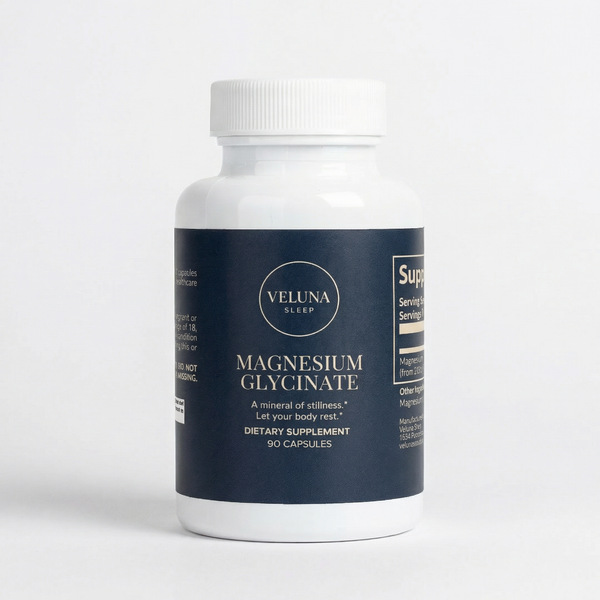
Navigating the landscape of sleep aids can be complex, with numerous compounds promising improved rest. Among the most frequently discussed are magnesium glycinate and glycine. While both are lauded for their potential to foster relaxation and enhance sleep quality, they are distinct entities with different primary functions and mechanisms of action. Understanding these differences is crucial for making informed decisions about supplementation. This article delves into the scientific evidence surrounding magnesium glycinate and glycine, comparing their roles, benefits, and appropriate usage, particularly in the context of sleep science.
Magnesium glycinate is a chelated form of magnesium, meaning the mineral is bound to the amino acid glycine. This binding is designed to improve the bioavailability and absorption of magnesium, a vital mineral involved in numerous enzymatic reactions within the body, including those related to neurotransmitter function and muscle relaxation. Glycine, on the other hand, is an amino acid that functions independently as an inhibitory neurotransmitter in the central nervous system, contributing to calm and potentially facilitating sleep onset and maintenance. The interplay between these two components is key to understanding their respective and combined effects.
The Role of Glycine in Sleep and Beyond
Glycine is a simple amino acid that plays a multifaceted role in human physiology. As an inhibitory neurotransmitter in the brainstem and spinal cord, it helps to regulate motor function and sensory processing, contributing to a sense of calm by dampening excitatory signals. This inhibitory action is a primary mechanism through which glycine may influence sleep. Research published in journals such as the Journal of Sleep Research has indicated that glycine supplementation can lead to subjective improvements in sleep quality, reduced daytime sleepiness, and enhanced performance on cognitive tasks the following day.
Furthermore, glycine is involved in thermoregulation. Studies, including a notable trial in Sleep Medicine, have demonstrated that oral glycine administration can lower core body temperature. This slight decrease in body temperature is a natural physiological signal that precedes sleep onset. By facilitating this temperature drop, glycine may help individuals fall asleep more quickly and experience more consolidated sleep. Glycine also serves as a precursor for glutathione, a crucial antioxidant, and is a structural component of collagen, impacting skin, joint, and connective tissue health, though its sleep-related benefits are often the focus of supplementation discussions.
Understanding Magnesium Glycinate: A Chelated Mineral
Magnesium glycinate represents a sophisticated approach to magnesium supplementation. Magnesium is an essential mineral involved in over 300 biochemical reactions in the body, including energy production, muscle and nerve function, blood glucose control, and blood pressure regulation. However, many common forms of magnesium supplements, such as magnesium oxide, have relatively poor bioavailability, meaning the body absorbs only a small fraction of the ingested amount. Magnesium glycinate, by contrast, is created by chelating magnesium ions with two molecules of glycine.
This chelation process protects the magnesium from interacting with other substances in the digestive tract that can hinder absorption. The glycine molecule acts as a carrier, facilitating the passage of magnesium across the intestinal wall. The result is a form of magnesium that is generally well-tolerated, with a lower likelihood of causing digestive upset compared to other forms. This improved absorption is critical for ensuring that the body receives adequate magnesium, which is often deficient in modern diets and plays a direct role in modulating the nervous system and promoting relaxation, thereby supporting sleep architecture.
Glycine vs. Magnesium Glycinate: Direct Comparison
When comparing glycine and magnesium glycinate, it's essential to recognize their fundamental difference: one is an amino acid, and the other is a mineral compound containing that amino acid. Glycine, when taken as a standalone supplement, directly provides the inhibitory neurotransmitter benefits and thermoregulatory effects discussed previously. Its impact is primarily neurological and physiological, aiming to calm the nervous system and prepare the body for sleep.
Magnesium glycinate, conversely, delivers both the benefits of magnesium and the calming influence of glycine. The magnesium component contributes to muscle relaxation, neurotransmitter synthesis, and the regulation of the body's stress response system, including the HPA axis. The glycine component enhances the absorption of this magnesium and adds its own direct calming and sleep-promoting effects. Therefore, magnesium glycinate offers a dual-action approach to sleep support, addressing potential magnesium deficiencies while leveraging glycine's neurotransmitter properties.
Do I Need Glycine If I Take Magnesium Glycinate?
This question delves into the core of their relationship. If you are taking magnesium glycinate, you are already consuming glycine. The magnesium is bound to glycine molecules, so each dose of magnesium glycinate inherently includes glycine. The question then becomes whether the amount of glycine provided by your magnesium glycinate supplement is sufficient for your individual needs, or if additional glycine supplementation would be beneficial. For many individuals seeking general relaxation and improved sleep, the glycine component within magnesium glycinate may be adequate.
However, some people may have specific reasons for seeking higher doses of glycine, such as for its potential role in neurotransmitter modulation or its antioxidant properties. If your primary goal is to maximize the direct effects of glycine, or if you have a diagnosed deficiency or a condition that may benefit from higher glycine intake, then additional glycine supplementation might be considered. It is important to note that the typical doses of glycine used in sleep studies (e.g., 3 grams) are often higher than what is delivered by standard magnesium glycinate doses, which are primarily formulated to deliver magnesium. Consulting with a healthcare professional can help determine if additional glycine is warranted based on your specific health profile and sleep goals.
Can I Take Magnesium with MTHFR?
Individuals with MTHFR gene variations often face challenges in processing folate and other B vitamins, which can impact methylation pathways. Magnesium plays a role in numerous enzymatic processes, including those involved in methylation. While magnesium is not directly involved in the folate cycle in the same way as B vitamins, adequate magnesium levels are essential for the optimal functioning of enzymes that rely on magnesium as a cofactor. Therefore, ensuring sufficient magnesium intake is important for individuals with MTHFR variations, as it supports overall cellular health and metabolic processes.
Magnesium glycinate is often a well-tolerated form of magnesium for many individuals, including those with MTHFR variations. The glycine component is a natural amino acid and does not directly interfere with methylation pathways in a detrimental way. In fact, by supporting overall cellular health and reducing inflammation, magnesium can indirectly benefit methylation processes. However, it is always advisable for individuals with MTHFR gene variations to discuss their supplementation regimen with a healthcare provider or a genetic counselor to ensure personalized and safe recommendations.
Which Magnesium is Best for Fibromyalgia?
Fibromyalgia is a complex chronic pain disorder characterized by widespread musculoskeletal pain accompanied by fatigue, sleep disturbances, and cognitive difficulties. Magnesium deficiency has been implicated in some individuals with fibromyalgia, as magnesium plays a critical role in muscle function and nerve signal transmission. Restoring adequate magnesium levels may help alleviate some symptoms, particularly muscle pain and spasms, and improve sleep quality.
Among the various forms of magnesium, magnesium glycinate is frequently recommended for individuals with fibromyalgia. Its high bioavailability means that more magnesium is absorbed and utilized by the body, potentially offering greater relief from deficiency-related symptoms. Furthermore, the glycine component adds its own calming and pain-modulating effects, which can be particularly beneficial for those experiencing the heightened sensitivity and discomfort associated with fibromyalgia. Studies have explored magnesium supplementation for fibromyalgia, with some showing promising results in symptom reduction, though more extensive research is ongoing. The gentle nature of magnesium glycinate on the digestive system is also a significant advantage for individuals who may have sensitive gastrointestinal tracts.
Can I Take Magnesium Glycinate While on GLP-1?
Glucagon-like peptide-1 (GLP-1) receptor agonists are a class of medications primarily used for managing type 2 diabetes and, more recently, for weight management. These medications work by mimicking the action of the natural GLP-1 hormone, slowing gastric emptying, increasing satiety, and improving glycemic control. While generally well-tolerated, some individuals may experience gastrointestinal side effects such as nausea or constipation, which can be exacerbated by certain supplements.
Magnesium glycinate is typically considered safe to take alongside GLP-1 receptor agonists. Its primary mechanism of action is not known to directly interfere with the efficacy or safety of GLP-1 medications. In fact, magnesium's role in regulating blood sugar and its potential to improve digestive regularity might even be complementary in some aspects. However, due to the potential for altered gastric emptying with GLP-1 medications, it is prudent to consult with a healthcare provider or pharmacist. They can advise on the optimal timing for taking supplements relative to medications and assess any potential interactions or additive effects, particularly concerning gastrointestinal tolerance.
What is Better, Magnesium Glycinate or Glycine?
The determination of which is "better" between magnesium glycinate and glycine is entirely dependent on the individual's specific health goals and needs. If the primary concern is a diagnosed or suspected magnesium deficiency, or if the goal is to leverage both the calming effects of glycine and the broad physiological benefits of magnesium, then magnesium glycinate is likely the more comprehensive choice. It addresses potential magnesium insufficiency while simultaneously providing glycine's direct benefits.
Conversely, if an individual's magnesium levels are already adequate, or if their primary focus is on maximizing the inhibitory neurotransmitter effects and thermoregulatory benefits of glycine, then standalone glycine supplementation might be preferred. This allows for precise titration of glycine dosage without necessarily increasing magnesium intake. For instance, individuals seeking to explore the higher glycine doses used in some research for specific neurological or metabolic benefits might opt for pure glycine. Ultimately, the choice hinges on whether the target is solely the amino acid's effects or a combination of mineral and amino acid benefits.
What is the Disadvantage of Glycine?
While glycine is generally considered safe and well-tolerated, like any supplement, it can have potential disadvantages or side effects, particularly at higher doses or in sensitive individuals. One of the most commonly reported side effects of glycine supplementation, especially when taken in larger amounts, is mild gastrointestinal upset, such as nausea or stomach discomfort. This is often transient and can be mitigated by reducing the dosage or taking it with food.
Another consideration is its potential interaction with certain medications or health conditions. While rare, glycine's role as a neurotransmitter means it could theoretically influence conditions involving neurotransmitter imbalances. There is also some limited research suggesting that high doses of glycine might have a mild stimulating effect in some individuals, although this is contrary to its primary inhibitory action and is not a commonly reported disadvantage. For most individuals, the primary disadvantage is the potential for mild digestive issues. It is always recommended to start with a low dose and monitor for any adverse reactions. Consulting with a healthcare provider is crucial for personalized advice, especially if you have pre-existing medical conditions or are taking other medications.
Frequently Asked Questions
Can I take glycine and magnesium glycinate together?
Yes, you can take glycine and magnesium glycinate together. In fact, magnesium glycinate already contains glycine. If you are taking magnesium glycinate and wish to increase your glycine intake further, you can add a separate glycine supplement. However, it's important to ensure you are not exceeding recommended daily allowances for either nutrient without professional guidance. This combination is often explored to maximize the calming and sleep-promoting effects.
Is glycine magnesium?
No, glycine is not magnesium. Glycine is an amino acid, a fundamental building block of proteins. Magnesium is an essential mineral. Magnesium glycinate is a compound where the mineral magnesium is chemically bonded to the amino acid glycine. So, while they are linked in magnesium glycinate, they are distinct substances with different chemical properties and biological roles.
What is better, magnesium glycinate or glycine for sleep?
The "better" option depends on your specific needs. Magnesium glycinate offers the combined benefits of magnesium (crucial for nerve and muscle function, relaxation) and glycine (inhibitory neurotransmitter, body temperature regulation for sleep). If you suspect a magnesium deficiency or want a dual-action approach, magnesium glycinate may be preferred. If your magnesium levels are adequate and you want to specifically target the sleep-promoting neurotransmitter effects of glycine, then standalone glycine might be considered. For general sleep support, magnesium glycinate is often a comprehensive choice.
Do I need glycine if I take magnesium glycinate?
If you are taking magnesium glycinate, you are already consuming glycine, as it's bound to the magnesium. For many individuals seeking general relaxation and improved sleep, the amount of glycine provided by a standard dose of magnesium glycinate may be sufficient. However, if you are looking to achieve higher glycine levels for specific therapeutic reasons, or if your magnesium glycinate dose is low in glycine content, you might consider additional glycine supplementation after consulting with a healthcare professional.
Can I take magnesium with MTHFR?
Yes, it is generally considered safe and potentially beneficial to take magnesium with MTHFR gene variations. Magnesium is essential for numerous bodily functions, including those that support methylation processes, even though it's not directly involved in the folate cycle. Adequate magnesium intake can support overall cellular health and enzymatic function. Magnesium glycinate is often a well-tolerated form. However, individuals with MTHFR variations should always consult with their healthcare provider for personalized advice regarding supplementation.
What is the disadvantage of glycine?
The primary disadvantage of glycine, particularly at higher doses, is the potential for mild gastrointestinal upset, such as nausea or stomach discomfort. Some individuals might also experience a mild stimulating effect, though this is less common. It's important to start with a low dose and monitor your body's response. As with any supplement, potential interactions with existing health conditions or medications should be discussed with a healthcare provider.
For those seeking to enhance their sleep quality and overall well-being through natural means, understanding the distinct yet complementary roles of magnesium glycinate and glycine is paramount. Magnesium glycinate offers a synergistic approach, combining the essential mineral's broad physiological benefits with the amino acid's calming and sleep-promoting properties, all while ensuring superior absorption. Glycine, as a standalone supplement, targets specific neurological pathways and thermoregulation to facilitate sleep onset and quality. To explore options that can support your sleep journey, consider our Sleep Formula or our dedicated Magnesium Glycinate product. For a comprehensive guide to establishing restorative sleep patterns, visit our Sleep Hygiene Hub.