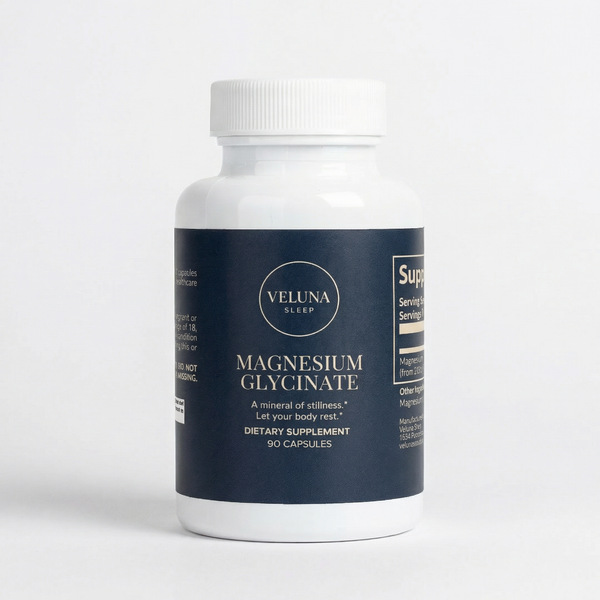
Magnesium glycinate and glycine are often discussed in the context of sleep and relaxation, but they are distinct entities with different roles and compositions. Magnesium glycinate is a specific form of magnesium where the mineral is bound to two molecules of the amino acid glycine. This chelated form enhances magnesium's absorption and reduces its potential for gastrointestinal upset, making it a preferred choice for supplementation when targeting magnesium deficiency or its associated benefits, such as improved sleep quality, muscle relaxation, and stress reduction. The primary active component when considering magnesium glycinate is the magnesium itself, with glycine acting as a carrier molecule that facilitates its uptake by the body.
Glycine, on the other hand, is an amino acid that functions as a neurotransmitter in the central nervous system. It plays a crucial role in regulating sleep-wake cycles, promoting calm, and supporting cognitive function. While it is a component of magnesium glycinate, glycine can also be taken as a standalone supplement. When used alone, its effects are primarily driven by its direct action as a neurotransmitter and its involvement in various metabolic processes. Therefore, while related, understanding the distinction between the mineral-amino acid compound (magnesium glycinate) and the individual amino acid (glycine) is key to selecting the appropriate supplement for specific health goals.
Quick Verdict
For most individuals seeking to improve sleep quality and address magnesium deficiency, magnesium glycinate is the recommended choice due to its superior absorption and dual benefits of magnesium and glycine. If your primary goal is to leverage glycine's specific neurotransmitter effects for sleep regulation or cognitive support, and you are not concerned with magnesium levels, a standalone glycine supplement may be considered, though magnesium glycinate offers a more comprehensive approach for sleep and relaxation.
Side-by-Side Comparison
| Feature | Magnesium Glycinate | Glycine |
|---|---|---|
| Mechanism | Provides bioavailable magnesium, which plays a role in neurotransmitter function, muscle relaxation, and sleep regulation. Glycine acts as a carrier. | Acts as an inhibitory neurotransmitter in the central nervous system, influencing sleep-wake cycles and promoting calmness. |
| Onset of Action | May take several days to weeks to see significant benefits as magnesium levels build up. | Can provide noticeable calming effects and sleep improvements within 30-60 minutes for some individuals. |
| Bioavailability | High due to chelation with glycine, leading to better absorption and fewer gastrointestinal side effects compared to other magnesium forms. | Generally well-absorbed when taken orally. |
| Typical Dose (for sleep support) | 200-400 mg of elemental magnesium per day, often divided. | 1-3 grams taken before bedtime. |
| Best Use Case | Addressing magnesium deficiency, promoting general relaxation, improving sleep quality, reducing stress and anxiety, muscle cramp relief. | Directly targeting sleep onset, improving sleep architecture, supporting cognitive function, and providing a calming effect. |
| Common Side Effects | Generally well-tolerated; mild gastrointestinal upset (diarrhea) can occur at very high doses. | Generally safe; potential for mild drowsiness or digestive upset at higher doses. |
| Cost | Typically more expensive than standalone glycine due to the inclusion of magnesium. | Generally more affordable than magnesium glycinate. |
How Each One Works
Magnesium Glycinate
Magnesium glycinate functions by delivering magnesium, an essential mineral, to the body in a highly absorbable form. Magnesium is involved in over 300 enzymatic reactions, including those critical for neurotransmitter synthesis and function. It acts as a natural calcium channel blocker, which can help relax muscles and nerves, contributing to a sense of calm. Furthermore, magnesium plays a role in regulating the hypothalamic-pituitary-adrenal (HPA) axis, the body's primary stress response system, helping to mitigate the effects of chronic stress. Its involvement in the production and regulation of melatonin, the primary sleep hormone, also directly supports healthy sleep patterns. The glycine component is crucial here; it not only shields the magnesium from interacting with other substances in the gut that could hinder absorption but also possesses its own calming properties.
The chelation of magnesium with glycine significantly enhances its bioavailability. Unlike some other forms of magnesium, such as magnesium oxide, which have poor absorption rates and can cause laxative effects, magnesium glycinate is readily absorbed through the intestinal wall. This improved absorption means that more magnesium reaches the bloodstream and can then be utilized by cells throughout the body, including those in the brain and nervous system. This efficient delivery is key to experiencing the full spectrum of magnesium's benefits for sleep, mood, and overall physiological well-being. For individuals with suboptimal magnesium levels, magnesium glycinate offers a gentle yet effective way to replenish these stores, thereby supporting better sleep architecture and reducing symptoms of magnesium deficiency that can disrupt sleep.
Glycine
Glycine is the simplest amino acid and plays a dual role in the body: it serves as a building block for proteins and also functions as a neurotransmitter. In the central nervous system, glycine primarily acts as an inhibitory neurotransmitter, particularly in the spinal cord and brainstem. It binds to glycine receptors, which are a type of ligand-gated ion channel, leading to an influx of chloride ions into neurons. This influx hyperpolarizes the neuron, making it less likely to fire an action potential, thus producing a calming or inhibitory effect. This mechanism is crucial for regulating neuronal excitability and is thought to contribute to glycine's ability to promote relaxation and reduce anxiety.
Regarding sleep, glycine's inhibitory neurotransmission is believed to influence sleep onset and quality. Research suggests that glycine can lower core body temperature, a physiological change that is associated with the onset of sleep. By facilitating this temperature drop and promoting a state of reduced neuronal activity, glycine can help individuals fall asleep faster and experience more restorative sleep. A 2012 study published in *Sleep and Biological Rhythms* found that glycine supplementation improved subjective sleep quality and reduced daytime sleepiness in participants with insomnia. Its role as a neurotransmitter also extends to cognitive function, where it may help improve memory and attention, further contributing to overall well-being and sleep hygiene.
Which Should You Choose?
- If you are experiencing symptoms of magnesium deficiency (e.g., muscle cramps, fatigue, anxiety) and want to improve your sleep quality, choose magnesium glycinate.
- If your primary goal is to enhance sleep onset and duration through direct neurotransmitter action, and you are not concerned about magnesium levels, consider glycine.
- If you are looking for a supplement that offers both the calming benefits of glycine and the essential mineral support of magnesium, choose magnesium glycinate.
- If you have a sensitive digestive system and have experienced issues with other forms of magnesium, magnesium glycinate is an excellent, gentle option.
- If you are already consuming sufficient magnesium from your diet and wish to specifically target sleep regulation via neurotransmitter pathways, a standalone glycine supplement might be considered.
- If you are seeking a comprehensive sleep support supplement that is well-tolerated and backed by research for its dual action, magnesium glycinate is the preferred choice.
What the Research Says
The scientific literature supports the use of both magnesium and glycine for sleep and relaxation, with magnesium glycinate often highlighted for its synergistic benefits and superior tolerability. Research consistently points to magnesium's critical role in sleep regulation. A review in *Nutrients* (2020) emphasized magnesium's involvement in numerous pathways that influence sleep, including the regulation of neurotransmitters like GABA and melatonin, and its impact on the HPA axis. Magnesium deficiency has been linked to insomnia and other sleep disturbances, making supplementation a potential strategy for improving sleep quality, as noted by the National Institutes of Health (NIH) Office of Dietary Supplements. The NIH fact sheet on Magnesium indicates its importance for various bodily functions, including those that underpin healthy sleep.
Glycine, as a neurotransmitter, has also garnered significant research attention for its sleep-promoting properties. A placebo-controlled trial published in the *Journal of Sleep Research* (2007) demonstrated that glycine supplementation significantly improved subjective sleep quality, reduced sleep latency (time to fall asleep), and decreased the number of awakenings in individuals with subjective insomnia. This effect is attributed to glycine's ability to lower core body temperature, a key physiological marker for sleep onset. Furthermore, a study in *Frontiers in Neuroscience* (2017) explored glycine's role in reducing fatigue and improving cognitive performance, suggesting its benefits extend beyond just sleep initiation.
When these two components are combined in magnesium glycinate, the benefits are amplified. The chelation process ensures that both magnesium and glycine are efficiently absorbed. This means that the body receives a bioavailable source of magnesium, which can then exert its numerous physiological effects, including calming the nervous system and supporting melatonin production. Simultaneously, the glycine molecule itself contributes to the overall calming effect and directly influences sleep regulation through its neurotransmitter activity. This dual action makes magnesium glycinate a highly effective supplement for addressing sleep issues stemming from both potential magnesium inadequacy and the need for enhanced inhibitory neurotransmission. The American Academy of Sleep Medicine (AASM) acknowledges the importance of various nutrients and neurotransmitters in sleep health, and magnesium's role is well-established within this framework.
The advantage of magnesium glycinate over standalone glycine, particularly for those with underlying magnesium deficiencies, is evident. While glycine can offer direct sleep benefits, it does not address the broader systemic roles of magnesium. Conversely, taking glycine alongside other forms of magnesium might not offer the same level of gastrointestinal comfort or synergistic absorption as magnesium glycinate. A 2019 systematic review in *Sleep Medicine Reviews* highlighted the multifactorial nature of sleep disorders and the potential for nutritional interventions, underscoring the value of well-absorbed compounds like magnesium glycinate. The research collectively suggests that for comprehensive sleep support, addressing potential magnesium needs alongside leveraging glycine's neurotransmitter effects makes magnesium glycinate a compelling choice.
Veluna's Take
At Veluna Sleep, we prioritize evidence-based formulations that offer the most effective and gentle support for sleep. Our research indicates that magnesium glycinate stands out as a superior choice for individuals seeking to improve sleep quality and overall relaxation. This is due to its exceptional bioavailability, which ensures that the body efficiently absorbs both the vital mineral magnesium and the calming amino acid glycine. This dual action addresses common sleep disruptors by promoting muscle relaxation, calming the nervous system, and supporting the body's natural sleep-wake cycles without the gastrointestinal distress often associated with other magnesium compounds. We believe that by providing magnesium in this highly absorbable and gentle form, we can offer a more impactful and comfortable sleep solution.
Our formulation of Veluna Magnesium Glycinate leverages the scientific understanding of how magnesium and glycine work synergistically to promote restful sleep. We chose this specific compound because it directly targets the physiological pathways involved in sleep onset and maintenance, while also replenishing essential magnesium stores. This approach is more comprehensive than relying on glycine alone, especially for individuals who may also benefit from magnesium's wide-ranging effects on stress reduction and nervous system regulation. For those looking to enhance their sleep hygiene practices alongside supplementation, exploring our guidance on sleep hygiene habits for better sleep can further support your journey to consistent, restorative rest. We are committed to providing high-quality supplements, and our Veluna Magnesium Glycinate is a testament to that commitment, offering a gentle, effective, and research-backed path to better sleep.
FAQ
Q: Do I need glycine if I take magnesium glycinate?
A: No, you generally do not need to take a separate glycine supplement if you are already taking magnesium glycinate. Magnesium glycinate is a compound where magnesium is bound to glycine. The glycine molecule acts as a carrier, facilitating the absorption of magnesium, and also provides its own calming and sleep-promoting benefits. Taking magnesium glycinate provides you with both the mineral and the amino acid in a bioavailable form.
Q: Can I take magnesium with MTHFR?
A: Yes, individuals with MTHFR gene variations often benefit from magnesium supplementation, including magnesium glycinate. Magnesium plays a role in numerous enzymatic processes, and some research suggests that individuals with MTHFR mutations may have altered methylation pathways that can be supported by adequate magnesium levels. Magnesium glycinate is a well-tolerated form that can help replenish magnesium stores without causing digestive upset, making it a good choice for those with MTHFR variations.
Q: Which magnesium is best for fibromyalgia?
A: Magnesium glycinate is often recommended for individuals with fibromyalgia. Fibromyalgia is associated with increased pain sensitivity, muscle stiffness, fatigue, and sleep disturbances, all of which can be exacerbated by magnesium deficiency. Magnesium glycinate's high bioavailability and gentle nature make it effective for improving muscle relaxation, reducing pain, and promoting better sleep, which are common concerns for those with fibromyalgia. Its ability to calm the nervous system can also be beneficial.
Q: Can I take magnesium glycinate while on GLP-1?
A: Generally, yes, you can take magnesium glycinate while on GLP-1 medications. There are no known direct contraindications between magnesium glycinate and GLP-1 agonists. However, GLP-1 medications can sometimes cause gastrointestinal side effects like nausea or diarrhea. Magnesium glycinate is known for being gentle on the stomach, which may even help mitigate some mild GI discomfort. It's always advisable to consult with your healthcare provider before starting any new supplement regimen, especially when taking prescription medications, to ensure it aligns with your overall treatment plan and health status.
Q: What is better, magnesium glycinate or glycine?
A: The "better" option depends on your specific health goals. If your primary aim is to address magnesium deficiency, improve overall sleep quality, reduce anxiety, and support muscle relaxation, magnesium glycinate is generally the superior choice due to its dual benefits and high bioavailability. If your sole focus is to leverage glycine's specific neurotransmitter effects for sleep initiation and cognitive enhancement, and you are not concerned about magnesium levels, then a standalone glycine supplement might be considered. For most, magnesium glycinate offers a more comprehensive approach to sleep and relaxation.
Q: What is the disadvantage of glycine?
A: While glycine is generally safe and well-tolerated, potential disadvantages can include mild gastrointestinal upset, such as nausea or stomach discomfort, particularly at higher doses. Some individuals may also experience mild drowsiness, which, while beneficial for sleep, could be a disadvantage if taken at inappropriate times. The primary disadvantage when considering glycine versus magnesium glycinate is that a standalone glycine supplement does not address potential magnesium deficiencies, which are common and can contribute to a wide range of health issues, including poor sleep and increased stress.