Snapshot answer
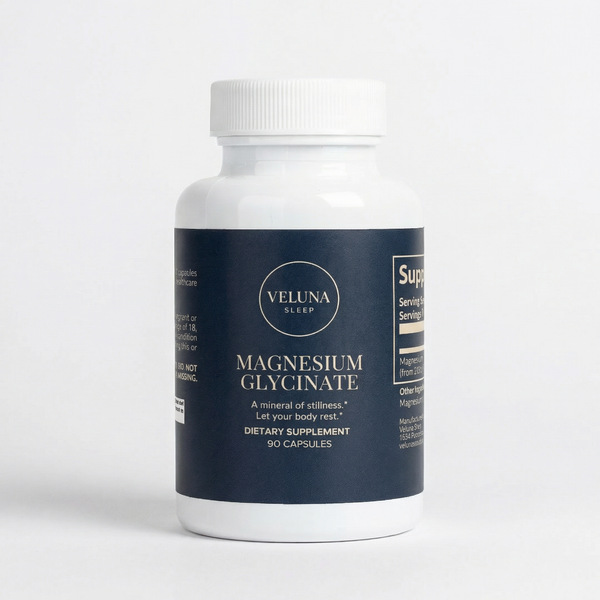
Glycinate is the better default for most sleep patterns; threonate makes sense when racing thoughts and cognitive overload are the specific barrier to sleep. Both are gentle on digestion. The decision is not "which is best" but "which fits the pattern keeping you up."
Choosing between magnesium glycinate and magnesium threonate for sleep can be confusing, as both are well-absorbed forms of this essential mineral and are frequently recommended for their calming and sleep-promoting properties. However, their distinct chemical structures lend themselves to subtly different benefits, making one potentially more suitable than the other depending on the specific sleep disruption you are experiencing.
Magnesium glycinate, a chelated form where magnesium is bound to the amino acid glycine, is generally favored for its role in promoting relaxation and reducing physical tension. Magnesium threonate, on the other hand, is a synthetic compound that binds magnesium to L-threonate, a substance that has demonstrated an enhanced ability to cross the blood-brain barrier. This difference in carrier molecule dictates their primary applications, with glycinate leaning towards general relaxation and stress reduction, and threonate focusing on cognitive function and brain health.
Understanding Magnesium's Role in Sleep
Magnesium is a vital mineral involved in over 300 biochemical reactions in the body, including those crucial for sleep regulation. It plays a key role in the functioning of the hypothalamic-pituitary-adrenal (HPA) axis, the body's central stress response system. Adequate magnesium levels help to modulate the release of stress hormones like cortisol, which can interfere with sleep onset and maintenance.
Furthermore, magnesium is a cofactor in the synthesis of melatonin, the primary hormone that regulates the sleep-wake cycle. It also influences neurotransmitters such as gamma-aminobutyric acid (GABA), which has inhibitory effects on the nervous system, promoting calmness and reducing anxiety. Deficiencies in magnesium have been linked to insomnia, restless legs syndrome, and increased sleep disturbances, as noted in a 2017 review published in the journal Nutrients.
Magnesium Glycinate: The Relaxation Specialist
Magnesium glycinate is formed by bonding magnesium with two molecules of glycine. Glycine itself is an inhibitory neurotransmitter that can reduce core body temperature and promote relaxation, making it a beneficial amino acid for sleep. This combination means that magnesium glycinate offers a dual action: the systemic benefits of magnesium absorption coupled with the calming effects of glycine.
This form is highly bioavailable and is known for being exceptionally gentle on the digestive system, a common issue with other magnesium forms like magnesium oxide or citrate. Its primary benefits revolve around reducing muscle tension, easing anxiety, and promoting a general sense of calm, which can be particularly helpful for individuals who experience physical discomfort or stress-related restlessness that prevents them from falling asleep. A 2020 study in the Journal of the American College of Nutrition highlighted magnesium's role in improving sleep quality and reducing insomnia symptoms, with chelated forms like glycinate offering good absorption.
Magnesium Threonate: The Brain Booster
Magnesium threonate stands apart due to its unique ability to efficiently cross the blood-brain barrier and increase magnesium levels in the brain. This enhanced brain penetration is attributed to the L-threonate moiety, which acts as a carrier. Research suggests that synaptic magnesium levels are critical for cognitive functions such as learning and memory, and that magnesium deficiency in the brain can impair these processes.
Studies, including preclinical work published in journals like Neuron, have indicated that magnesium threonate can improve cognitive performance, enhance learning, and support memory. While this might seem less directly related to sleep than glycinate's calming effects, optimal cognitive function and reduced mental rumination are crucial for deep, restorative sleep. For individuals whose sleep is disrupted by racing thoughts, anxiety, or a feeling of being mentally overstimulated, magnesium threonate can be a more targeted approach.
Magnesium Threonate vs. Glycinate: Which is Better for Sleep?
The question of which is "better" for sleep is nuanced. For the general population struggling with sleep due to common stressors, physical tension, or a "tired but wired" feeling, magnesium glycinate is often the preferred starting point. Its direct calming and muscle-relaxing properties address many common sleep barriers.
However, if your primary sleep challenge is an overactive mind, persistent worry, or difficulty quieting your thoughts at night, magnesium threonate may offer more targeted benefits. By increasing magnesium concentration in the brain, it can help to regulate neuronal excitability and promote a more settled mental state conducive to sleep. A 2023 review in Sleep Medicine Reviews emphasized the importance of both systemic and central nervous system magnesium levels for sleep architecture, suggesting that different forms might target different aspects of sleep regulation.
Can You Take Magnesium Glycinate and Magnesium Threonate Together?
Yes, in many cases, it is safe and potentially beneficial to take both magnesium glycinate and magnesium threonate. This approach allows you to harness the distinct advantages of each form. For instance, you might use magnesium glycinate to support overall relaxation and manage physical tension throughout the day or evening, while incorporating magnesium threonate specifically before bed to address mental chatter and promote cognitive recovery during sleep.
When combining forms, it is crucial to consider the total elemental magnesium intake to avoid exceeding recommended daily allowances, which can lead to side effects such as diarrhea. A common strategy is to take a dose of magnesium glycinate earlier in the day or as part of an evening routine for general relaxation, and then take magnesium threonate closer to bedtime if cognitive quieting is the primary goal. It is always advisable to consult with a healthcare professional before combining supplements, especially if you have underlying health conditions or are taking other medications.
Is Magnesium Threonate or Glycinate Better for the Brain?
When the focus is specifically on brain health, cognitive function, memory, and learning, magnesium threonate generally holds an advantage. Its unique ability to permeate the blood-brain barrier more effectively than other forms means it can directly increase magnesium levels in brain tissue. This is crucial because brain magnesium plays a vital role in synaptic plasticity, neurotransmitter function, and protecting neurons from excitotoxicity.
While magnesium glycinate also contributes to overall magnesium status, which indirectly supports brain health, it does not possess the same targeted brain-penetrating capability as magnesium threonate. Therefore, for cognitive enhancement, mood regulation related to brain chemistry, and protecting against age-related cognitive decline, magnesium threonate is often the form of choice, as supported by research examining its effects on cognitive performance.
Downsides of Magnesium Threonate
While magnesium threonate offers significant benefits, particularly for cognitive function, it is not without potential downsides. One of the primary considerations is its cost; magnesium threonate is typically more expensive than other common magnesium forms like glycinate or citrate, due to the complexity of its synthesis and its specialized application.
Additionally, while generally well-tolerated, some individuals may experience mild gastrointestinal discomfort, although this is less common than with forms like magnesium oxide. The most significant "downside" is not a direct adverse effect but rather a potential for misapplication. If an individual is experiencing sleep issues primarily due to physical tension or general anxiety, and they opt solely for magnesium threonate without addressing those underlying issues, they may not see the desired sleep improvements. It is crucial to match the supplement to the specific problem, and for general relaxation, glycinate is often more appropriate and cost-effective.
Magnesium and MTHFR Gene Variations
Individuals with MTHFR (methylenetetrahydrofolate reductase) gene variations often have challenges with folate metabolism and may have altered methylation pathways. Magnesium plays a crucial role in many enzymatic processes, including those involved in methylation and DNA repair. While MTHFR variations do not directly contraindicate magnesium supplementation, they can influence how the body utilizes certain nutrients.
For individuals with MTHFR variations, ensuring adequate magnesium intake is important for supporting overall cellular function and detoxification pathways. Both magnesium glycinate and magnesium threonate are good options, as they offer high bioavailability. However, it is particularly important for individuals with MTHFR to ensure they are also addressing their folate status, often with bioavailable forms like methylfolate, and to consult with a healthcare provider knowledgeable in MTHFR genetics to tailor their supplementation strategy.
Magnesium and Proton Pump Inhibitors (PPIs)
Proton pump inhibitors (PPIs) are commonly prescribed medications used to reduce stomach acid production, often for conditions like GERD or ulcers. Long-term use of PPIs can interfere with the absorption of certain minerals, including magnesium. This can lead to magnesium deficiency over time, even with adequate dietary intake.
If you are taking PPIs, it is advisable to discuss your magnesium status with your doctor. They may recommend magnesium supplementation. In this scenario, a highly absorbable form like magnesium glycinate or magnesium threonate is generally preferred over less bioavailable forms. This helps to ensure that the magnesium you take can be effectively absorbed and utilized by your body despite the reduced stomach acid environment caused by PPIs. A 2018 analysis in the American Journal of Medicine highlighted the potential for PPI-induced hypomagnesemia and the importance of monitoring.
Frequently Asked Questions
Should you take magnesium glycinate and magnesium L-threonate?
Yes, you can take both magnesium glycinate and magnesium L-threonate together. This approach allows you to benefit from glycinate's general relaxation and muscle-tension relief properties, while also leveraging threonate's enhanced brain penetration for cognitive calming. It's important to manage your total daily intake of elemental magnesium to avoid adverse effects.
Is magnesium threonate or glycinate better for the brain?
Magnesium threonate is generally considered better for the brain, particularly for cognitive functions like memory, learning, and mood regulation. This is because it is specifically designed to cross the blood-brain barrier more effectively than other magnesium forms, thereby increasing magnesium levels directly in brain tissue.
Can I take magnesium with MTHFR?
Yes, you can take magnesium with MTHFR gene variations. Magnesium is essential for numerous bodily functions, and individuals with MTHFR may benefit from adequate magnesium intake to support methylation and cellular processes. Both glycinate and threonate are good, bioavailable options.
Should you take magnesium if you take PPI?
If you are taking proton pump inhibitors (PPIs) long-term, it is recommended to discuss magnesium supplementation with your doctor. PPIs can impair magnesium absorption, potentially leading to deficiency. A highly bioavailable form like magnesium glycinate or threonate may be beneficial under medical guidance.
Which is better, magnesium L-threonate or glycinate?
Neither is definitively "better" overall; it depends on your specific needs. Magnesium glycinate is often preferred for general relaxation, stress reduction, and easing physical tension. Magnesium L-threonate is preferred when targeting cognitive function, memory, and quieting a racing mind.
What are the downsides of magnesium threonate?
The primary downsides of magnesium threonate include its higher cost compared to other forms and the potential for misapplication if not chosen for its specific cognitive benefits. While generally well-tolerated, some individuals may experience mild digestive upset, though this is less common than with other magnesium types.
For those seeking to enhance their sleep through natural means, understanding the distinct benefits of magnesium glycinate and magnesium threonate is key. If your sleep is disrupted by physical tension and stress, magnesium glycinate offers a gentle, effective solution. For mental restlessness and cognitive overload, magnesium threonate may be the more targeted choice. You can explore our dedicated Magnesium Glycinate product, or discover our comprehensive Sleep Formula, which may contain beneficial forms of magnesium. For broader strategies on achieving restful sleep, visit our sleep hygiene hub.