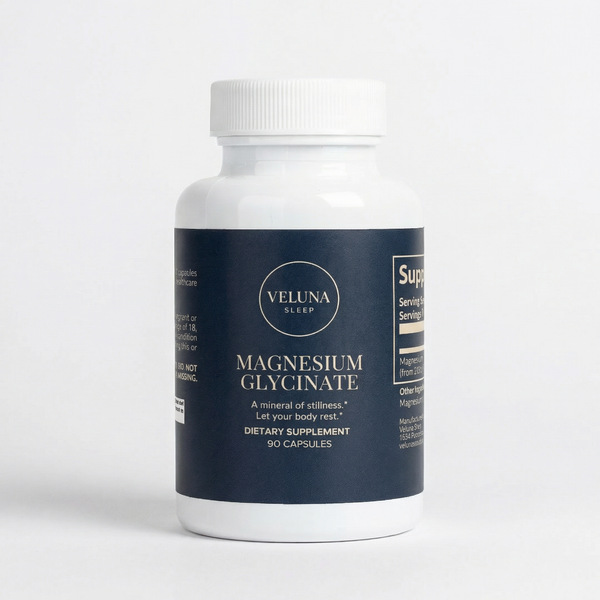
The quest for better sleep often leads individuals to explore various supplements, and magnesium glycinate has emerged as a prominent contender. Its popularity stems from the compound's dual action: the essential mineral magnesium, crucial for numerous bodily functions including nerve and muscle health, and glycine, an amino acid known for its calming properties. This combination is theorized to create a synergistic effect, promoting relaxation and facilitating a smoother transition into sleep. While anecdotal evidence abounds, a scientific understanding of its efficacy requires a closer look at the available research and the physiological mechanisms at play.
Understanding whether magnesium glycinate "actually" improves sleep requires a nuanced approach, moving beyond simple claims to examine how it interacts with the body's natural sleep architecture. The focus is less on a direct sedative effect and more on supporting the physiological conditions conducive to sleep. This involves exploring magnesium's role in neurotransmitter regulation, muscle relaxation, and stress response, alongside glycine's potential to influence brain activity and body temperature. By dissecting these components, we can construct a clearer picture of magnesium glycinate's potential benefits for sleep quality and duration.
Is Magnesium Glycinate Proven to Help Sleep?
The scientific evidence supporting magnesium glycinate's direct impact on sleep is promising, though still evolving. Numerous studies have investigated the role of magnesium in sleep regulation, with findings suggesting a positive correlation between adequate magnesium levels and improved sleep quality. A 2022 meta-analysis published in Sleep Medicine Reviews consolidated data from several trials, indicating that magnesium supplementation, in general, may lead to improvements in subjective sleep quality, sleep onset latency, and total sleep time, particularly in individuals experiencing insomnia.
Research discussed here relates to individual ingredients and does not establish that the finished Veluna product has been clinically studied or will produce the same results.
While these studies often encompass various forms of magnesium, magnesium glycinate is frequently favored due to its bioavailability and gentler gastrointestinal profile. The glycinate form ensures that the magnesium is effectively absorbed and utilized by the body, and the glycine component itself acts as an inhibitory neurotransmitter in the central nervous system. This means glycine can help to reduce neuronal excitability, promoting a sense of calm that is conducive to sleep. Therefore, while direct, large-scale clinical trials exclusively on magnesium glycinate for sleep are fewer than those on magnesium overall, the existing research on magnesium and the known properties of glycine strongly suggest its potential efficacy.
Magnesium's Role in Sleep Physiology
Magnesium is a critical cofactor in over 300 enzymatic reactions within the human body, many of which are directly or indirectly involved in sleep regulation. One of its primary roles is in modulating the activity of neurotransmitters, including gamma-aminobutyric acid (GABA), the brain's principal inhibitory neurotransmitter. GABA plays a vital role in calming nerve activity, reducing anxiety, and promoting relaxation, all of which are essential for initiating and maintaining sleep. Magnesium binds to GABA receptors, enhancing their effect and contributing to a more sedated state.
Furthermore, magnesium is involved in regulating the body's stress response system, the hypothalamic-pituitary-adrenal (HPA) axis. Chronic stress can disrupt sleep patterns by leading to elevated cortisol levels, which interfere with the natural circadian rhythm. By helping to regulate the HPA axis and reduce the release of stress hormones, magnesium can foster a more balanced physiological state that is more conducive to restful sleep. Its influence on muscle relaxation also contributes to a feeling of physical ease, reducing discomfort that might otherwise impede sleep onset.
Glycine's Contribution to Sleep and Relaxation
Glycine, the amino acid bound to magnesium in magnesium glycinate, is recognized for its own independent roles in promoting sleep and relaxation. As mentioned, it acts as an inhibitory neurotransmitter, particularly in the brainstem and spinal cord. This inhibitory action helps to calm down neural activity, which can be beneficial for reducing arousal and facilitating the transition to sleep. Research has shown that glycine can lower core body temperature, a physiological change that naturally occurs before and during sleep, further supporting its role in sleep initiation.
A study published in the Japanese Journal of Pharmacology in 2007 investigated the effects of glycine ingestion before sleep. Participants who took glycine reported feeling more refreshed upon waking and experienced improved subjective sleep quality. The researchers posited that glycine's ability to facilitate thermoregulation and reduce central nervous system arousal contributed to these positive outcomes. The combination of magnesium's broad physiological support for relaxation and glycine's specific neurotransmitter and thermoregulatory effects makes magnesium glycinate a compelling option for those seeking sleep support.
The Downside of Magnesium Glycinate: What to Consider
While magnesium glycinate is generally well-tolerated, it is not without potential downsides, particularly if not used appropriately. The most common side effect, especially at higher doses, is gastrointestinal distress, such as nausea or diarrhea. However, compared to other forms of magnesium like magnesium citrate or oxide, magnesium glycinate is significantly less likely to cause these issues due to its chelated structure, which enhances absorption and reduces the osmotic effect in the gut. For most individuals, starting with a lower dose and gradually increasing it can mitigate these risks.
Another consideration is the potential for magnesium glycinate to interact with certain medications. Individuals taking specific drugs, such as antibiotics (tetracyclines and quinolones), bisphosphonates, or diuretics, should consult their healthcare provider before starting magnesium supplementation. Magnesium can affect the absorption or efficacy of these medications. Furthermore, while magnesium glycinate is not typically associated with a sedative effect that would cause daytime grogginess, taking too much, especially if you are not deficient, could theoretically lead to feelings of lethargy. It's crucial to adhere to recommended dosages and listen to your body's response.
Can I Take Magnesium Glycinate While on GLP-1?
For individuals managing conditions like type 2 diabetes or obesity with GLP-1 receptor agonists (GLP-1s), the question of concurrent magnesium glycinate supplementation is important. Generally, there is no direct contraindication for taking magnesium glycinate while on GLP-1 medications. Both work through different physiological pathways. GLP-1s mimic the action of the GLP-1 hormone to help regulate blood sugar and appetite, while magnesium glycinate focuses on mineral and amino acid support for relaxation and nerve function.
However, it is always prudent for patients to discuss any new supplement regimen with their prescribing physician or a registered dietitian. This is because GLP-1s can sometimes cause gastrointestinal side effects, such as nausea, which could be exacerbated by magnesium's potential to cause stomach upset if taken at too high a dose. Additionally, some individuals on GLP-1s may experience changes in nutrient absorption or metabolism, making personalized medical advice essential to ensure optimal safety and efficacy of both the medication and the supplement.
Should You Take Magnesium If You Take PPIs?
Proton pump inhibitors (PPIs) are commonly prescribed to reduce stomach acid production for conditions like GERD and ulcers. A well-documented side effect of long-term PPI use is a reduction in magnesium absorption, potentially leading to hypomagnesemia (low magnesium levels). This is because PPIs can interfere with the mechanisms in the small intestine responsible for magnesium uptake. Therefore, individuals taking PPIs, especially for extended periods, may be at risk of magnesium deficiency and might benefit from magnesium supplementation.
Magnesium glycinate, being a well-absorbed form, can be a suitable option for replenishing magnesium levels in individuals on PPIs. However, it is crucial to approach this with caution and under medical supervision. A healthcare provider can assess current magnesium levels through a blood test and recommend an appropriate dosage. They can also monitor for any potential interactions or side effects. Self-treating a suspected magnesium deficiency without professional guidance is not recommended, as excessive magnesium intake can also have adverse effects.
Can I Take Magnesium with MTHFR?
The MTHFR gene mutation affects the body's ability to process folate (vitamin B9) efficiently. While magnesium glycinate does not directly interact with the MTHFR pathway in the same way as methylated B vitamins (like methylfolate or methylcobalamin), it can still be a beneficial supplement for individuals with MTHFR variations. Magnesium plays a role in numerous enzymatic processes, and some individuals with MTHFR mutations may have broader metabolic challenges that magnesium can help support.
For instance, magnesium is involved in DNA synthesis and repair, and adequate levels are important for overall cellular function. Some research suggests that individuals with MTHFR mutations may have altered magnesium metabolism or increased magnesium requirements. Therefore, taking magnesium glycinate, especially if a deficiency is identified, can be part of a comprehensive approach to managing health alongside specific MTHFR-related interventions. As always, consulting with a healthcare professional or a genetic counselor is recommended to tailor supplementation strategies to individual genetic profiles and health needs.
What Are the 7 Signs Your Body Needs Magnesium?
Magnesium deficiency, or hypomagnesemia, can manifest in a variety of subtle and sometimes significant ways. Recognizing these signs can prompt a conversation with a healthcare provider about potential magnesium supplementation. While not exhaustive, here are seven common indicators that your body might be signaling a need for more magnesium:
- Muscle Cramps and Spasms: Involuntary muscle contractions, twitches, or cramps, particularly in the legs, are a classic sign. Magnesium is crucial for muscle relaxation, and its deficiency can lead to overexcitation of muscle fibers.
- Fatigue and Weakness: Persistent tiredness and a general lack of energy, even with adequate rest, can be linked to magnesium's role in energy production and utilization within cells.
- Anxiety and Mood Disturbances: Magnesium plays a role in regulating neurotransmitters involved in mood, such as serotonin. Low levels are associated with increased anxiety, irritability, and even symptoms of depression.
- Sleep Problems: Difficulty falling asleep, staying asleep, or experiencing restless sleep can be a sign. As discussed, magnesium is vital for calming the nervous system and promoting relaxation, which are prerequisites for good sleep.
- Headaches and Migraines: Magnesium deficiency has been linked to an increased frequency and severity of headaches and migraines. It may help to reduce neuroinflammation and regulate blood vessel tone.
- Irregular Heartbeat or Palpitations: Magnesium is essential for maintaining a steady heart rhythm, as it helps to regulate the electrical activity of the heart muscle.
- High Blood Pressure: Studies have shown a correlation between low magnesium intake and higher blood pressure. Magnesium helps relax blood vessels, which can contribute to lower blood pressure.
It is important to note that these symptoms can be indicative of other health issues as well. Therefore, a proper diagnosis from a healthcare professional is necessary before starting any supplementation regimen.
How Long Does It Take for Magnesium Glycinate to Work for Sleep?
The timeframe for experiencing the benefits of magnesium glycinate for sleep can vary significantly from person to person, influenced by factors such as the severity of any existing magnesium deficiency, individual metabolism, diet, and overall lifestyle. For some individuals who are significantly deficient in magnesium, noticeable improvements in sleep quality might be observed within a few days to a couple of weeks of consistent supplementation.
However, for others, especially those with only mild deficiencies or those whose sleep issues stem from multiple factors beyond magnesium levels, it might take longer. It is not uncommon for it to take 2-4 weeks of consistent daily use to build up sufficient levels in the body and for the cumulative effects on the nervous system and sleep regulation to become apparent. It is also crucial to pair magnesium glycinate with good sleep hygiene practices, as supplements are most effective when they complement a healthy lifestyle rather than replace foundational sleep habits.
Melatonin vs. Magnesium Glycinate for Sleep
Both melatonin and magnesium glycinate are popular choices for sleep support, but they work through different mechanisms. Melatonin is a hormone naturally produced by the pineal gland that regulates the body's sleep-wake cycle (circadian rhythm). It signals to the body that it is time to sleep, particularly by responding to darkness. Melatonin supplements are often used to help with jet lag, shift work disorder, or general difficulty falling asleep due to a disrupted circadian rhythm.
Magnesium glycinate, on the other hand, works by supporting the nervous system's relaxation response and muscle function. It does not directly signal sleep in the way melatonin does but rather creates a physiological environment conducive to sleep by calming the brain and body. For individuals whose sleep issues are related to anxiety, stress, or muscle tension, magnesium glycinate might be more beneficial. For those whose primary issue is a misaligned circadian rhythm, melatonin might be the more direct approach. Some individuals may find a combination of both to be effective, as they address different aspects of sleep regulation.
Best Magnesium Glycinate for Sleep and Anxiety
When selecting a magnesium glycinate supplement for sleep and anxiety, several factors are important. Firstly, look for a product that clearly states the amount of elemental magnesium per serving, as this is the active form that the body utilizes. Many supplements list the total weight of magnesium glycinate, which includes the glycine molecule. A typical effective dose for sleep support often ranges from 100-200 mg of elemental magnesium per day, though some may benefit from up to 400 mg. It is advisable to start with a lower dose and increase as needed, as recommended by a healthcare professional.
Secondly, consider the purity and quality of the supplement. Reputable brands will often undergo third-party testing to ensure their products are free from contaminants and accurately labeled. The form itself, magnesium glycinate (also known as magnesium bisglycinate), is generally considered the best choice for sleep and anxiety due to its high bioavailability and gentle nature on the digestive system. Brands that specialize in evidence-based formulations and transparent sourcing are generally preferred. Reading reviews from other users who have similar goals can also provide insights, but always prioritize professional medical advice.
Frequently Asked Questions
Is magnesium glycinate proven to help sleep?
While direct, large-scale clinical trials exclusively on magnesium glycinate for sleep are still emerging, the existing body of research on magnesium's role in sleep regulation, coupled with the known calming effects of glycine, strongly suggests its potential efficacy. Studies on magnesium supplementation in general have shown improvements in subjective sleep quality, sleep onset latency, and total sleep time, particularly in individuals experiencing insomnia.
What is the downside of magnesium glycinate?
The primary potential downside of magnesium glycinate is gastrointestinal distress, such as nausea or diarrhea, especially at higher doses. However, it is generally much better tolerated than other forms like magnesium citrate. Other considerations include potential interactions with certain medications and the importance of not exceeding recommended dosages to avoid lethargy.
Can I take magnesium glycinate while on GLP-1?
Generally, yes. There is no direct contraindication for taking magnesium glycinate while on GLP-1 medications. However, it is always recommended to discuss any new supplement with your healthcare provider, as GLP-1s can sometimes cause gastrointestinal side effects that could be compounded by magnesium, and personalized medical advice is crucial.
Should you take magnesium if you take PPI?
Individuals taking proton pump inhibitors (PPIs) long-term may experience reduced magnesium absorption and could be at risk of deficiency. In such cases, magnesium supplementation, potentially with magnesium glycinate due to its good absorption, might be beneficial. However, this should always be done under the guidance of a healthcare professional who can assess magnesium levels and recommend appropriate dosages.
Can I take magnesium with MTHFR?
Yes, magnesium glycinate can be a beneficial supplement for individuals with MTHFR gene variations. While it doesn't directly interact with the MTHFR pathway like methylated B vitamins, magnesium supports numerous enzymatic processes and overall cellular function, which can be particularly important for those with MTHFR mutations. Consulting a healthcare provider is recommended for personalized advice.
What are the 7 signs your body needs magnesium?
Seven common signs include muscle cramps and spasms, fatigue and weakness, anxiety and mood disturbances, sleep problems, headaches and migraines, irregular heartbeats, and high blood pressure. These symptoms can indicate a potential deficiency, but a medical diagnosis is necessary.
For readers looking to build a more robust sleep routine that incorporates the calming benefits of magnesium glycinate, Veluna offers targeted solutions. Our Sleep Formula is designed to support relaxation and nighttime recovery, while our pure Magnesium Glycinate product provides a high-quality, bioavailable form of this essential mineral. To complement your supplement regimen, explore our comprehensive Sleep Hygiene Hub for evidence-based strategies to optimize your sleep environment and habits.
Recommended Veluna products for this topic:
- Veluna Magnesium Glycinate — highly bioavailable magnesium glycinate.