Navigating the landscape of sleep aids can be complex, with numerous compounds promising improved rest. Among these, L-theanine and magnesium L-threonate stand out for their distinct yet often overlapping benefits related to relaxation, stress management, and cognitive function. While both can contribute to better sleep, their primary mechanisms of action and optimal use cases differ significantly. Understanding these differences is crucial for making an informed choice tailored to individual needs.
L-theanine, an amino acid found primarily in tea leaves, is celebrated for its ability to promote a state of calm, focused relaxation without inducing drowsiness. Magnesium L-threonate, a form of magnesium that readily crosses the blood-brain barrier, offers a broader range of neurological benefits, including support for cognitive function and nervous system regulation. This article delves into the scientific evidence surrounding each compound, comparing their efficacy, safety profiles, and ideal applications to help you determine which, if either, is the right choice for your sleep goals.
Understanding L-Theanine's Role in Sleep and Relaxation
L-theanine is an amino acid renowned for its anxiolytic and calming properties. It achieves this by influencing neurotransmitter systems in the brain. Notably, L-theanine has been shown to increase alpha brain wave activity, a state associated with relaxed alertness and a reduction in mental clutter. This effect allows individuals to feel more tranquil and focused, which can be particularly beneficial for those whose sleep difficulties stem from racing thoughts or anxiety.
Research published in journals like *Nutrients* has indicated that L-theanine can improve sleep quality, particularly in individuals experiencing psychological distress. By modulating levels of key neurotransmitters such as gamma-aminobutyric acid (GABA), serotonin, and dopamine, L-theanine helps to create a more balanced neurochemical environment conducive to rest. A 2020 review in the *Journal of the American College of Nutrition* highlighted its potential to reduce the severity of sleep complaints and improve subjective sleep quality without causing daytime sedation, making it a valuable tool for managing stress-induced insomnia.
Magnesium L-Threonate: Enhancing Cognitive Function and Nervous System Health
Magnesium L-threonate is a unique form of magnesium specifically engineered to enhance brain magnesium levels. Unlike other forms of magnesium, it possesses a superior ability to cross the blood-brain barrier, allowing it to exert direct effects on neural function. This enhanced brain penetration is key to its reported benefits in cognitive health, including memory, learning, and attention, as well as its role in modulating the nervous system's response to stress.
Studies, including preclinical research, suggest that magnesium L-threonate can help normalize synaptic plasticity and reduce age-related cognitive decline. By increasing magnesium concentrations in the brain, it supports the function of neurons and may protect against excitotoxicity. This neuroprotective and regulatory role is indirectly beneficial for sleep by fostering a calmer, more resilient nervous system. Furthermore, magnesium is an essential cofactor for numerous enzymatic reactions, including those involved in melatonin synthesis, a hormone critical for regulating sleep-wake cycles.
Research discussed here relates to individual ingredients and does not establish that the finished Veluna product has been clinically studied or will produce the same results.
Direct Comparison: L-Theanine vs. Magnesium L-Threonate for Sleep
When directly comparing L-theanine and magnesium L-threonate for sleep, their primary differences lie in their core mechanisms and the types of sleep disturbances they are best suited to address. L-theanine primarily targets the mental aspects of sleep onset, such as anxiety and overthinking, promoting a state of relaxed wakefulness that can transition into sleep. Its action is more acute and focused on calming the mind.
Magnesium L-threonate, on the other hand, offers a more systemic approach to sleep support through its impact on brain magnesium levels and nervous system regulation. While it can contribute to relaxation, its benefits extend to cognitive function and long-term neurological health. For individuals whose sleep issues are compounded by cognitive stress or a generally overactive nervous system, magnesium L-threonate may provide a more foundational level of support. The question of "What is better, magnesium L-threonate or L-theanine?" therefore depends heavily on the individual's specific sleep challenges.
Synergistic Effects: Can You Take L-Theanine and Magnesium L-Threonate Together?
The combination of L-theanine and magnesium L-threonate is often explored for its potential synergistic effects on sleep and cognitive well-being. Because they work through different primary pathways—L-theanine on neurotransmitter modulation for mental calm, and magnesium L-threonate on brain magnesium levels for neural regulation—they can complement each other effectively. This combination is sometimes referred to as a "sleep cocktail" and is designed to address both the mental chatter that prevents sleep and the underlying nervous system regulation required for deep rest.
Evidence suggests that combining these compounds may offer a more comprehensive approach to sleep improvement than either alone, particularly for individuals experiencing both stress-related insomnia and a general need for cognitive and nervous system support. The synergy lies in addressing different facets of the sleep disruption: L-theanine calms the immediate mental agitation, while magnesium L-threonate supports long-term brain health and nervous system resilience. This dual action can lead to improved sleep onset, duration, and quality, as well as enhanced daytime cognitive function. Research into specific combinations, such as the "Magnesium Threonate Apigenin Theanine cocktail," reflects this interest in synergistic formulations.
Magnesium L-Threonate vs. L-Theanine for ADHD
For individuals with Attention-Deficit/Hyperactivity Disorder (ADHD), both L-theanine and magnesium L-threonate are sometimes considered for their potential to manage certain symptoms, though their roles differ. L-theanine is often explored for its ability to promote calm focus and reduce the hyperactivity and impulsivity associated with ADHD, without the sedative effects of some other compounds. It may help to quiet racing thoughts and improve attention span in some individuals, as suggested by its alpha wave-inducing properties.
Magnesium L-threonate's relevance to ADHD stems from research indicating that magnesium deficiency can exacerbate ADHD symptoms, including inattention, hyperactivity, and emotional dysregulation. By increasing brain magnesium levels, magnesium L-threonate may help to improve executive functions, attention, and impulse control. Some studies suggest it can be beneficial for children with ADHD, potentially improving their behavior and cognitive performance. Therefore, the choice between "Magnesium l threonate vs L theanine For ADHD" depends on whether the primary goal is to manage immediate anxiety and restlessness (L-theanine) or to address potential underlying magnesium deficiencies and support long-term cognitive regulation (magnesium L-threonate).
Safety and Potential Downsides of Magnesium L-Threonate
Magnesium L-threonate is generally considered safe for most individuals when taken at recommended dosages. However, like any supplement, it can have potential downsides or side effects. The most commonly reported side effects are gastrointestinal in nature, such as diarrhea, nausea, or stomach cramps. These are often dose-dependent and may be mitigated by starting with a lower dose and gradually increasing it, or by taking it with food.
A significant consideration for magnesium L-threonate is its potential to interact with certain medications, particularly those for cardiovascular conditions or antibiotics. Individuals with kidney disease should exercise caution and consult a healthcare professional before use, as impaired kidney function can affect the body's ability to excrete excess magnesium. "Is there a downside to taking magnesium L-threonate?" The primary downsides are potential gastrointestinal upset and the need to consider interactions and pre-existing health conditions, rather than inherent toxicity.
L-Theanine and Schizophrenia: A Closer Look
The use of L-theanine in individuals with schizophrenia is an area of interest, primarily due to its potential to modulate neurotransmitter systems that are implicated in the disorder. Schizophrenia is characterized by complex neurochemical imbalances, including dysregulation of dopamine and glutamate pathways. L-theanine's ability to influence GABA, serotonin, and dopamine systems has led to investigations into its adjunctive therapeutic potential.
While L-theanine is not a standalone treatment for schizophrenia, some research suggests it may help alleviate certain symptoms. A systematic review published in *Frontiers in Psychiatry* indicated that L-theanine, when used as an add-on therapy, could potentially reduce negative symptoms and improve cognitive function in individuals with schizophrenia. However, it is crucial for individuals with schizophrenia to consult their psychiatrist or healthcare provider before taking L-theanine, as it may interact with prescribed antipsychotic medications and its efficacy as an adjunctive treatment requires further robust clinical trials. Therefore, "Can people with schizophrenia take L-theanine?" is best answered with a qualified "yes, under medical supervision."
Magnesium and Sleep Apnea: What the Science Says
The relationship between magnesium and sleep apnea is an area of ongoing research. Sleep apnea, particularly obstructive sleep apnea (OSA), is characterized by repeated episodes of airway obstruction during sleep, leading to disrupted breathing and reduced oxygen levels. Magnesium plays a role in muscle function and nerve transmission, and its deficiency has been linked to various health issues, including those that can exacerbate sleep apnea.
Some studies suggest that magnesium supplementation, including magnesium L-threonate, may be beneficial for individuals with sleep apnea. Magnesium is involved in regulating smooth muscle tone in the airways and can influence respiratory function. A 2017 study in the *Journal of Family Medicine and Primary Care* indicated that magnesium supplementation might improve certain parameters in patients with OSA, potentially by reducing airway resistance and improving sleep quality. However, it is important to note that magnesium is not a cure for sleep apnea, and its use should be considered complementary to established treatments like CPAP therapy. The question, "Should people with sleep apnea take magnesium?" is best answered by consulting a sleep specialist who can assess individual needs and potential benefits alongside standard treatments.
Magnesium for Parkinson's Disease: A Specific Consideration
Parknesium's role in neurological health extends to conditions like Parkinson's disease, a neurodegenerative disorder primarily affecting dopamine-producing neurons. While research is still developing, magnesium's involvement in neurotransmitter function and cellular protection makes it a compound of interest for managing Parkinson's symptoms. Magnesium is a cofactor for enzymes involved in dopamine synthesis and metabolism, and its deficiency has been observed in some individuals with Parkinson's.
Studies have explored whether magnesium supplementation can help mitigate motor and non-motor symptoms of Parkinson's disease. Some preclinical and early clinical findings suggest potential benefits in areas like tremor reduction and improved muscle control, possibly by influencing calcium channels and neuroinflammation. However, the specific form of magnesium that might be most beneficial, such as magnesium L-threonate for its brain-penetrating capabilities, requires further investigation. "Which magnesium is best for Parkinson's?" is not definitively answered by current research, but magnesium L-threonate's ability to increase brain magnesium levels makes it a plausible candidate for future exploration in this context.
Addressing Anxiety: L-Theanine vs. Magnesium L-Threonate
Both L-theanine and magnesium L-threonate are frequently sought for their anxiolytic properties, but they approach anxiety from different angles. L-theanine is primarily known for its rapid calming effect, promoting relaxation without sedation by increasing alpha brain waves and modulating GABA levels. This makes it an excellent choice for acute stress or anxiety that interferes with sleep or daily functioning. Its effects are commonly reported to be felt within 30-60 minutes of consumption. Individual responses vary.
Magnesium L-threonate, while also capable of reducing anxiety, works through a more sustained mechanism by optimizing brain magnesium levels, which are crucial for regulating the stress response pathways. Chronic stress and anxiety can deplete magnesium stores, and magnesium L-threonate helps to replenish these reserves, thereby supporting long-term nervous system resilience. While its effects may not be as immediate as L-theanine's, it contributes to a more stable mood and reduced reactivity to stressors over time. Therefore, the choice between them for anxiety depends on whether immediate relief or long-term regulation is the priority. Anecdotal reports, such as discussions about celebrity sleep and anxiety remedies like "What does Taylor Swift take for anxiety?", often point to a combination of strategies, including supplements known for their calming effects.
Frequently Asked Questions
What is better, magnesium L-threonate or L-theanine?
The "better" choice between magnesium L-threonate and L-theanine depends entirely on individual needs and the specific symptoms being addressed. L-theanine excels at promoting immediate relaxation and reducing mental chatter without causing drowsiness, making it ideal for stress-related sleep onset issues. Magnesium L-threonate offers broader neurological benefits, including cognitive enhancement and nervous system regulation, by increasing brain magnesium levels, which can support long-term sleep quality and resilience to stress.
Can people with schizophrenia take L-theanine?
People with schizophrenia may consider taking L-theanine as an adjunctive therapy, as some research suggests it could help alleviate certain symptoms and improve cognitive function. However, it is crucial that they consult their psychiatrist or healthcare provider before use. L-theanine can potentially interact with antipsychotic medications, and its role as a complementary treatment requires careful medical supervision and further clinical validation.
Should people with sleep apnea take magnesium?
Some research indicates that magnesium supplementation might offer benefits for individuals with sleep apnea, potentially by improving airway muscle tone and sleep quality. However, magnesium is not a primary treatment for sleep apnea and should be considered complementary to established therapies like CPAP. Individuals with sleep apnea should discuss magnesium supplementation with their sleep specialist to determine if it is appropriate for their specific condition.
Which magnesium is best for Parkinson's?
The optimal form of magnesium for Parkinson's disease is still under investigation. However, magnesium L-threonate's ability to readily cross the blood-brain barrier and increase brain magnesium levels makes it a promising candidate for future research into mitigating Parkinson's symptoms. Current evidence is not definitive, and further studies are needed to establish specific recommendations.
Is there a downside to taking magnesium L-threonate?
The primary downsides of magnesium L-threonate are potential gastrointestinal side effects, such as diarrhea or nausea, which are usually dose-dependent. It can also interact with certain medications. Individuals with kidney disease should exercise caution and consult a healthcare professional before use. Overall, it is considered safe when used appropriately.
What does Taylor Swift take for anxiety?
While there is no public confirmation of specific supplements or medications Taylor Swift takes for anxiety, discussions around celebrity wellness often include compounds like L-theanine and various forms of magnesium, which are known for their calming and stress-reducing properties. These are commonly explored by individuals seeking natural ways to manage anxiety and improve sleep.
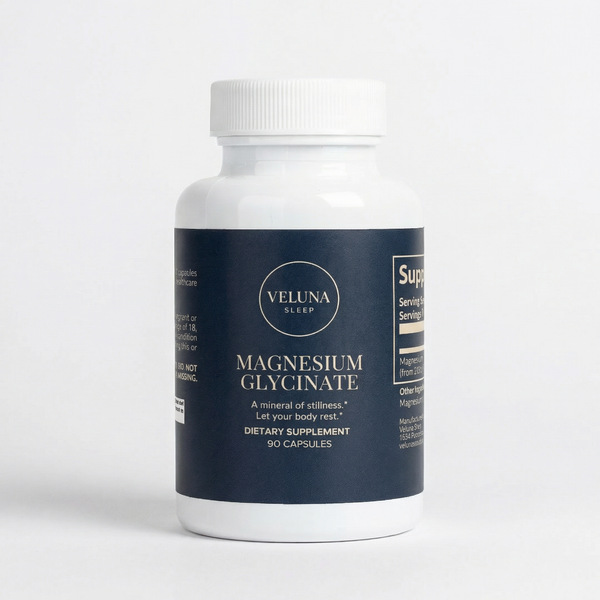
Choosing between L-theanine and magnesium L-threonate, or deciding to combine them, requires a nuanced understanding of your personal sleep and wellness goals. For those seeking immediate relief from racing thoughts that disrupt sleep onset, L-theanine's calming, non-sedating effects may be most beneficial. If your focus is on broader nervous system regulation, cognitive support, and long-term resilience against stress-related sleep disturbances, magnesium L-threonate's unique brain-penetrating properties might be a more suitable foundation. Exploring synergistic combinations, such as those incorporating magnesium L-threonate with other calming agents, can offer a comprehensive approach. For those interested in optimizing their sleep through natural means, our Veluna Sleep Formula and Magnesium Glycinate offer targeted support, while our sleep hygiene hub provides essential strategies for establishing consistent, restorative sleep patterns.