Key Takeaways
✓ GABA acts directly on GABA receptors in the brain, promoting relaxation and reducing anxiety, which can improve sleep quality (Gottesmann, 2002).
✓ Tryptophan is a precursor to serotonin and melatonin, hormones that regulate mood and sleep, making it beneficial for those with sleep disturbances related to mood (Kim et al., 2019).
✓ While both GABA and tryptophan are generally safe, individual responses can vary, and consulting with a healthcare professional is advisable, especially if you have underlying health conditions or are taking other medications.
GABA vs. Tryptophan: Finding Your Best Sleep Solution
Struggling to get a good night's sleep? You're likely exploring various options to help you drift off more easily. Two popular contenders in the realm of sleep aids are GABA (gamma-aminobutyric acid) and tryptophan. Both are natural compounds that play roles in promoting relaxation and improving sleep quality, but they work through different mechanisms. Understanding the nuances of GABA vs. tryptophan can help you make an informed decision about which supplement might be right for you. This article will delve into the science behind each, comparing their benefits, dosages, and the research supporting their use as sleep aids. If you're also considering other options, see our article on non-prescription strategies to improve sleep naturally.
GABA: The Calming Neurotransmitter
GABA is a neurotransmitter that inhibits nerve transmission in the brain, effectively calming nervous activity. It’s like a natural brake for your brain, reducing anxiety, stress, and fear. By slowing down brain activity, GABA helps you relax and prepares your body for sleep. Research indicates that GABA plays a crucial role in the sleep-wake cycle [3]. Supplementing with GABA may help increase feelings of relaxation, making it easier to fall asleep and stay asleep.
How GABA Works
GABA functions by binding to GABA receptors in the brain. When GABA binds to these receptors, it reduces the excitability of neurons, leading to a calming effect. This inhibitory action helps to counteract the effects of excitatory neurotransmitters, such as glutamate, which can cause overstimulation and anxiety. Essentially, GABA helps maintain a balance in the brain, preventing it from becoming overactive. A balanced neurotransmitter system is vital for healthy sleep patterns. When GABA levels are insufficient, it can lead to insomnia and restless sleep.
Benefits of GABA for Sleep
- Reduces Sleep Latency: Some studies suggest that GABA supplementation can decrease the time it takes to fall asleep [5].
- Improves Sleep Efficiency: GABA may enhance the overall quality of your sleep, leading to more restful nights [2].
- Alleviates Anxiety: By promoting relaxation, GABA can help reduce anxiety levels that often interfere with sleep [3].
One study showed that a mixture of GABA and L-theanine decreased sleep latency and improved non-rapid eye movement (NREM) sleep [5]. Another study in overweight women found that GABA supplementation improved sleep efficiency and reduced depression [2]. These findings suggest that GABA could be a valuable tool for improving sleep, especially when combined with other calming agents.
GABA Dosage and Considerations
The appropriate dosage of GABA can vary depending on the individual and the specific product. Typical dosages range from 100mg to 3,000mg per day, often taken 30-60 minutes before bedtime. However, it’s essential to start with a lower dose and gradually increase it to assess your tolerance and response. While GABA is generally considered safe, some people may experience mild side effects such as drowsiness, fatigue, or stomach upset.
It's also important to note that the effectiveness of oral GABA supplements has been debated, as GABA is thought to have difficulty crossing the blood-brain barrier. However, some research suggests that oral GABA can indeed have beneficial effects on sleep and relaxation [6]. Additionally, certain herbal remedies, like valerian root, may influence the GABAergic system, potentially enhancing GABA's effects [1].
Tryptophan: The Sleep Hormone Precursor
Tryptophan is an essential amino acid that your body uses to produce serotonin and melatonin. Serotonin is a neurotransmitter that regulates mood, and melatonin is a hormone that controls your sleep-wake cycle. Because tryptophan is a precursor to these important compounds, it plays a vital role in promoting healthy sleep. When you consume tryptophan, your body converts it into serotonin, which can help improve your mood and reduce anxiety. Serotonin is then converted into melatonin, which signals to your body that it’s time to sleep. Adequate tryptophan levels are crucial for maintaining a regular sleep schedule and preventing insomnia.
How Tryptophan Works
Tryptophan works by first being converted into 5-hydroxytryptophan (5-HTP), which is then converted into serotonin. Serotonin affects mood and behavior, and it is also a precursor to melatonin. Melatonin is released by the pineal gland in response to darkness, helping to regulate your circadian rhythm and promote sleep. The conversion of tryptophan to serotonin and melatonin is influenced by various factors, including the presence of other nutrients, such as vitamin B6 and magnesium. These nutrients act as cofactors in the enzymatic reactions that convert tryptophan into its downstream products.
Benefits of Tryptophan for Sleep
- Promotes Melatonin Production: Tryptophan helps your body produce melatonin, which regulates your sleep-wake cycle.
- Improves Mood: By increasing serotonin levels, tryptophan can help improve your mood and reduce symptoms of depression and anxiety, which can indirectly improve sleep.
- May Reduce Sleep Disturbances: Some studies suggest that tryptophan supplementation can help reduce sleep disturbances and improve overall sleep quality.
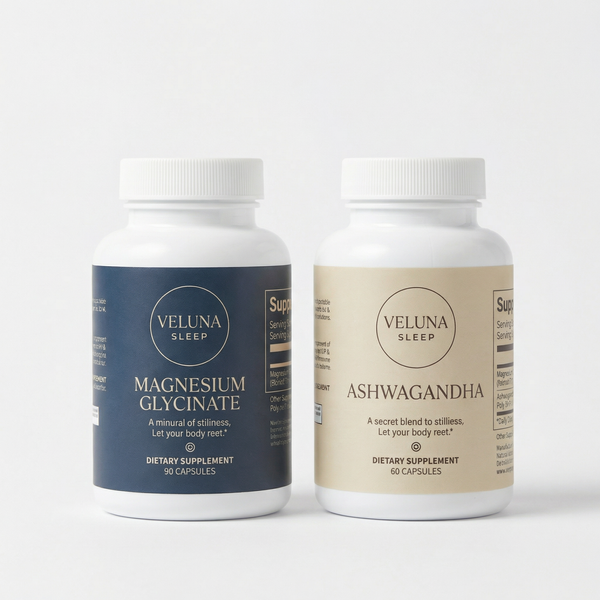
Research has shown that tryptophan supplementation can be particularly beneficial for people with mild insomnia. It may help shorten the time it takes to fall asleep and increase the duration of sleep. Additionally, tryptophan's mood-enhancing effects can be especially helpful for those whose sleep problems are related to anxiety or depression. For those seeking natural ways to manage anxiety and stress, exploring supplements like Veluna Ashwagandha might also be beneficial, as it helps regulate stress hormones and promote relaxation.
Tryptophan Dosage and Considerations
Typical dosages of tryptophan range from 500mg to 2,000mg per day, taken about 30-60 minutes before bedtime. It’s best to take tryptophan on an empty stomach, as other amino acids can interfere with its absorption. While tryptophan is generally safe, some people may experience side effects such as nausea, dizziness, or headache. It’s also important to be cautious when taking tryptophan with other medications that affect serotonin levels, such as antidepressants, as this could potentially lead to serotonin syndrome.
| Factor | GABA | Tryptophan |
|---|---|---|
| Mechanism | Directly inhibits nerve transmission in the brain | Precursor to serotonin and melatonin |
| Best fit | Individuals with difficulty relaxing and falling asleep due to overactive mind | Individuals with sleep disturbances related to mood and anxiety |
| Typical dosage | 100mg to 3,000mg | 500mg to 2,000mg |
| Main caution | Potential drowsiness and debated ability to cross the blood-brain barrier | Potential nausea, dizziness, and interaction with serotonergic medications |
GABA vs. Tryptophan: Head-to-Head Comparison
Now that we’ve explored GABA and tryptophan individually, let’s compare them directly to help you determine which one might be the better choice for your sleep needs.
Mechanism of Action
GABA works by directly inhibiting nerve transmission in the brain, promoting relaxation and reducing anxiety. It binds to GABA receptors, which decreases neuronal excitability and calms the nervous system [3]. This direct action can be particularly helpful for people who struggle to relax and fall asleep due to an overactive mind.
Tryptophan, on the other hand, works indirectly by serving as a precursor to serotonin and melatonin. It needs to be converted into these compounds before it can exert its effects on mood and sleep. This conversion process can be influenced by various factors, such as the presence of other nutrients and individual differences in metabolism.
Best Fit for Sleep Issues
GABA is often recommended for people who have difficulty relaxing and falling asleep due to an overactive mind or high levels of stress. Its calming effects can help quiet the mental chatter that often keeps people awake at night. GABA might be a good choice if you often find yourself tossing and turning, unable to switch off your thoughts.
Tryptophan is often recommended for people with sleep disturbances related to mood and anxiety. If you struggle with symptoms of depression or anxiety that interfere with your sleep, tryptophan may be a more suitable option. Its ability to boost serotonin levels can help improve your mood, which in turn can lead to better sleep. For those also seeking to enhance their athletic performance, exploring the best sleep supplements for athletes might be beneficial, as quality sleep is crucial for recovery and performance.
Dosage and Timing
The typical dosage of GABA ranges from 100mg to 3,000mg per day, taken 30-60 minutes before bedtime. It’s best to start with a lower dose and gradually increase it to assess your tolerance. The dosage of tryptophan typically ranges from 500mg to 2,000mg per day, also taken 30-60 minutes before bedtime. Tryptophan is best taken on an empty stomach to enhance its absorption.
Potential Side Effects
While both GABA and tryptophan are generally considered safe, they can cause side effects in some people. GABA may cause drowsiness, fatigue, or stomach upset. Tryptophan may cause nausea, dizziness, or headache. It’s important to be aware of these potential side effects and to consult with a healthcare professional if you experience any adverse reactions.
Research Support
Research supports the use of both GABA and tryptophan for improving sleep, but the findings are not always consistent. Some studies have shown that GABA supplementation can reduce sleep latency and improve sleep efficiency [5]. Other studies have found that tryptophan supplementation can improve mood and reduce sleep disturbances. The effectiveness of these supplements can vary depending on individual factors and the specific study design.
Take our 60-second quiz to discover the science-backed sleep solution matched to your unique needs.
Take the QuizWhen to Seek Professional Help
While GABA and tryptophan can be helpful for improving sleep, it’s important to recognize when professional help is needed. If you experience chronic insomnia, severe sleep disturbances, or symptoms of depression or anxiety, it’s best to consult with a healthcare provider. These symptoms could be indicative of an underlying medical condition that requires treatment. Additionally, if you are taking other medications, it’s important to talk to your doctor before starting GABA or tryptophan supplementation to avoid potential drug interactions.
Sleep apnea is another serious condition that requires professional evaluation and treatment. Sleep apnea is a sleep disorder characterized by pauses in breathing during sleep, which can lead to daytime fatigue and other health problems [7]. If you suspect you may have sleep apnea, it’s important to seek medical attention.
The Bottom Line
Both GABA and tryptophan offer potential benefits for improving sleep, but they work through different mechanisms and may be more suitable for different individuals. GABA is a direct-acting neurotransmitter that promotes relaxation and reduces anxiety, while tryptophan is a precursor to serotonin and melatonin, which regulate mood and sleep. When choosing between GABA and tryptophan, consider your specific sleep issues and any underlying mood or anxiety problems. Consider also exploring Veluna Sleep Formula, which contains magnesium glycinate and L-theanine to help you fall asleep faster and stay asleep longer.
Ultimately, the best choice depends on your individual needs and preferences. It may be helpful to experiment with both supplements to see which one works best for you. As always, it’s important to consult with a healthcare professional before starting any new supplement regimen, especially if you have underlying health conditions or are taking other medications.
Ready to find the right sleep ritual for your needs? Take Veluna's free 60-second quiz to get a personalized recommendation.
References
- Bruni O, Ferini-Strambi L, Giacomoni E et al.. Herbal Remedies and Their Possible Effect on the GABAergic System and Sleep. Nutrients. 2021. PubMed
- Guimarães AP, Seidel H, Pires LVM et al.. GABA Supplementation, Increased Heart-Rate Variability, Emotional Response, Sleep Efficiency and Reduced Depression in Sedentary Overweight Women Undergoing Physical Exercise: Placebo-Controlled, Randomized Clinical Trial. Journal of dietary supplements. 2024. PubMed
- Gottesmann C. GABA mechanisms and sleep. Neuroscience. 2002. PubMed
- Kim S, Jo K, Hong KB et al.. GABA and l-theanine mixture decreases sleep latency and improves NREM sleep. Pharmaceutical biology. 2019. PubMed
- Yamatsu A, Yamashita Y, Pandharipande T et al.. Effect of oral γ-aminobutyric acid (GABA) administration on sleep and its absorption in humans. Food science and biotechnology. 2016. PubMed
- Andrisani G, Andrisani G. Sleep apnea pathophysiology. Sleep & breathing = Schlaf & Atmung. 2023. PubMed
- Schneider L. Neurobiology and Neuroprotective Benefits of Sleep. Continuum (Minneapolis, Minn.). 2020. PubMed
Frequently Asked Questions
While there's no known contraindication to taking GABA and tryptophan together, it's always best to consult with a healthcare professional before combining supplements. They can assess your individual needs and ensure there are no potential interactions or risks.
The time it takes for GABA or tryptophan to work can vary depending on the individual and the dosage. Some people may experience effects within 30-60 minutes of taking the supplement, while others may need to take it for several days or weeks to notice a difference. Consistency is key when taking these supplements.
Yes, certain foods contain GABA or tryptophan. GABA can be found in fermented foods like kimchi, sauerkraut, and yogurt. Tryptophan is found in protein-rich foods such as turkey, chicken, eggs, and nuts. However, the amounts in these foods may not be high enough to significantly impact sleep, so supplementation might be more effective.
While GABA and tryptophan may promote relaxation and improve sleep quality, they are not a treatment for sleep apnea. Sleep apnea is a serious condition that requires medical evaluation and treatment, such as CPAP therapy or surgery [7]. If you suspect you have sleep apnea, consult with a healthcare professional.
Both GABA and tryptophan are generally considered safe for long-term use when taken at recommended dosages. However, more research is needed to fully understand the long-term effects. It's always best to cycle off supplements periodically and to consult with a healthcare professional to ensure they are still appropriate for your needs.